Bread Technique: Using Whole Grains Without Dense Loaves
Incorporating whole grains into your bread can elevate both flavor and nutrition, but it often comes with the challenge of dense, heavy loaves. Fear not, home bakers! This technique is here to guide you through creating airy, whole-grain bread that's both delicious and light. First, understanding whole grains is key—they contain the entire kernel, including bran, germ, and endosperm, which add texture and flavor but can also absorb more water and interfere with gluten development. To counteract this, we'll explore methods like pre-soaking grains to soften them, using a higher hydration dough to keep the bread tender, and incorporating gluten-rich flours to maintain structure. We'll also discuss the importance of an extended fermentation period, which allows enzymes to break down starches into sugars, feeding the yeast and improving texture. Furthermore, we'll delve into shaping techniques that encourage oven spring and result in a lighter loaf. Patience and precision are your allies here, as whole-grain bread often requires a longer proofing time to develop the necessary air pockets for a lighter crumb. Finally, we'll touch on baking strategies, like steaming the oven to create a crisp crust and ensuring even baking through proper temperature control. With these tips, you'll be well on your way to mastering whole-grain bread that's anything but dense.
Notes
This technique works because pre-soaking grains softens their texture, making them easier to incorporate into the dough. High hydration helps maintain a tender crumb by keeping the dough moist, while gluten-rich flours provide structure. Extended fermentation breaks down starches into sugars, enhancing flavor and texture. Common mistakes include under-proofing, which can lead to a dense loaf, or over-kneading, which can make the dough tough. Ensure your oven is properly preheated and use steam to achieve a crisp crust. For storage, allow the bread to cool completely before wrapping in foil or placing in an airtight container to maintain freshness for up to 3 days. You can also freeze slices for longer storage.
Steps
- 1 Pre-soak 1 cup of whole grains in 2 cups of water for 8 hours or overnight.
- 2 Drain and rinse the grains, then mix with 4 cups of bread flour and 1 cup of whole wheat flour.
- 3 Dissolve 2 teaspoons of salt and 1 tablespoon of yeast in 2 cups of warm water (110°F).
- 4 Combine the wet and dry ingredients, stirring until a shaggy dough forms.
- 5 Knead the dough for 10 minutes, adding small amounts of water if too dry.
- 6 Cover the dough and let it rest for 30 minutes to relax the gluten.
- 7 Perform a series of stretch and folds every 30 minutes for 2 hours.
- 8 Shape the dough into a loaf and place it in a floured proofing basket.
- 9 Cover and proof at room temperature for 1-2 hours, or until doubled in size.
- 10 Preheat the oven to 450°F with a baking stone inside.
- 11 Score the top of the loaf with a sharp blade.
- 12 Transfer the loaf to a preheated Dutch oven and add 1 cup of boiling water to the oven for steam.
- 13 Bake covered for 20 minutes, then uncover and bake for another 20-25 minutes.
- 14 Cool the bread completely on a wire rack before slicing.
Ingredients to explore
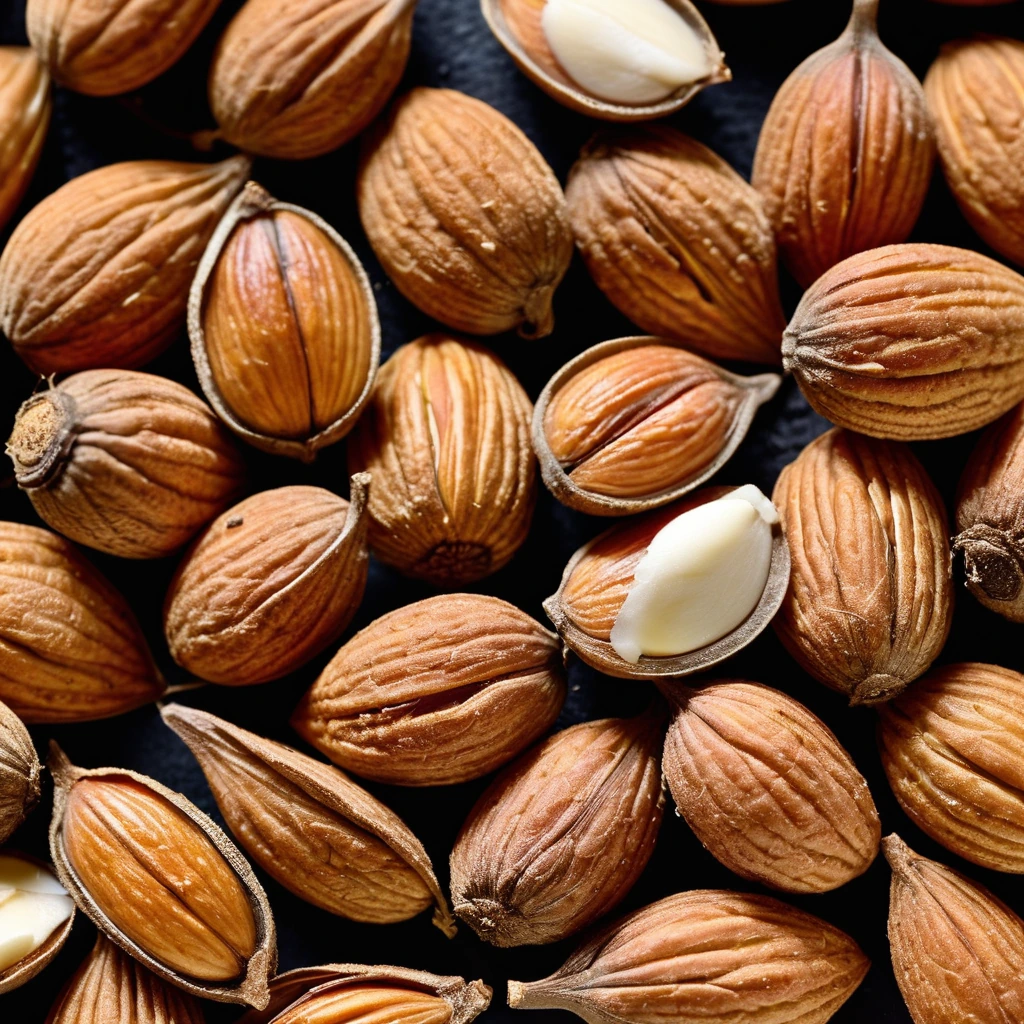
Almond Extract
A fragrant, golden elixir that captures the essence of freshly ground almonds, almond extract is a pantry staple that brings a rich, nutty aroma to your culinary creations.
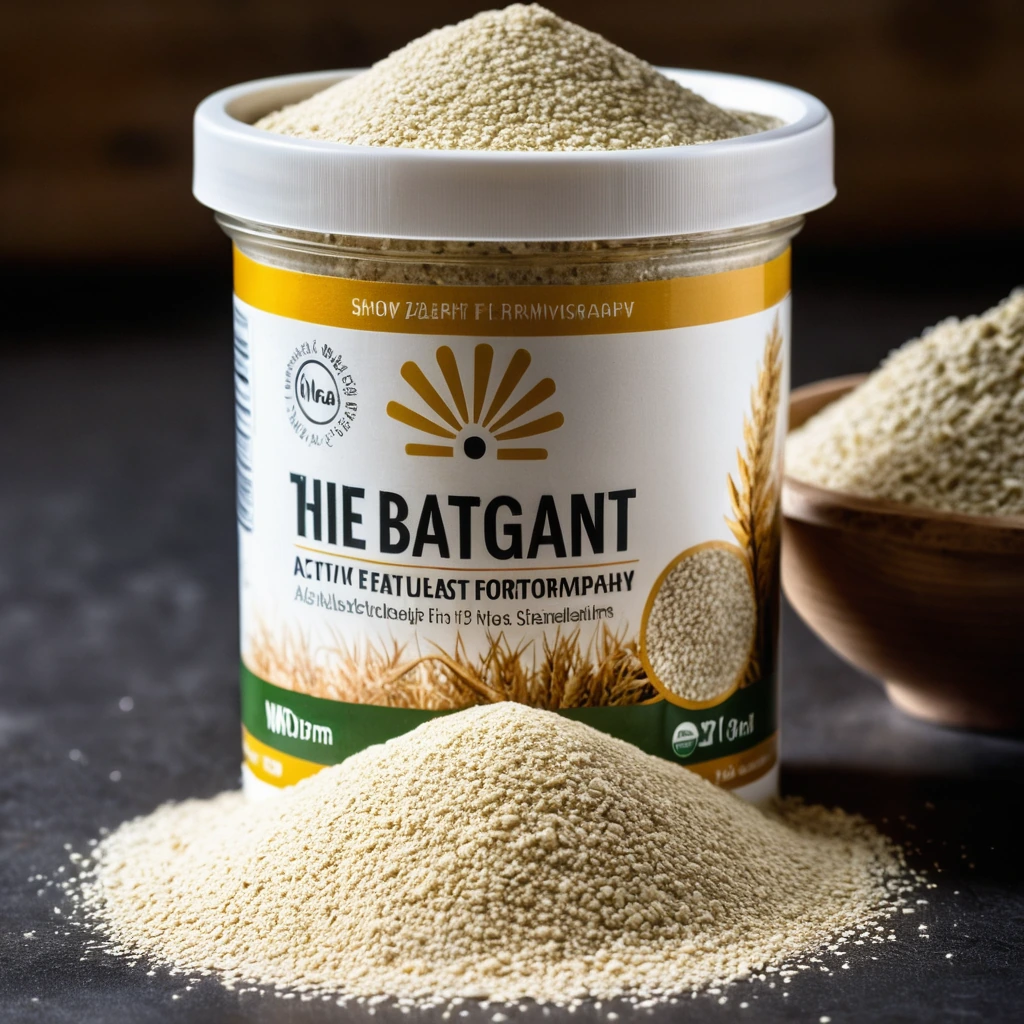
Active Dry Yeast
A fine, granulated leavening agent that brings baked goods to life with its gentle fermentation magic.
Recipes to try

Shrimp and Corn Fritters with Chili Aioli
Crispy on the outside, tender on the inside, these golden fritters pack a punch with juicy shrimp and sweet corn, all topped with a zesty chili aioli.

Smoked Sausage and Broccoli Cheddar Pasta
Creamy, cheesy comfort with a smoky kick—this pasta dish is pure bliss in every bite.