Bread Technique: Shaping Boules and Batards with Tension
Shaping bread is an art that transforms humble dough into beautiful loaves with professional appeal. Whether you're crafting a round boule or an elongated batard, tension in the dough is key to achieving a loaf with a well-defined structure and a beautifully risen crust. This technique not only enhances the aesthetic of your bread but also impacts its texture and crumb. Achieving the right tension involves precise folding and shaping methods that create surface tension, allowing the bread to hold its shape during proofing and baking. Understanding the science behind gluten development and surface tension is crucial to mastering this technique. With patience and practice, you can shape loaves that rival those from your favorite bakery. Let's dive into the details of how to shape boules and batards with expert tension.
Notes
The science of shaping bread lies in the manipulation of gluten strands to create surface tension. This tension helps the loaf maintain its shape and allows for a more even rise during baking. A common mistake is over-handling the dough, which can deflate it and reduce tension. To avoid this, handle the dough gently and work quickly. Ensure your work surface is lightly floured to prevent sticking but not so much that it inhibits tension. Safety is key when using sharp blades for scoring; always use a swift motion to prevent accidents. For best results, shape your bread just before the final proof to maintain maximum tension. Loaves can be stored at room temperature for up to 2 days or frozen for longer storage.
Steps
- 1 Preheat your oven to 450°F.
- 2 Turn your dough out onto a lightly floured surface.
- 3 Gently press and fold the edges of the dough towards the center for 3-4 folds to build tension.
- 4 For a boule, cup your hands and fold the dough towards you, rotating 90 degrees after each fold.
- 5 Continue folding and rotating until the dough is taut and smooth.
- 6 For a batard, fold the dough towards you and roll it tightly from one end to the other.
- 7 Seal the dough by folding the ends towards the center and pinching them together.
- 8 Place the shaped dough seam-side down onto a parchment-lined baking sheet or a floured couche.
- 9 Cover with a clean kitchen towel and let proof until nearly doubled in size.
- 10 Score the top of the loaf with a sharp blade just before baking.
- 11 Transfer the loaf to a preheated baking stone or Dutch oven.
- 12 Bake until golden brown and the internal temperature reaches 200°F.
- 13 Remove from the oven and let cool completely on a wire rack.
Ingredients to explore
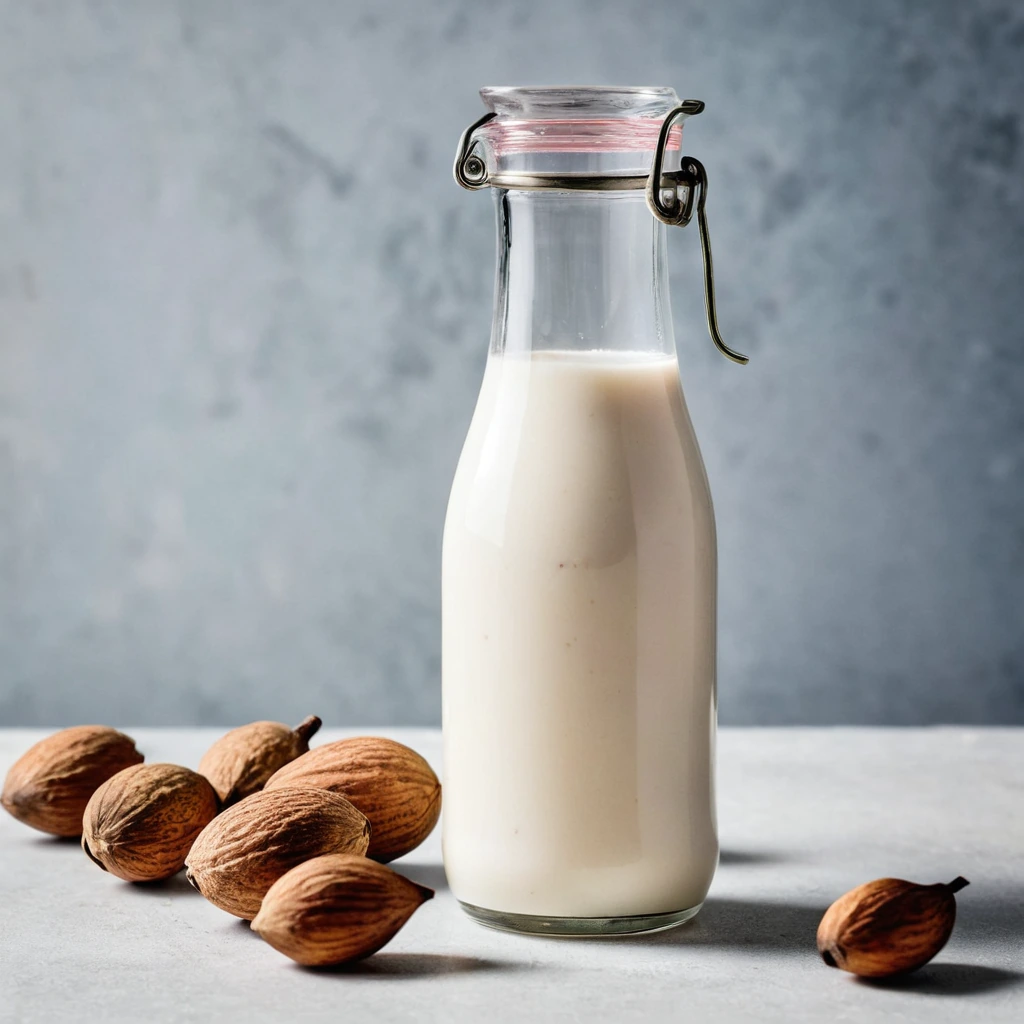
Almond Milk
Almond milk is a plant-based milk alternative made from ground almonds and water. Originating from traditional recipes in medieval Europe and the Middle East, it has gained widespread popularity in modern times as a dairy-free option. Almond milk has a subtly nutty flavor with a mild sweetness, and its aroma is reminiscent of fresh almonds. Its texture is smooth and creamy, though typically lighter than dairy milk. In cooking, almond milk behaves well in both savory and sweet applications, though it does not brown or caramelize like dairy milk. It is often used in cereals, smoothies, and baking, where its delicate flavor complements rather than overpowers other ingredients.
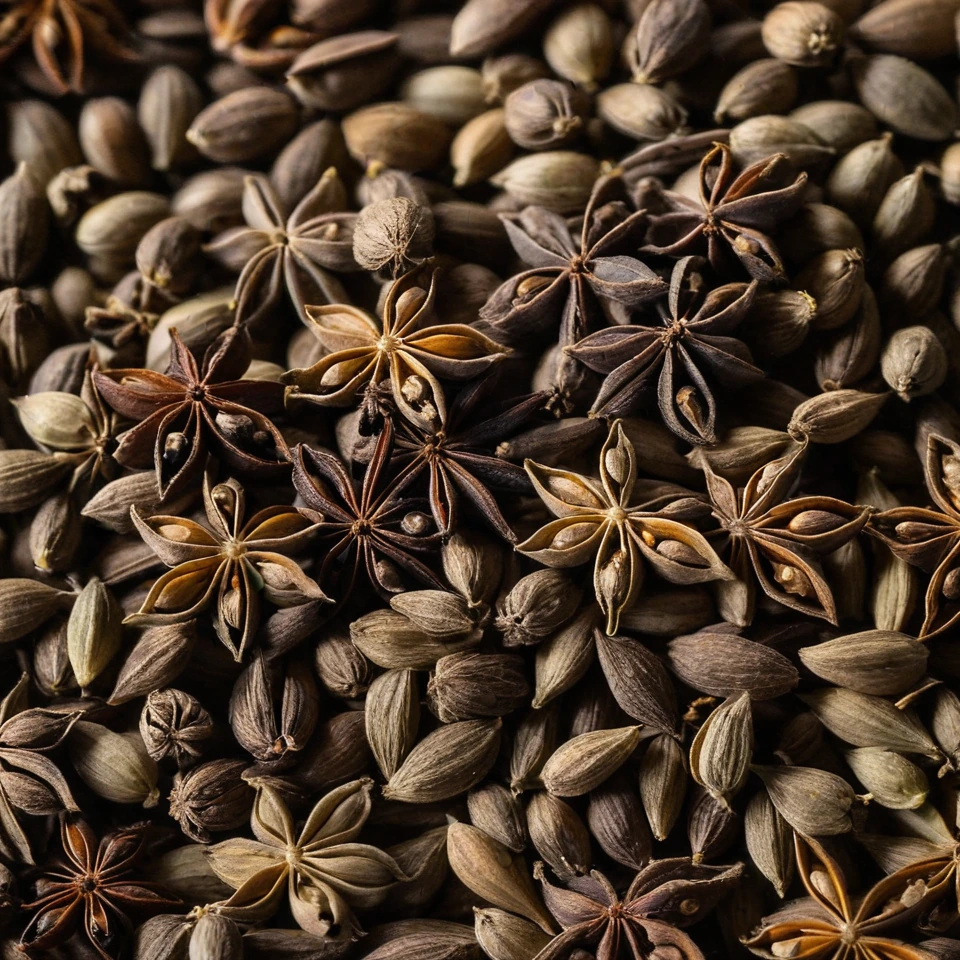
Anise Seeds
Anise seeds are small, oval seeds with a sweet, licorice-like flavor. They are commonly used in both sweet and savory dishes, offering a warm, aromatic taste.
Recipes to try
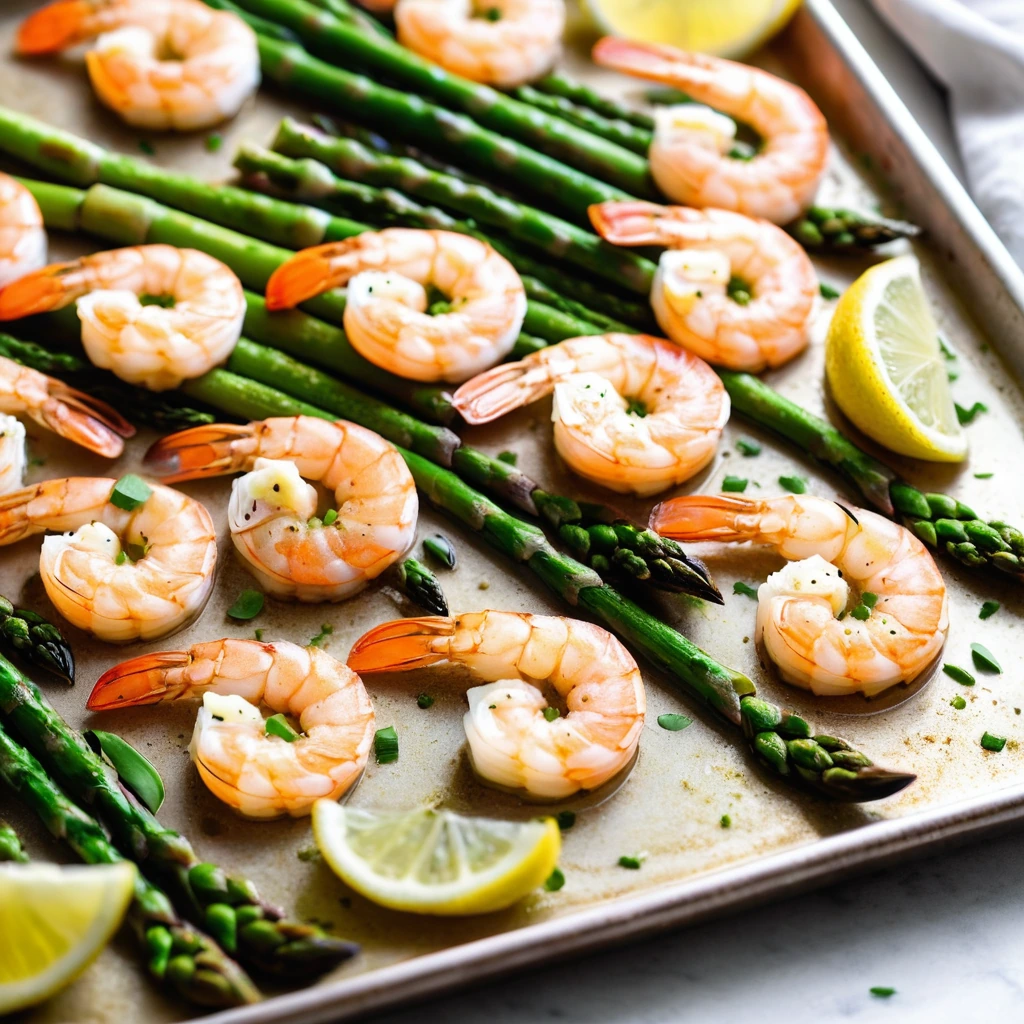
Lemon Garlic Butter Shrimp and Asparagus Sheet Pan
Bright and zesty, this sheet pan dinner is a burst of sunshine with tender shrimp and crisp asparagus in a luscious garlic butter sauce.
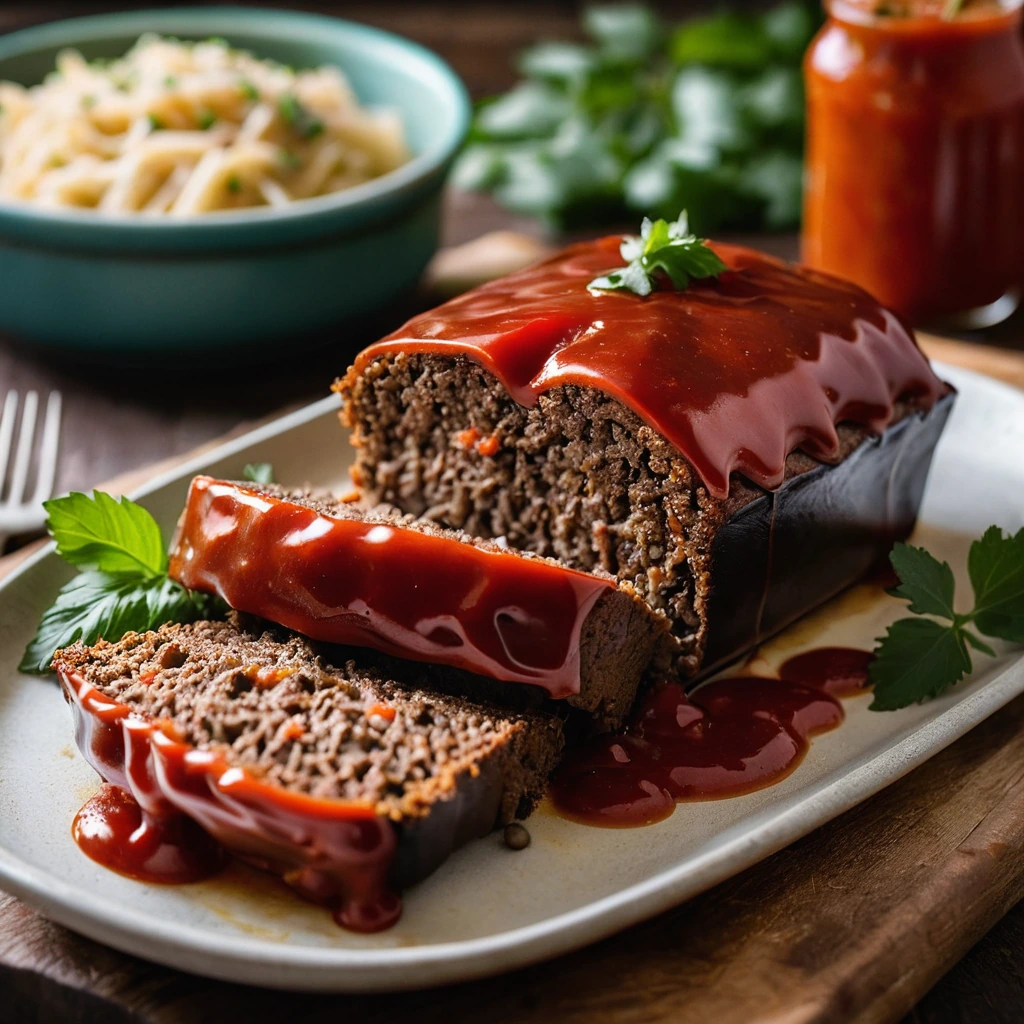
Pepper Jack Stuffed Meatloaf with Salsa Glaze
A savory meatloaf stuffed with gooey pepper jack cheese and topped with a tangy, zesty salsa glaze that'll have your taste buds doing a happy dance.