Bread Technique: Rolling and Filling Cinnamon Swirl Breads
Creating the perfect cinnamon swirl bread is an art that combines technique, patience, and a touch of creativity. This technique will guide you through rolling out your dough and filling it with a luscious cinnamon mixture to achieve those irresistible swirls. First, understand that the key to a successful cinnamon swirl bread lies in the dough's preparation. You want it to be pliable yet sturdy enough to hold the filling without tearing. Achieving the right consistency often involves kneading until smooth and letting it rise adequately. The filling itself is a symphony of sweetness and spice, typically composed of butter, brown sugar, and cinnamon. However, don't shy away from adding your own flair, such as nuts or dried fruits. The rolling process demands precision; uneven rolls can lead to an uneven distribution of filling. Once rolled, the dough is carefully sliced to reveal those mesmerizing layers. Baking at the correct temperature ensures the bread rises beautifully and the cinnamon filling caramelizes to perfection. This technique is not just about creating a delightful treat but mastering a skill that can be adapted for countless variations of filled breads. Patience is your ally, as rushing can lead to dense, underwhelming results. With practice, you'll find your rhythm and create loaves that are as visually stunning as they are delicious.
Notes
The science behind this technique lies in gluten development and yeast fermentation. Kneading your dough properly develops the gluten network, giving structure to your bread. Yeast ferments sugars in the dough, creating gases that cause it to rise. If your dough is too sticky, add a bit more flour during rolling. Too dry? A touch of water will help. Always ensure your oven is fully preheated to guarantee even baking. For make-ahead convenience, you can prepare the loaves up to the rising stage, cover tightly, and refrigerate overnight. Bring to room temperature before baking. Stored properly in an airtight container, cinnamon swirl bread stays fresh for up to 2 days, though it's unlikely to last that long!
Steps
- 1 Prepare your cinnamon filling by mixing 1/2 cup softened butter, 1/2 cup brown sugar, and 1 tablespoon cinnamon.
- 2 Divide your risen dough into two equal portions if making multiple loaves.
- 3 On a floured surface, roll out one portion into a 12x18-inch rectangle.
- 4 Spread half of the cinnamon filling evenly over the rolled-out dough, leaving a 1-inch border around the edges.
- 5 Starting with a long side, tightly roll the dough into a log, pressing gently to seal the edge.
- 6 Using dental floss or dental tape, slice the log into 12 equal pieces.
- 7 Arrange the slices cut-side up in a greased 9x5-inch loaf pan.
- 8 Cover with a clean kitchen towel and let rise in a warm place for 30-45 minutes, or until doubled in size.
- 9 Preheat your oven to 350°F.
- 10 Bake the bread for 25-30 minutes, or until the top is golden brown and sounds hollow when tapped.
- 11 Cool the bread in the pan for 10 minutes before transferring to a wire rack to cool completely.
- 12 Brush the top with melted butter for added richness, if desired.
- 13 Slice and serve, enjoying the perfect balance of cinnamon and bread.
Ingredients to explore
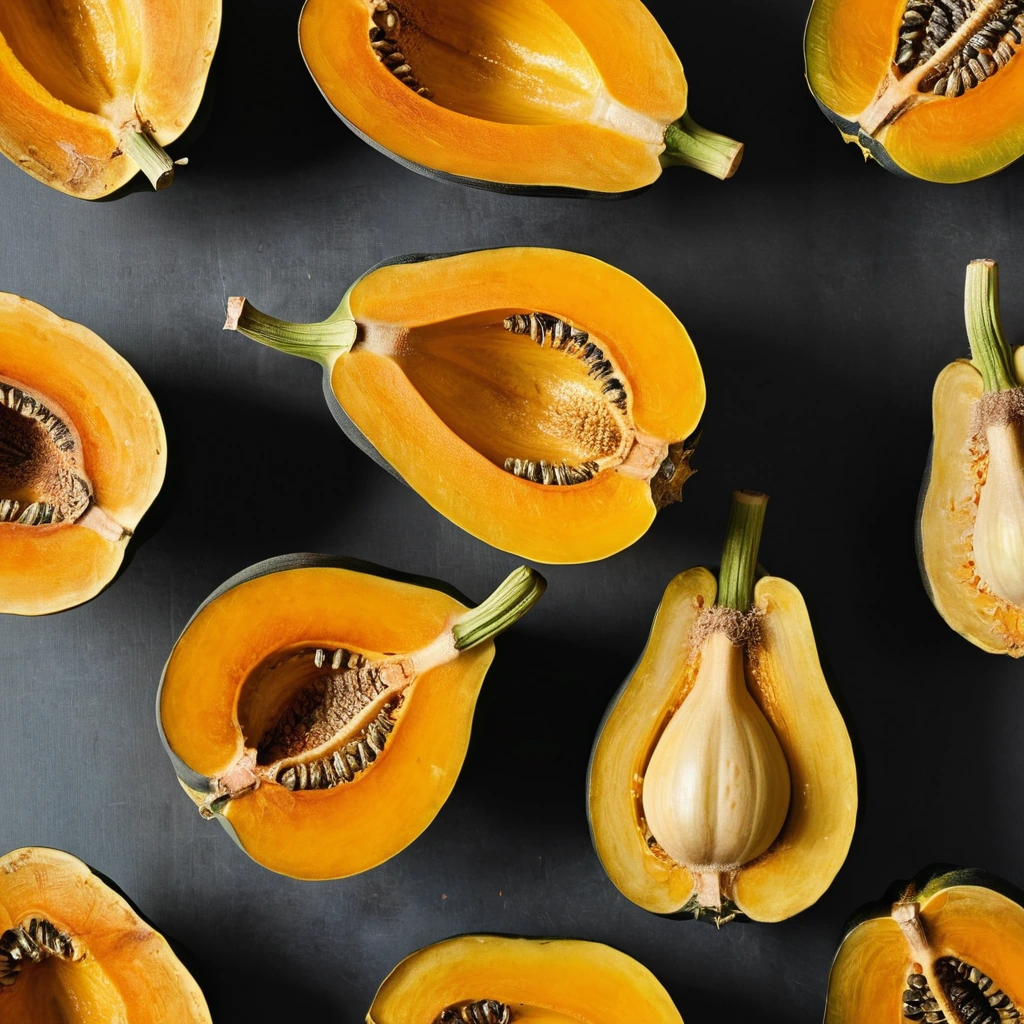
Acorn Squash
Acorn squash is a winter squash variety known for its distinctive teardrop shape and deep ridges resembling the texture of an acorn shell. Originating in the Americas, it has been cultivated for centuries and is a staple in autumn cuisine. The flesh is sweet and nutty with a hint of earthiness, offering a delightful contrast to savory dishes. Its texture is dense yet tender when cooked, making it ideal for roasting or pureeing. In cooking, acorn squash holds its shape well and absorbs flavors from herbs and spices, enhancing both its taste and versatility in recipes.
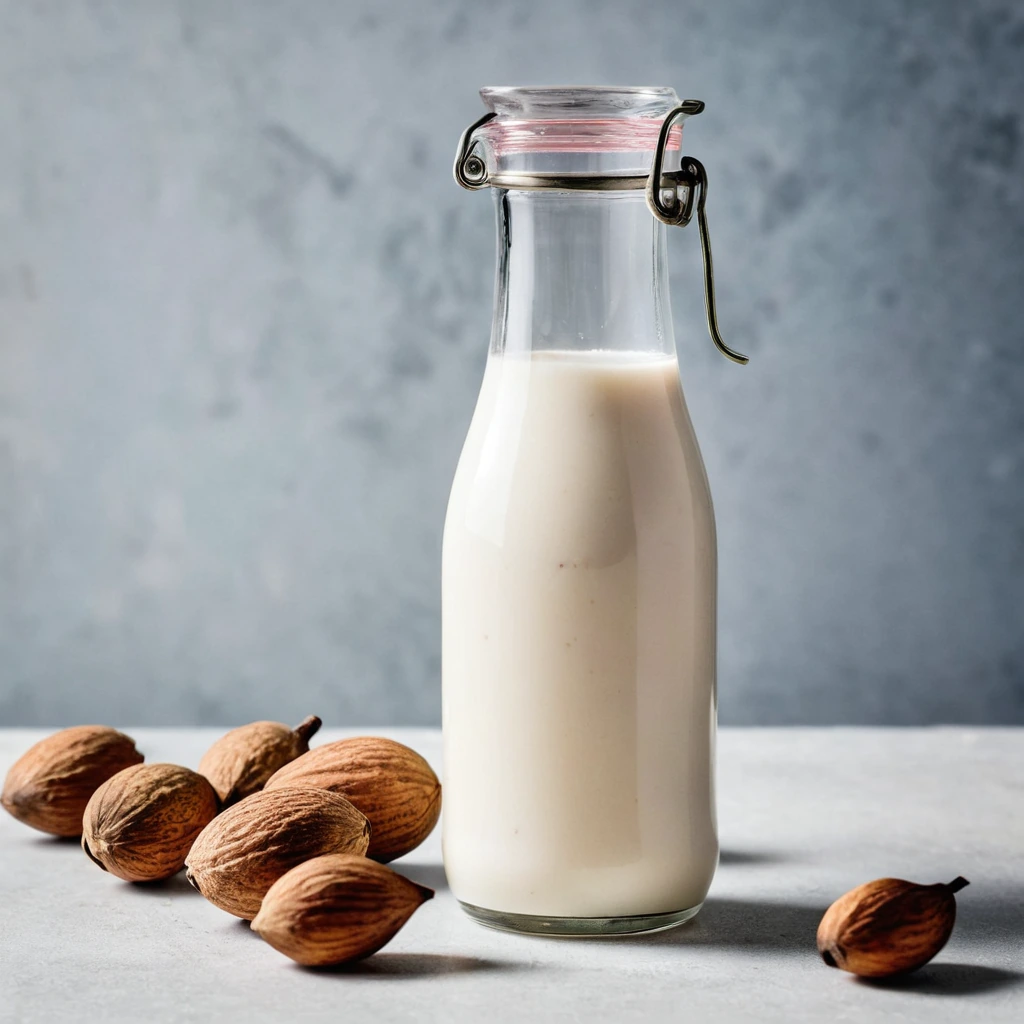
Almond Milk
Almond milk is a plant-based milk alternative made from ground almonds and water. Originating from traditional recipes in medieval Europe and the Middle East, it has gained widespread popularity in modern times as a dairy-free option. Almond milk has a subtly nutty flavor with a mild sweetness, and its aroma is reminiscent of fresh almonds. Its texture is smooth and creamy, though typically lighter than dairy milk. In cooking, almond milk behaves well in both savory and sweet applications, though it does not brown or caramelize like dairy milk. It is often used in cereals, smoothies, and baking, where its delicate flavor complements rather than overpowers other ingredients.