Bread Technique: Checking Doneness by Internal Temperature
Achieving the perfect loaf of bread is both an art and a science. One of the most reliable methods to determine when your bread is done baking is by using an internal temperature check. This technique eliminates guesswork, ensuring your bread is neither underbaked nor overbaked. A properly baked loaf will have a golden crust, a hollow sound when tapped, and an internal temperature that indicates it's fully cooked. Let's delve into why internal temperature is crucial, how to measure it accurately, and how to interpret the results. Bread baking is influenced by various factors such as oven temperature, humidity, and ingredient ratios. Therefore, relying on an internal temperature gauge provides a consistent benchmark for doneness. The ideal internal temperature for most breads is between 190°F and 210°F. Achieving this temperature ensures that the starches in the bread have fully gelatinized and the proteins have coagulated, leading to a well-structured crumb. This guide will walk you through the precise steps to check your bread's internal temperature effectively, troubleshooting common issues, and offering tips for success.
Notes
Understanding the science behind bread's internal temperature is key. Starches in the bread gelatinize at around 140°F, while proteins coagulate at higher temperatures, leading to structure formation. If your bread doesn't reach the recommended temperature, it may be gummy or dense due to undercooked starches and proteins. Conversely, exceeding 210°F can dry out your loaf. Common mistakes include inserting the thermometer too quickly, which can lead to inaccurate readings, or not allowing enough time for the bread to finish baking. Always use an oven thermometer to ensure your oven is calibrated correctly. For make-ahead purposes, allow the bread to cool completely before storing it in an airtight container or plastic bag at room temperature for up to two days. For longer storage, consider freezing the loaf wrapped in plastic wrap and aluminum foil.
Steps
- 1 Preheat your oven according to your recipe's instructions.
- 2 Prepare your bread dough and shape it as desired.
- 3 Place the shaped dough in a preheated baking vessel or directly on a baking sheet.
- 4 Bake the bread in the oven until it begins to turn golden brown.
- 5 Insert an instant-read thermometer into the center of the loaf, avoiding contact with the pan.
- 6 Ensure the thermometer reads between 190°F and 210°F for most bread types.
- 7 Remove the bread from the oven once the correct temperature is reached.
- 8 Allow the bread to cool on a wire rack for at least 30 minutes before slicing.
Ingredients to explore
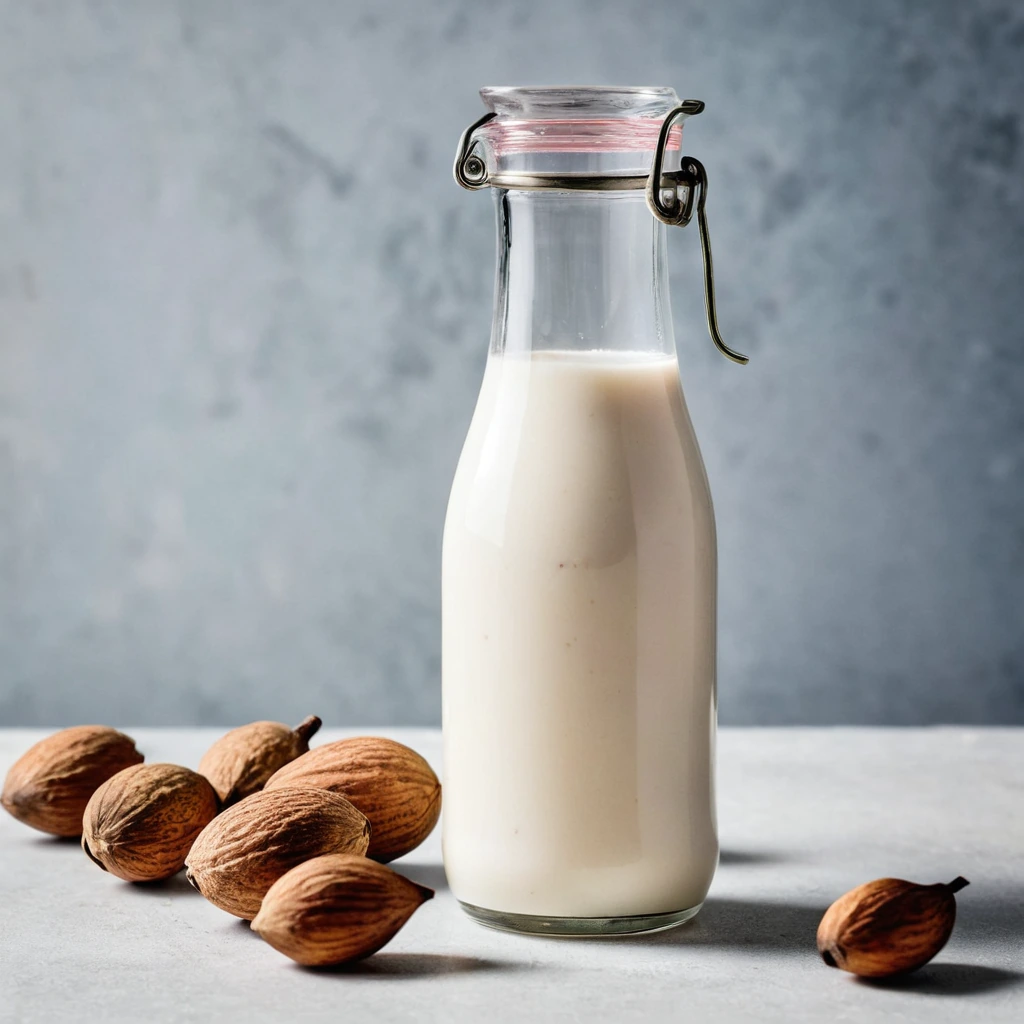
Almond Milk
Almond milk is a plant-based milk alternative made from ground almonds and water. Originating from traditional recipes in medieval Europe and the Middle East, it has gained widespread popularity in modern times as a dairy-free option. Almond milk has a subtly nutty flavor with a mild sweetness, and its aroma is reminiscent of fresh almonds. Its texture is smooth and creamy, though typically lighter than dairy milk. In cooking, almond milk behaves well in both savory and sweet applications, though it does not brown or caramelize like dairy milk. It is often used in cereals, smoothies, and baking, where its delicate flavor complements rather than overpowers other ingredients.
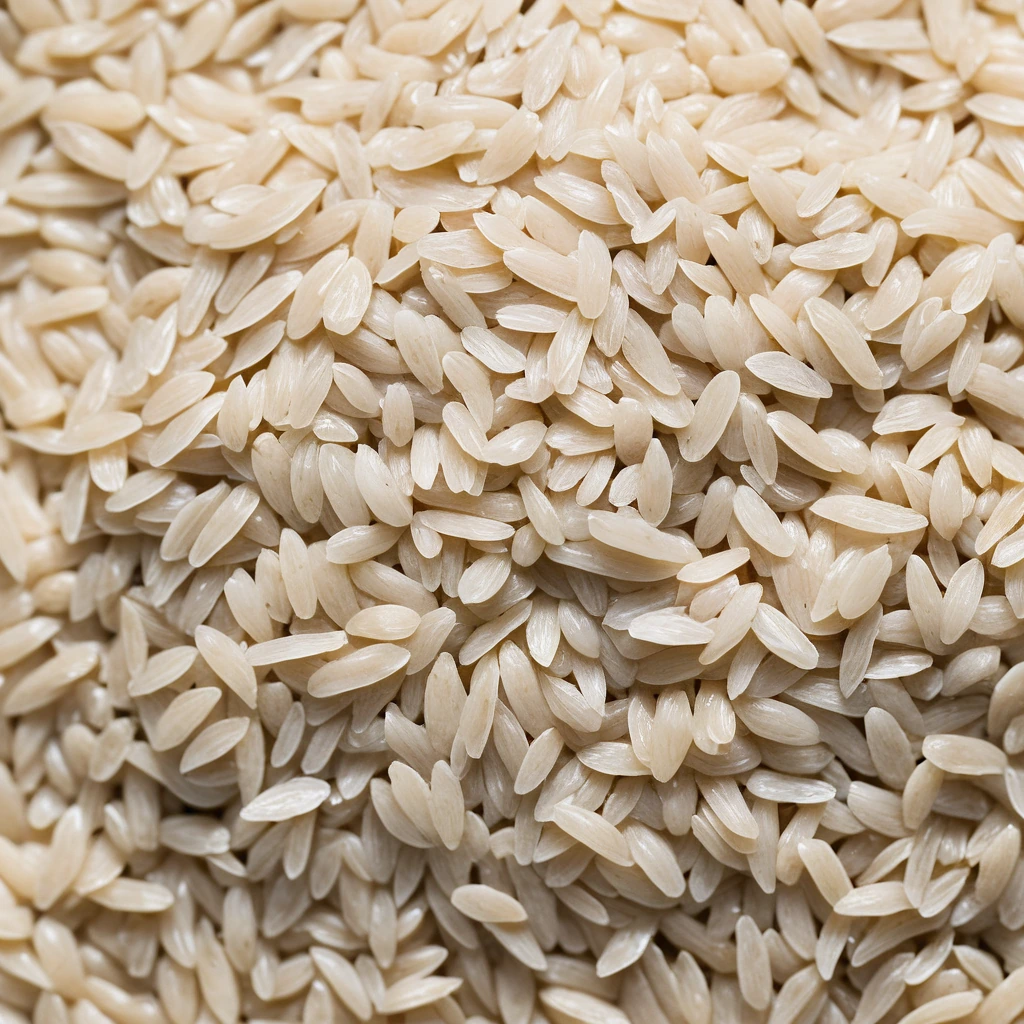
Arborio Rice
Arborio rice is a short-grain Italian rice variety renowned for its use in risotto. Originating from the Po Valley in Northern Italy, it is a staple in Italian cuisine. Its flavor is mild and nutty, with a pleasant creamy texture when cooked due to its high amylopectin content, which releases starch and creates a velvety consistency. The grains remain plump and firm to the bite, offering a satisfying chewiness. In cooking, Arborio rice excels at absorbing flavors from broths and seasonings while maintaining its shape, making it ideal for dishes that require both creaminess and structure.
Recipes to try

Sheet Pan Chicken Tikka with Garlic Potatoes
Juicy chicken and golden potatoes roasted to perfection on one sheet pan, infused with smoky tikka spices and garlicky goodness.
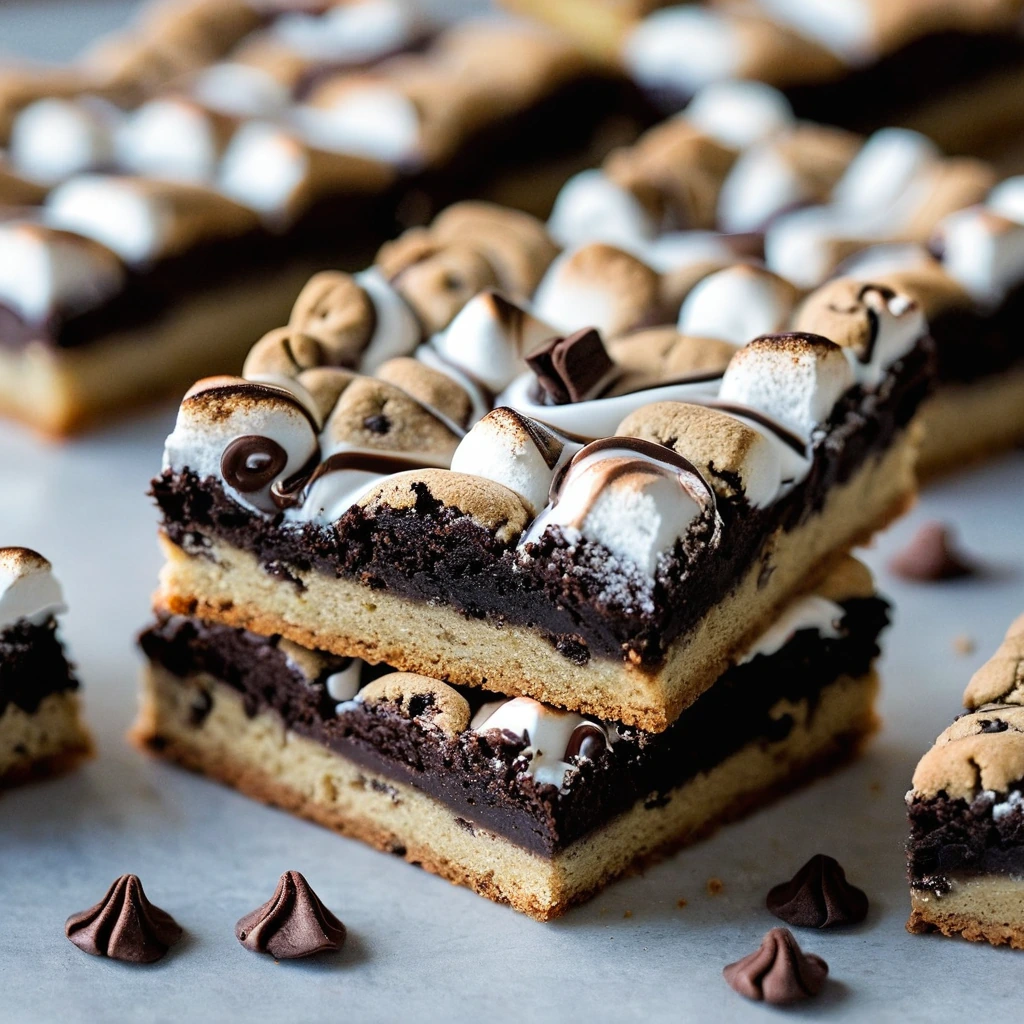
S’mores Cookie Bars with Marshmallow Swirl
Chocolatey, gooey, and utterly irresistible – these S’mores Cookie Bars are a campfire classic reimagined into a decadent dessert.