Bread: Refreshing Day-Old Bread with Steam and Heat
Reviving day-old bread is an art that can transform stale loaves into fresh, delightful morsels. The key lies in reintroducing moisture and warmth to restore its original texture and flavor. This technique leverages steam and heat to breathe life back into your bread, making it soft, pliable, and ready for any culinary use. First, understanding why bread goes stale helps us tackle the problem effectively. Bread staleness is primarily due to moisture migration and the crystallization of starch molecules. By applying controlled heat and steam, we can reverse this process. The gentle warmth reactivates the starches, while the steam provides the necessary moisture to soften the crumb. This method is ideal for all types of bread, from crusty baguettes to soft sandwich loaves. Furthermore, it's a sustainable practice that reduces food waste and saves money. Whether you're preparing for a morning toast, assembling a sandwich, or crafting bread pudding, this technique ensures your bread performs beautifully. The process is straightforward and yields professional results, making it perfect for home cooks looking to elevate their bread game. Remember, the goal is to restore, not to bake again, so precision in temperature and timing is crucial. With a little patience and attention, you'll master the art of refreshing day-old bread, delighting your taste buds and impressing your guests with your resourcefulness and skill.
Notes
The science behind this technique is simple yet effective. By introducing steam into the oven environment, moisture is reintroduced into the bread's structure, softening the crumb. The controlled heat activates the starch molecules, making them pliable again without drying out the exterior. A common mistake is overheating the bread, which can lead to drying rather than refreshing. Keep an eye on the bread's color and texture to avoid this. For optimal results, use the bread immediately after refreshing, though it can be stored in an airtight container for a few hours to maintain softness. Avoid refrigerating the refreshed bread, as cold temperatures accelerate staleness. This technique is a practical way to reduce food waste, ensuring that your bread remains a staple in your kitchen without the guilt of tossing out perfectly good food.
Steps
- 1 Preheat oven to 300°F.
- 2 Place a small heatproof bowl of water on the bottom rack of the oven.
- 3 Slice the day-old bread if intended for sandwiches or leave whole for other uses.
- 4 Arrange the bread on a wire rack set over a baking sheet.
- 5 Place the rack with bread on the middle rack of the oven.
- 6 Close the oven door and let the bread sit for 10 minutes.
- 7 Check the bread for desired softness; if needed, continue for another 5 minutes.
- 8 Remove the bread from the oven and let it cool on a wire rack.
- 9 Use immediately or store properly for later use.
Ingredients to explore
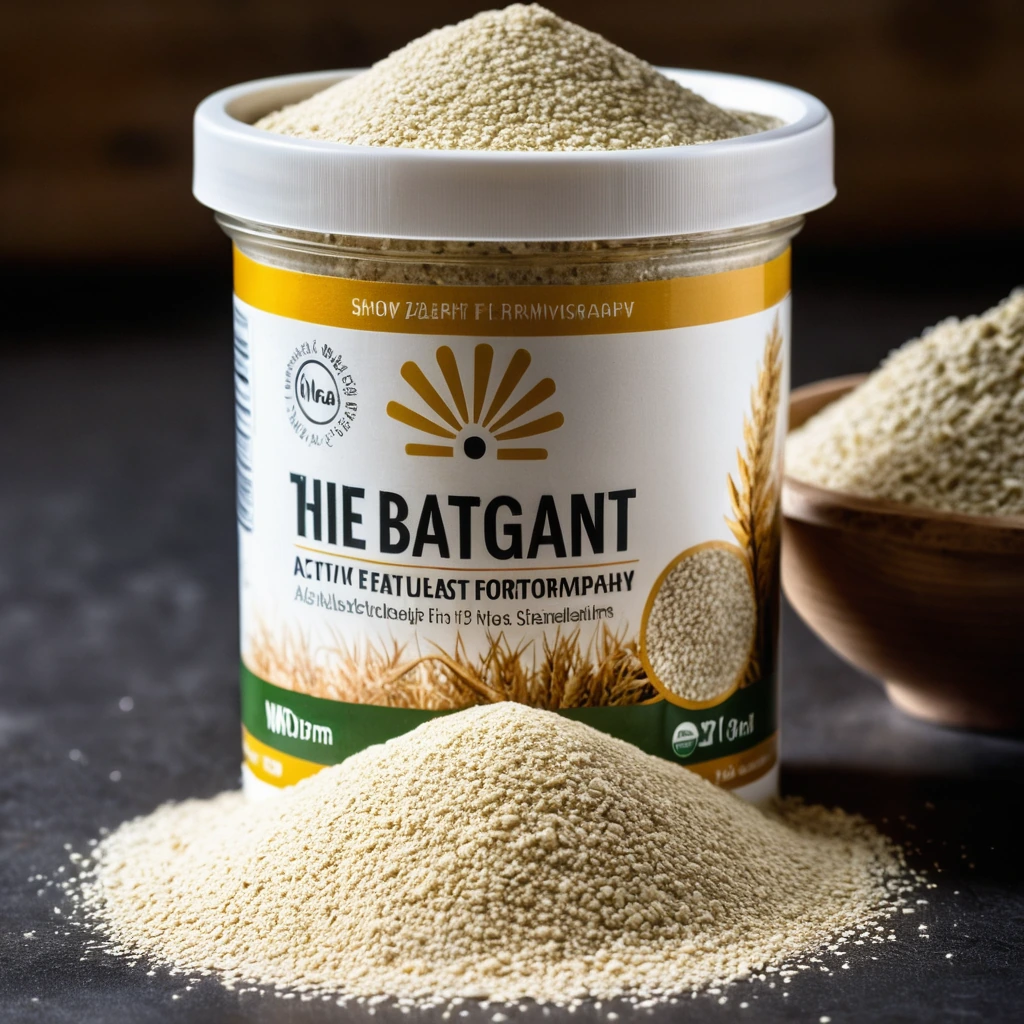
Active Dry Yeast
A fine, granulated leavening agent that brings baked goods to life with its gentle fermentation magic.
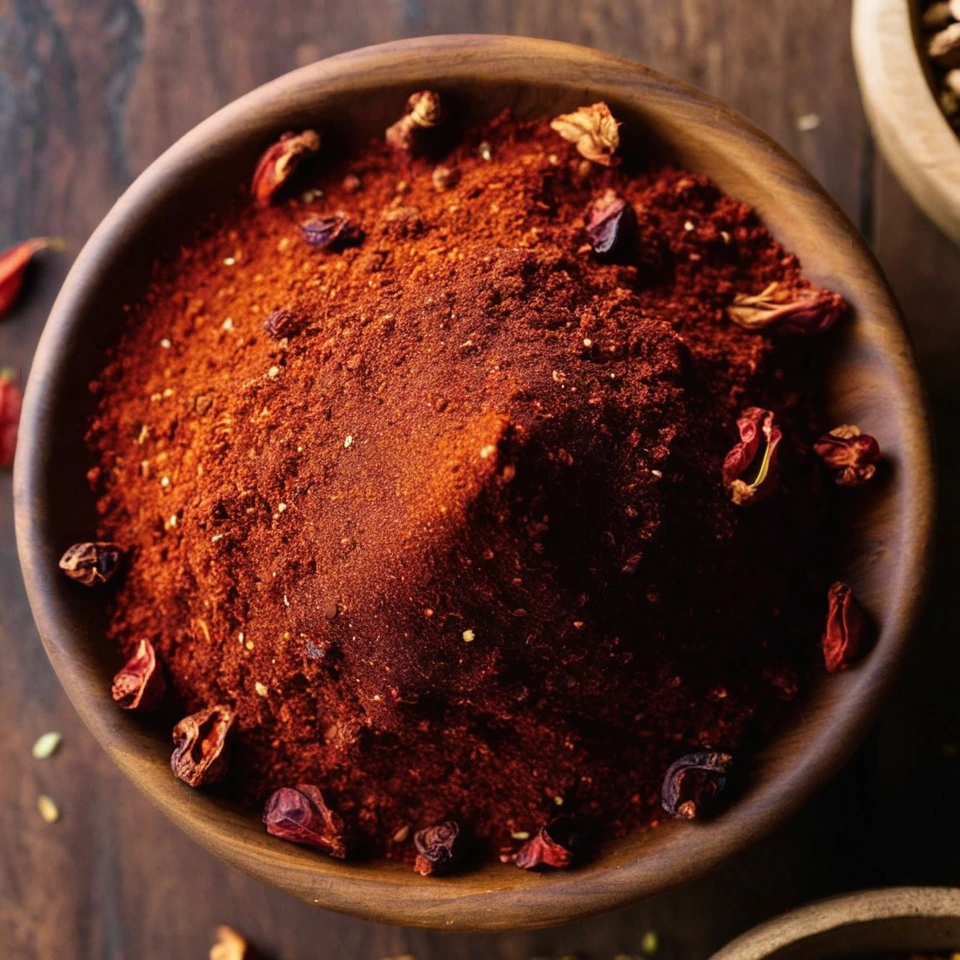
Aleppo Pepper
Aleppo pepper offers a harmonious balance of heat and sweetness, with a subtle fruity aroma reminiscent of sun-dried tomatoes and currants. Originating from the region around Aleppo, Syria, it has a fine, slightly coarse texture that shatters easily between fingers. Its mild yet complex flavor profile makes it a prized seasoning for enhancing dishes without overwhelming them. Valued for its versatility, it bridges the gap between spice and seasoning, bringing a touch of warmth and depth to a variety of cuisines.
Recipes to try

Roasted Tomato and Basil Cream Penne
Sun-kissed roasted tomatoes meld with creamy sauce and fresh basil for a penne that's both comforting and vibrant.

Shrimp and Spinach Stuffed Portobellos
Tender shrimp mingles with sautéed spinach in a savory filling, nestled inside roasted portobello mushrooms for a satisfying vegetarian-friendly main.