Balancing Flavors: A Guide to Acid, Fat, Salt, and Sweet
Learn how to balance the four key elements of flavor - acid, fat, salt, and sweet - to elevate your cooking.
Notes
Experiment with proportions to suit your palate. Balancing flavors is an art that improves with practice.
Steps
- 1 Start with a base layer of fat to provide richness, such as olive oil or butter.
- 2 Add a pinch of salt early to enhance natural flavors and draw out moisture.
- 3 Incorporate a touch of sweetness to balance bitterness or acidity, using honey or sugar.
- 4 Introduce acidity with ingredients like lemon juice or vinegar to brighten the dish.
- 5 Taste and adjust each component incrementally to achieve harmony.
- 6 Ensure no single flavor dominates by making subtle tweaks.
- 7 Finish with a final seasoning of salt and a squeeze of acid for freshness.
- 8 Serve immediately to enjoy the balanced interplay of flavors.
Ingredients to explore
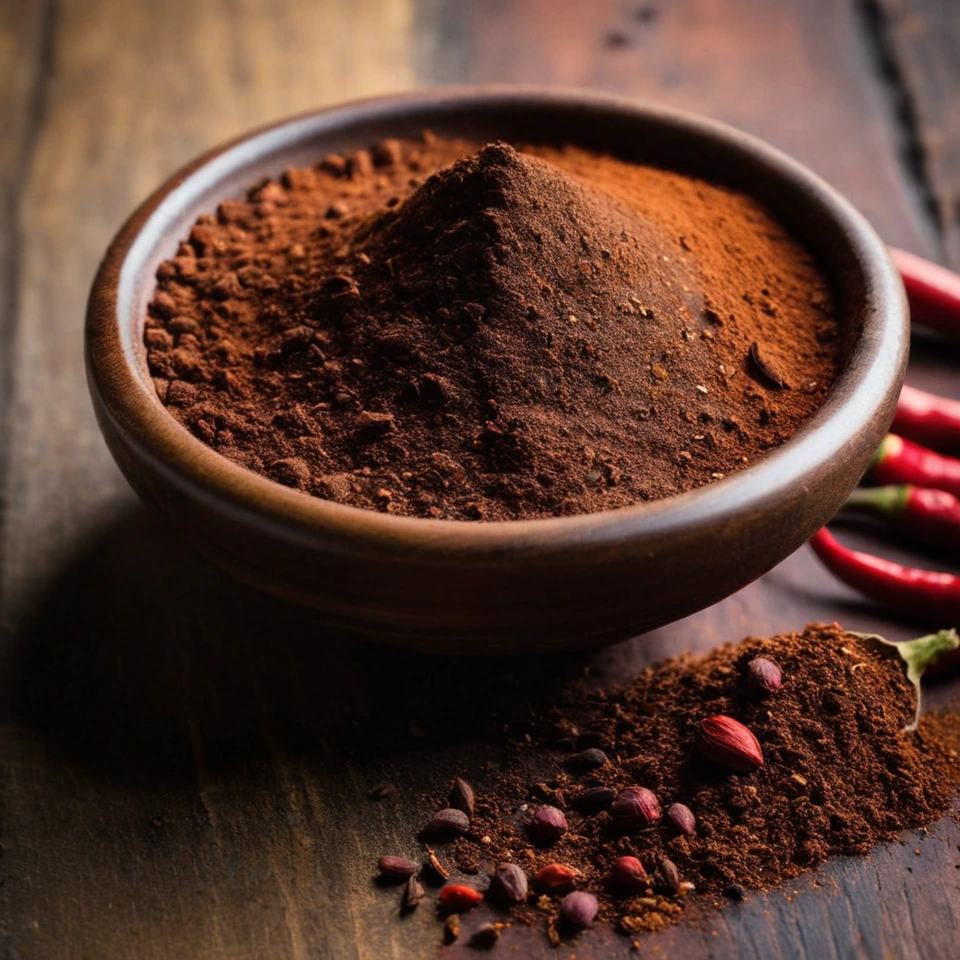
Ancho Chili Powder
Ancho chili powder offers a deep, smoky sweetness with hints of dried fruit and cocoa, reminiscent of its origin as dried poblano peppers from Mexico. Its aroma is warm and inviting, with a mild heat that lingers gently. The texture is fine and velvety, making it easy to incorporate into a variety of dishes. This powder is prized for its ability to add complexity without overwhelming spice, ideal for enriching both traditional Mexican moles and contemporary global cuisines.
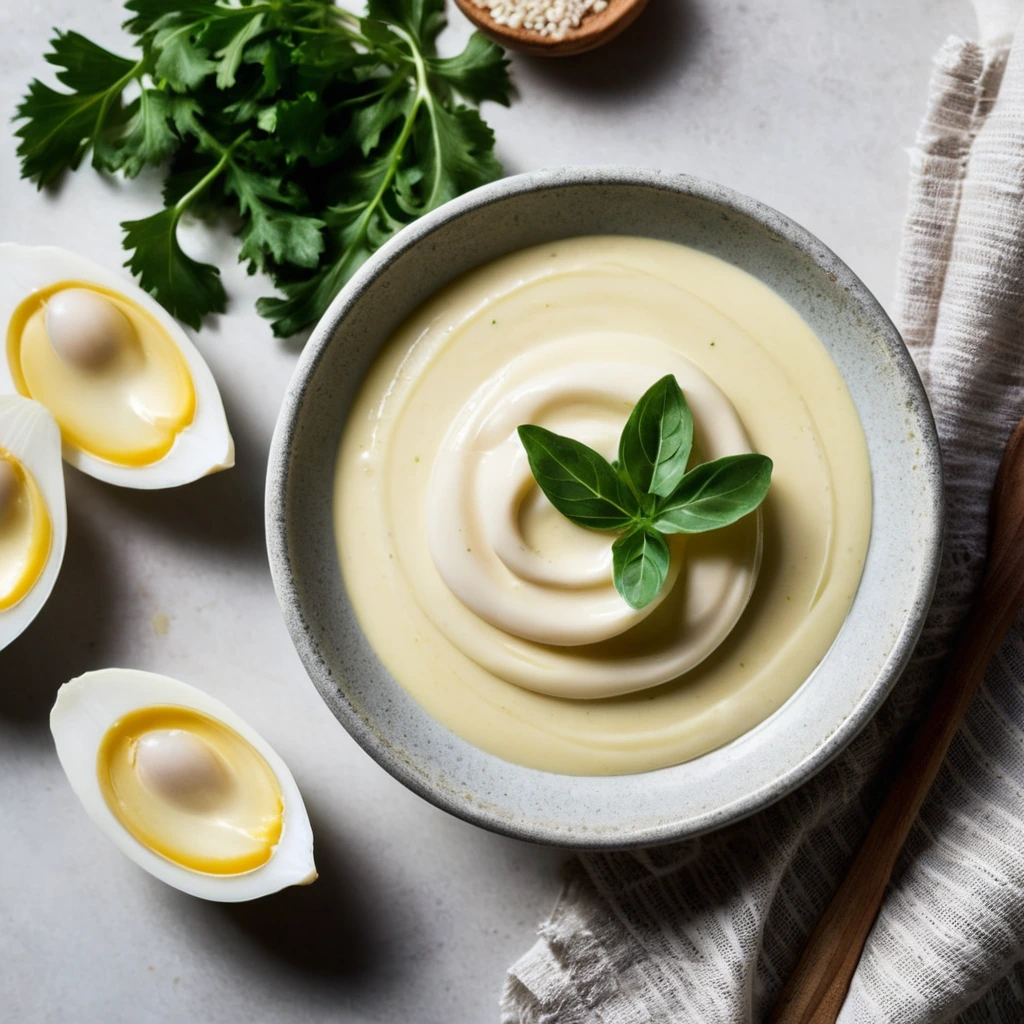
Aioli
A luscious, velvety emulsion of garlic and olive oil, aioli is a rich and aromatic sauce that dances on the palate with its creamy texture and bold, pungent flavor.
Recipes to try
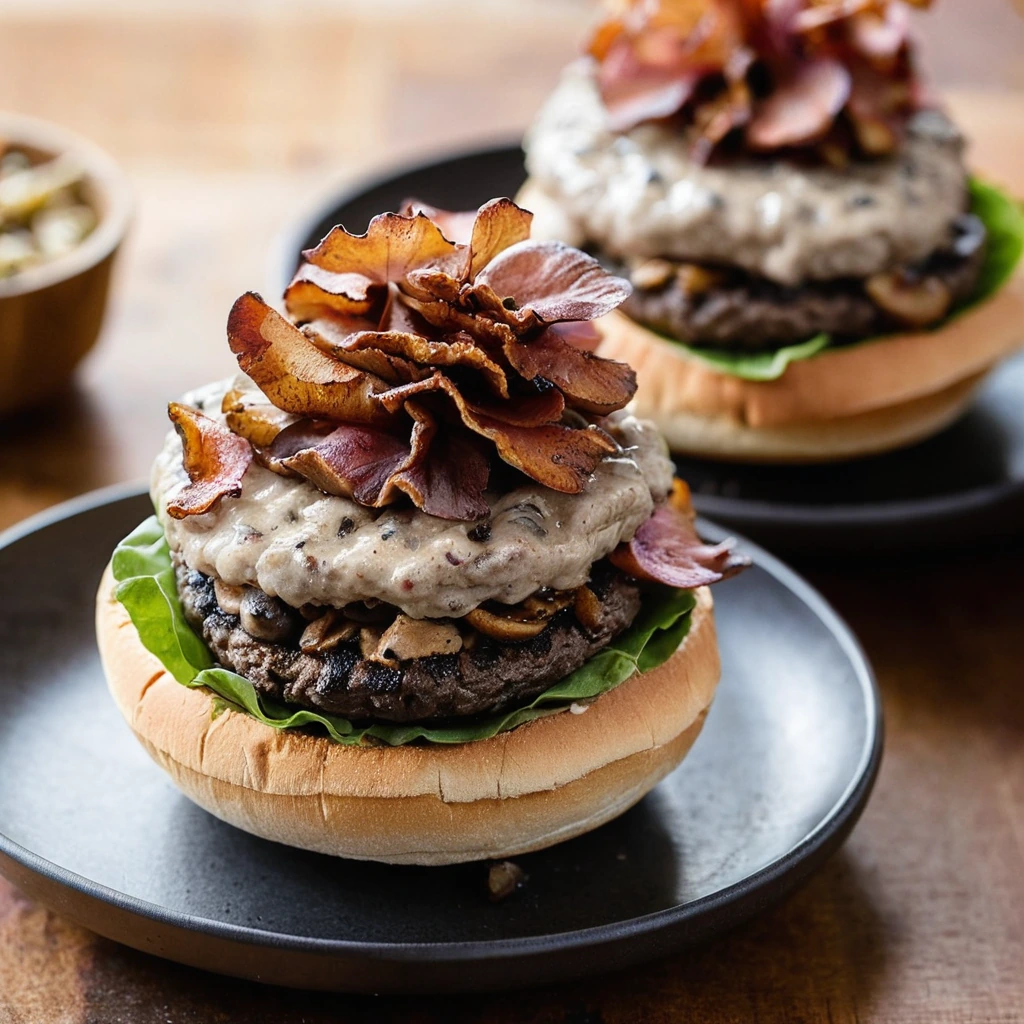
Maple Bacon Mushroom Burger Bowls
Sweet, smoky, and savory come together in these hearty bowls, where juicy burger patties meet crispy bacon and earthy mushrooms.

Pork Schnitzel with Lemon and Parsley Slaw
Golden, crispy pork schnitzel served with a refreshing, zesty lemon and parsley slaw that'll brighten your dinner table.