Baking: Using Preferments (Poolish, Biga, Levain)
Preferments are a baker's secret weapon for creating bread with superior flavor, texture, and crust. Whether you're using a poolish, biga, or levain, these starters can transform your home baking. A poolish is a wet, loose mixture of equal parts flour and water with a small amount of yeast, left to ferment at room temperature. Biga, on the other hand, is a stiffer preferment that uses less water and yeast, giving it a slower fermentation process. Levain is a natural sourdough starter that relies on wild yeast and bacteria for leavening. These preferments work their magic by kickstarting fermentation early, allowing enzymes to break down starches into sugars, which feed yeast and bacteria, enhancing flavor and improving gluten structure. By incorporating a preferment into your dough, you'll notice a deeper complexity in taste and a more open, airy crumb. Moreover, preferments can help with dough handling and oven spring, leading to a higher, lighter loaf. This technique requires planning, as preferments need time to develop, but the results are well worth the wait. Dive into the world of preferments and elevate your bread baking to new heights.
Notes
Preferments work by harnessing the power of fermentation, which not only boosts flavor but also helps to break down gluten for easier digestion. Troubleshooting common mistakes includes ensuring your preferment is active and has enough time to ferment properly. If your dough doesn't rise enough, it might be due to insufficient fermentation time or inactive yeast. Always check your preferment for signs of spoilage like off-odors or mold before using it. As for storage, most preferments are used immediately, but you can refrigerate biga for up to 18 hours to slow fermentation. Poolishes are best used fresh, while levain can be maintained with regular feedings. Always plan ahead, as these processes require patience but reward you with artisanal-quality bread.
Steps
- 1 Measure out equal parts flour and water by weight for a poolish, or adjust for biga with less water.
- 2 Add a small amount of instant yeast to the poolish or biga mixture, about 0.1% of the flour weight.
- 3 Mix the ingredients until just combined; it's okay if it's a bit lumpy.
- 4 Cover the container with a clean kitchen towel and let it rest at room temperature for 8 to 12 hours.
- 5 For levain, feed your sourdough starter 24 hours prior to use and let it peak.
- 6 When bubbly and doubled in size, your preferment is ready to be incorporated into your dough.
- 7 Mix your preferment with the remaining flour, water, salt, and any additional ingredients.
- 8 Perform bulk fermentation for 2 to 4 hours, or until doubled in size.
- 9 Shape your dough and let it proof until nearly doubled.
- 10 Preheat your oven to 475°F with a baking stone inside.
- 11 Score the loaf and bake for 20-30 minutes, or until the internal temperature reaches 200°F.
- 12 Cool the bread on a wire rack for at least 1 hour before slicing.
Ingredients to explore

Anaheim Peppers
Anaheim peppers are a mild chili pepper variety named after Anaheim, California, where they were first cultivated commercially. Originating from the New Mexico region, these peppers are celebrated for their versatility and gentle heat. They possess a flavor that is mildly sweet with a subtle tang, and a pleasant vegetal note reminiscent of green bell peppers, but with a hint of spice. Their texture is firm and crisp when fresh, becoming tender and slightly smoky when roasted or cooked. In cooking, Anaheim peppers behave well across a range of techniques, from grilling and roasting to stuffing and sautéing, contributing a nuanced depth without overwhelming other ingredients with heat.
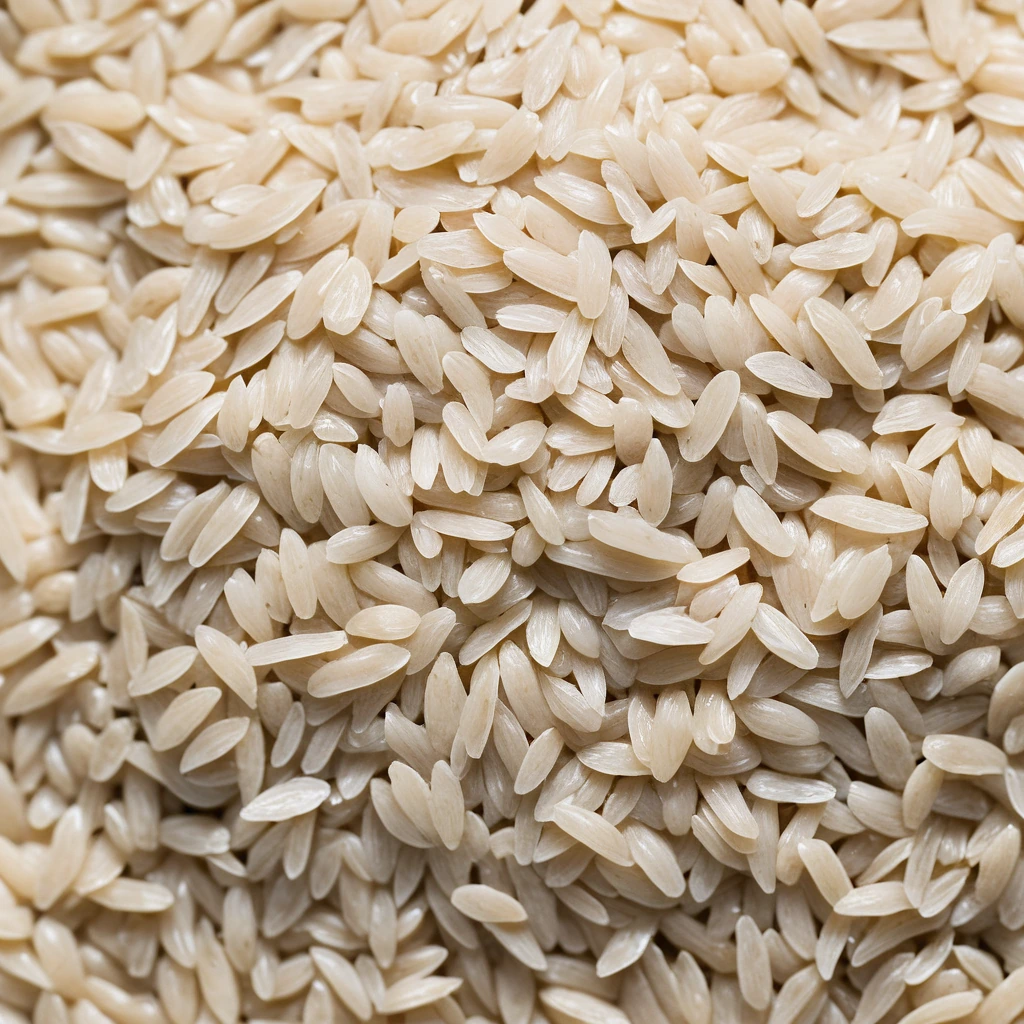
Arborio Rice
Arborio rice is a short-grain Italian rice variety renowned for its use in risotto. Originating from the Po Valley in Northern Italy, it is a staple in Italian cuisine. Its flavor is mild and nutty, with a pleasant creamy texture when cooked due to its high amylopectin content, which releases starch and creates a velvety consistency. The grains remain plump and firm to the bite, offering a satisfying chewiness. In cooking, Arborio rice excels at absorbing flavors from broths and seasonings while maintaining its shape, making it ideal for dishes that require both creaminess and structure.
Recipes to try
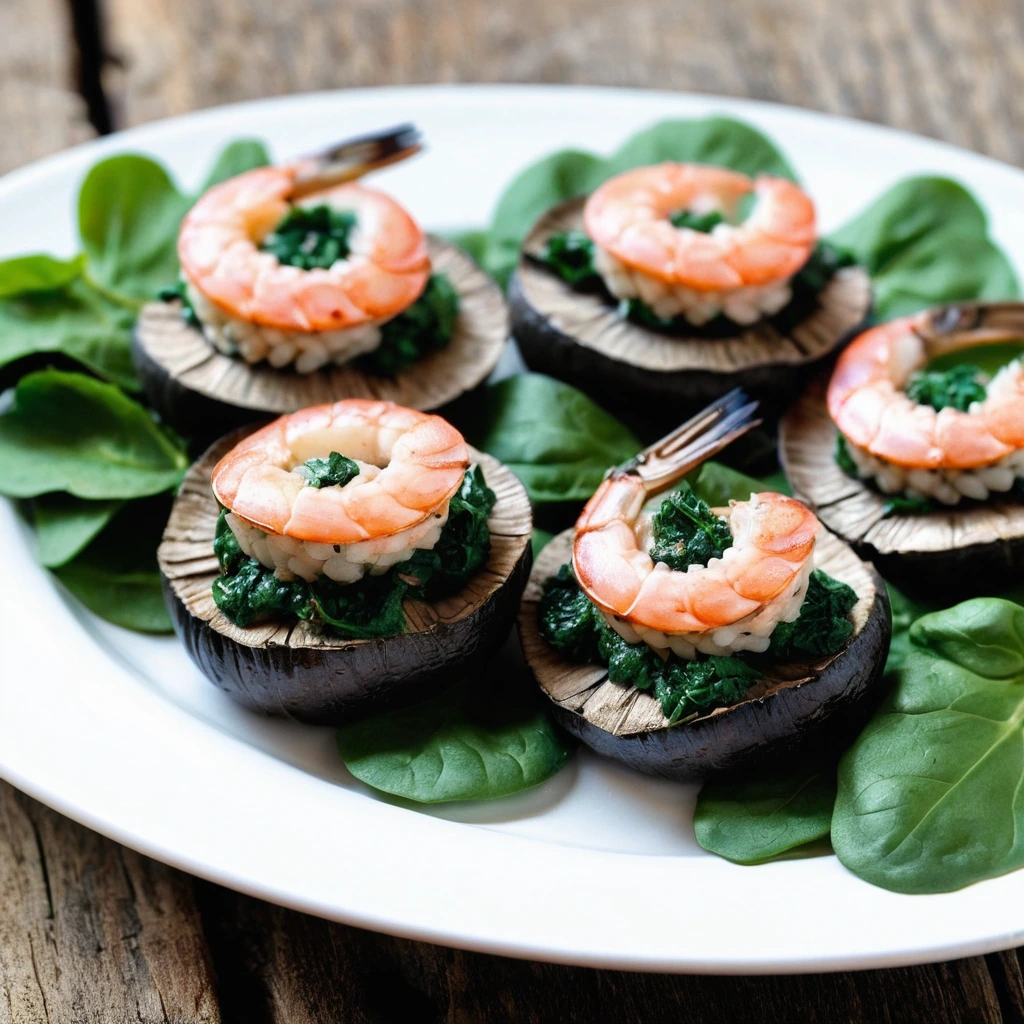
Shrimp and Spinach Stuffed Portobellos
Tender shrimp mingles with sautéed spinach in a savory filling, nestled inside roasted portobello mushrooms for a satisfying vegetarian-friendly main.
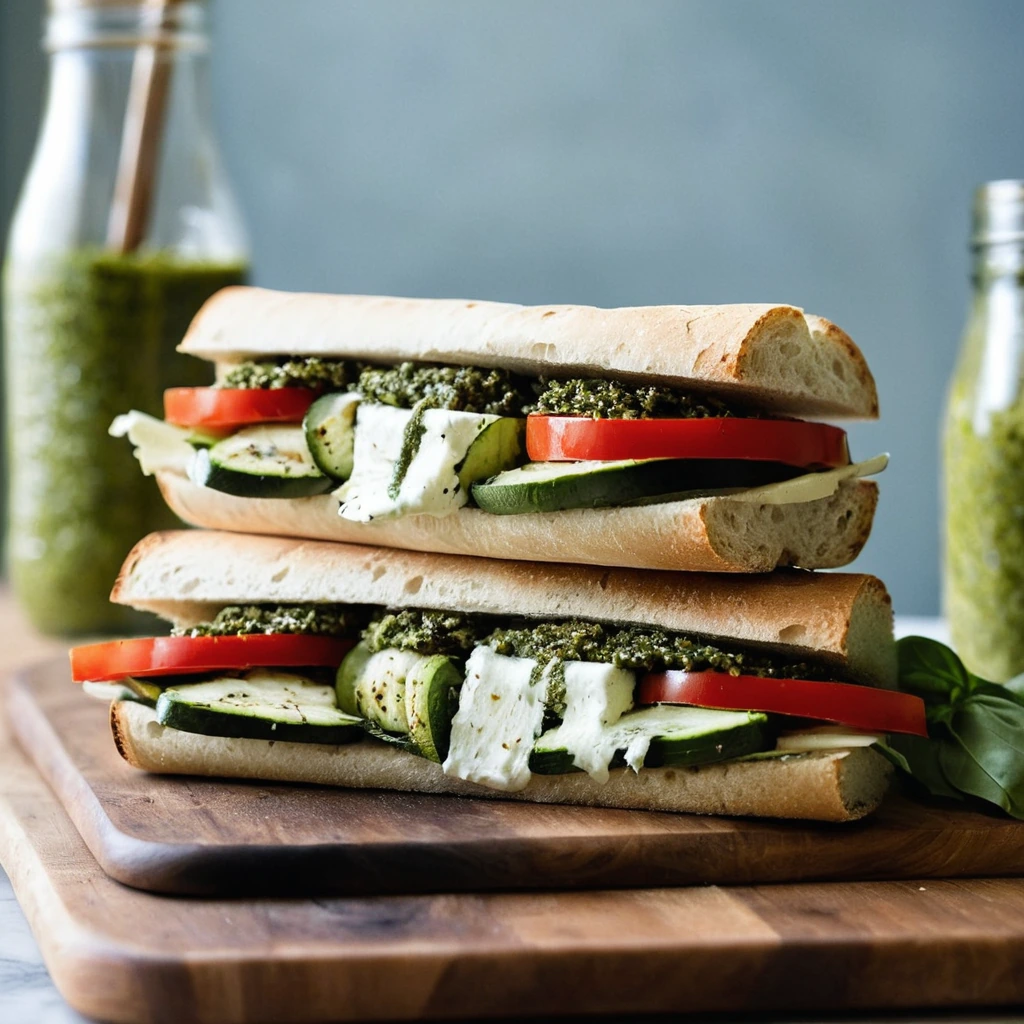
Pesto Roasted Veggie Sandwiches with Mozzarella
Warm, toasty ciabatta cradles a medley of roasted veggies, vibrant pesto, and melty mozzarella for a sandwich that's as hearty as it is fresh.