Baking: Understanding Baker's Percentages
Baker's percentages are a foundational technique in professional baking that allows for precise recipe scaling and consistent results. This method expresses each ingredient's weight as a percentage of the total flour weight, which is always considered 100%. Understanding baker's percentages empowers home bakers to tweak recipes, substitute ingredients, and scale batches with confidence. It simplifies the process of adjusting recipes for different pan sizes or dietary needs. Moreover, it offers insight into the structure and hydration levels of dough, aiding in troubleshooting and recipe development. By using a kitchen scale and basic math, home bakers can achieve professional-level precision in their baking endeavors. This technique is especially useful for breads, pastries, and cakes, where slight variations in ingredient ratios can dramatically affect texture and flavor. Embracing baker's percentages can transform your approach to baking, encouraging creativity and experimentation while maintaining reliability.
Notes
Baker's percentages work because they standardize recipes based on flour weight, allowing for precise adjustments and scalability. The science behind this lies in the proportional relationships between ingredients, which affect gluten development, hydration, and fermentation. A common mistake is forgetting to convert all measurements to weight, so always use a kitchen scale. Safety-wise, ensure your scale is accurate and calibrated. For make-ahead convenience, calculate percentages in advance and store ingredient weights digitally or on paper. Keep in mind that hydration percentages can vary based on flour type, so adjust accordingly for best results.
Steps
- 1 Weigh your flour using a kitchen scale and note its weight in grams.
- 2 Assign the flour a value of 100%.
- 3 Determine the percentage of each remaining ingredient relative to the flour weight.
- 4 Calculate the weight of each ingredient by multiplying its percentage by the flour weight, then dividing by 100.
- 5 Weigh out each ingredient accurately using the calculated weights.
- 6 Mix ingredients according to your recipe’s instructions.
- 7 Pay attention to dough texture and consistency, adjusting hydration if necessary.
- 8 Proceed with proofing, baking, or other steps as per your recipe.
Ingredients to explore

Anaheim Peppers
Anaheim peppers are a mild chili pepper variety named after Anaheim, California, where they were first cultivated commercially. Originating from the New Mexico region, these peppers are celebrated for their versatility and gentle heat. They possess a flavor that is mildly sweet with a subtle tang, and a pleasant vegetal note reminiscent of green bell peppers, but with a hint of spice. Their texture is firm and crisp when fresh, becoming tender and slightly smoky when roasted or cooked. In cooking, Anaheim peppers behave well across a range of techniques, from grilling and roasting to stuffing and sautéing, contributing a nuanced depth without overwhelming other ingredients with heat.
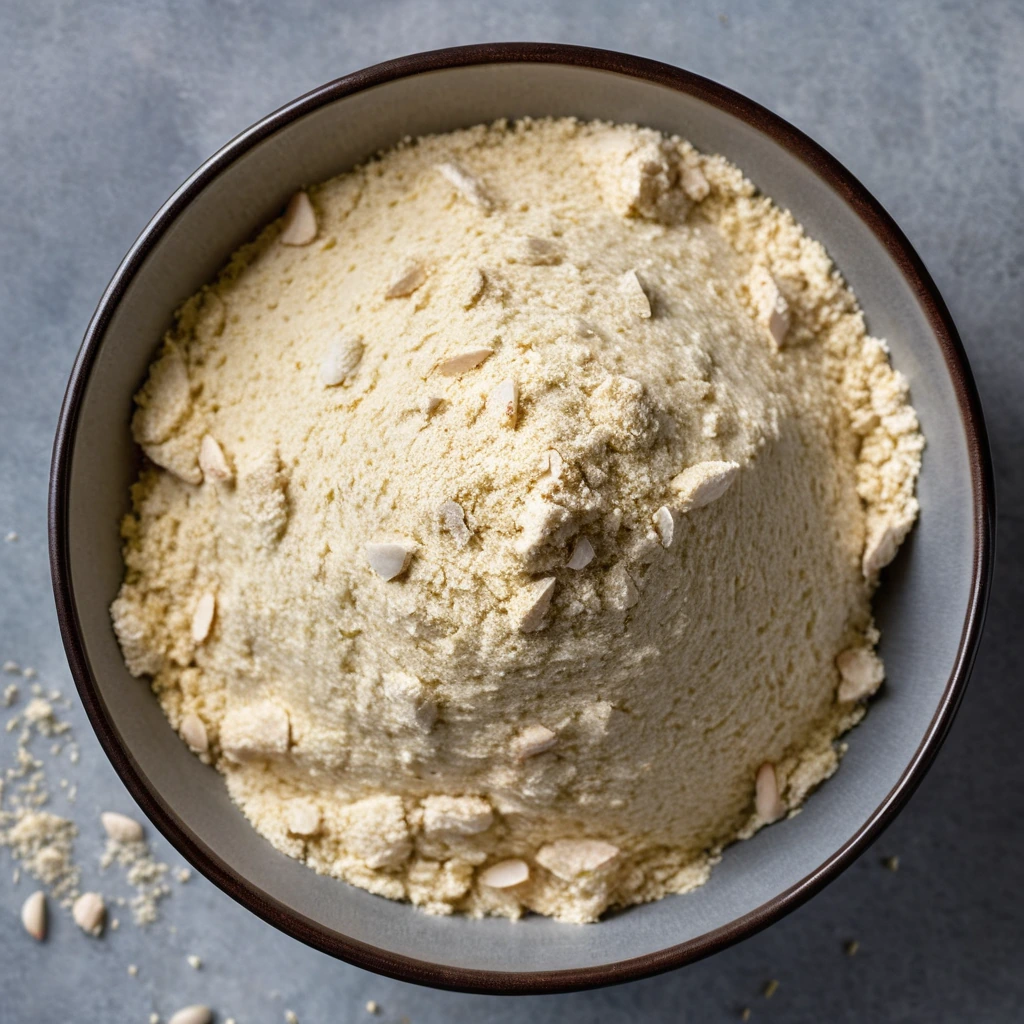
Almond Flour
A finely ground flour made from blanched almonds, offering a delicate nutty aroma and a tender crumb to your baked goods.
Recipes to try
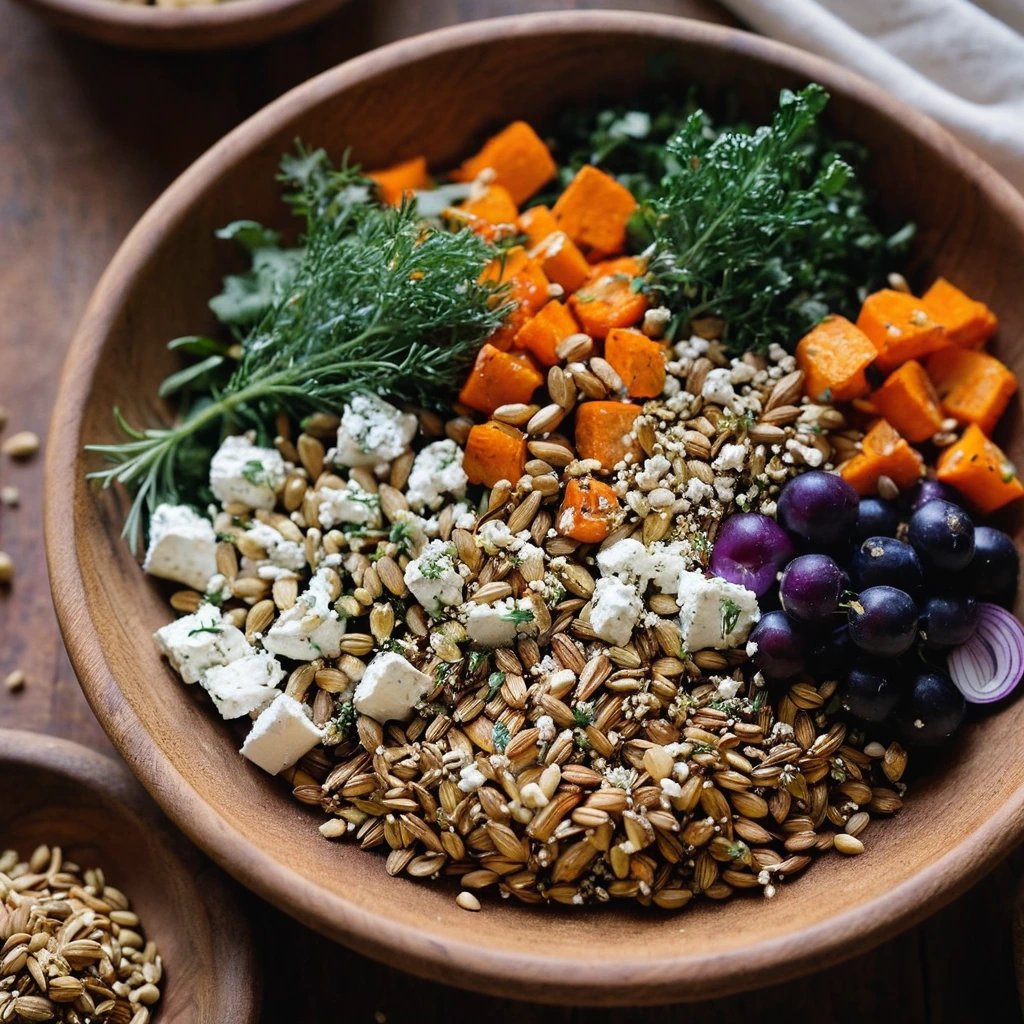
Roasted Vegetable and Goat Cheese Grain Bowls
Warm, roasted veggies mingle with creamy goat cheese over a bed of nutty grains for a comforting yet vibrant meal.
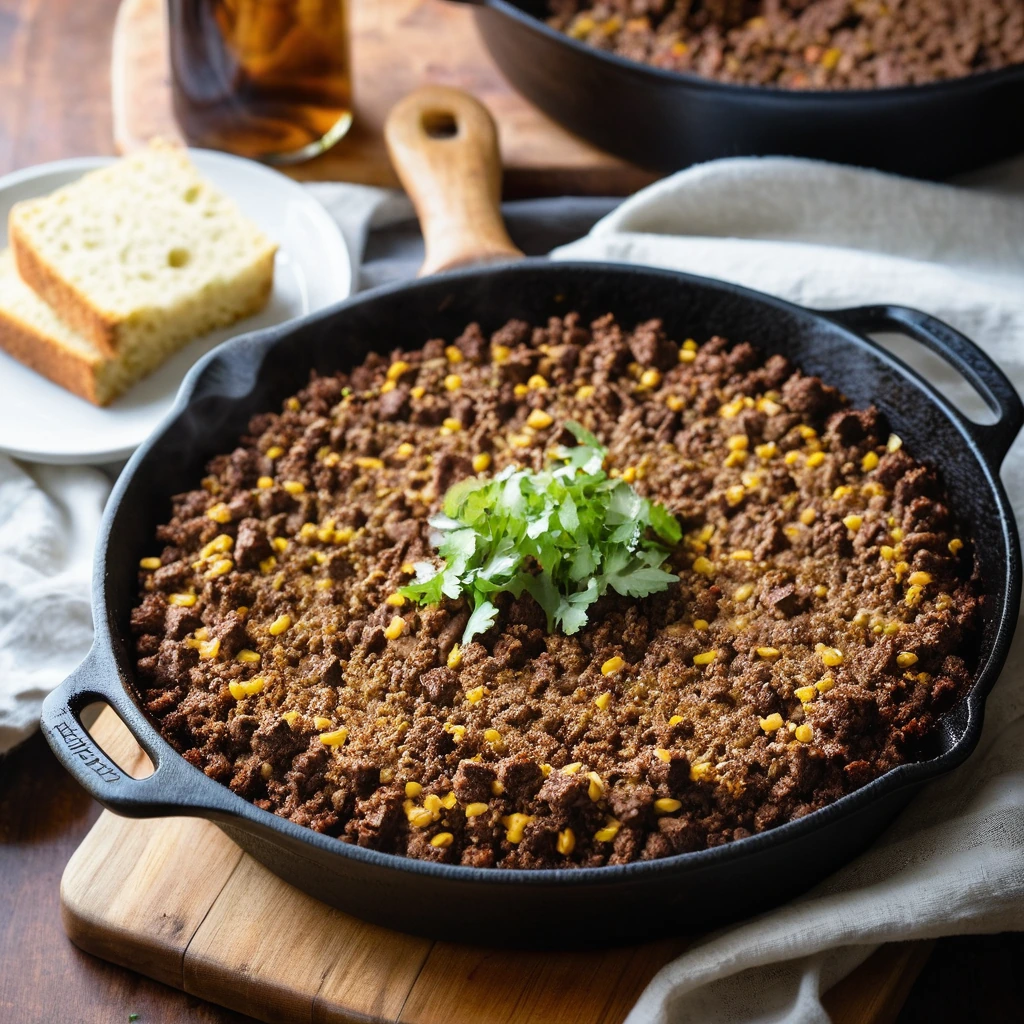
Smoky BBQ Ground Beef and Cornbread Skillet
Imagine the rich smokiness of BBQ sauce mingling with tender ground beef atop golden, crumbly cornbread in a skillet.