Baking: The Rubbing In Method for Scones
The Rubbing In Method is a classic technique used to create the flaky, tender texture of scones. It involves incorporating cold fat into flour until it resembles coarse crumbs, creating pockets of fat that will steam and expand in the oven, resulting in a delightful, buttery texture. This method is all about touch and timing – you want to work quickly to keep the fat cold, which is crucial for achieving those coveted layers. Whether you're making traditional buttermilk scones or experimenting with flavors like lemon and blueberry, mastering this technique will elevate your baking game. We'll walk you through the process step-by-step, ensuring that even novice bakers can achieve professional results. By understanding the science behind the method, you'll learn why each step is important and how to troubleshoot common issues. Ready to bake scones that melt in your mouth? Let's dive into the art of the Rubbing In Method.
Notes
The Rubbing In Method works because the cold butter pieces create steam when they hit the oven's heat, forming layers in the scone. Keeping the butter cold is key, so work quickly and have your ingredients prepped in advance. Common mistakes include overworking the dough, which can lead to tough scones, and not keeping the butter cold enough, which can result in a dense texture. For safety, ensure your oven is preheated properly to avoid any risk of undercooked dough. You can prepare the scone dough ahead of time, cover it, and refrigerate it for up to 2 hours before baking. Store baked scones in an airtight container at room temperature for up to 2 days or freeze for longer storage.
Steps
- 1 Preheat your oven to 400°F.
- 2 In a large bowl, whisk together 2 cups of all-purpose flour, 1/4 cup of granulated sugar, and 1 tablespoon of baking powder.
- 3 Cut 1/2 cup of cold unsalted butter into small cubes.
- 4 Add the butter cubes to the flour mixture.
- 5 Use your fingertips to rub the butter into the flour until the mixture resembles coarse crumbs with pea-sized butter pieces.
- 6 Gently fold in 1/2 cup of cold heavy cream until the dough just comes together.
- 7 Turn the dough out onto a lightly floured surface and gently knead it a few times to form a cohesive mass.
- 8 Pat the dough into a circle about 1 inch thick.
- 9 Cut the circle into wedges or use a biscuit cutter to form rounds.
- 10 Place the scones on a parchment-lined baking sheet, leaving space between them.
- 11 Brush the tops with a little heavy cream and sprinkle with coarse sugar, if desired.
- 12 Bake for 18-20 minutes, or until golden brown.
- 13 Cool on a wire rack before serving.
Ingredients to explore
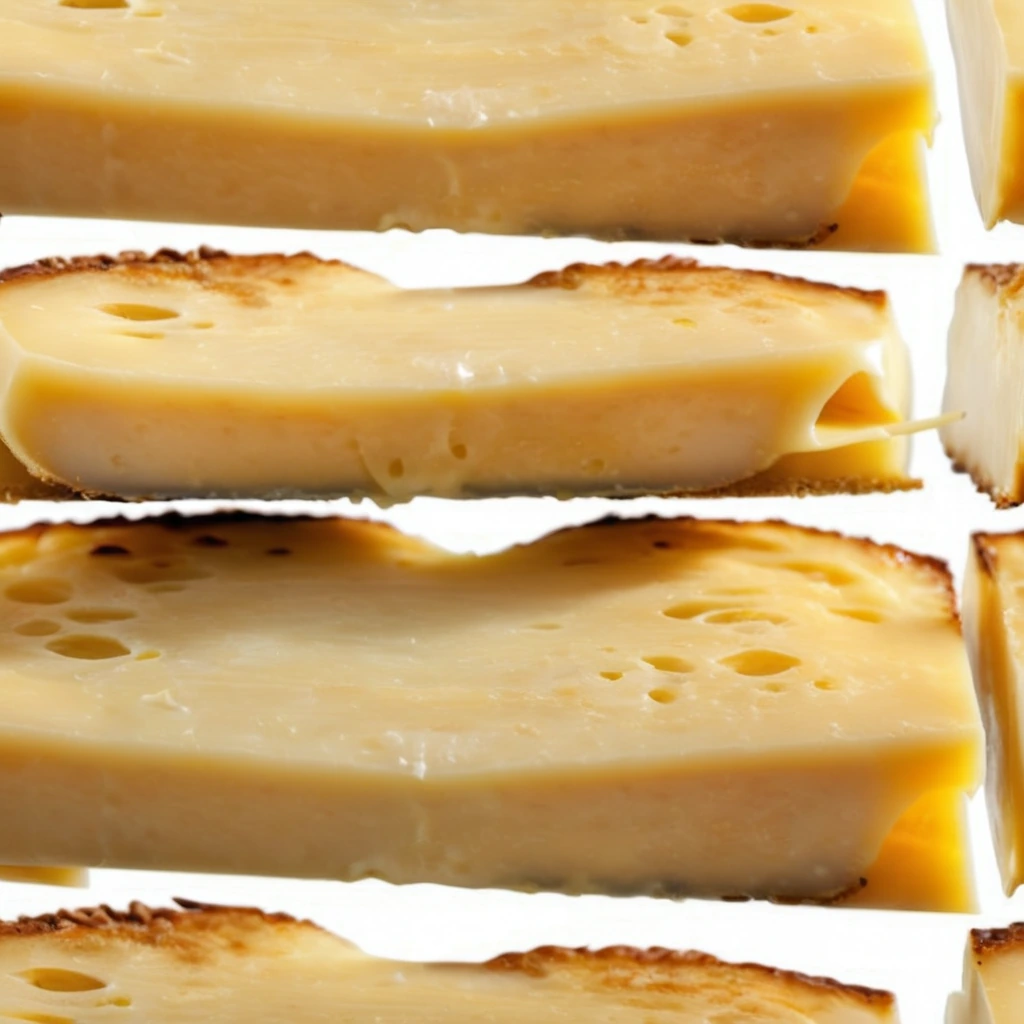
American Cheese Slices
Those iconic, perfectly pliable slices of creamy, mild American cheese. Each slice boasts a smooth, melt-in-your-mouth texture that brings comfort to any dish.

Andouille Sausage
Andouille sausage is a coarse-grained, smoked pork sausage with a rich history rooted in French cuisine, particularly from the Alsace region. It was adapted in Louisiana, where it became a staple in Cajun and Creole cooking. The sausage is known for its robust, smoky flavor with hints of garlic, pepper, and other spices, creating a spicy and savory profile. Its texture is firm yet slightly chewy, making it a hearty addition to dishes. When cooked, andouille sausage maintains its shape well and infuses dishes with its distinctive smoky essence, enhancing stews, soups, and rice dishes.
Recipes to try

Sausage and Feta Stuffed Mini Peppers
These adorable mini peppers are packed with a savory blend of sausage and creamy feta, delivering a burst of flavor in every bite.

Lemon Dill Salmon Cakes with Caper Mayo
Golden, crispy salmon cakes bursting with fresh dill and zesty lemon, served with a tangy caper mayo that'll have you hooked.