Baking Technique: Using Room-Temperature Eggs for Better Batters
Using room-temperature eggs in your baking can significantly enhance the texture and structure of your batters. When eggs are cold, they can cause butter to solidify upon contact, leading to an uneven emulsion and potentially a denser final product. Room-temperature eggs blend more seamlessly with other ingredients, creating a smoother, more homogeneous batter. This is particularly crucial in recipes that rely on air incorporation, such as cakes and meringues. As eggs warm up, their proteins unwind and can hold more air, which translates to lighter, fluffier baked goods. The even distribution of heat also ensures that leavening agents like baking powder activate uniformly, preventing tunnels or dips in your cakes. Beyond texture, room-temperature eggs can affect the overall volume of your batter, helping it rise more effectively during baking. Understanding the science behind this simple step can elevate your baking from good to great. Let's dive into how to properly use room-temperature eggs and why it makes such a difference.
Notes
The science behind using room-temperature eggs lies in their ability to incorporate air more efficiently, which is crucial for creating light and airy batters. Cold eggs can solidify butter and other fats, leading to an uneven mixture. If your eggs are still cold when you're ready to bake, you can use the warm water method mentioned earlier. However, be cautious not to use hot water, as it can begin to cook the eggs. Room-temperature eggs also ensure even heat distribution when combined with other ingredients, preventing issues like lopsided rising. For storage, eggs can be left at room temperature for about 2 hours safely. For longer periods, refrigeration is essential to maintain freshness and prevent bacterial growth.
Steps
- 1 Take eggs out of the refrigerator at least 30 minutes before you plan to use them.
- 2 Place the eggs in a bowl of warm water (not hot) for 5-10 minutes to speed up the warming process if you're short on time.
- 3 Check the temperature of the eggs by feeling them gently; they should feel warm to the touch, not cold.
- 4 Crack each egg into a small bowl to check for shell fragments before adding them to your batter.
- 5 Whisk the eggs gently before incorporating them into your recipe to ensure even consistency.
- 6 Add the eggs to your batter one at a time, mixing thoroughly after each addition.
- 7 Use a rubber spatula to scrape the sides and bottom of the bowl to ensure even mixing.
- 8 Avoid overmixing the batter after adding the eggs to prevent deflating the air bubbles.
- 9 Proceed with the rest of your recipe as instructed, confident that your batter is primed for success.
Ingredients to explore
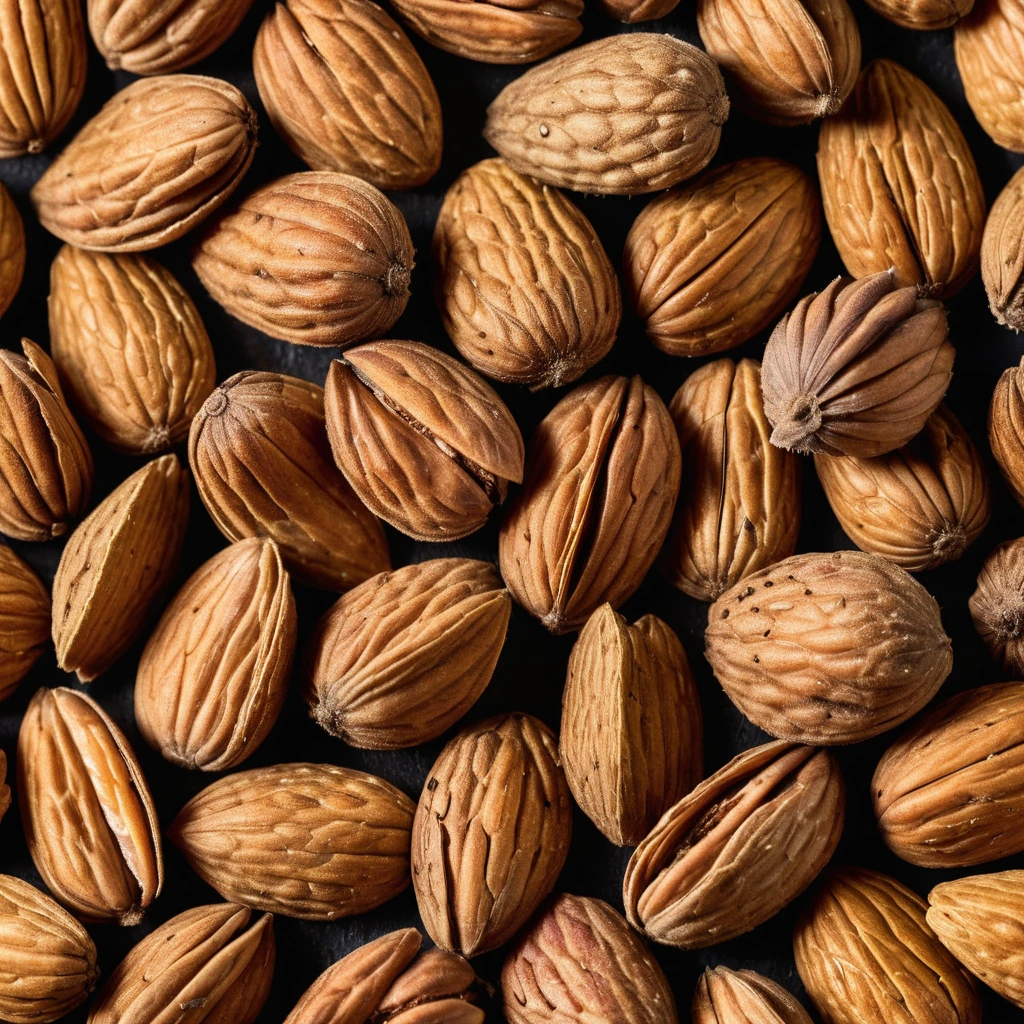
Almonds
With their golden-brown hue and delicate, edible skin, almonds are a crunchy delight. These versatile nuts boast a rich, buttery flavor that adds depth to both sweet and savory dishes.

Acorn Squash
Acorn squash is a winter squash variety known for its distinctive teardrop shape and deep ridges resembling the texture of an acorn shell. Originating in the Americas, it has been cultivated for centuries and is a staple in autumn cuisine. The flesh is sweet and nutty with a hint of earthiness, offering a delightful contrast to savory dishes. Its texture is dense yet tender when cooked, making it ideal for roasting or pureeing. In cooking, acorn squash holds its shape well and absorbs flavors from herbs and spices, enhancing both its taste and versatility in recipes.
Recipes to try
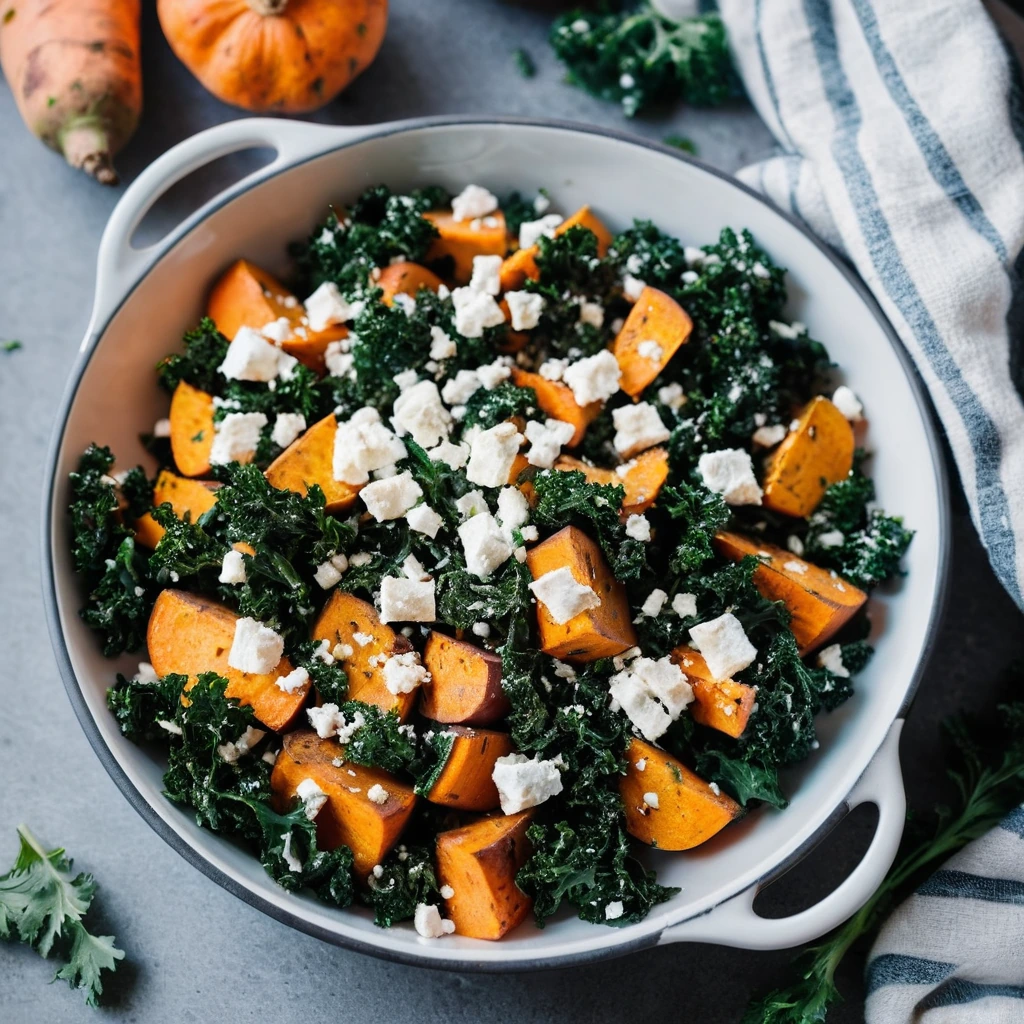
Sweet Potato and Kale Skillet with Feta
Golden roasted sweet potatoes and tender kale come together in a skillet, kissed by tangy feta and a whisper of garlic.

Tomato Basil Chicken and Rice Skillet
Golden chicken and fluffy rice simmered in a vibrant tomato-basil sauce, bursting with fresh garden flavors.