Baking Technique: Using Parchment to Prevent Sticking
Unlock the secret to effortless baking with parchment paper. This unassuming kitchen staple is a game-changer, ensuring your culinary creations slide out of pans with ease. Parchment paper is treated with silicone to resist sticking, making it perfect for everything from cookies to roasted vegetables. It’s also heat-resistant up to 420°F, so you don’t have to worry about it catching fire in your oven. Beyond preventing sticking, parchment also helps in even baking and clean-up. Its non-stick surface ensures that delicate items like macarons won’t adhere to your baking sheet, while its moisture-resistant properties keep things like pastries from becoming soggy. Whether you’re a seasoned baker or just starting out, mastering the use of parchment paper can elevate your baking game. Learn how to properly cut, place, and use parchment paper for optimal results, and discover why it’s a must-have in your baking arsenal. We’ll dive into the science behind its non-stick properties, troubleshoot common issues like tearing or curling, and provide tips for storing and reusing parchment safely.
Notes
The silicone coating on parchment paper is what gives it its non-stick qualities, allowing air to circulate around your food for even baking. If your parchment curls up during baking, try weighing it down with a light sprinkle of flour or sugar before adding your ingredients. Never use parchment paper in a microwave or at temperatures above 420°F, as it can ignite. For storage, keep parchment paper flat in a cool, dry place, and consider cutting it into sizes you frequently use. While parchment can sometimes be reused, ensure it’s clean and undamaged to maintain its non-stick properties.
Steps
- 1 Preheat your oven to the required temperature.
- 2 Select a baking sheet that fits your oven rack.
- 3 Cut parchment paper to fit the dimensions of your baking sheet.
- 4 Place the parchment paper on the baking sheet, ensuring it lies flat.
- 5 Trim any excess parchment paper hanging over the edges.
- 6 Arrange your dough, batter, or food items on the parchment.
- 7 Bake according to your recipe’s instructions.
- 8 Once done, remove the baking sheet from the oven using oven mitts.
- 9 Allow the baked goods to cool slightly on the parchment.
- 10 Gently lift the parchment paper from the baking sheet.
- 11 Transfer the parchment with baked goods to a cooling rack.
- 12 Peel the parchment away from the baked goods.
- 13 Discard the used parchment paper if it’s dirty or damaged.
Ingredients to explore
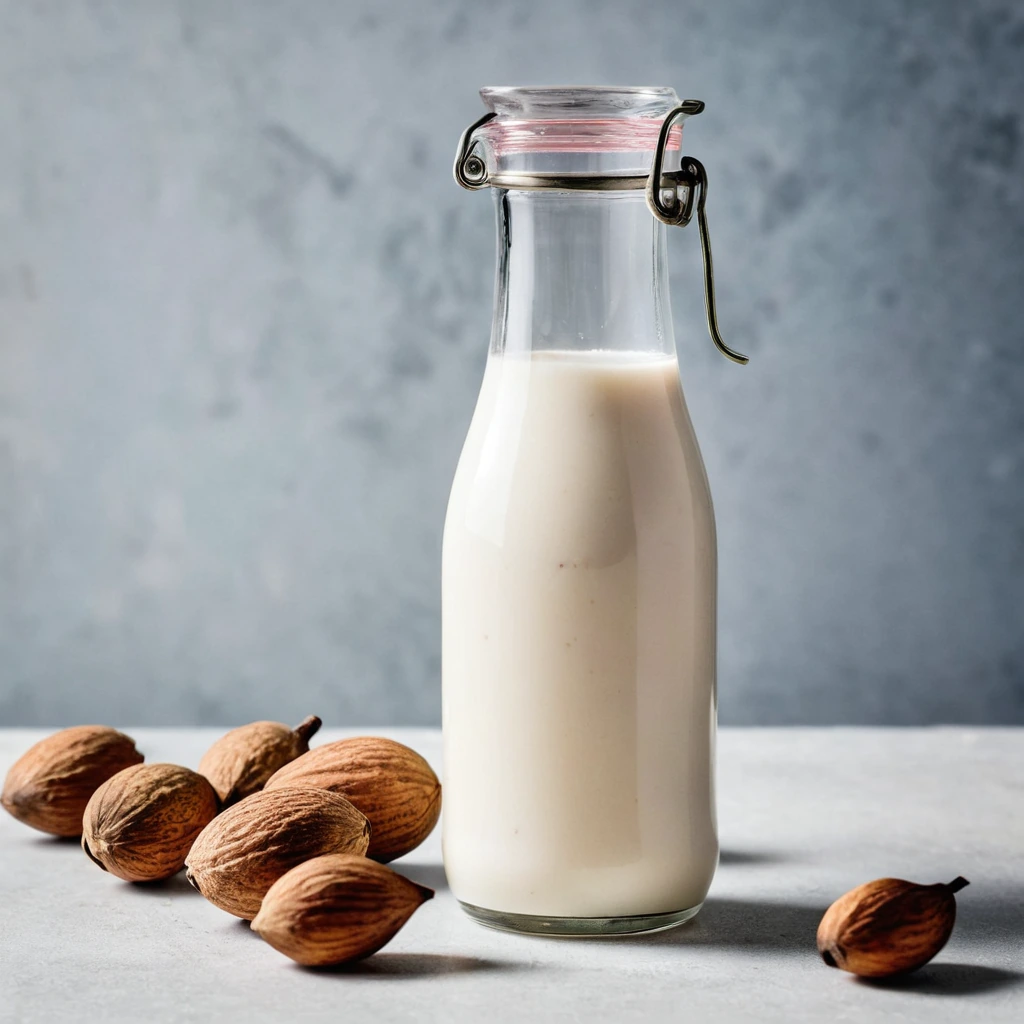
Almond Milk
Almond milk is a plant-based milk alternative made from ground almonds and water. Originating from traditional recipes in medieval Europe and the Middle East, it has gained widespread popularity in modern times as a dairy-free option. Almond milk has a subtly nutty flavor with a mild sweetness, and its aroma is reminiscent of fresh almonds. Its texture is smooth and creamy, though typically lighter than dairy milk. In cooking, almond milk behaves well in both savory and sweet applications, though it does not brown or caramelize like dairy milk. It is often used in cereals, smoothies, and baking, where its delicate flavor complements rather than overpowers other ingredients.
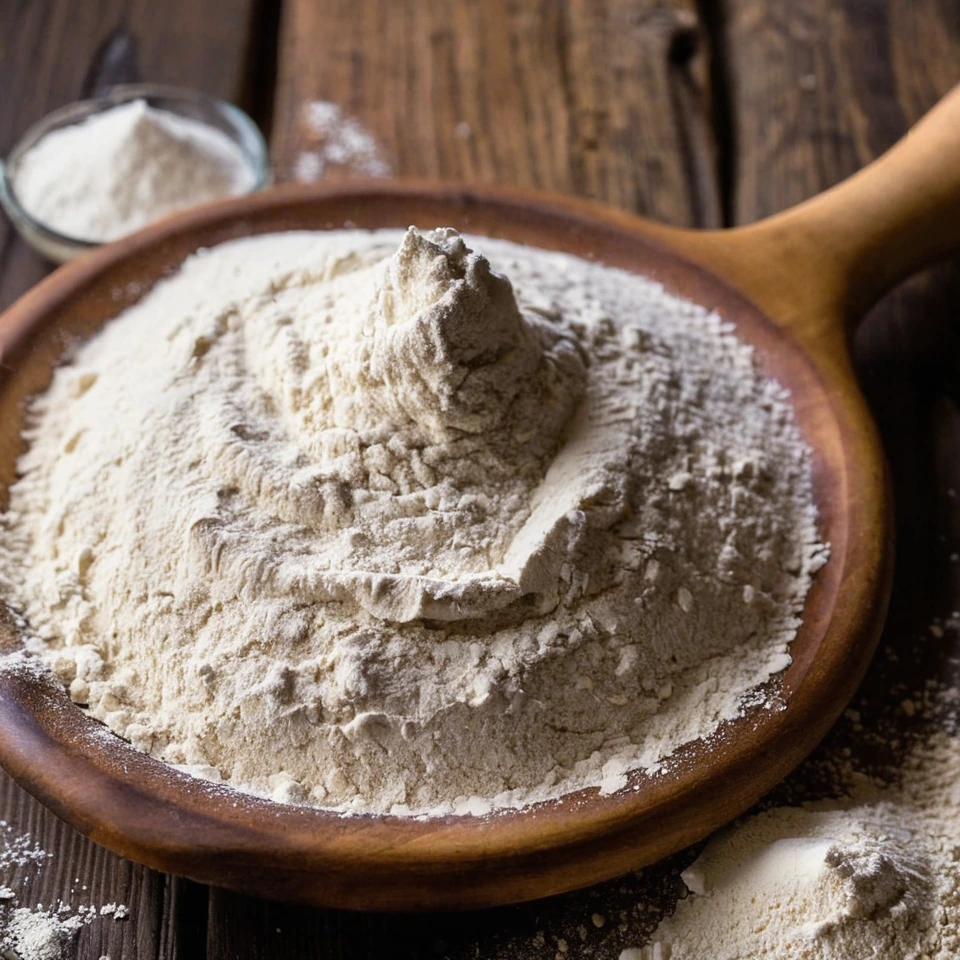
All-Purpose Flour
All-purpose flour is a versatile wheat flour that contains a moderate level of protein and gluten, making it suitable for a wide range of baking and cooking needs.
Recipes to try
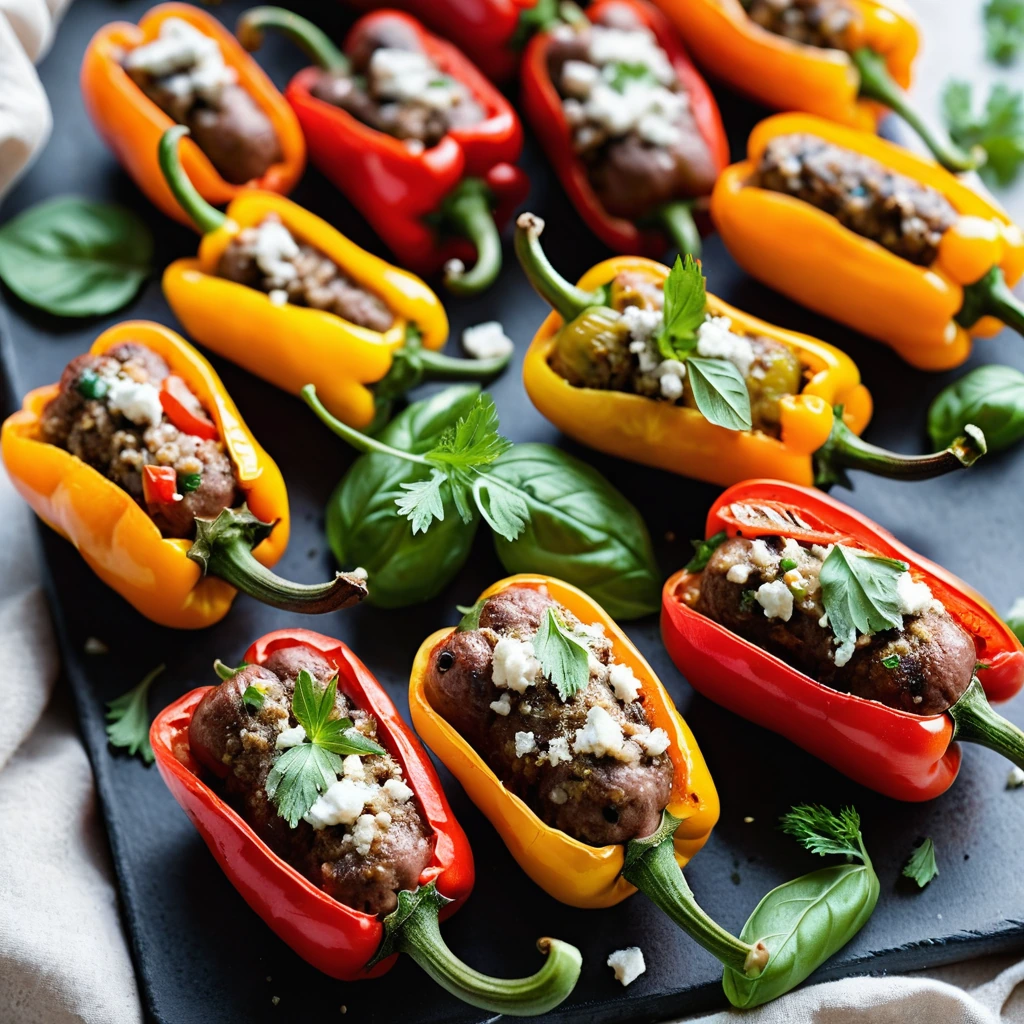
Sausage and Feta Stuffed Mini Peppers
These adorable mini peppers are packed with a savory blend of sausage and creamy feta, delivering a burst of flavor in every bite.
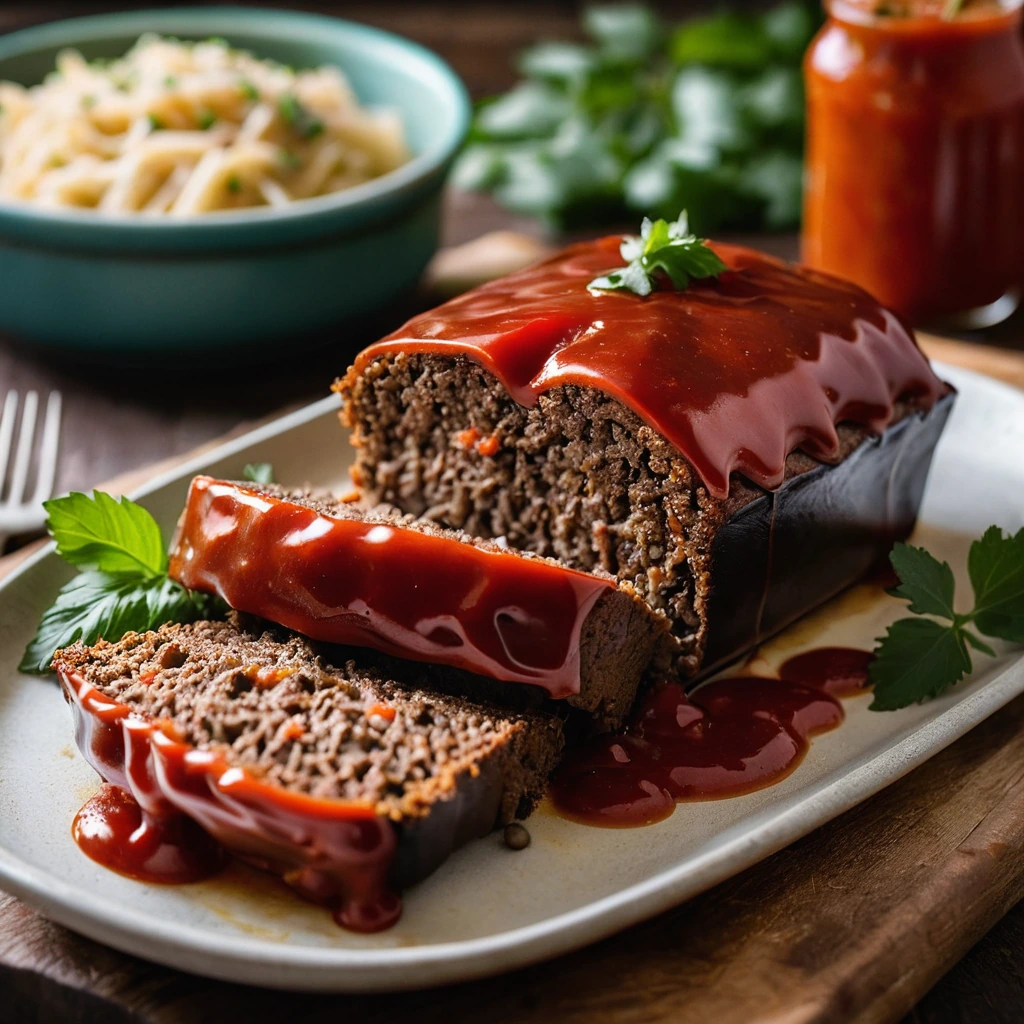
Pepper Jack Stuffed Meatloaf with Salsa Glaze
A savory meatloaf stuffed with gooey pepper jack cheese and topped with a tangy, zesty salsa glaze that'll have your taste buds doing a happy dance.