Baking Technique: Using Egg Whites for Light, Airy Sponges
Creating light, airy sponges is an art that hinges on mastering the use of egg whites. These frothy wonders, when beaten just right, can transform a simple batter into a delicate, cloud-like structure. The key lies in understanding the science of egg whites: primarily composed of water and proteins, they whip up into a foam due to the proteins unfolding and forming a network that traps air. Achieving the perfect meringue requires precision, patience, and attention to detail. Room temperature egg whites beat up more easily and stabilize better than cold ones. It's crucial to ensure that your mixing bowl and beaters are spotlessly clean and free from any fat or grease, as even a trace can inhibit the whites from reaching their full volume. The gradual addition of cream of tartar or a touch of lemon juice can help stabilize the proteins, while sugar is added slowly to further stabilize the foam and add structure. This technique is not just about fluffing up egg whites; it's about creating a matrix that holds air and bakes into a tender, airy sponge perfect for everything from soufflés to angel food cakes. Understanding when to stop beating is vital—overbeaten whites can deflate, while underbeaten ones won't provide enough lift. Finally, folding these beaten whites into your batter gently ensures that the air pockets remain intact, yielding a sponge that's both light and sturdy.
Notes
The science behind egg whites is fascinating. When beaten, the proteins in egg whites uncurl and link together, forming a web that traps air bubbles. This is what gives your sponge its lift. Troubleshooting common mistakes: if your meringue is grainy, you added sugar too quickly; if it collapses, you might have overbeaten it or introduced fat. Safety-wise, ensure your eggs are fresh to avoid any risk of salmonella. For make-ahead preparation, you can whip egg whites and store them in the fridge for up to a day, covered tightly. When storing baked goods made with meringue, keep them in an airtight container to maintain freshness.
Steps
- 1 Separate eggs carefully, ensuring no yolk contaminates the whites.
- 2 Let egg whites sit at room temperature for 30 minutes.
- 3 Clean your mixing bowl and beaters thoroughly to remove any grease.
- 4 Add egg whites to the chilled, dry mixing bowl.
- 5 Begin beating the egg whites on medium speed until foamy.
- 6 Add a pinch of cream of tartar or a few drops of lemon juice.
- 7 Gradually increase speed to high and beat until soft peaks form.
- 8 Slowly add granulated sugar, one tablespoon at a time, beating continuously.
- 9 Continue beating until stiff, glossy peaks form.
- 10 Gently fold the meringue into your prepared cake batter.
- 11 Pour the batter into a prepared pan, smoothing the top.
- 12 Bake in a preheated oven at 350°F until golden and set.
- 13 Cool the cake completely in the pan on a wire rack before serving.
- 14 For best texture, avoid opening the oven door during baking.
Ingredients to explore
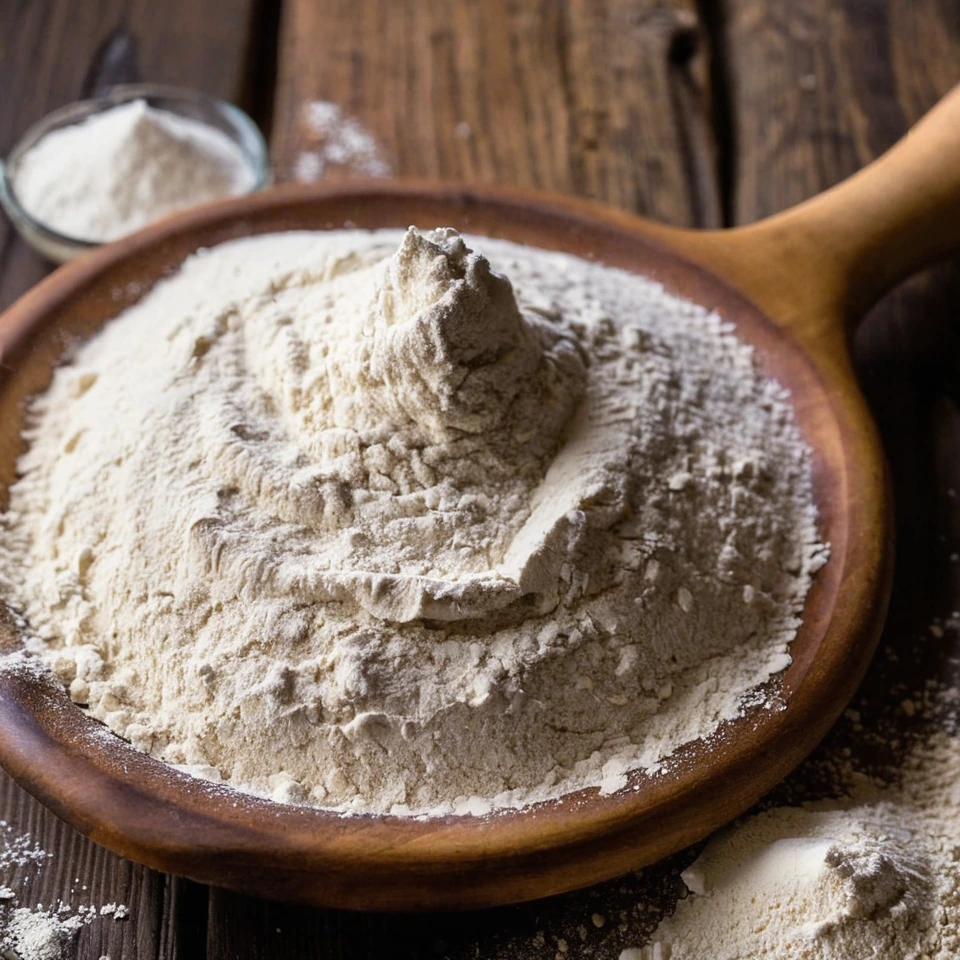
All-Purpose Flour
All-purpose flour is a versatile wheat flour that contains a moderate level of protein and gluten, making it suitable for a wide range of baking and cooking needs.
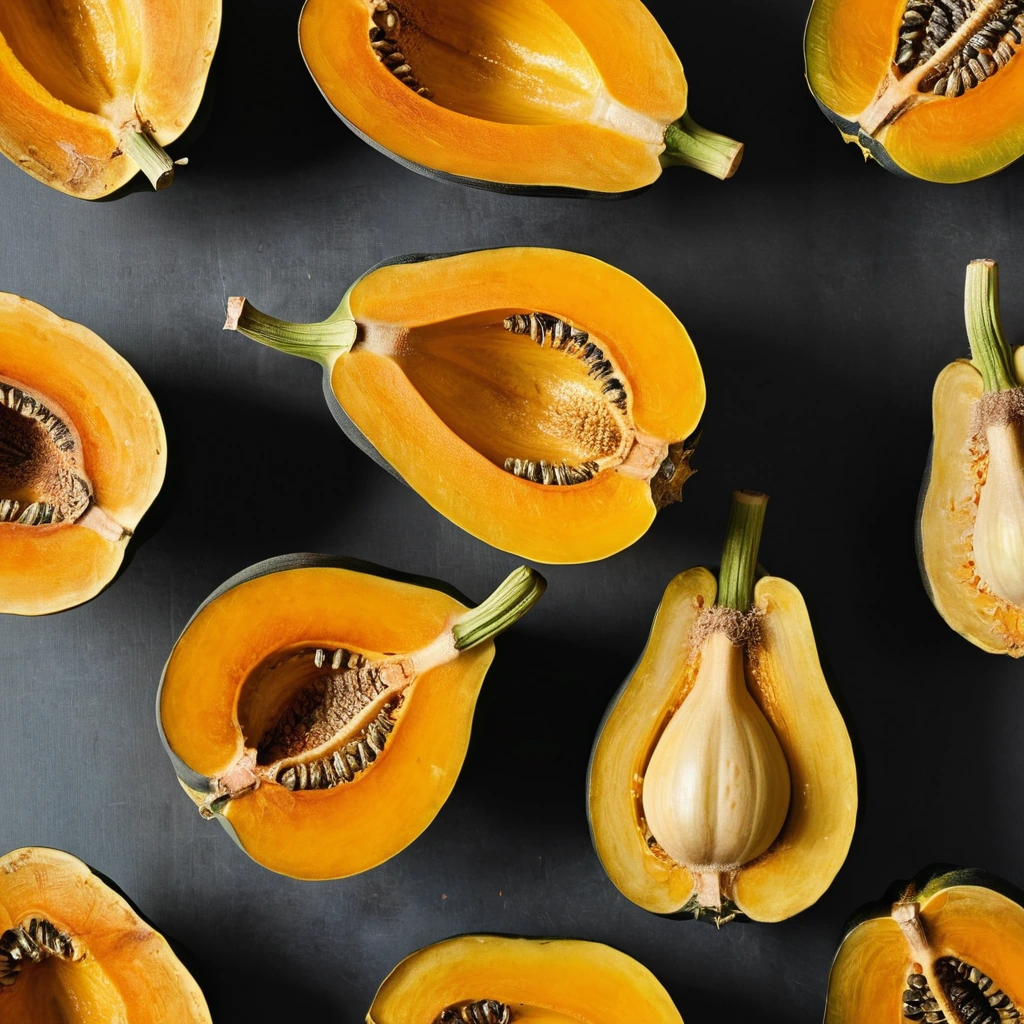
Acorn Squash
Acorn squash is a winter squash variety known for its distinctive teardrop shape and deep ridges resembling the texture of an acorn shell. Originating in the Americas, it has been cultivated for centuries and is a staple in autumn cuisine. The flesh is sweet and nutty with a hint of earthiness, offering a delightful contrast to savory dishes. Its texture is dense yet tender when cooked, making it ideal for roasting or pureeing. In cooking, acorn squash holds its shape well and absorbs flavors from herbs and spices, enhancing both its taste and versatility in recipes.
Recipes to try
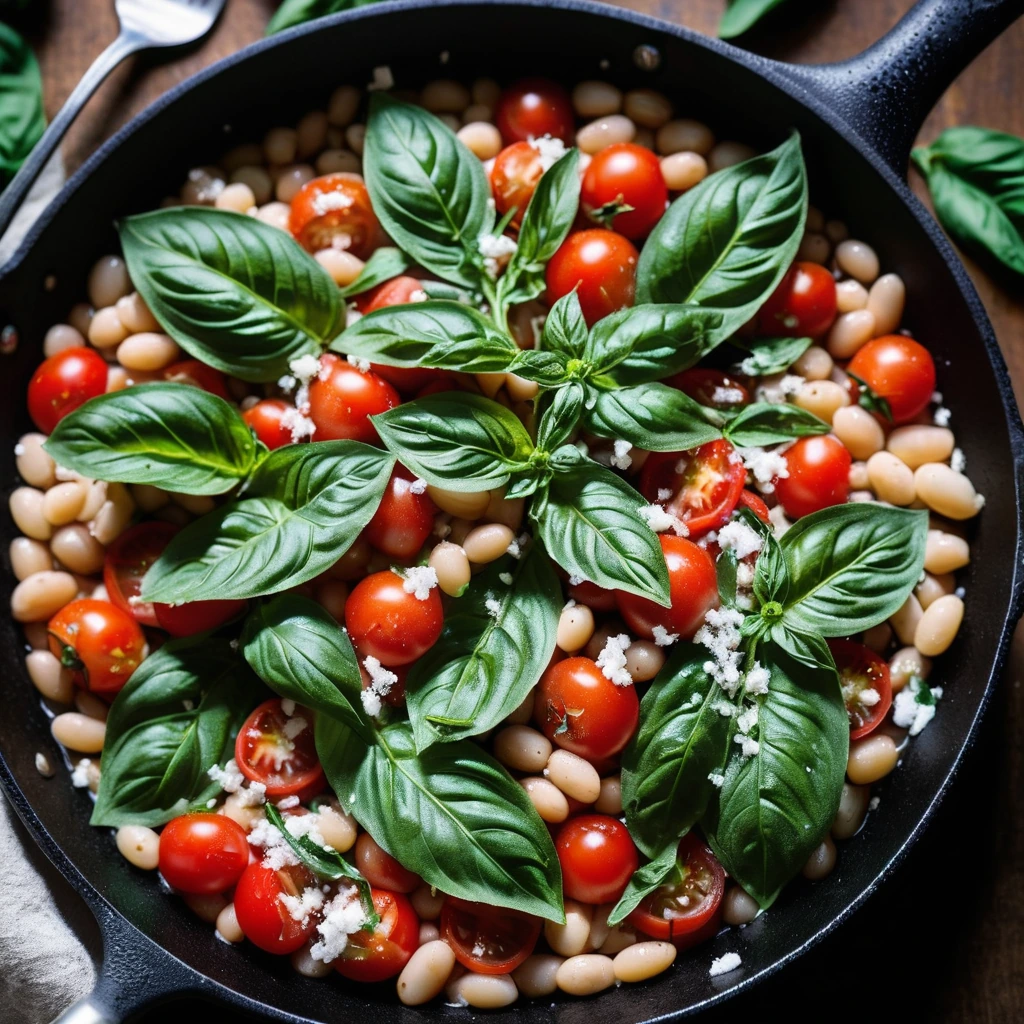
Tomato Basil White Bean Skillet with Parmesan
A comforting skillet packed with creamy white beans, ripe tomatoes, and fragrant basil, all topped with a generous sprinkle of Parmesan.
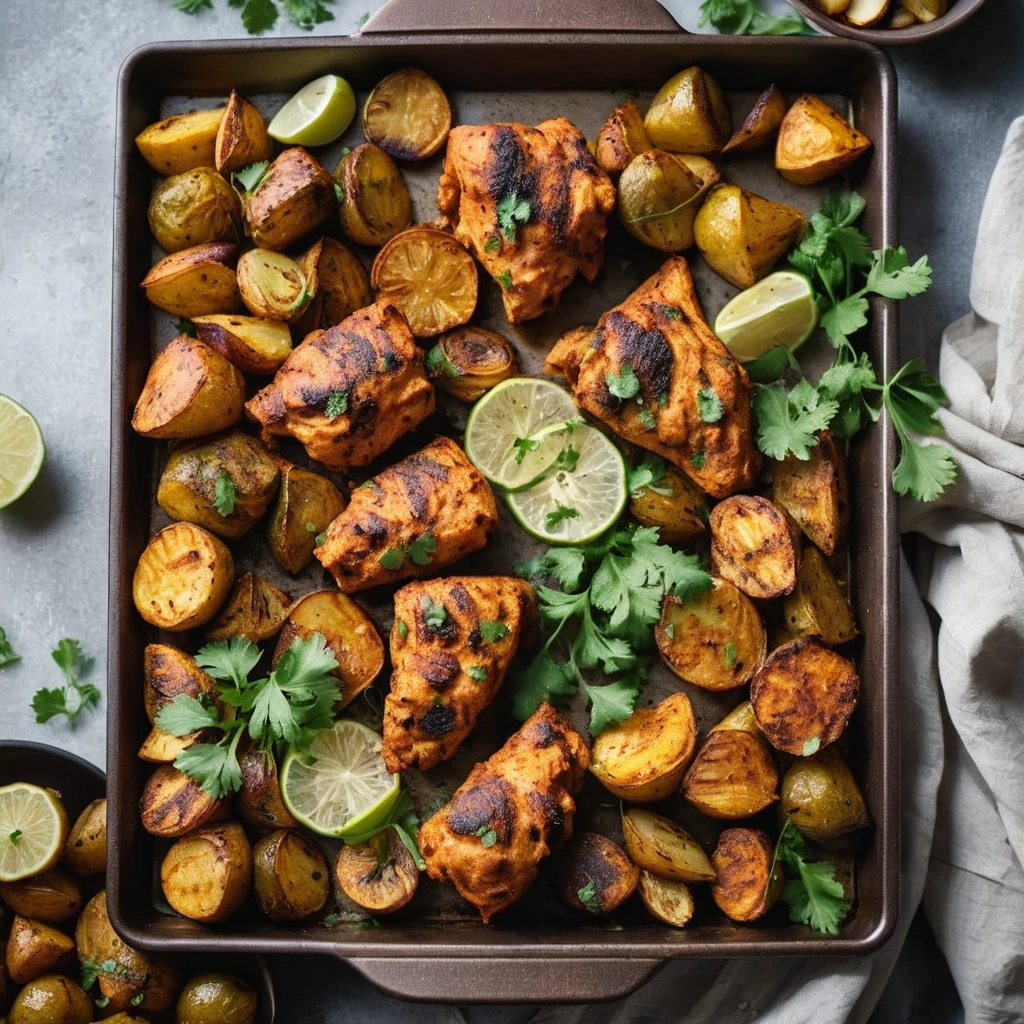
Sheet Pan Chicken Tikka with Garlic Potatoes
Juicy chicken and golden potatoes roasted to perfection on one sheet pan, infused with smoky tikka spices and garlicky goodness.