Baking Technique: Using Cornmeal or Semolina Under Pizza Dough
Creating the perfect pizza at home requires more than just great dough and toppings; it's about mastering the details. One such detail is using cornmeal or semolina under your pizza dough before baking. This technique prevents your pizza from sticking to the baking surface while adding a delightful texture and flavor. Cornmeal, with its slightly sweet and nutty taste, imparts a rustic charm to your crust, whereas semolina offers a coarser texture that grips the oven surface for a crispier finish. Both are pantry staples that can elevate your homemade pizzas to restaurant-quality levels. This technique is not only practical but also enhances the overall dining experience. To start, understanding the properties of cornmeal and semolina is key. Cornmeal is ground dried corn, offering a mild flavor and fine to medium texture. Semolina, made from durum wheat, is coarser and nuttier. The choice between them depends on your desired crust texture and flavor profile. When sprinkled correctly, these grains create a barrier between the dough and the baking surface, allowing for even heat distribution and a crispier crust. Additionally, they add visual appeal with their golden hue. Achieving the perfect balance is crucial; too little may result in sticking, while too much can lead to an overly grainy crust. Let's dive into the steps to ensure your pizza crust benefits from this time-tested technique. Remember, practice makes perfect, and soon you'll be flipping pizzas like a pro!
Notes
The science behind using cornmeal or semolina is straightforward: they absorb moisture, preventing the dough from sticking while also caramelizing in the oven's heat to create a flavorful crust. When troubleshooting, ensure your layer of cornmeal or semolina is even but not too thick. If you find your pizza sticking, it may be due to insufficient preheating of your baking surface or too little cornmeal/semolina. Safety is paramount, especially when handling a hot pizza peel or oven; always use oven mitts. For make-ahead convenience, prepare your dough in advance and store it in the refrigerator for up to 24 hours. Leftovers can be stored in an airtight container for up to 2 days.
Steps
- 1 Preheat your oven to 500°F.
- 2 Prepare your pizza dough according to your recipe.
- 3 Lightly flour your work surface with either cornmeal or semolina.
- 4 Gently stretch or roll out your dough to your desired thickness.
- 5 Transfer the dough to a preheated pizza peel or baking sheet.
- 6 Sprinkle a thin, even layer of cornmeal or semolina under the dough.
- 7 Add your sauce, cheese, and toppings.
- 8 Carefully slide the pizza onto a preheated pizza stone or directly into the oven.
- 9 Bake for 10-15 minutes, or until the crust is golden and the cheese is bubbly.
- 10 Remove the pizza from the oven using a peel or oven mitts.
- 11 Allow the pizza to cool slightly before slicing and serving.
Ingredients to explore
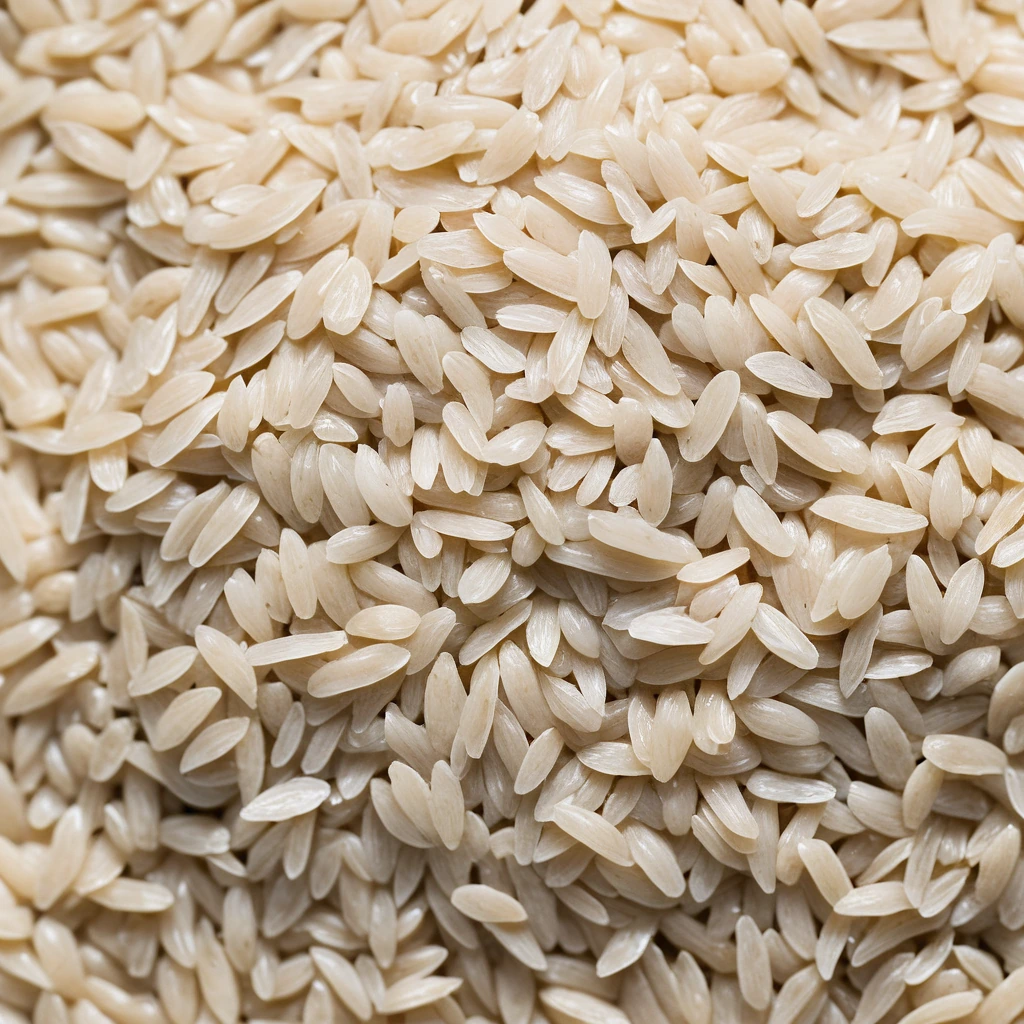
Arborio Rice
Arborio rice is a short-grain Italian rice variety renowned for its use in risotto. Originating from the Po Valley in Northern Italy, it is a staple in Italian cuisine. Its flavor is mild and nutty, with a pleasant creamy texture when cooked due to its high amylopectin content, which releases starch and creates a velvety consistency. The grains remain plump and firm to the bite, offering a satisfying chewiness. In cooking, Arborio rice excels at absorbing flavors from broths and seasonings while maintaining its shape, making it ideal for dishes that require both creaminess and structure.
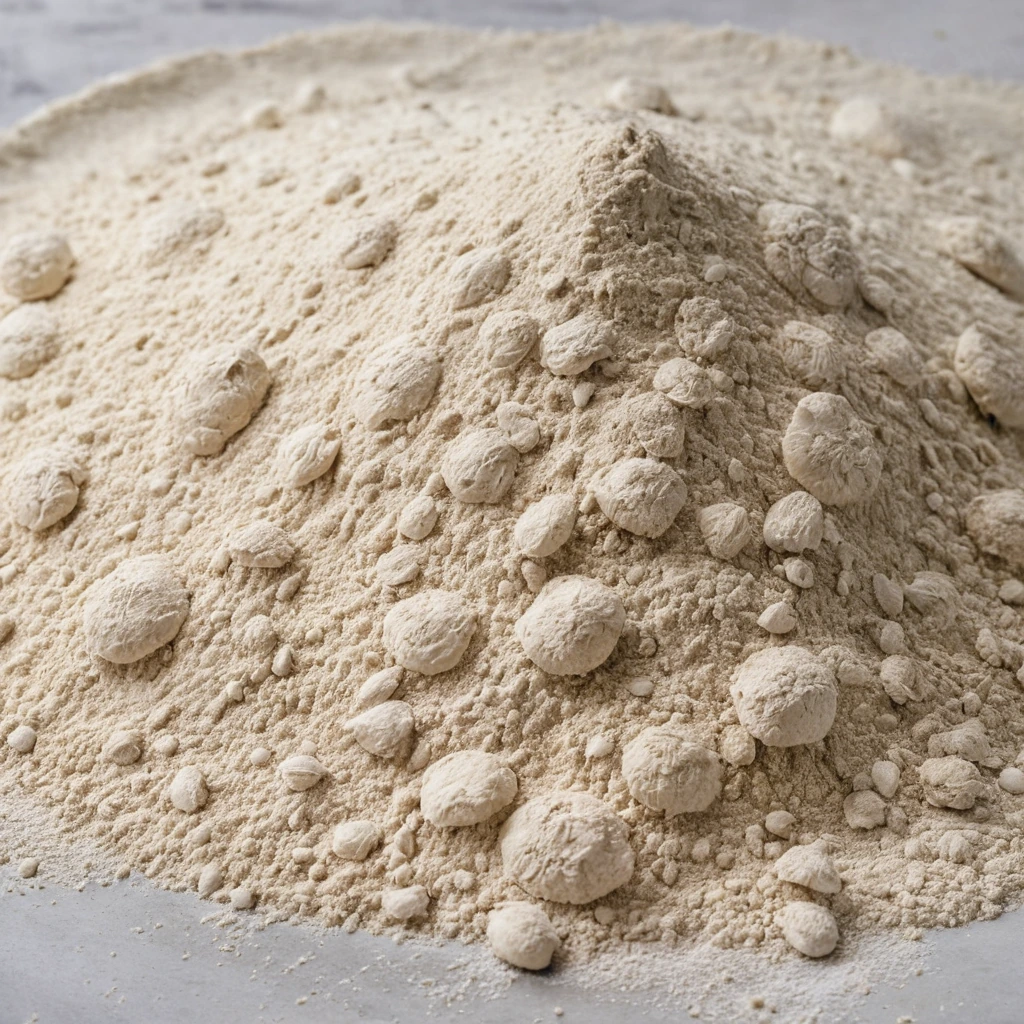
00 Pizza Flour
00 pizza flour is a finely milled Italian flour prized for its versatility in creating authentic Neapolitan-style pizza crusts. Originating from Italy, it is milled to a very fine consistency, which is reflected in its name, 'doppio zero,' indicating its fine grind. This flour has a balanced flavor profile, offering a mild, slightly sweet taste with a subtle nuttiness. Its texture is silky and smooth, contributing to a tender yet chewy crust when used in pizza making. In cooking, 00 pizza flour is known for its ability to hydrate quickly and develop a desirable gluten structure, resulting in a light and airy crust that can withstand high-heat cooking without becoming overly crispy or hard.
Recipes to try
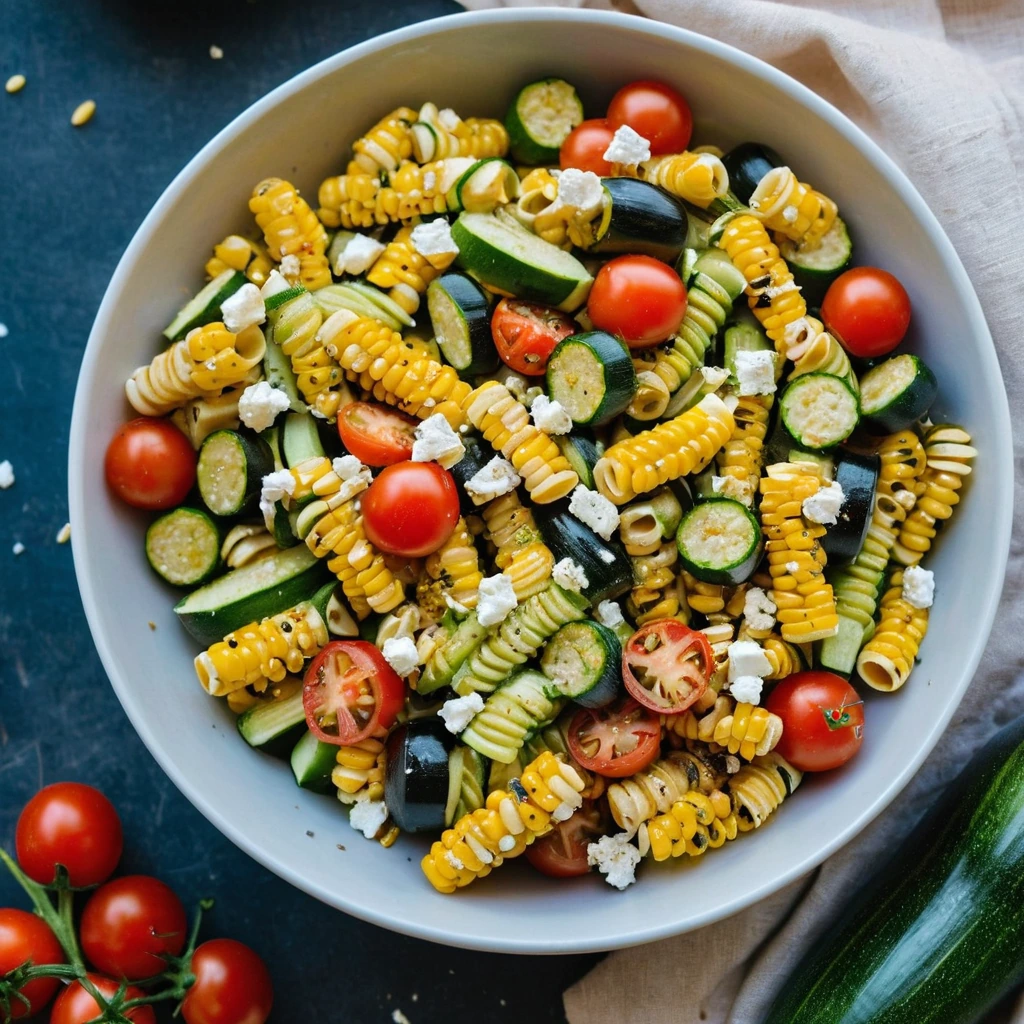
Roasted Zucchini, Corn, and Tomato Pasta Salad
This vibrant pasta salad is bursting with smoky roasted veggies and tangy feta, making every bite a taste of summer.
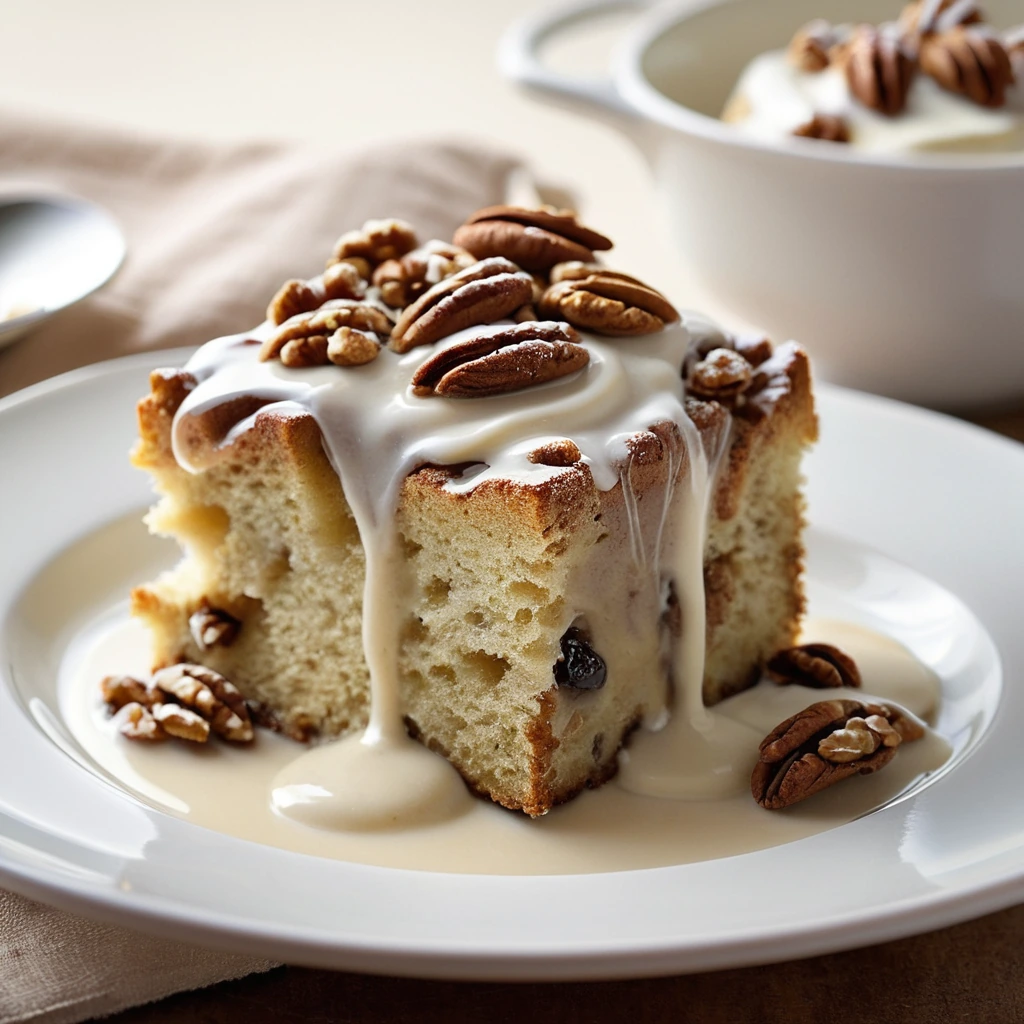
Maple Pecan Bread Pudding with Vanilla Sauce
Warm, spiced bread pudding drizzled with maple syrup and crunchy pecans, served with a silky vanilla sauce.