Baking Technique: Rotating Trays for Even Browning
Achieving that perfect golden-brown crust on your baked goods can often feel like chasing a culinary unicorn. But fret not, dear home bakers! The secret to even browning lies in a simple yet often overlooked technique: rotating your trays in the oven. This method ensures that heat circulates evenly around your dishes, mitigating hot spots and guaranteeing consistent results. Whether you're baking cookies, roasting vegetables, or preparing a savory casserole, mastering the art of tray rotation is essential for culinary excellence. Let’s delve into the science behind this technique and how you can implement it flawlessly in your own kitchen.
Notes
The science behind rotating trays is simple yet profound. Ovens often have hot spots due to uneven heat distribution, leading to inconsistent browning. Rotating trays helps to average out these inconsistencies, ensuring your food cooks evenly on all sides. A common mistake is forgetting to rotate trays altogether, leading to undercooked or burnt edges. To troubleshoot, always preheat your oven thoroughly and use an oven thermometer to ensure accuracy. Safety is paramount, so always use oven mitts and be cautious when handling hot trays. For make-ahead dishes, allow them to cool completely before storing in airtight containers to maintain freshness and texture.
Steps
- 1 Preheat your oven to the required temperature as specified in your recipe.
- 2 Arrange your trays in the oven, positioning them at different levels to ensure even heat distribution.
- 3 Set a timer for the halfway point of your baking time.
- 4 Use oven mitts to carefully remove the trays from the oven.
- 5 Switch the positions of the trays: top to bottom, bottom to top.
- 6 Rotate each tray 180 degrees within its new position.
- 7 Return the trays to the oven and resume baking.
- 8 Keep an eye on your dishes during the remaining baking time, adjusting as necessary.
- 9 Use visual cues like color changes to determine doneness rather than relying solely on time.
- 10 If your oven has a fan (convection), adjust your rotation slightly more frequently for optimal results.
- 11 For single-tray bakes, rotate the tray 180 degrees halfway through baking.
- 12 Ensure your oven racks are sturdy and properly aligned to prevent tipping.
- 13 Remove your perfectly browned dishes from the oven when done.
- 14 Allow your baked goods to cool on a wire rack before serving or storing.
Ingredients to explore
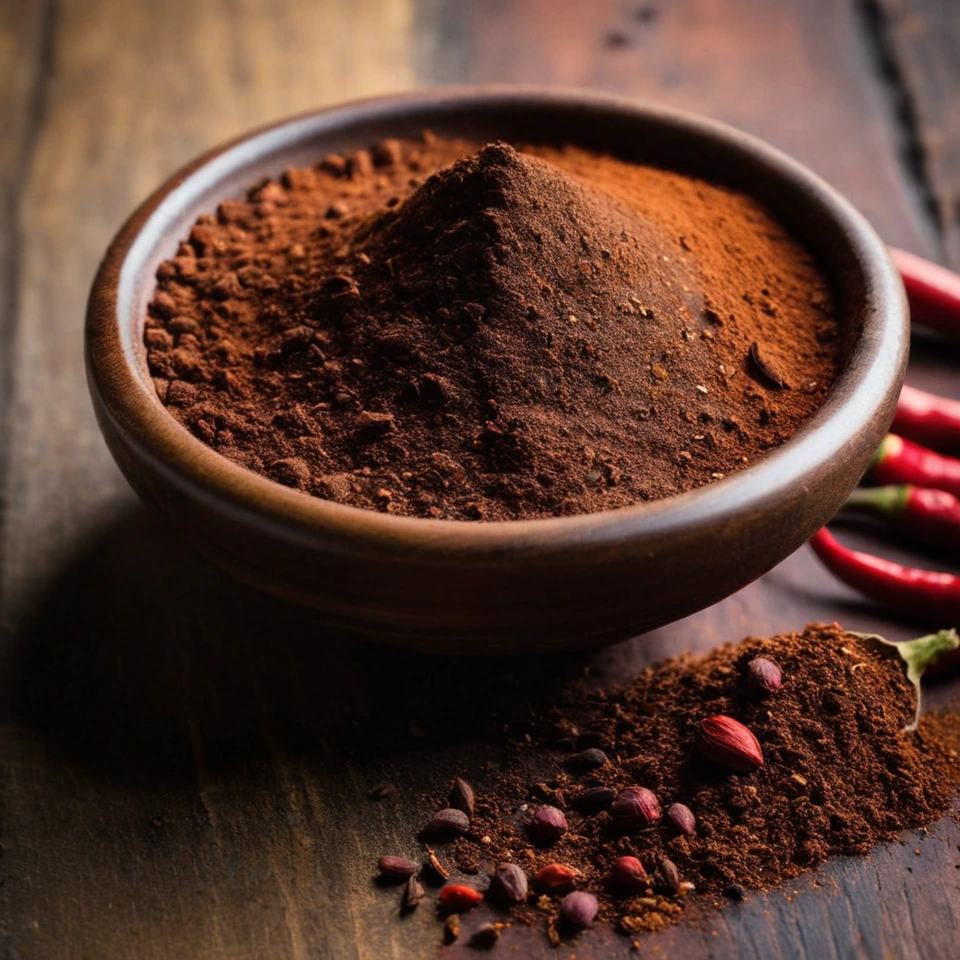
Ancho Chili Powder
Ancho chili powder offers a deep, smoky sweetness with hints of dried fruit and cocoa, reminiscent of its origin as dried poblano peppers from Mexico. Its aroma is warm and inviting, with a mild heat that lingers gently. The texture is fine and velvety, making it easy to incorporate into a variety of dishes. This powder is prized for its ability to add complexity without overwhelming spice, ideal for enriching both traditional Mexican moles and contemporary global cuisines.
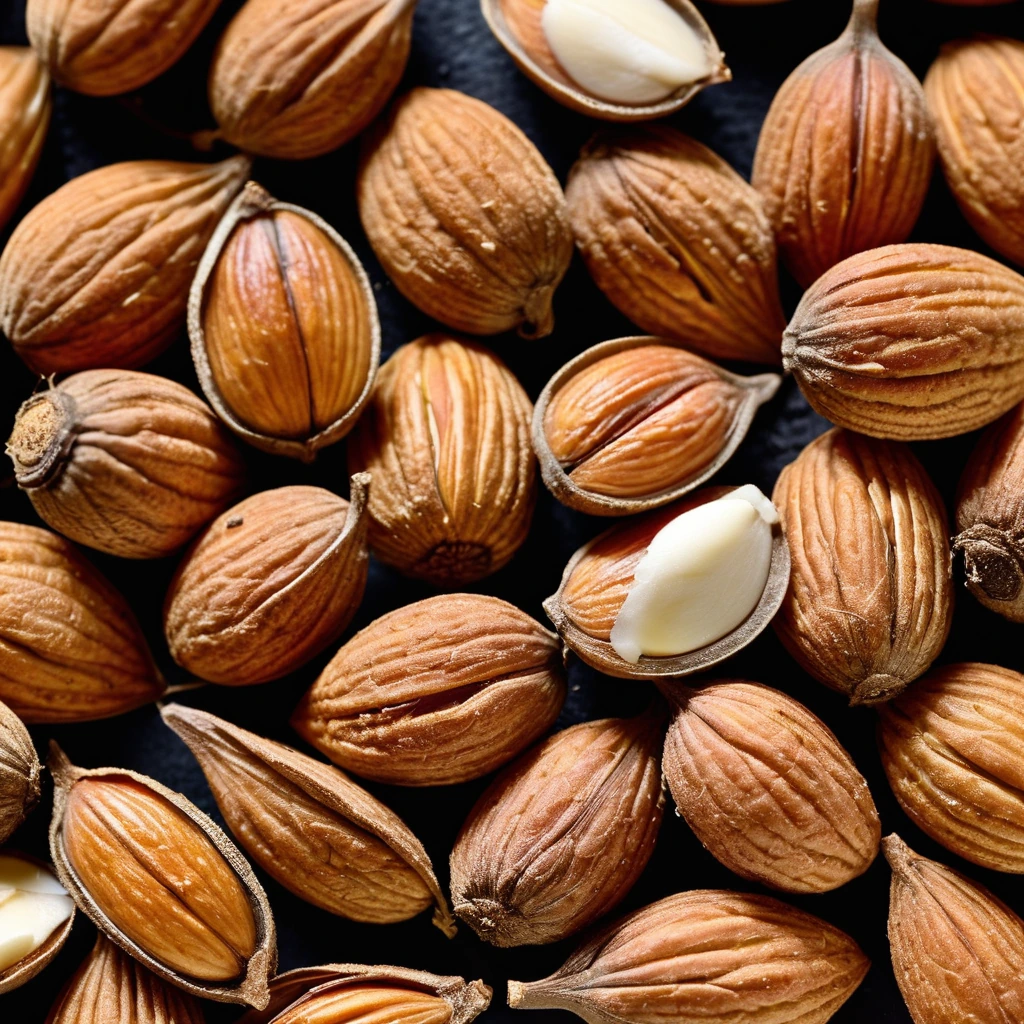
Almond Extract
A fragrant, golden elixir that captures the essence of freshly ground almonds, almond extract is a pantry staple that brings a rich, nutty aroma to your culinary creations.
Recipes to try
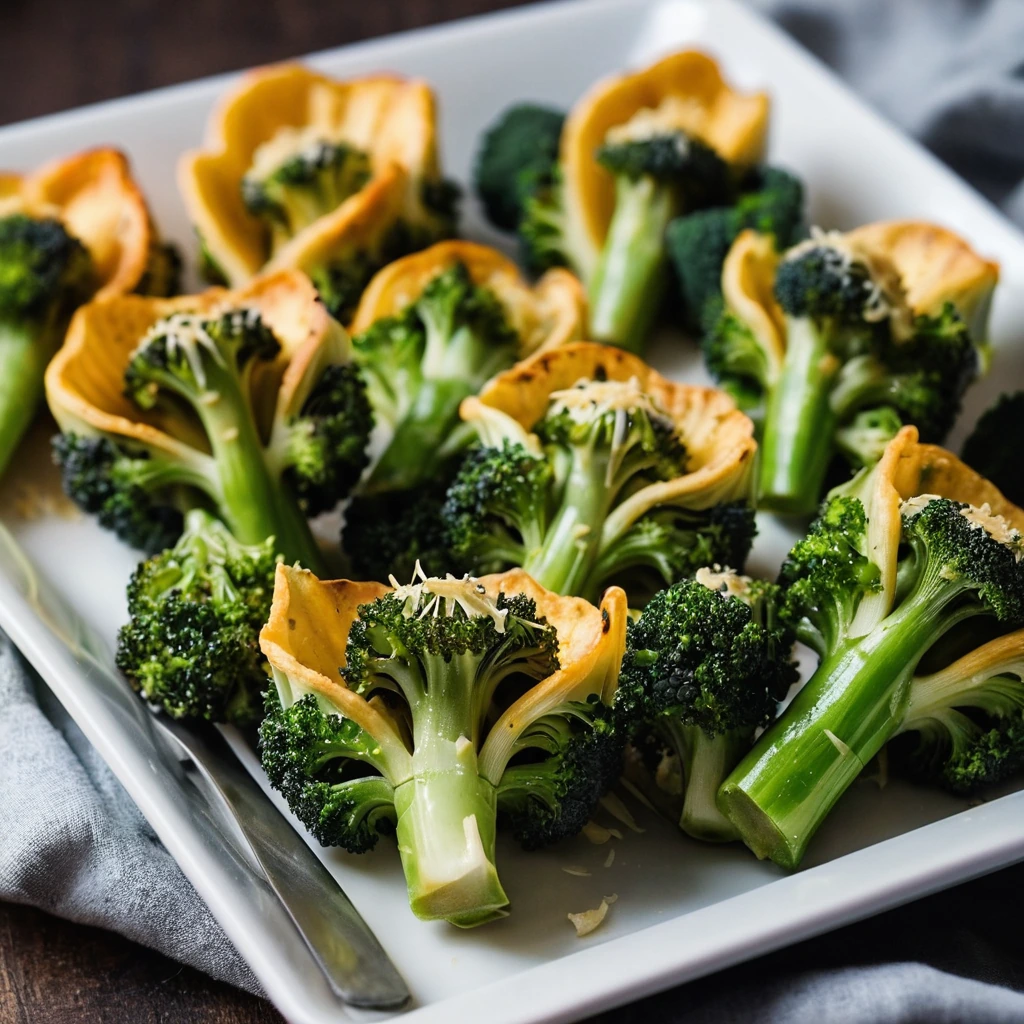
Roasted Broccoli and Cheddar Stuffed Shells
Creamy cheddar cheese and roasted broccoli unite in tender pasta shells for a veggie-packed, cheesy masterpiece.
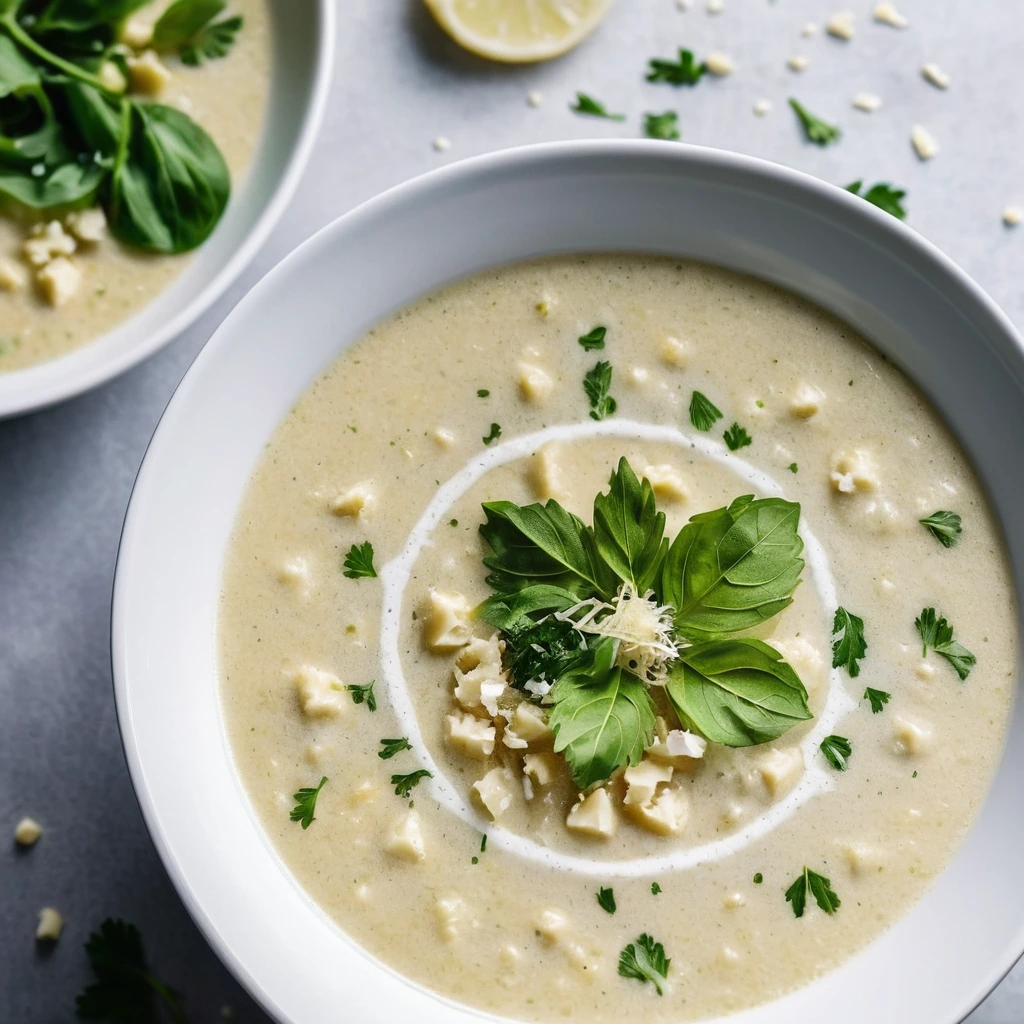
Roasted Cauliflower and Garlic Soup with Parmesan
This velvety soup is a symphony of roasted cauliflower and garlic, kissed with nutty Parmesan for a cozy, crave-worthy bowl.