Baking Technique: Rotating Cake Pans Mid-Bake for Even Rise
Achieving a perfectly risen cake is both an art and a science. One often overlooked technique that can elevate your baking game is rotating cake pans mid-bake. This simple maneuver addresses the uneven heat distribution common in home ovens, ensuring that your cake bakes uniformly. Ovens, despite their modern designs, often have hot spots—areas that are hotter than others. By rotating your cake pans, you mitigate this issue, allowing for an even rise and consistent browning. Understanding how heat circulates in your oven is key to mastering this technique. Whether your oven heats from the bottom, top, or both, knowing its quirks can help you decide when and how to rotate your pans. Additionally, the timing of the rotation is crucial; too early and your cake may deflate, too late and the damage is already done. This technique is especially vital for delicate cakes like angel food or chiffon, where even the slightest variance can impact the final texture. Patience and precision are your allies here. Let’s dive into the specifics of how and when to rotate your cake pans for that professional-level finish.
Notes
Rotating cake pans mid-bake works by redistributing heat exposure, ensuring that each part of the cake bakes evenly. This is particularly important in home ovens, which may not have the uniform heat distribution of commercial ovens. To troubleshoot common mistakes, always use an oven thermometer to ensure your oven is accurately preheated. Avoid opening the oven door too frequently, as this can cause temperature fluctuations and lead to uneven baking. For safety, always use oven mitts when handling hot pans. As for make-ahead and storage, a fully cooled cake can be wrapped tightly in plastic wrap and stored at room temperature for up to 2 days or refrigerated for up to a week.
Steps
- 1 Preheat your oven to the required temperature as specified in your recipe.
- 2 Prepare your cake batter according to the recipe instructions.
- 3 Pour the batter evenly into prepared pans.
- 4 Place the cake pans in the oven on the designated rack.
- 5 Set a timer for 15 minutes after placing the pans in the oven.
- 6 After 15 minutes, open the oven door quickly and use oven mitts to rotate the pans.
- 7 Rotate the pans 180 degrees, switching their positions if you have more than one pan.
- 8 Close the oven door promptly to minimize heat loss.
- 9 Continue baking according to the recipe’s time guidelines.
- 10 Check the cake for doneness using a toothpick or cake tester towards the end of the baking time.
- 11 Remove the cake from the oven once it is fully baked.
- 12 Allow the cake to cool in the pan for 10 minutes before transferring to a wire rack.
- 13 Let the cake cool completely before frosting or serving.
Ingredients to explore
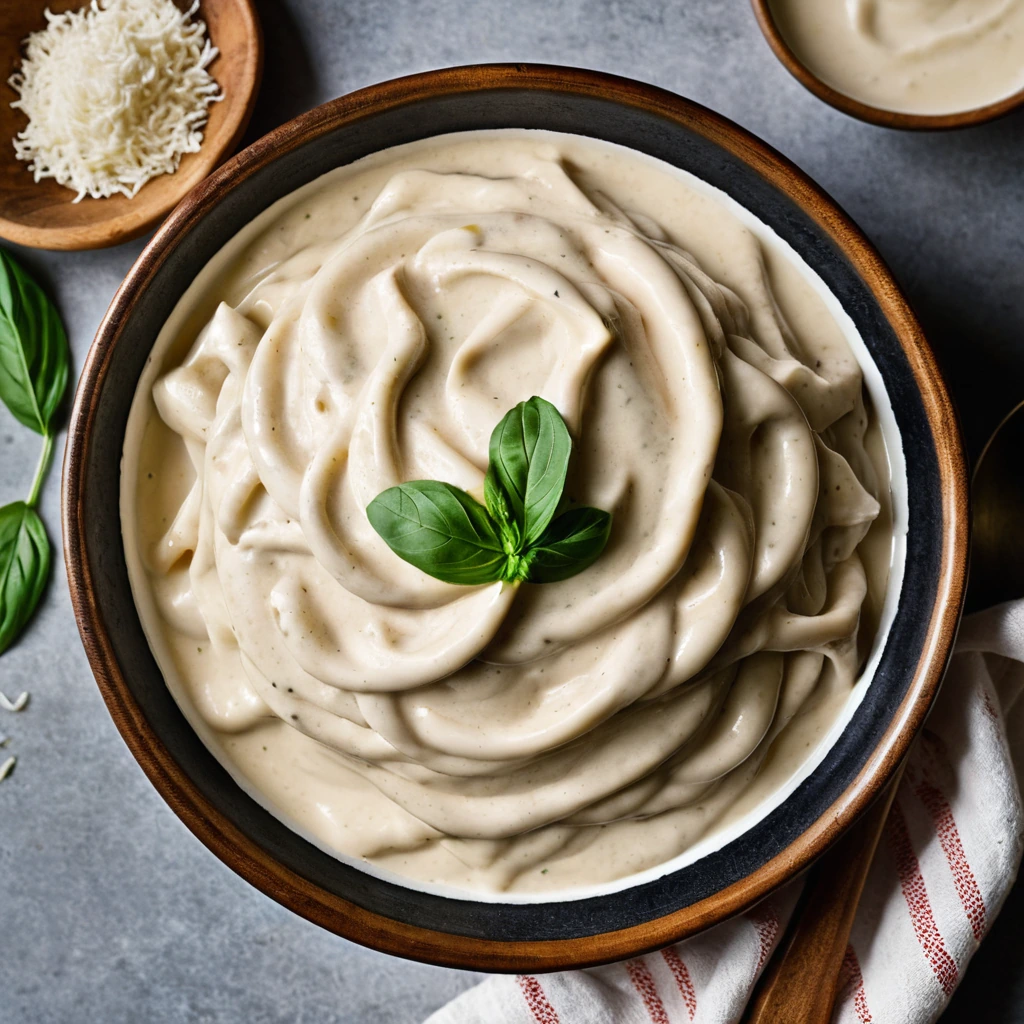
Alfredo Sauce
Creamy, rich, and utterly indulgent, Alfredo sauce is a dreamy blend of butter, heavy cream, and Parmesan cheese. Its velvety texture and savory depth make it a beloved staple in Italian-American cuisine.
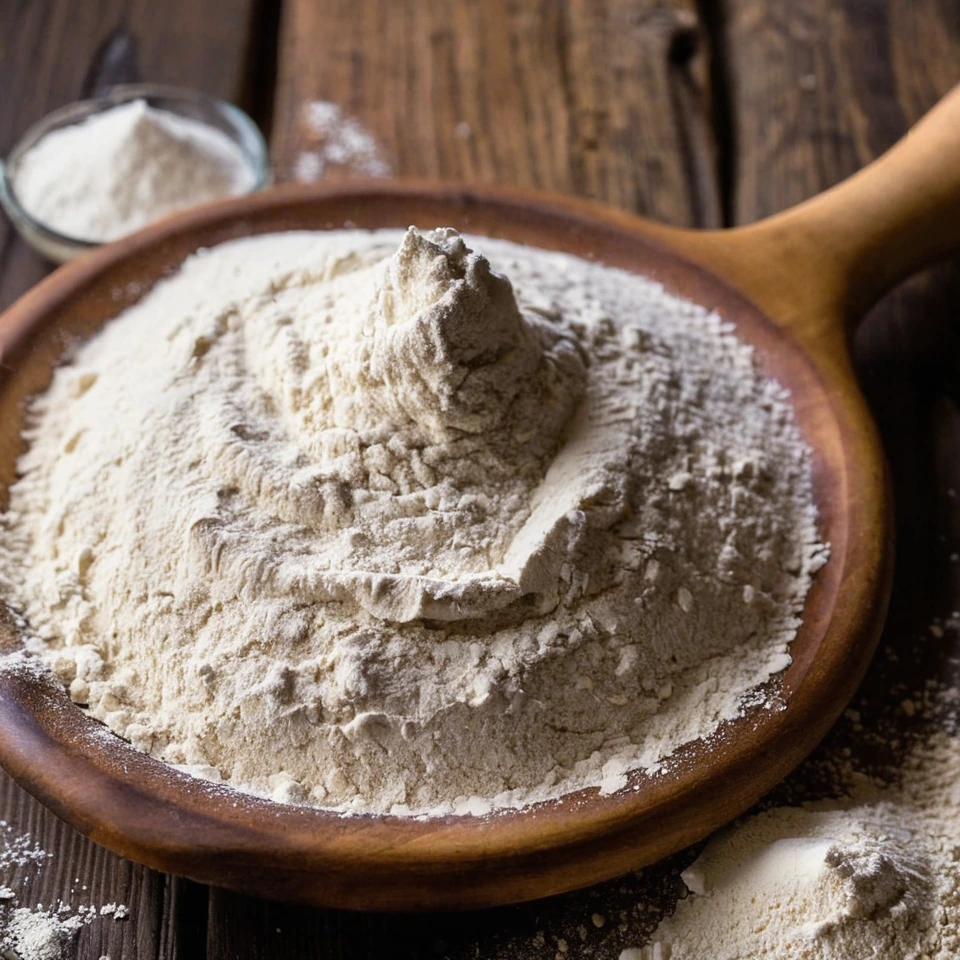
All-Purpose Flour
All-purpose flour is a versatile wheat flour that contains a moderate level of protein and gluten, making it suitable for a wide range of baking and cooking needs.
Recipes to try
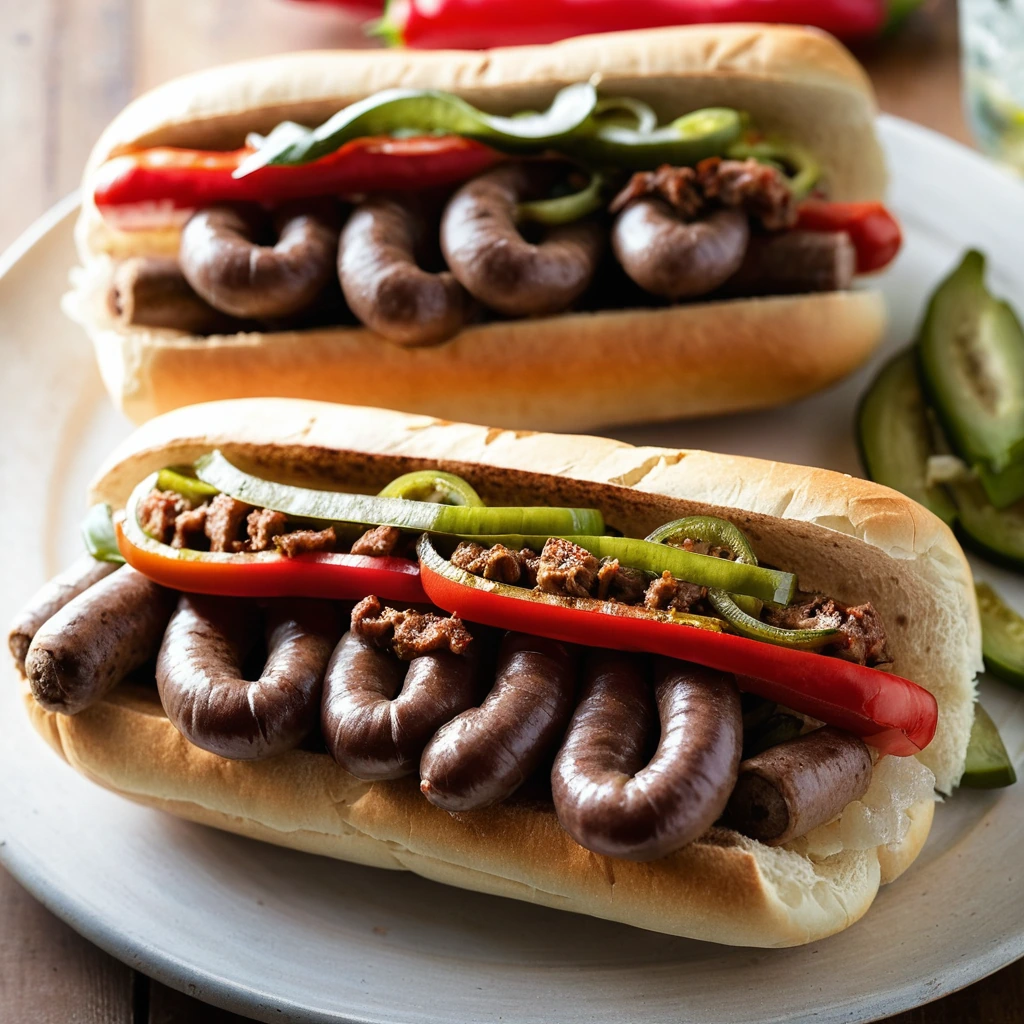
Sausage, Pepper, and Onion Hoagies
Juicy Italian sausages nestled in soft hoagie rolls with a sweet and smoky medley of peppers and onions.
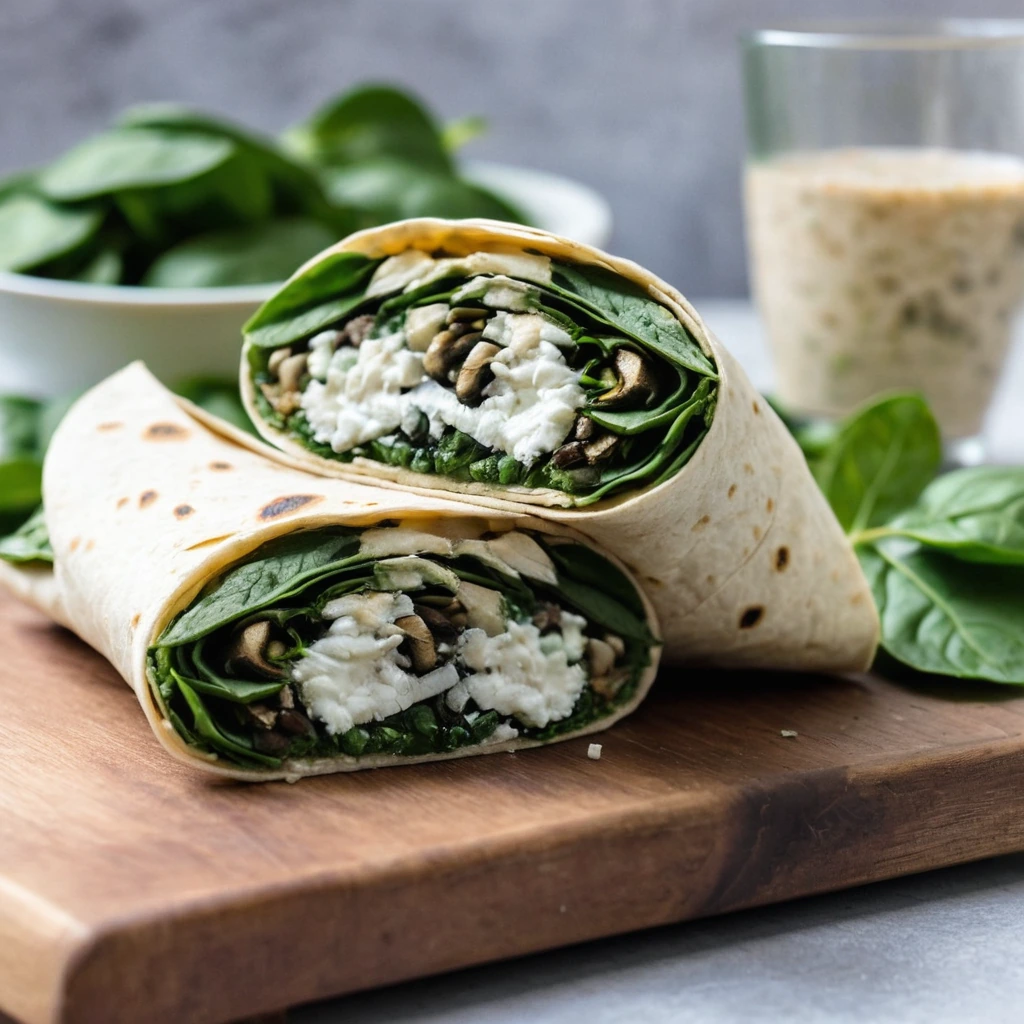
Spinach, Mushroom, and Feta Breakfast Wraps
These wraps are a cozy morning hug in a tortilla—creamy feta, earthy mushrooms, and vibrant spinach meld into a hearty breakfast.