Baking Technique: Handling Sticky Doughs with Lightly Oiled Hands
When you're elbow-deep in a gooey, sticky mess of dough, the frustration is real. Fear not, dear home bakers, for there is a simple and effective technique to handle those clingy, stubborn doughs like a pro. The secret? Lightly oiled hands. This technique not only helps you maintain control over your dough but also ensures that it doesn't stick to your fingers or the work surface. Whether you're kneading a batch of soft dinner rolls or shaping delicate pastries, lightly oiling your hands is a game-changer. It prevents excess flour from being incorporated into your dough, which could lead to a tough, dry final product. Let's dive into the whys and hows of this indispensable baking skill. Firstly, sticky doughs are often high in moisture or fat, making them cling to everything in sight. The oil creates a barrier between your hands and the dough, allowing for smooth manipulation without adding unnecessary flour. Secondly, using oil rather than flour to manage stickiness can preserve the intended texture of your baked goods. Now, let's get into the nitty-gritty of mastering this technique.
Notes
The science behind this technique is straightforward: oil is hydrophobic, meaning it repels water, which is often the culprit behind sticky doughs. By applying a thin layer of oil to your hands, you create a non-stick surface that allows for smooth handling. One common mistake is using too much oil, which can affect the texture and taste of your baked goods. To avoid this, use just enough to prevent sticking. Safety is paramount; ensure your work surface is clean to prevent cross-contamination. For make-ahead doughs, store them in an oiled bowl and cover with plastic wrap to maintain moisture. Leftovers can be stored in an airtight container in the fridge for up to two days or frozen for longer storage.
Steps
- 1 Choose a neutral-flavored oil like vegetable or canola oil.
- 2 Pour a teaspoon of oil into your palm.
- 3 Rub your palms together to spread the oil evenly.
- 4 Gently massage the oil over the backs of your hands and fingers.
- 5 Begin shaping or kneading your dough immediately while hands are still lightly oiled.
- 6 If the dough starts to stick, reapply a small amount of oil to your hands.
- 7 Avoid using too much oil to prevent greasiness in your final product.
- 8 Keep a paper towel handy to wipe excess oil from your hands if needed.
- 9 Always work quickly to maintain the dough's temperature and texture.
- 10 After handling the dough, wash your hands thoroughly with soap and water.
Ingredients to explore
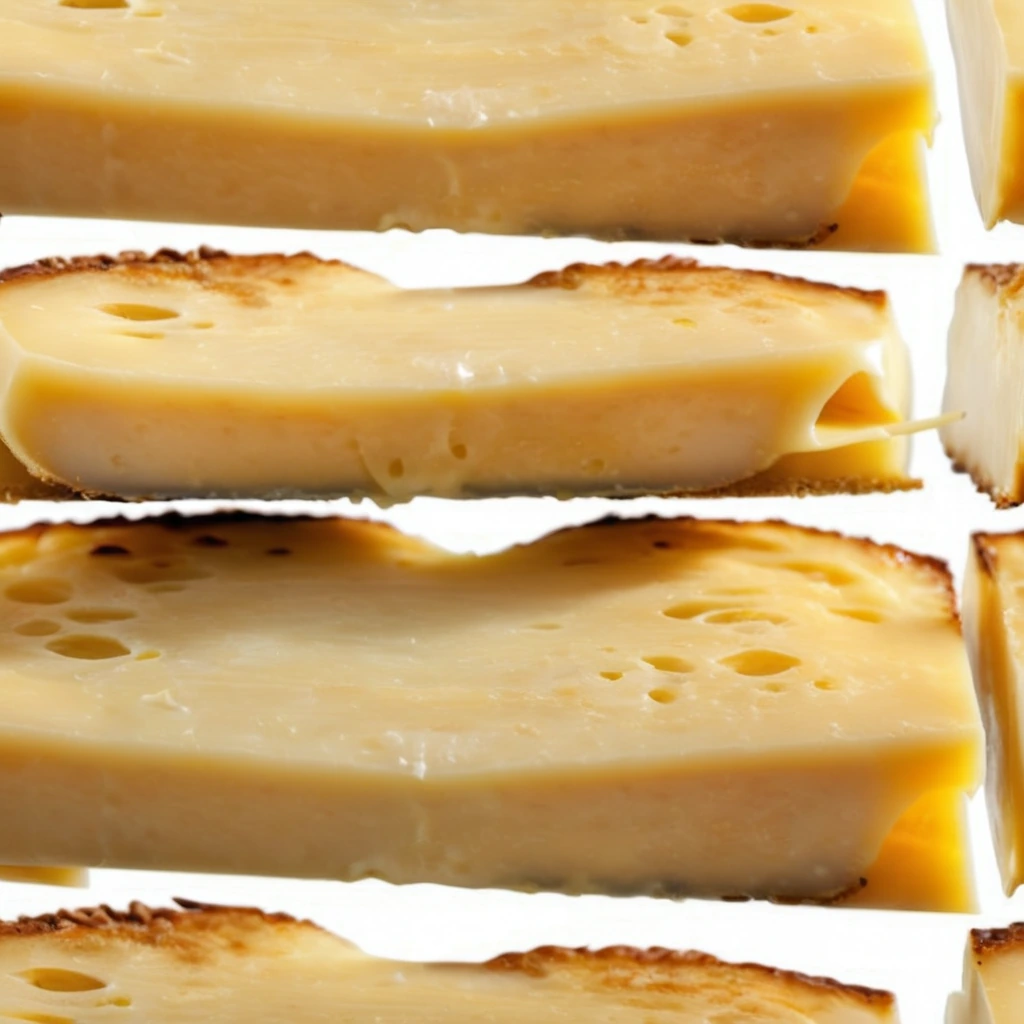
American Cheese Slices
Those iconic, perfectly pliable slices of creamy, mild American cheese. Each slice boasts a smooth, melt-in-your-mouth texture that brings comfort to any dish.
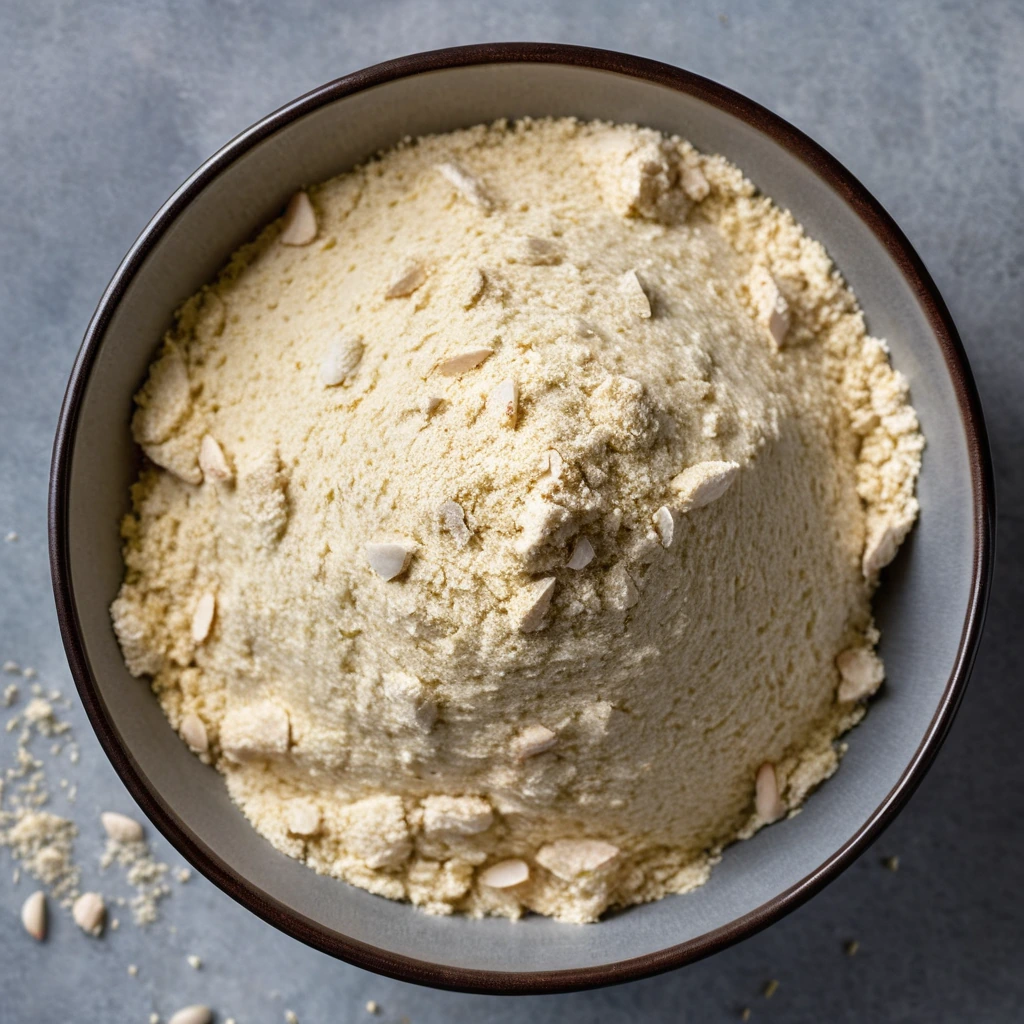
Almond Flour
A finely ground flour made from blanched almonds, offering a delicate nutty aroma and a tender crumb to your baked goods.
Recipes to try
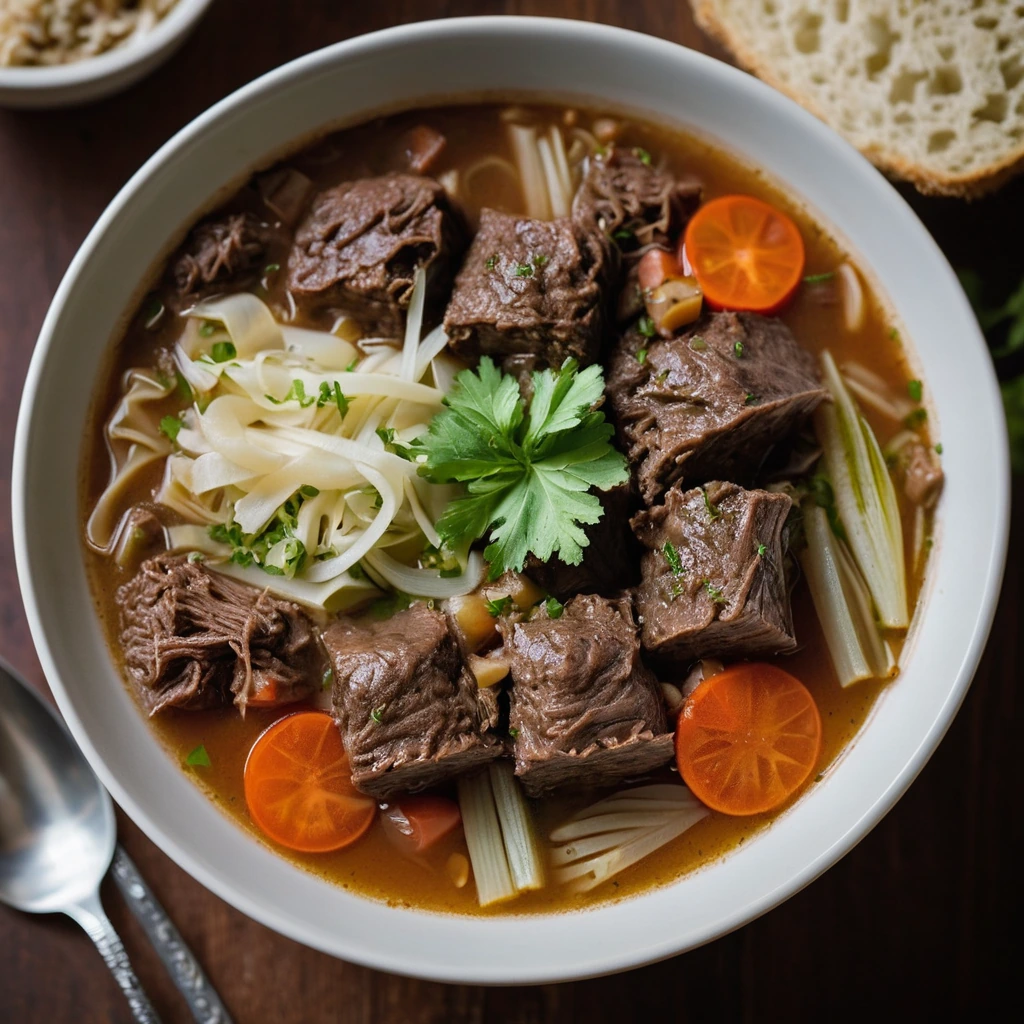
Stuffed Cabbage Roll Inspired Beef Soup
Warm up with this hearty soup that nods to classic stuffed cabbage rolls, brimming with tender beef and savory broth.
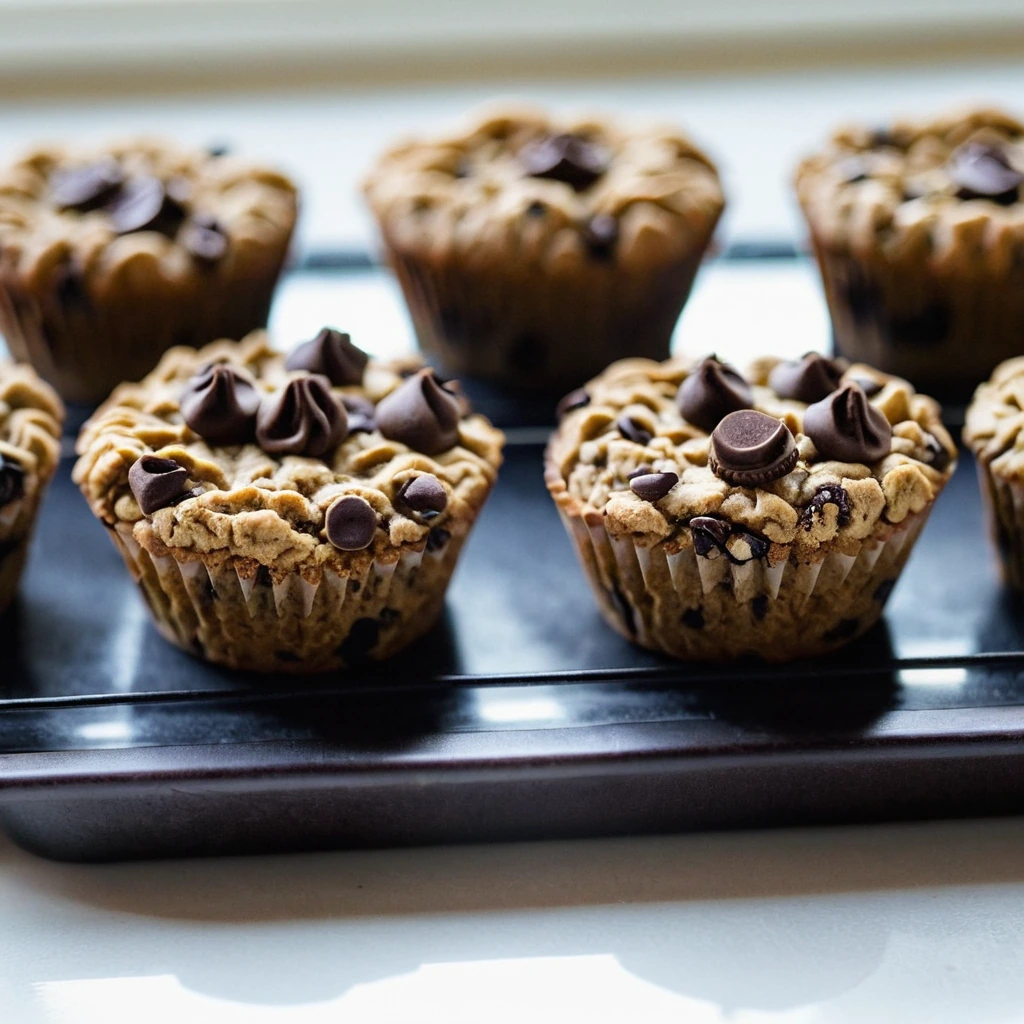
Peanut Butter Chocolate Chip Baked Oat Cups
These oat cups are a cozy hug in every bite, with gooey chocolate chips and a rich peanut butter swirl that makes mornings worth waking up for.