Baking Technique: Creaming Butter and Sugar Correctly
Creaming butter and sugar is a foundational baking technique that creates a light and fluffy texture in cakes, cookies, and other baked goods. The process incorporates air into the mixture, which helps the final product rise and achieve a tender crumb. Achieving the perfect creamed mixture requires attention to both the ingredients and the method. First, you need to start with the correct type of butter: unsalted is preferred because it allows you to control the saltiness in your recipe. The butter should be softened to around 65°F to 68°F, which is cool enough to hold its shape but pliable enough to beat easily. Using a kitchen scale, measure your butter and sugar accurately; precision is key. The sugar, usually granulated, should be dry and free from clumps. When combined, the sugar's sharp edges help cut into the butter's fat, creating tiny air pockets. The choice of beater also matters; a stand mixer with a paddle attachment is ideal, though a hand mixer works well too. Avoid using the whisk attachment, as it can incorporate too much air and lead to overmixing. Beat the butter first until smooth, then gradually add the sugar while continuing to beat the mixture. The goal is to achieve a pale, fluffy mixture that has doubled in volume and holds a ribbon-like trail when the beaters are lifted. This process typically takes 3 to 5 minutes at medium speed. Overmixing can lead to butter warming too much and splitting, so it’s important to monitor the mixture’s texture and temperature. Achieving the correct creamed mixture is a skill that improves with practice, but once mastered, it forms the basis for many beloved baked goods.
Notes
The science behind creaming butter and sugar lies in the incorporation of air into the fat, creating a structure that helps baked goods rise. The sugar crystals cut into the butter, forming air pockets that expand during baking. A common mistake is using butter that is too warm or too cold; too warm and it splits, too cold and it won’t cream properly. Always ensure your butter is the correct temperature before starting. Another issue is overmixing, which can cause the butter to separate from the sugar, resulting in a greasy mixture. If this happens, chill the mixture and try again gently. For storage, use the creamed mixture immediately in your recipe, as prolonged storage can cause it to deflate. If you must store it, keep it covered in the refrigerator for up to 24 hours, though this is not ideal.
Steps
- 1 Remove butter from the refrigerator and let it sit at room temperature until softened.
- 2 Using a kitchen scale, measure 1 cup (2 sticks) of unsalted butter.
- 3 Place the butter in a large mixing bowl.
- 4 Using a stand mixer with a paddle attachment, beat the butter on medium speed until smooth and creamy.
- 5 Measure 1 ½ cups of granulated sugar with the kitchen scale.
- 6 Gradually add the sugar to the butter, about ¼ cup at a time.
- 7 Continue beating on medium speed for 3 to 5 minutes, until the mixture is light and fluffy.
- 8 Check the texture; it should be pale in color and hold a ribbon-like trail when beaters are lifted.
- 9 Stop mixing immediately if the butter starts to separate or look greasy.
- 10 Use the mixture immediately in your recipe for best results.
Ingredients to explore
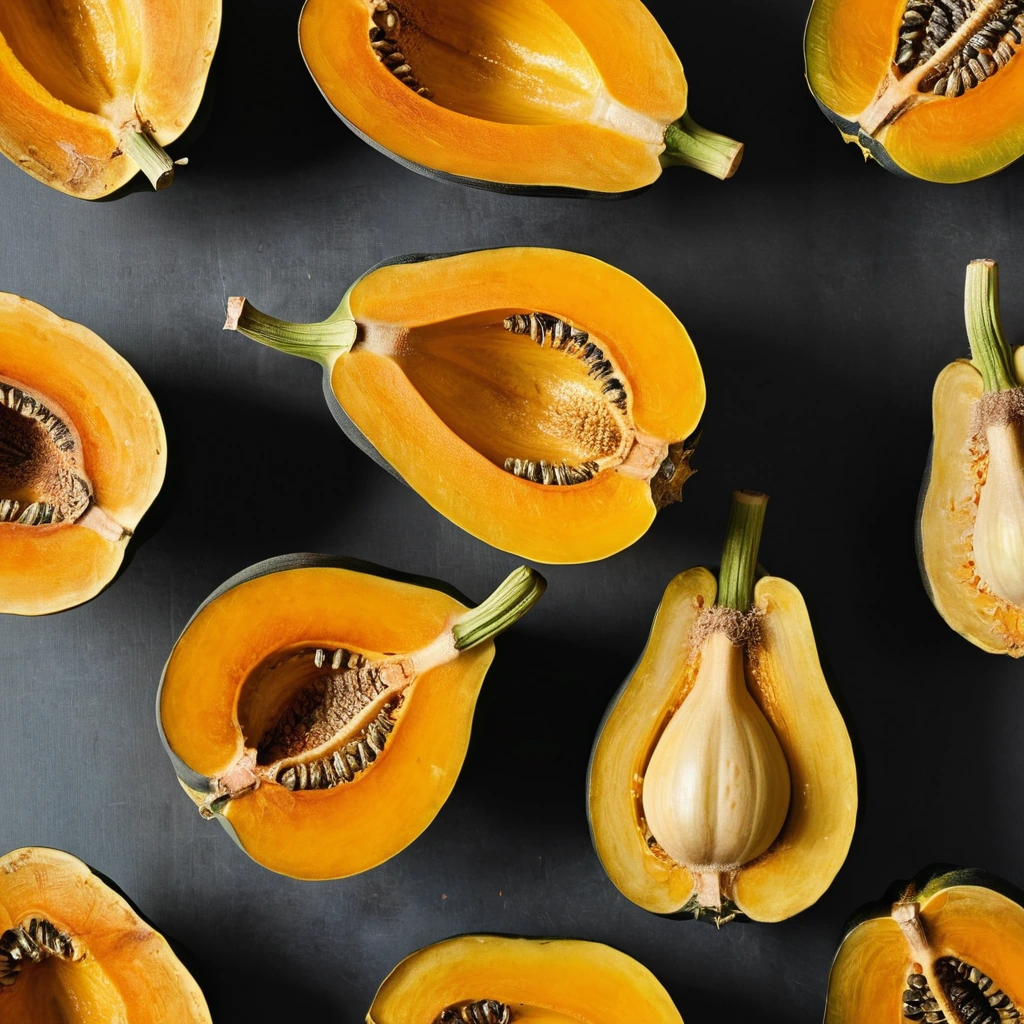
Acorn Squash
Acorn squash is a winter squash variety known for its distinctive teardrop shape and deep ridges resembling the texture of an acorn shell. Originating in the Americas, it has been cultivated for centuries and is a staple in autumn cuisine. The flesh is sweet and nutty with a hint of earthiness, offering a delightful contrast to savory dishes. Its texture is dense yet tender when cooked, making it ideal for roasting or pureeing. In cooking, acorn squash holds its shape well and absorbs flavors from herbs and spices, enhancing both its taste and versatility in recipes.
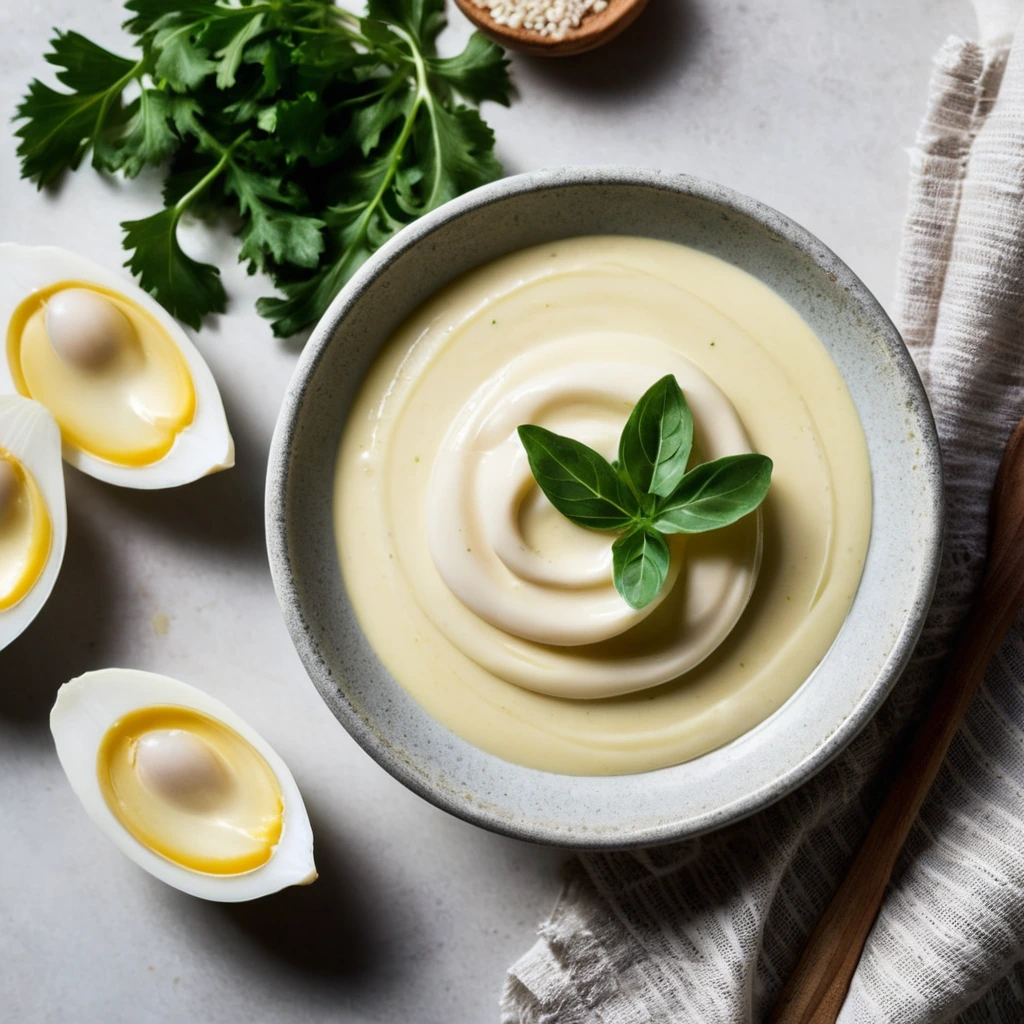
Aioli
A luscious, velvety emulsion of garlic and olive oil, aioli is a rich and aromatic sauce that dances on the palate with its creamy texture and bold, pungent flavor.
Recipes to try
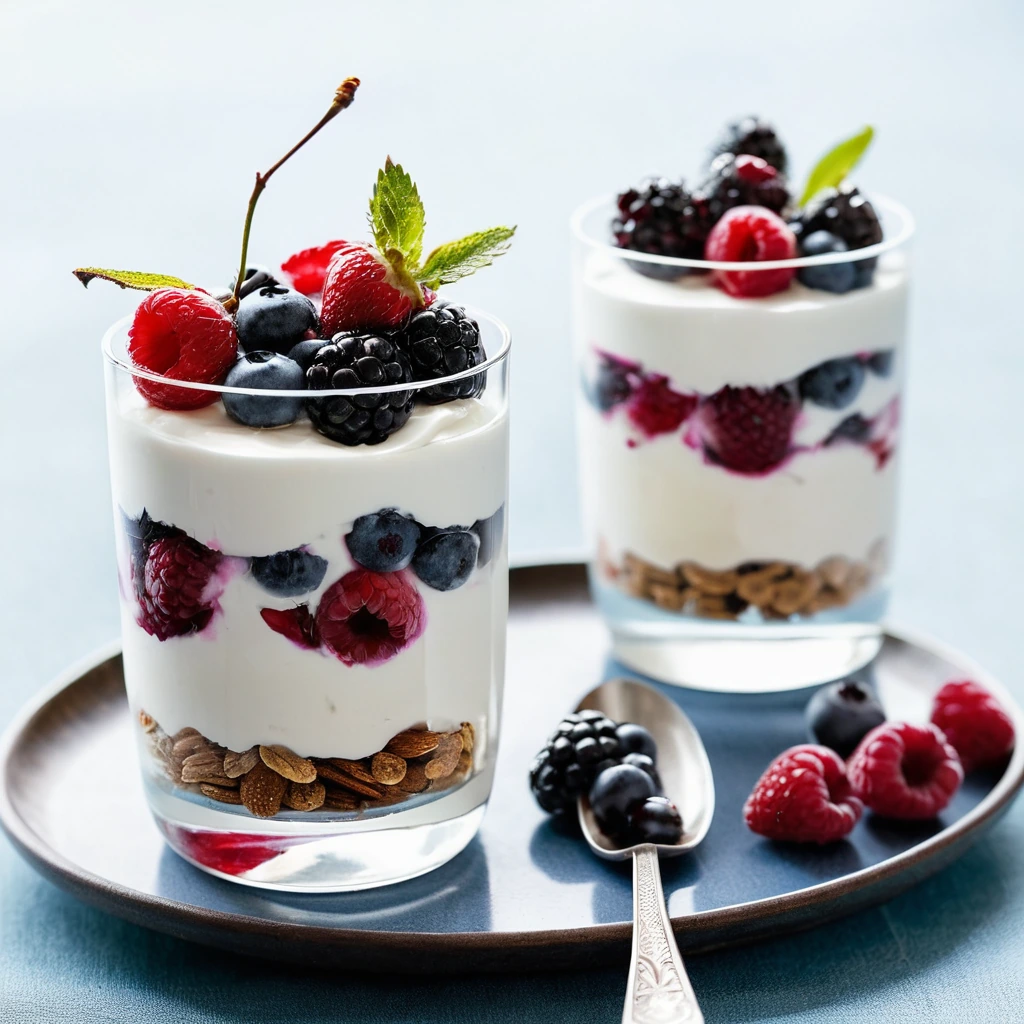
Vanilla Yogurt Parfaits with Roasted Berries
Creamy vanilla yogurt layers kissed by sweet, smoky roasted berries create a parfait that's both comforting and refreshing.
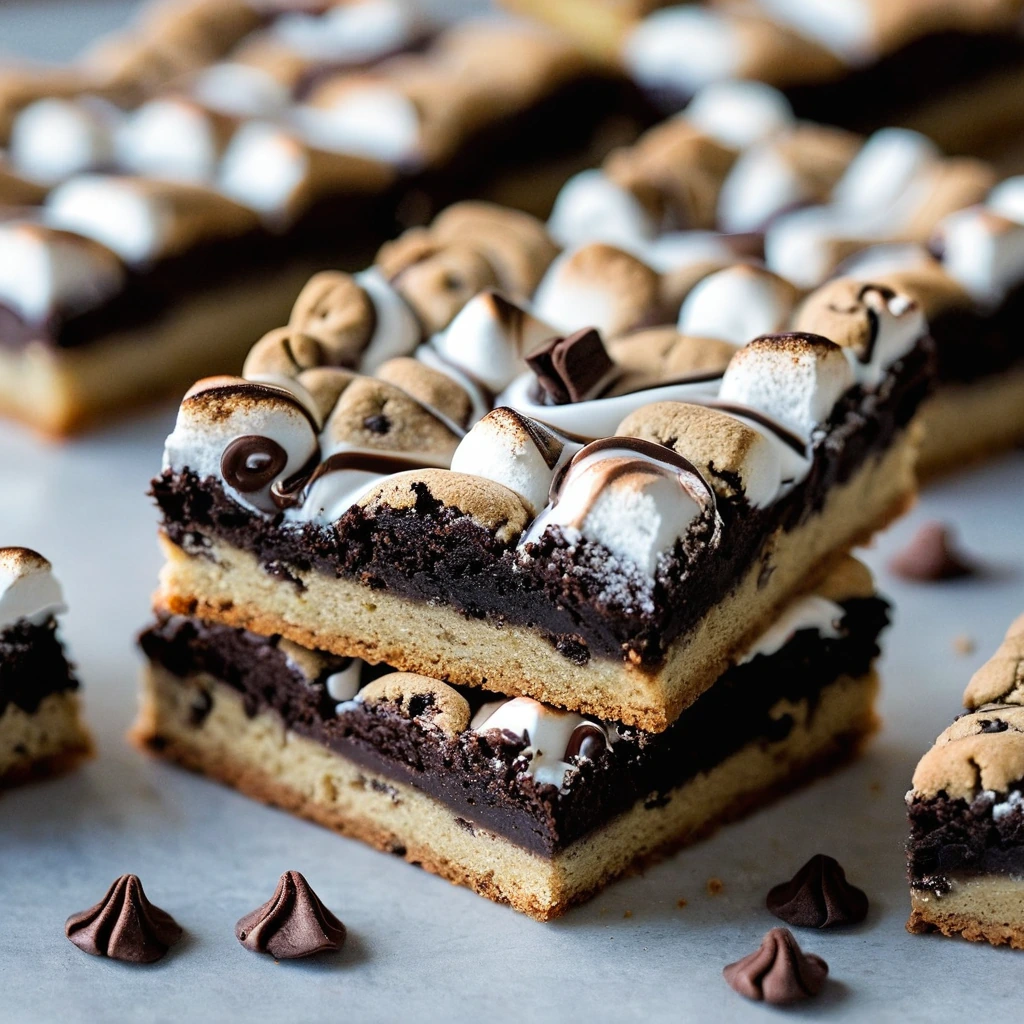
S’mores Cookie Bars with Marshmallow Swirl
Chocolatey, gooey, and utterly irresistible – these S’mores Cookie Bars are a campfire classic reimagined into a decadent dessert.