Baking Technique: Calibrating Oven Hot Spots with Test Cookies
Achieving consistent baking results starts with understanding your oven's unique quirks. One common issue is uneven heat distribution, leading to hot spots that can cause uneven browning or cooking. This technique uses test cookies to identify these hot spots, allowing you to adjust your baking strategy for perfection every time. First, it's important to preheat your oven to ensure it reaches the correct temperature. Then, by baking small, identical cookies in different parts of the oven, you can observe how heat is distributed. This method helps pinpoint areas where cookies bake faster or slower, enabling you to compensate for these variations in your future baking endeavors. Whether you're making delicate macarons or hearty chocolate chip cookies, calibrating your oven ensures even cooking and consistent texture. This technique isn't just about identifying hot spots; it's also about learning how to work with your oven's idiosyncrasies to achieve optimal results. By understanding your oven's behavior, you can make informed decisions about rack placement and rotation schedules. Furthermore, this technique can save you time and ingredients by preventing baking mishaps. Armed with this knowledge, you'll bake with confidence, knowing that every batch will come out just right. Let's dive into the practical steps to calibrate your oven using test cookies, transforming your baking game from good to great.
Notes
Understanding oven hot spots is crucial because ovens don't always heat uniformly due to their design and age. This calibration technique works because cookies are sensitive to temperature changes and bake quickly, making any hot or cool spots immediately apparent. A common mistake is assuming your oven is perfectly calibrated out of the box; always verify with a test. Safety-wise, use oven mitts when handling hot sheets and ensure your oven is properly ventilated. For make-ahead, once you've identified your oven's hot spots, you can bake with confidence, knowing how to adjust for even results. Store your notes in a handy place for future baking sessions.
Steps
- 1 Preheat oven to 350°F.
- 2 Prepare a simple cookie dough that bakes quickly, like a small drop cookie.
- 3 Scoop equal-sized portions of dough onto parchment-lined baking sheets.
- 4 Place one baking sheet in the top rack, center position.
- 5 Place another baking sheet in the middle rack, center position.
- 6 Place a third baking sheet in the bottom rack, center position.
- 7 Bake cookies for 8-10 minutes or until edges are lightly golden.
- 8 Observe and record the color and doneness of each cookie.
- 9 Rotate the sheets and repeat if necessary to confirm observations.
- 10 Cool cookies and compare results from each rack position.
- 11 Identify any hot spots based on overcooked or undercooked areas.
- 12 Adjust future baking times, temperatures, or rack positions accordingly.
- 13 Consider using an oven thermometer for additional accuracy.
- 14 Document your findings for future reference.
Ingredients to explore

Andouille Sausage
Andouille sausage is a coarse-grained, smoked pork sausage with a rich history rooted in French cuisine, particularly from the Alsace region. It was adapted in Louisiana, where it became a staple in Cajun and Creole cooking. The sausage is known for its robust, smoky flavor with hints of garlic, pepper, and other spices, creating a spicy and savory profile. Its texture is firm yet slightly chewy, making it a hearty addition to dishes. When cooked, andouille sausage maintains its shape well and infuses dishes with its distinctive smoky essence, enhancing stews, soups, and rice dishes.
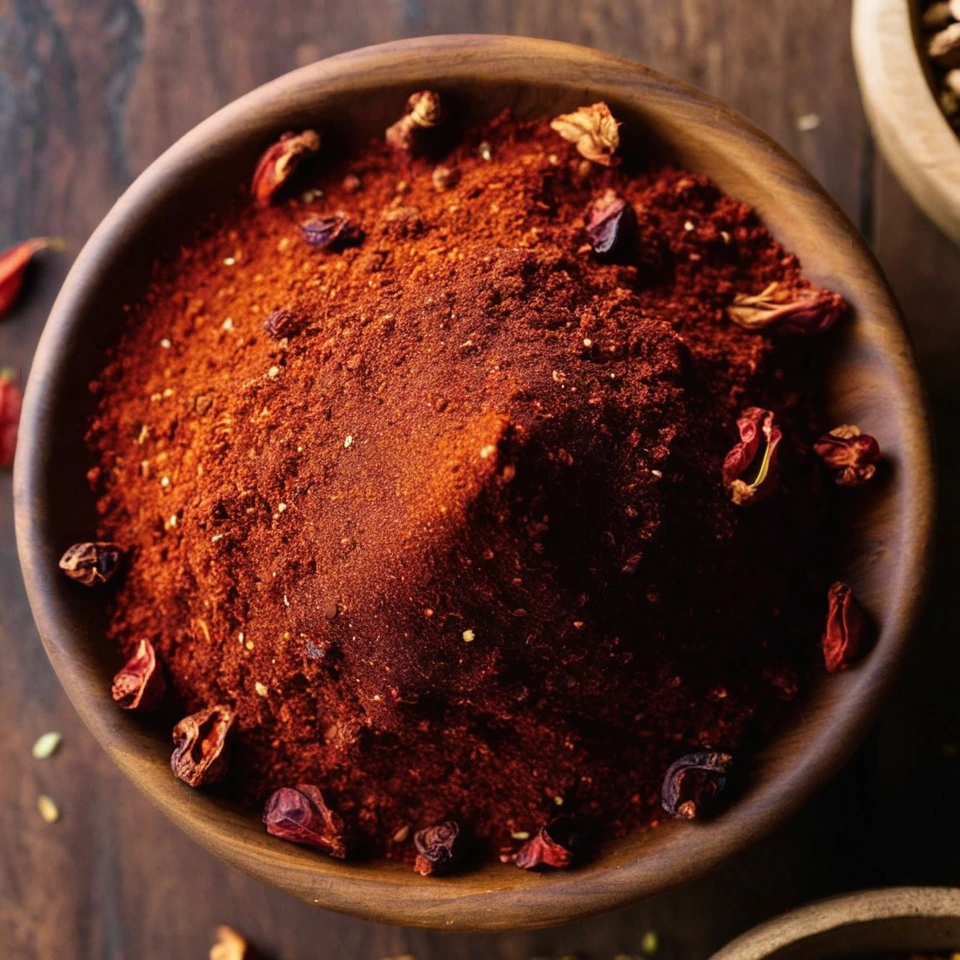
Aleppo Pepper
Aleppo pepper offers a harmonious balance of heat and sweetness, with a subtle fruity aroma reminiscent of sun-dried tomatoes and currants. Originating from the region around Aleppo, Syria, it has a fine, slightly coarse texture that shatters easily between fingers. Its mild yet complex flavor profile makes it a prized seasoning for enhancing dishes without overwhelming them. Valued for its versatility, it bridges the gap between spice and seasoning, bringing a touch of warmth and depth to a variety of cuisines.
Recipes to try
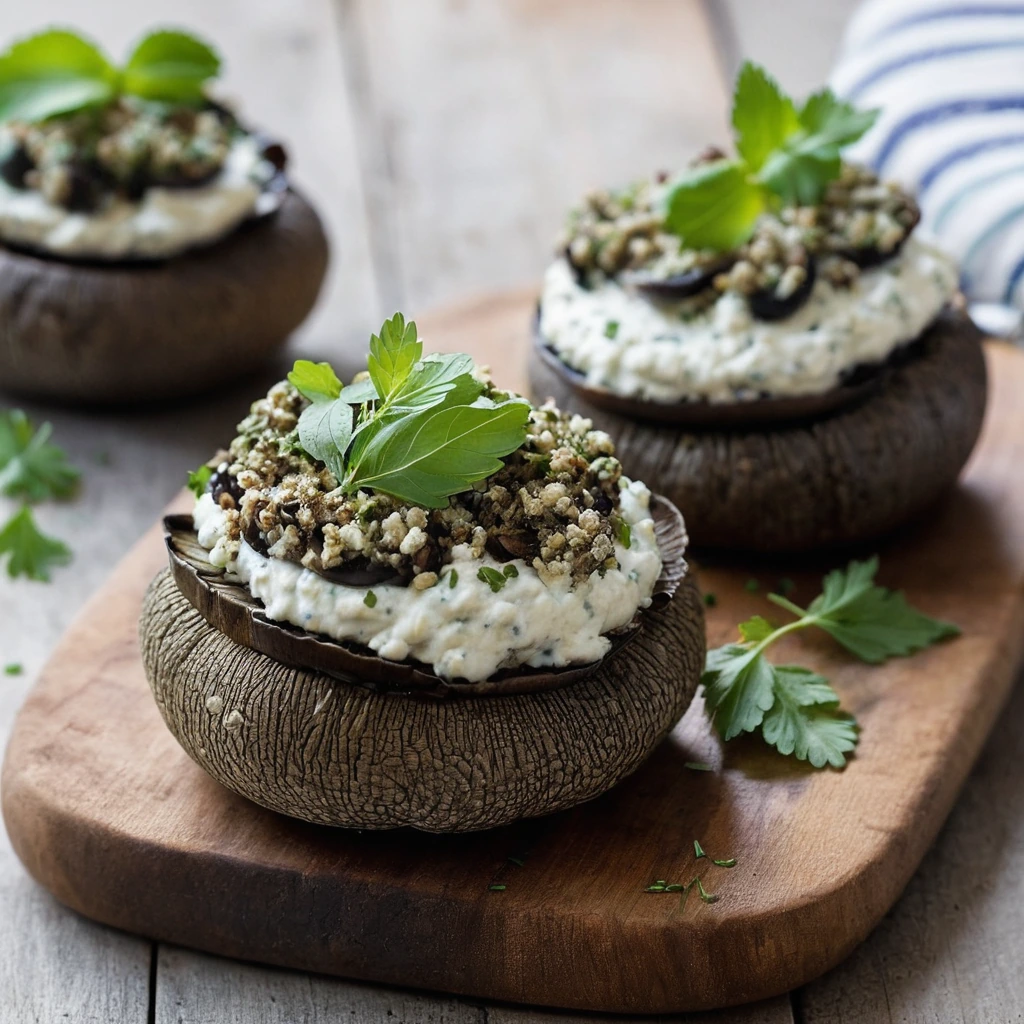
Stuffed Portobello Mushrooms with Herbed Ricotta
These earthy portobello mushrooms are stuffed with a creamy, herbed ricotta mixture, offering a satisfying vegetarian delight that's both elegant and easy.

Vanilla Yogurt Parfaits with Roasted Berries
Creamy vanilla yogurt layers kissed by sweet, smoky roasted berries create a parfait that's both comforting and refreshing.