Baking: Stretch and Fold Technique
The stretch and fold technique is a fundamental method in artisanal bread making that helps develop gluten without overworking the dough. Unlike traditional kneading, this gentle approach allows the dough to strengthen over time, resulting in a more open crumb structure and better oven spring. This technique is especially useful for sourdough and other rustic breads. It involves periodically lifting, stretching, and folding the dough onto itself during the bulk fermentation phase. This action aligns gluten strands, incorporates air, and ensures even distribution of yeast and flavor throughout the dough. By employing the stretch and fold method, bakers can achieve a dough with excellent elasticity and extensibility, key characteristics for creating a beautifully risen loaf. This technique is low impact, requiring minimal effort and time commitment, making it ideal for home bakers who want professional results without the strenuous kneading. Moreover, it allows for better flavor development as the dough undergoes a longer fermentation period. Understanding the nuances of when and how to perform stretch and folds can elevate your bread-baking game, leading to loaves with a satisfying chew and a rustic, artisanal appearance.
Notes
The stretch and fold technique works by gradually developing gluten structure through gentle manipulation, which is less taxing than traditional kneading. This method mimics the kneading process while allowing for a longer fermentation period, enhancing flavor and texture. Common mistakes include over-folding, which can deflate the dough, and under-folding, which may result in insufficient gluten development. To troubleshoot, ensure your dough has the right hydration and temperature for optimal fermentation. For safety, always wash your hands before handling dough. As for make-ahead, the dough can be refrigerated after the final fold for up to 24 hours to extend fermentation and enhance flavor. Store your finished bread in a paper bag to maintain crust crispiness.
Steps
- 1 Prepare your dough with your chosen recipe and allow it to rest for 30 minutes after mixing.
- 2 Wet your hands with water to prevent sticking.
- 3 Gently insert your fingers under one side of the dough.
- 4 Lift and stretch the dough upward and outward.
- 5 Fold the stretched portion over the center of the dough.
- 6 Rotate the dough 90 degrees and repeat the stretch and fold on the new side.
- 7 Perform four sets of stretch and folds, spacing each set 30 minutes apart.
- 8 After the final fold, cover the dough and let it rest for bulk fermentation.
- 9 Monitor the dough for signs of readiness, such as a 50% increase in volume and a gently jiggled surface that springs back slowly.
Ingredients to explore
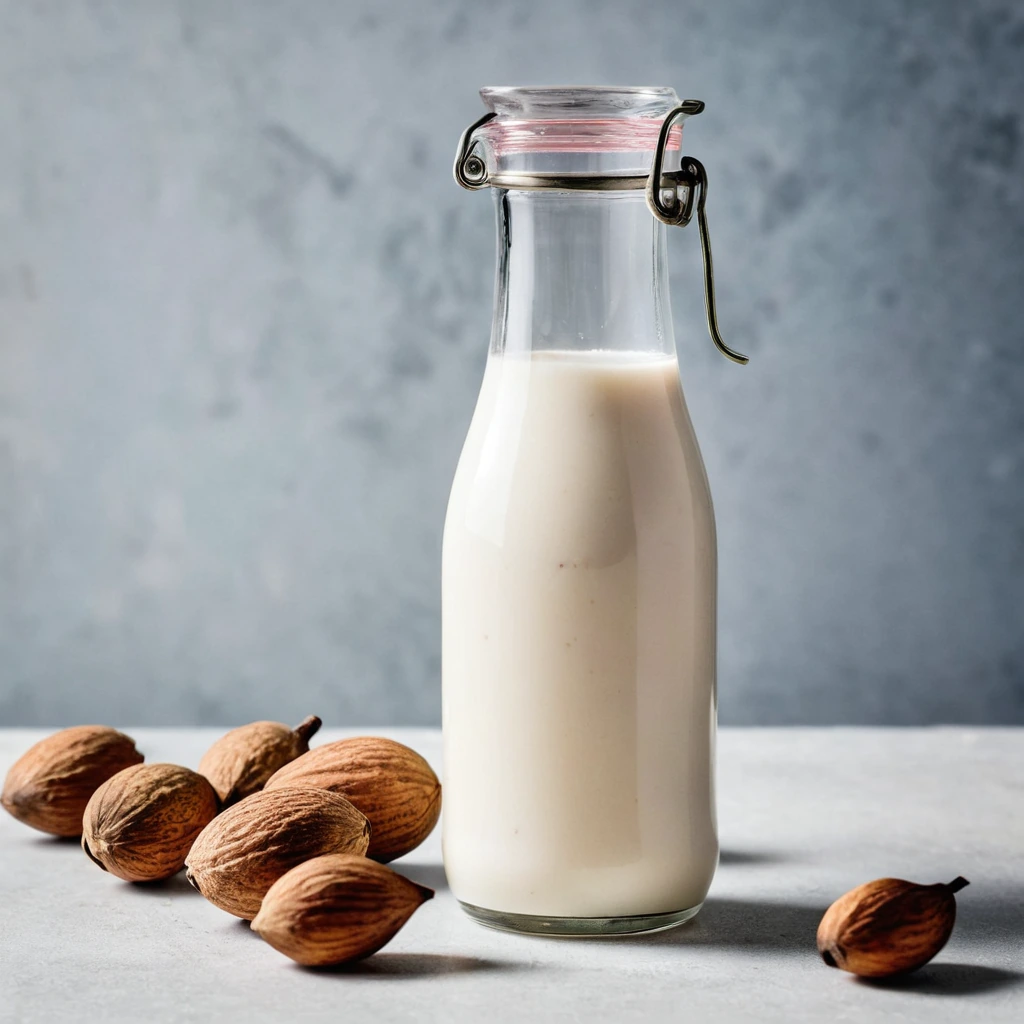
Almond Milk
Almond milk is a plant-based milk alternative made from ground almonds and water. Originating from traditional recipes in medieval Europe and the Middle East, it has gained widespread popularity in modern times as a dairy-free option. Almond milk has a subtly nutty flavor with a mild sweetness, and its aroma is reminiscent of fresh almonds. Its texture is smooth and creamy, though typically lighter than dairy milk. In cooking, almond milk behaves well in both savory and sweet applications, though it does not brown or caramelize like dairy milk. It is often used in cereals, smoothies, and baking, where its delicate flavor complements rather than overpowers other ingredients.
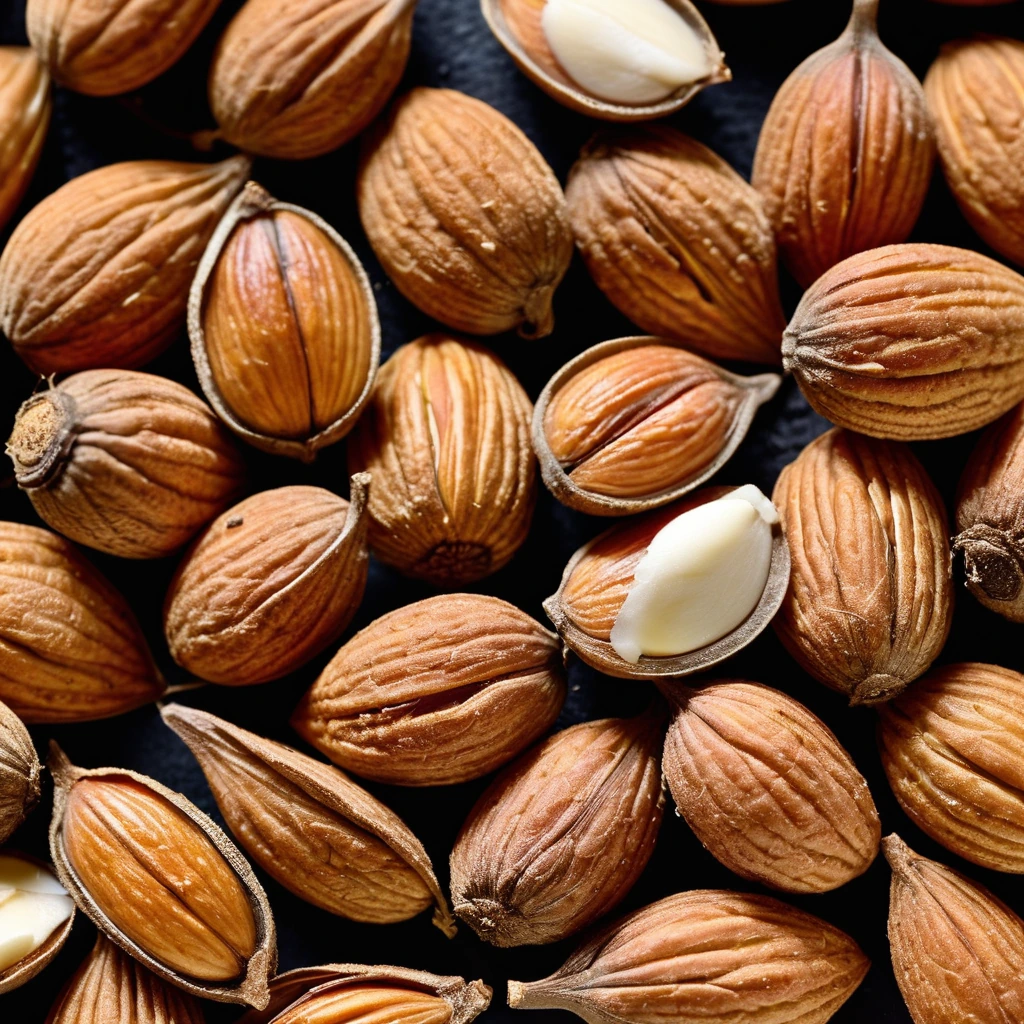
Almond Extract
A fragrant, golden elixir that captures the essence of freshly ground almonds, almond extract is a pantry staple that brings a rich, nutty aroma to your culinary creations.
Recipes to try

Shrimp and Chorizo Rice Skillet
A zesty, one-pan wonder where plump shrimp and smoky chorizo mingle with fragrant rice, creating a fiesta in every bite.

Lemon Dill Salmon Cakes with Caper Mayo
Golden, crispy salmon cakes bursting with fresh dill and zesty lemon, served with a tangy caper mayo that'll have you hooked.