Baking: Stabilizing Meringue (French, Swiss, Italian)
Stabilizing meringue is a crucial step in achieving the perfect texture for your desserts, whether you're making French, Swiss, or Italian meringue. Each type has its own nuances, but the goal is always the same: to create a glossy, stiff, and stable foam that holds its shape. French meringue is straightforward, relying on room-temperature egg whites whipped to stiff peaks with sugar. Swiss meringue requires gently heating the egg whites and sugar over a double boiler to dissolve the sugar before whipping, resulting in a silkier texture. Italian meringue is the most complex, involving pouring a hot sugar syrup into whipped egg whites, creating a robust structure perfect for piping. Understanding how to stabilize each meringue ensures your pavlovas, macarons, and lemon meringue pies turn out with professional flair. The key lies in controlling temperature, timing, and technique to achieve the desired stability without overcooking or deflating your delicate creation.
Notes
Understanding the science behind stabilizing meringue can enhance your baking game. The proteins in egg whites unfold and bond together when whipped, creating a foam. Adding sugar stabilizes these proteins, preventing them from collapsing. In Swiss meringue, gentle heat dissolves the sugar fully, leading to a smoother texture. Italian meringue's hot syrup cooks the egg proteins further, creating an exceptionally stable foam. Common mistakes include overbeating, which can dry out the meringue, or underheating the syrup in Italian meringue, which can lead to a grainy texture. Always use a candy thermometer for accuracy. To store meringue, keep it airtight at room temperature for up to a week, though it's best used fresh for optimal texture.
Steps
- 1 Ensure all equipment and bowls are spotlessly clean and free of grease.
- 2 For French meringue, beat room-temperature egg whites on medium speed until frothy.
- 3 Gradually add granulated sugar, a tablespoon at a time, while continuing to beat.
- 4 Increase speed to high and whip until stiff, shiny peaks form.
- 5 For Swiss meringue, combine egg whites and sugar in a heatproof bowl over simmering water.
- 6 Whisk constantly until the mixture reaches 160°F, then transfer to a stand mixer.
- 7 Whip on medium-high speed until cool and glossy peaks form.
- 8 For Italian meringue, cook granulated sugar and water to a soft ball stage (240°F) in a saucepan.
- 9 Meanwhile, whip egg whites to soft peaks in a stand mixer.
- 10 Slowly pour the hot sugar syrup down the side of the bowl into the egg whites.
- 11 Continue whipping until the meringue is cool and holds stiff peaks.
- 12 For all meringues, add cream of tartar or vinegar if desired to stabilize further.
- 13 Fold in any additional ingredients gently to maintain volume.
- 14 Pipe or spread the meringue onto your prepared baking sheet immediately.
Ingredients to explore
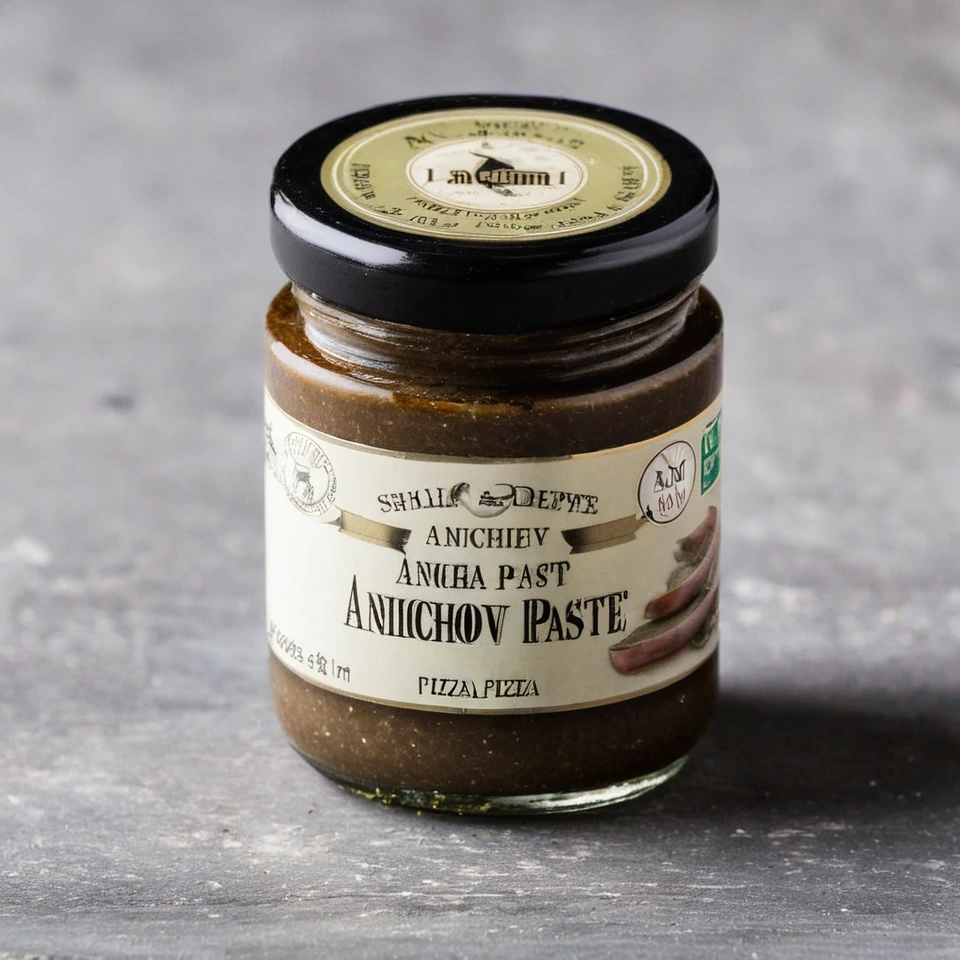
Anchovy Paste
Anchovy paste is a rich, salty spread made from finely ground anchovies, salt, and sometimes olive oil. It offers a deep umami flavor that enhances a variety of dishes.
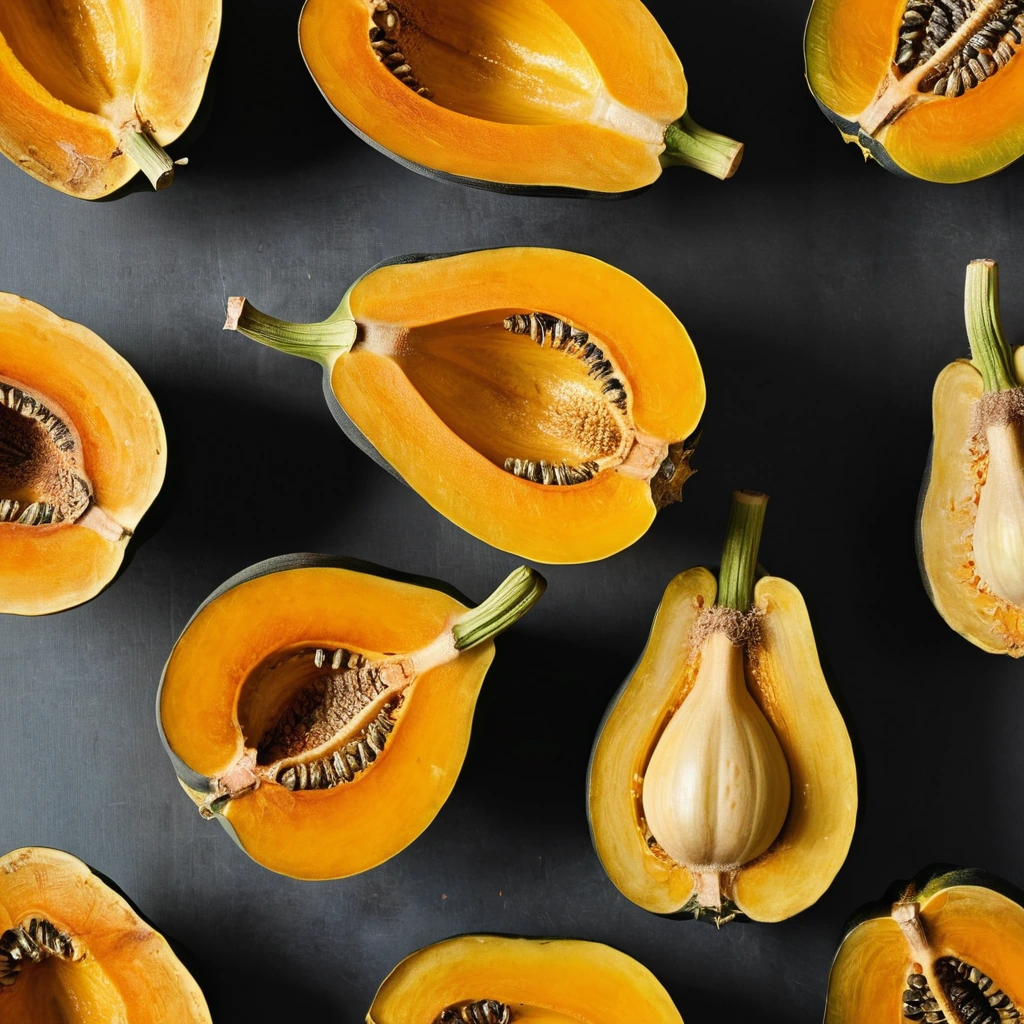
Acorn Squash
Acorn squash is a winter squash variety known for its distinctive teardrop shape and deep ridges resembling the texture of an acorn shell. Originating in the Americas, it has been cultivated for centuries and is a staple in autumn cuisine. The flesh is sweet and nutty with a hint of earthiness, offering a delightful contrast to savory dishes. Its texture is dense yet tender when cooked, making it ideal for roasting or pureeing. In cooking, acorn squash holds its shape well and absorbs flavors from herbs and spices, enhancing both its taste and versatility in recipes.
Recipes to try
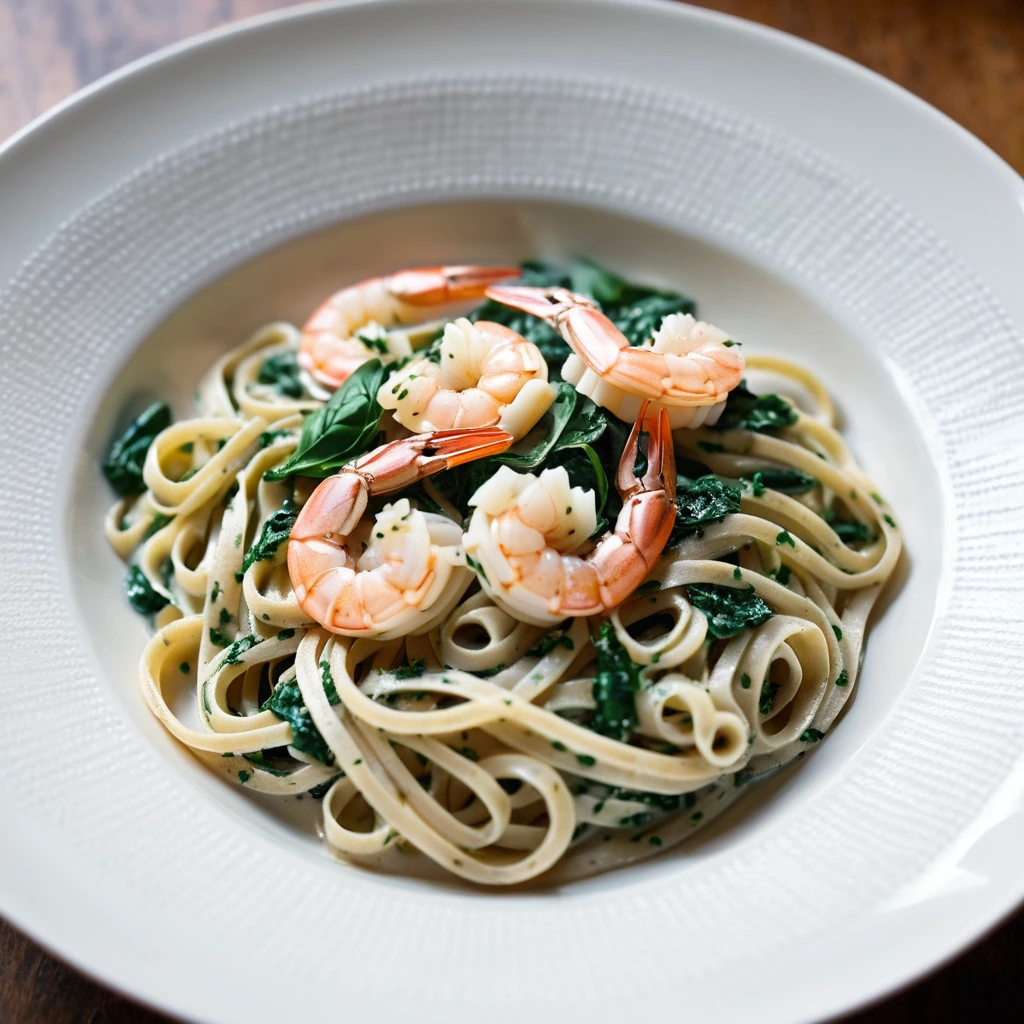
Shrimp and Spinach Linguine in White Wine Sauce
Succulent shrimp and fresh spinach mingle in a creamy white wine sauce, twirled into perfectly al dente linguine.
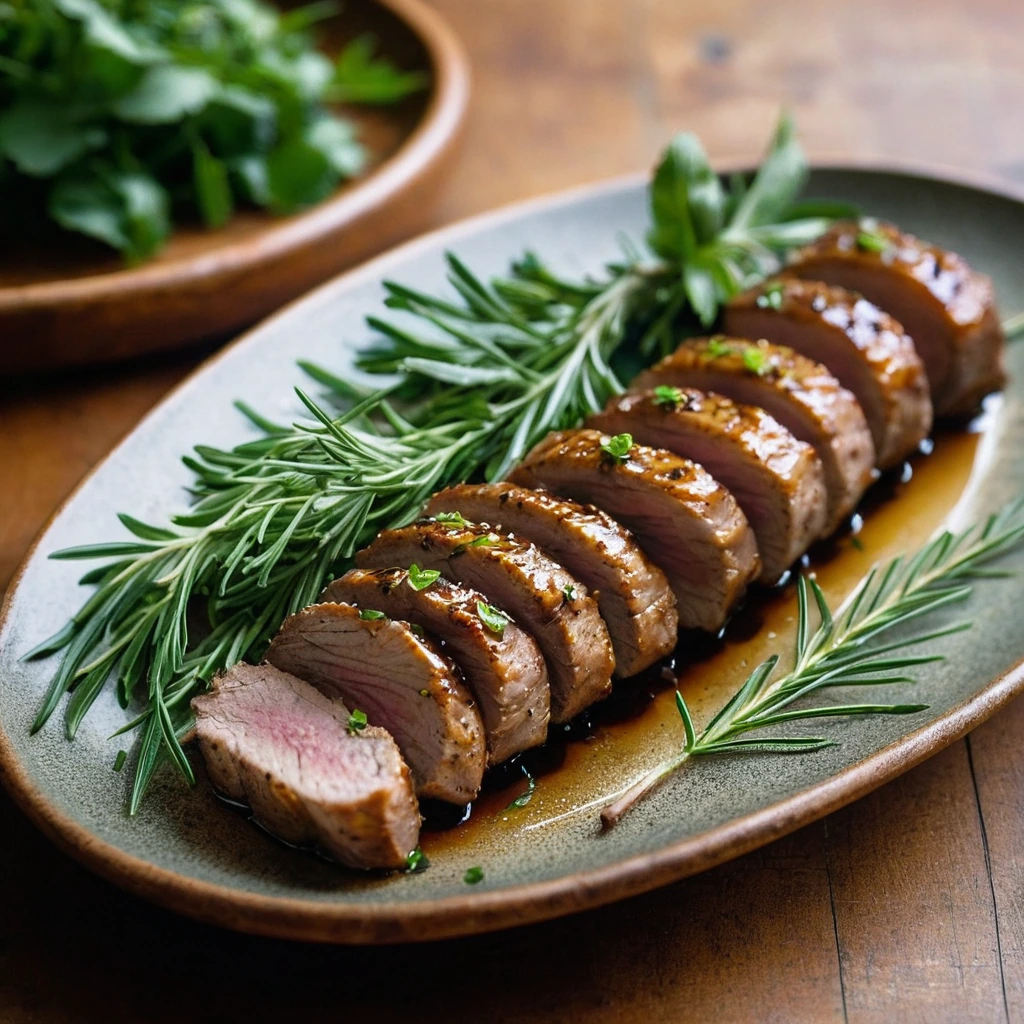
Pork Tenderloin with Garlic Honey Glaze
Succulent pork tenderloin kissed with a sweet, sticky glaze of garlic and honey for a flavor punch that'll have everyone coming back for seconds.