Baking: Preventing Cake Domes and Cracks
Achieving a perfectly flat and crack-free cake is a dream for many home bakers. Often, cakes emerge from the oven with unsightly domes or surface cracks, but with the right techniques, you can avoid these common pitfalls. Understanding oven spring, batter consistency, and baking times is crucial. Let's dive into the science and practical steps to ensure your next cake bakes evenly and beautifully. First, the dome: it occurs due to uneven heat distribution causing the center to rise faster. Meanwhile, cracks often result from the cake's surface drying out too quickly. To prevent these issues, you need to control your oven environment, adjust your batter, and monitor the baking process closely. By employing techniques like adjusting oven temperature, using the right pan size, and properly measuring ingredients, you can achieve professional-level results at home. Additionally, understanding how ingredients interact during baking will help troubleshoot and perfect your technique. From whisking to cooling, each step is pivotal in ensuring your cake doesn’t dome or crack. Let's explore how to master this technique for consistently flawless cakes.
Notes
The formation of cake domes is primarily due to uneven oven heat, causing the center to rise faster than the edges. To counteract this, adjusting the oven temperature and using a lower setting can help. Additionally, covering the cake with foil can prevent the top from over-browning and cracking. Cracks often appear when the cake's surface dries out too quickly, so maintaining humidity levels in the oven can be beneficial. Ensure your batter is well-mixed but not over-beaten, as this can introduce too much air and exacerbate doming. For troubleshooting, if your cake still domes, consider reducing the baking powder slightly in future batches. For storage, allow cakes to cool completely before wrapping tightly in plastic wrap or storing in an airtight container to maintain freshness.
Steps
- 1 Preheat oven to 325°F to ensure even heat distribution.
- 2 Use oven thermometer to confirm oven temperature accuracy.
- 3 Prepare cake batter with precise measurements for consistent results.
- 4 Adjust oven rack to middle position for uniform baking.
- 5 Grease and flour cake pans or line with parchment paper.
- 6 Pour batter evenly into prepared pans, smoothing the top with a spatula.
- 7 Bake cake for 25-35 minutes, checking for doneness with a toothpick.
- 8 If dome forms, cover cake loosely with aluminum foil halfway through baking.
- 9 Avoid opening oven door during first half of baking time.
- 10 Rotate pans halfway through baking for even browning.
- 11 Cool cakes in pans for 10 minutes before turning out onto wire racks.
- 12 Allow cakes to cool completely before frosting or decorating.
- 13 Adjust baking time based on oven performance and cake size.
- 14 Check for cracks by observing surface during last 10 minutes of baking.
Ingredients to explore
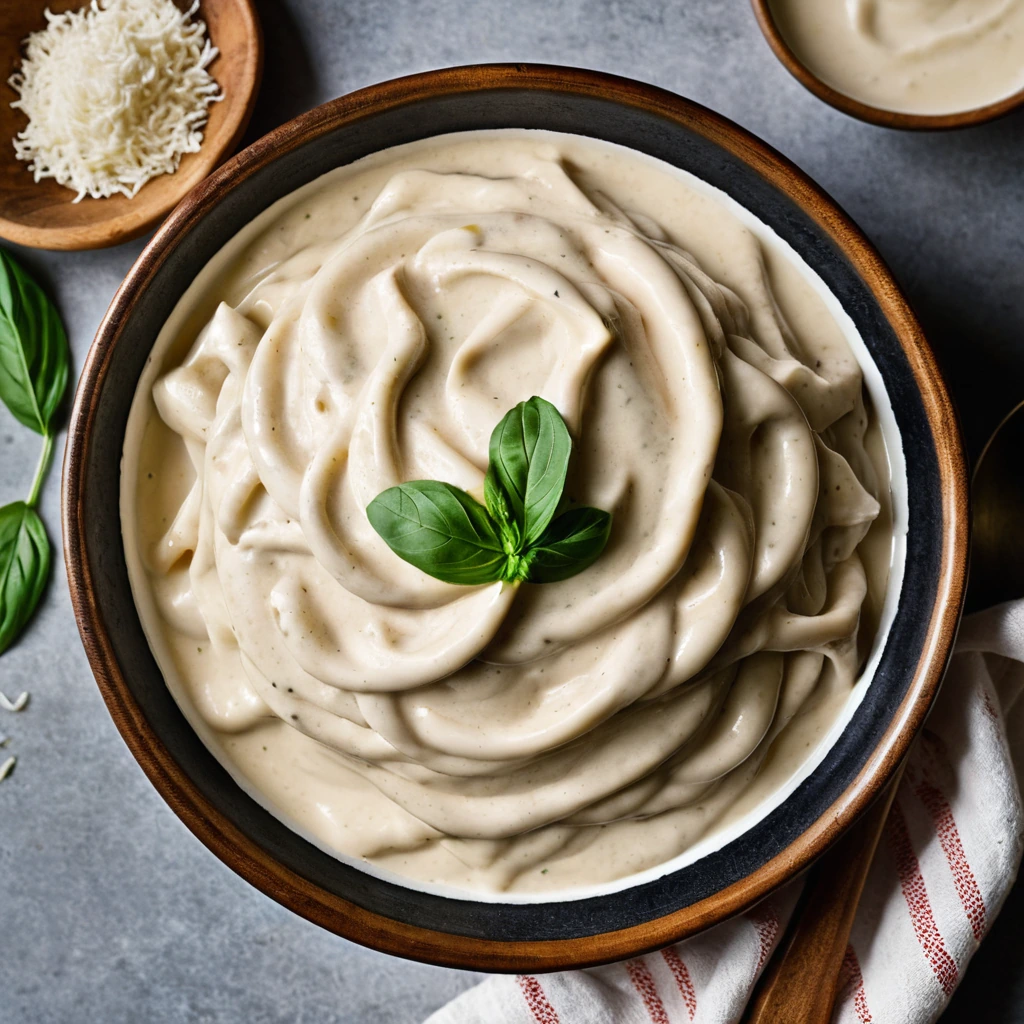
Alfredo Sauce
Creamy, rich, and utterly indulgent, Alfredo sauce is a dreamy blend of butter, heavy cream, and Parmesan cheese. Its velvety texture and savory depth make it a beloved staple in Italian-American cuisine.
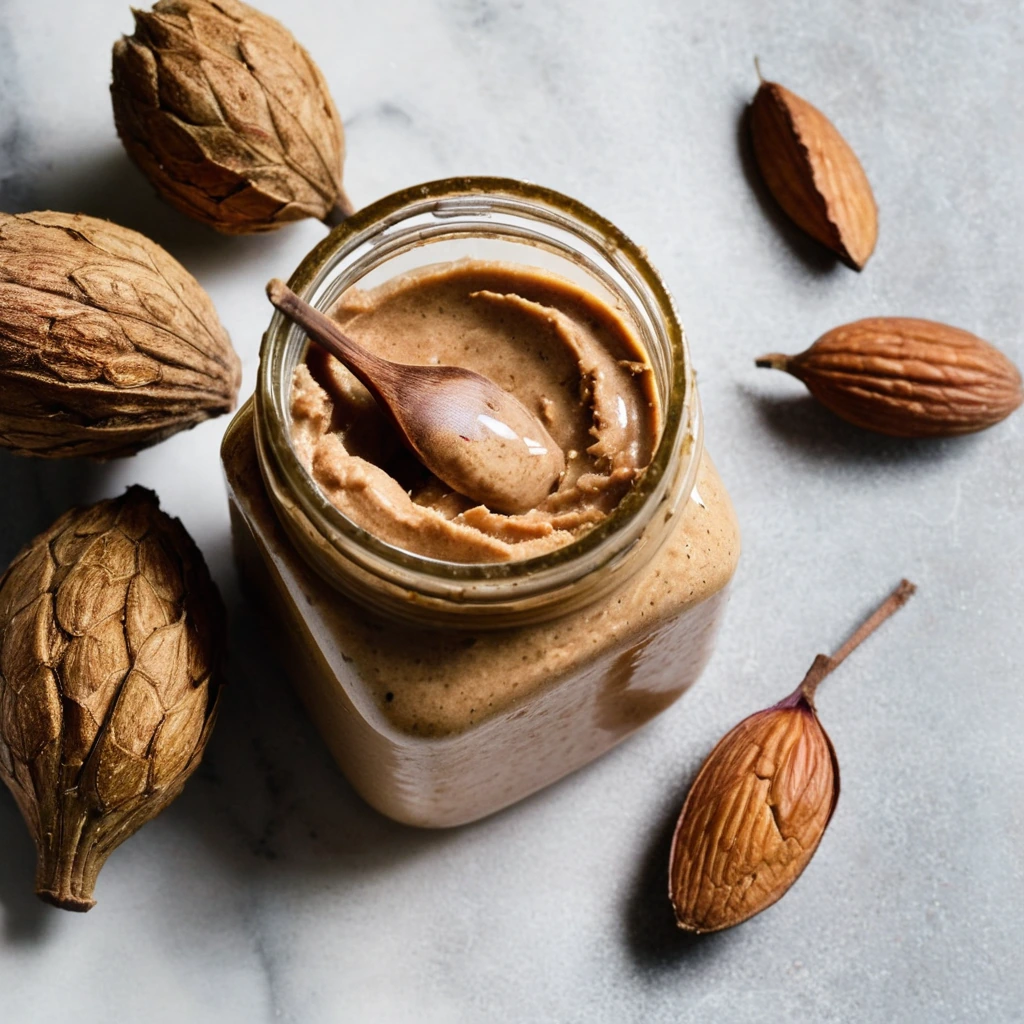
Almond Butter
A velvety, nutty spread crafted from finely ground almonds, offering a rich and satisfying flavor that's both comforting and indulgent.
Recipes to try
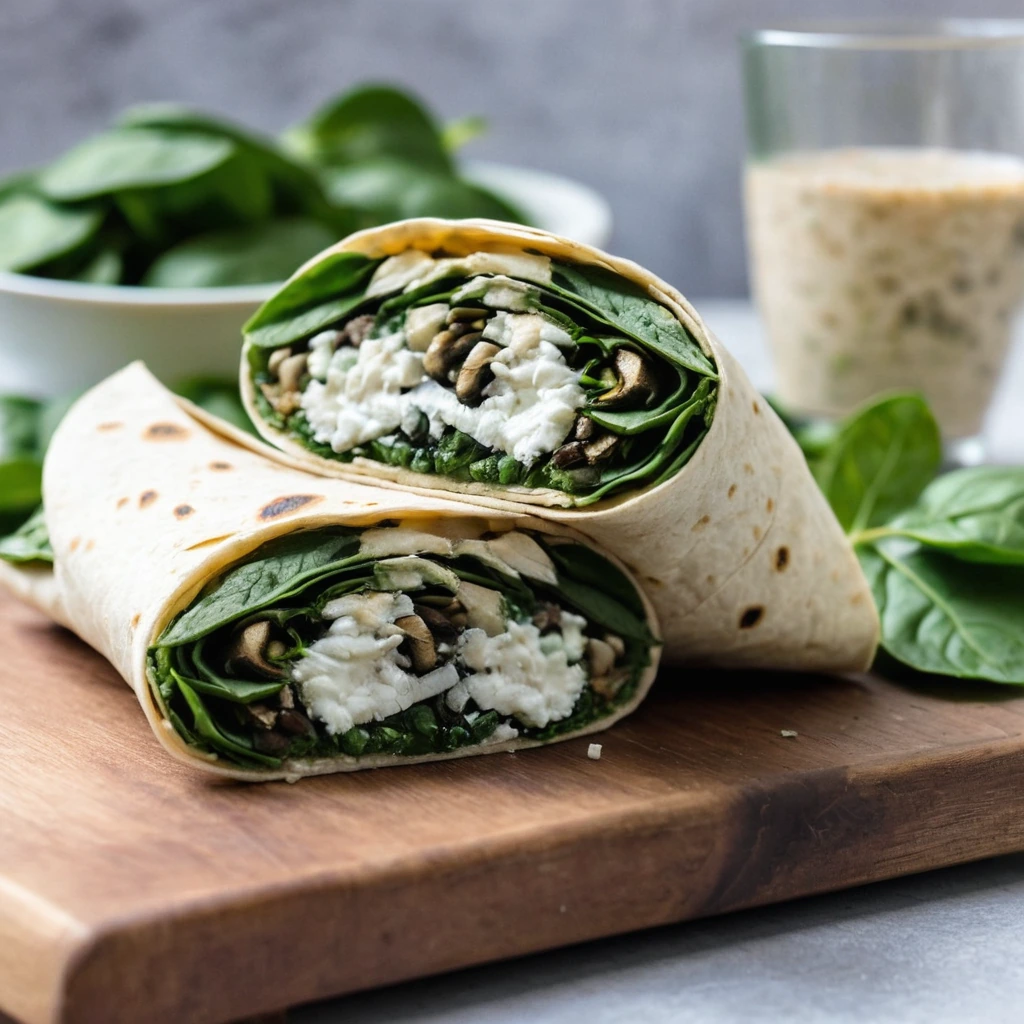
Spinach, Mushroom, and Feta Breakfast Wraps
These wraps are a cozy morning hug in a tortilla—creamy feta, earthy mushrooms, and vibrant spinach meld into a hearty breakfast.

Spiced Cauliflower and Potato Street Tacos
Crispy spiced cauliflower and tender potatoes packed into warm tortillas for a veggie-packed taco night.