Baking: Laminating Dough for Croissants
Laminating dough is the heart of creating those flaky, buttery layers that make croissants irresistible. This technique involves folding butter into dough and then repeatedly rolling and folding it to create hundreds of thin layers. Achieving the perfect croissant requires patience and precision, as each step builds upon the last. The key is to maintain a cold dough and butter throughout the process, ensuring the layers separate beautifully during baking. First, we'll discuss the importance of the butter block and how it integrates into the dough. Then, we'll explore the rolling and folding methods, known as 'turns,' which are crucial for layer development. Finally, we'll touch on resting periods, which allow the gluten to relax and prevent the dough from shrinking. By mastering laminating, you'll unlock the secret to professional-quality pastries at home.
Notes
The science behind laminating lies in creating distinct layers of dough and butter. Cold butter is crucial because it solidifies and doesn't mix with the dough, ensuring separation during baking. A common mistake is overworking the dough, which can lead to tough croissants; resting periods prevent this. If the dough warms too much, return it to the refrigerator immediately. For make-ahead convenience, shaped croissants can be frozen before proofing, then baked straight from the freezer with an extended proofing time.
Steps
- 1 Prepare a rectangular block of cold butter, matching the dimensions of your rolled-out dough.
- 2 Roll out your croissant dough into a rectangle approximately 16x9 inches.
- 3 Place the butter block centered on one half of the dough, leaving a 1-inch border.
- 4 Fold the other half of the dough over the butter to encase it completely.
- 5 Seal the edges by pressing gently with your fingertips to prevent butter from escaping.
- 6 Roll the dough into a rectangle, starting from the short end, applying even pressure.
- 7 Fold the top third of the dough down to the center, then fold the bottom third up, creating a 'letter fold'.
- 8 Rotate the dough 90 degrees and repeat the rolling and folding process for a total of 4 to 6 turns.
- 9 After each turn, wrap the dough in plastic and refrigerate for at least 30 minutes.
- 10 Ensure the dough and butter remain cold throughout to prevent merging.
- 11 After the final turn, let the dough rest in the refrigerator for at least 4 hours or overnight.
- 12 Portion and shape the dough into croissants, ensuring smooth, even layers.
- 13 Proof the shaped croissants at room temperature until nearly doubled in size.
- 14 Bake at 375°F until golden brown and cooked through.
Ingredients to explore
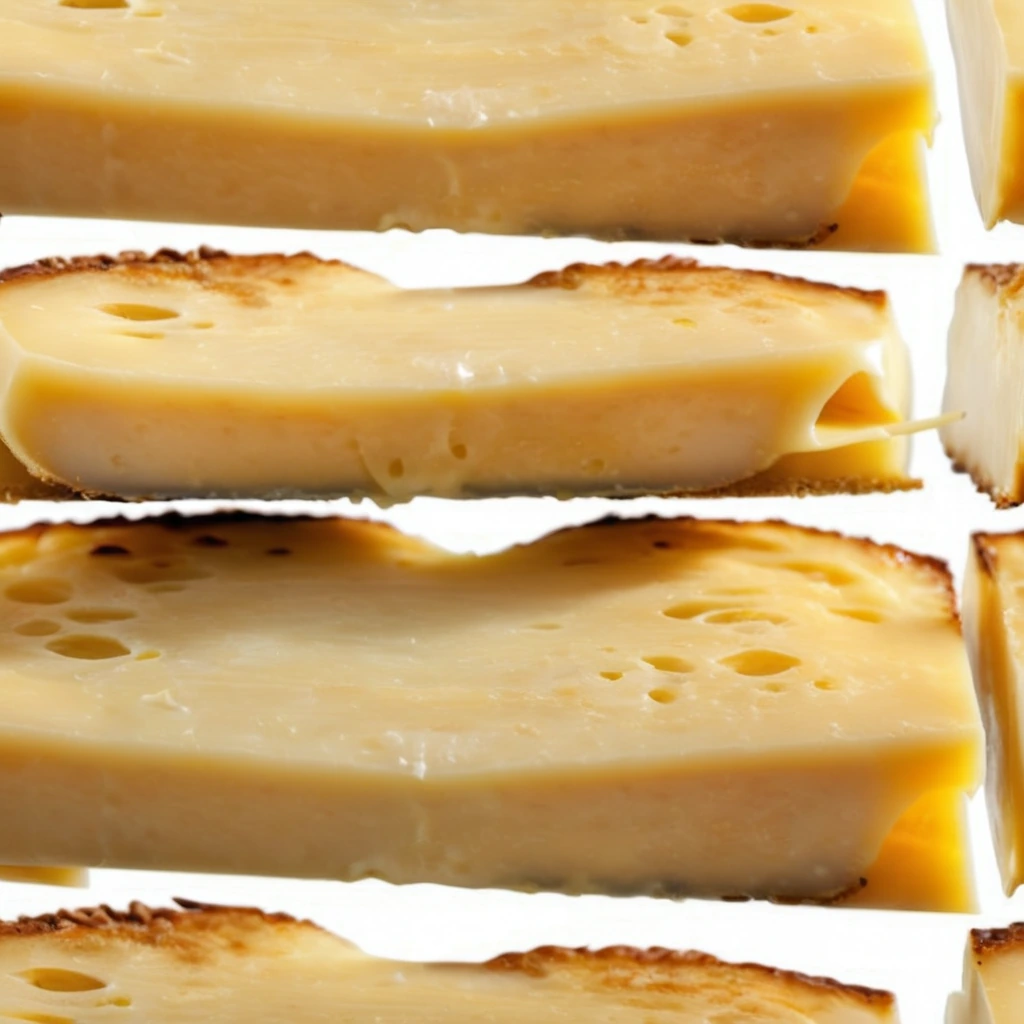
American Cheese Slices
Those iconic, perfectly pliable slices of creamy, mild American cheese. Each slice boasts a smooth, melt-in-your-mouth texture that brings comfort to any dish.
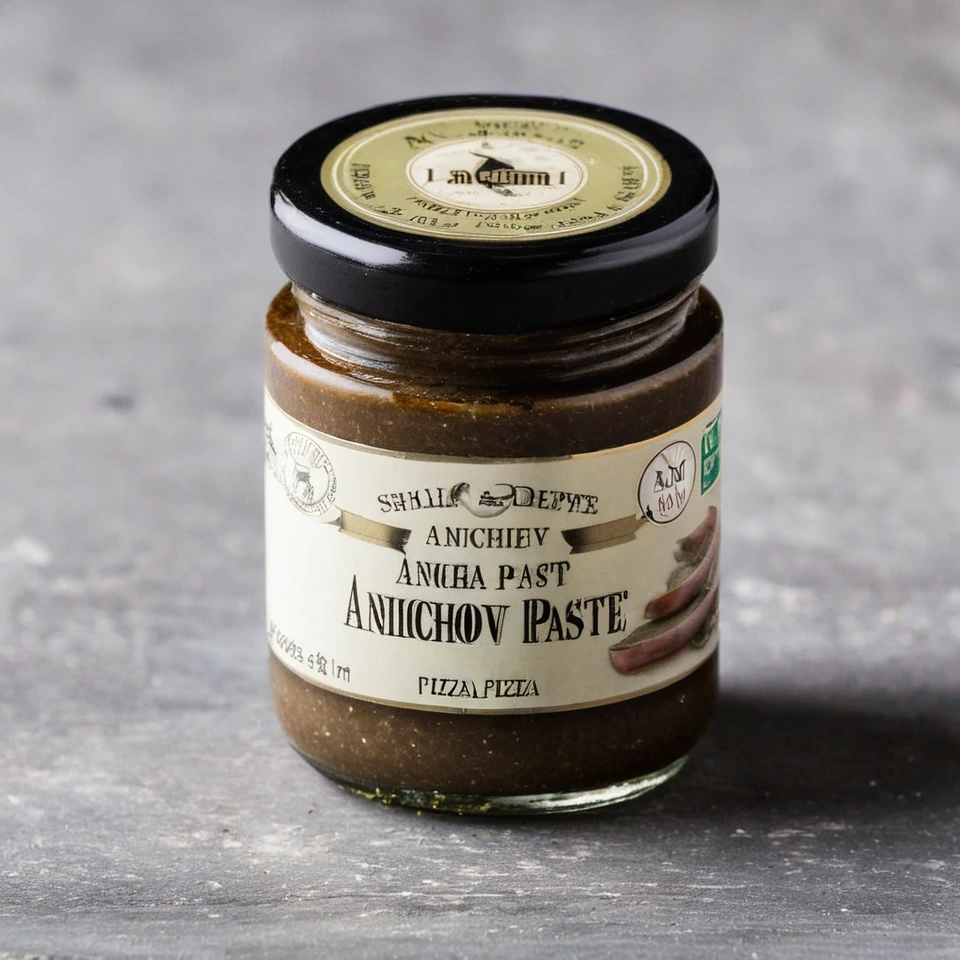
Anchovy Paste
Anchovy paste is a rich, salty spread made from finely ground anchovies, salt, and sometimes olive oil. It offers a deep umami flavor that enhances a variety of dishes.
Recipes to try

Sweet Potato and Kale Skillet with Feta
Golden roasted sweet potatoes and tender kale come together in a skillet, kissed by tangy feta and a whisper of garlic.

Warm Quinoa Salad with Roasted Squash and Cranberries
A cozy mix of nutty quinoa, tender roasted squash, and sweet cranberries makes this salad a fall favorite.