Baking: Fruit Pie Thickening - Starch Choices
Creating the perfect fruit pie filling requires mastering the art of thickening. The choice of starch can make or break your pie's texture. This technique delves into the nuances of selecting the right starch for your pie filling. Cornstarch is a popular choice due to its clarity and strong thickening power, ideal for berry pies. Tapioca starch offers a glossy finish and works wonders with high-acid fruits like apples and cranberries. Arrowroot provides a delicate thickening that works best for peach or pear pies. Each starch has its unique properties and understanding these can elevate your pie game. The temperature at which the starch is added and how it's mixed into the filling are crucial. Overcooking can lead to a breakdown of the starch, resulting in a runny pie. Conversely, undercooking can leave you with a starchy taste and unappealing texture. Achieving the perfect balance is key to a pie that's both visually appealing and deliciously satisfying. This guide will walk you through selecting, preparing, and incorporating the ideal starch into your pie filling, ensuring a luscious, well-thickened result every time.
Notes
The science behind pie thickening lies in the starch granules' ability to absorb water and swell when heated. This process, called gelatinization, is what thickens the pie filling. However, different starches gelatinize at different temperatures, so it's crucial to follow the appropriate baking times. A common mistake is adding too much starch, resulting in a gluey texture. To troubleshoot, start with the lower end of the starch measurement and adjust as needed. Safety is generally straightforward, but ensure your pie reaches an internal temperature of 180°F to kill any potential bacteria. For make-ahead convenience, prepare the filling a day ahead and store it in the fridge before assembling the pie.
Steps
- 1 Choose your starch based on the fruit type: cornstarch for berries, tapioca for apples, and arrowroot for peaches.
- 2 Measure 2 to 3 tablespoons of starch per 4 cups of fruit.
- 3 If using cornstarch, mix it with 1/4 cup of cold water to create a slurry to avoid lumps.
- 4 For tapioca, use quick-cooking granules and mix directly into the fruit.
- 5 Toss the starch evenly with the fruit in a large bowl.
- 6 Add sugar and spices to the fruit mixture and let it sit for 30 minutes to an hour to macerate.
- 7 Preheat your oven to 375°F.
- 8 Pour the filling into your pie crust and cover with the top crust.
- 9 Bake for 50 to 60 minutes or until the crust is golden brown and the filling is bubbling.
- 10 Check the filling consistency by gently shaking the pie; it should be firm but not wobbly.
- 11 If the filling appears too runny after baking, you can make a cornstarch slurry and add it to the pie before the last 10 minutes of baking.
- 12 Allow the pie to cool completely before serving to ensure the filling sets properly.
- 13 Store any leftovers in the refrigerator for up to 3 days.
Ingredients to explore
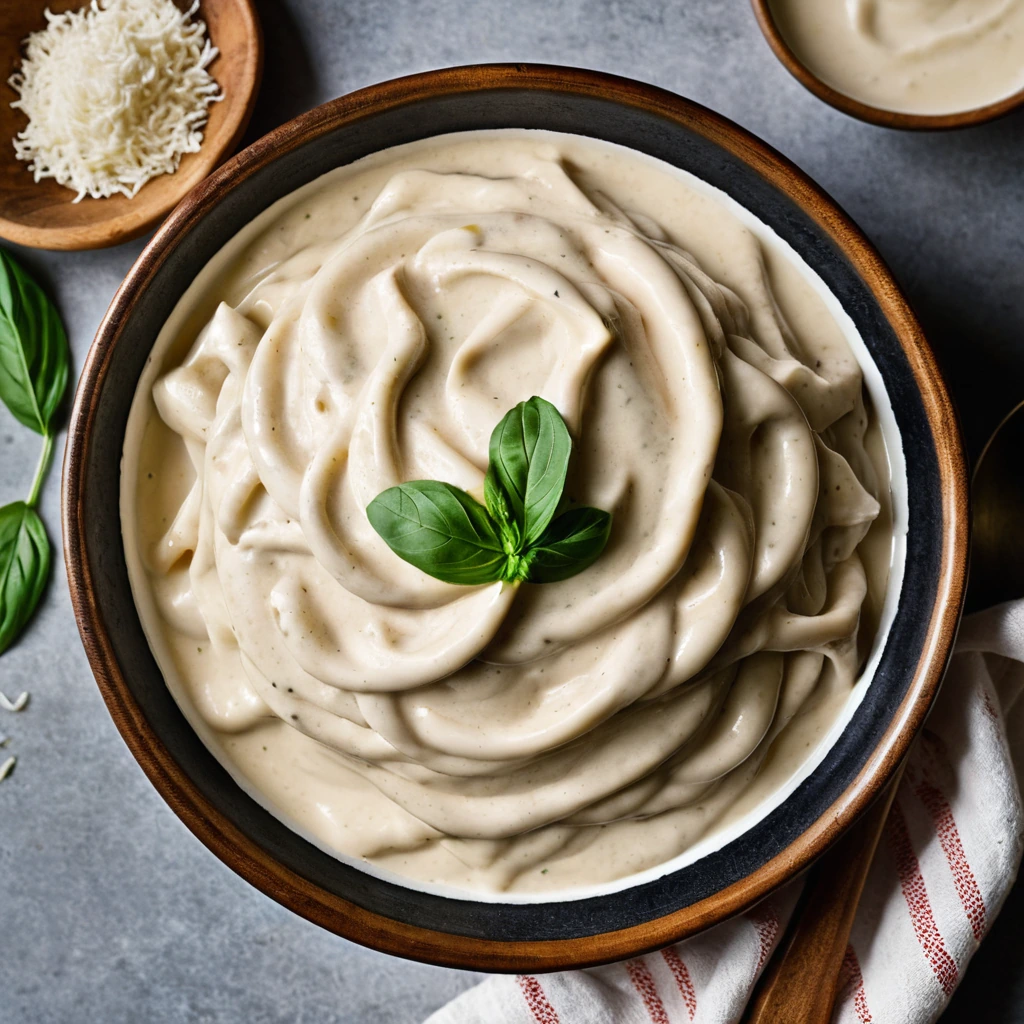
Alfredo Sauce
Creamy, rich, and utterly indulgent, Alfredo sauce is a dreamy blend of butter, heavy cream, and Parmesan cheese. Its velvety texture and savory depth make it a beloved staple in Italian-American cuisine.
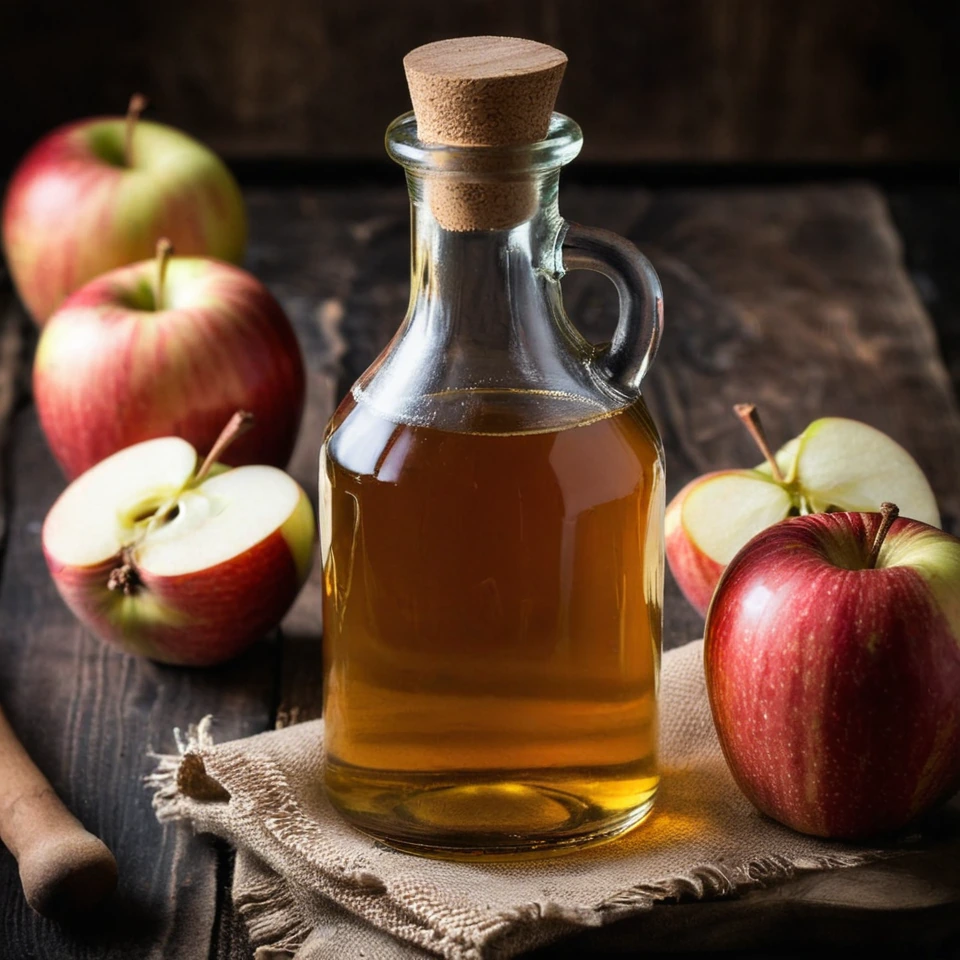
Apple Cider Vinegar
Apple cider vinegar is a type of vinegar made through the fermentation of apple cider, resulting in a tangy, slightly sweet liquid with a pale to medium amber color.
Recipes to try
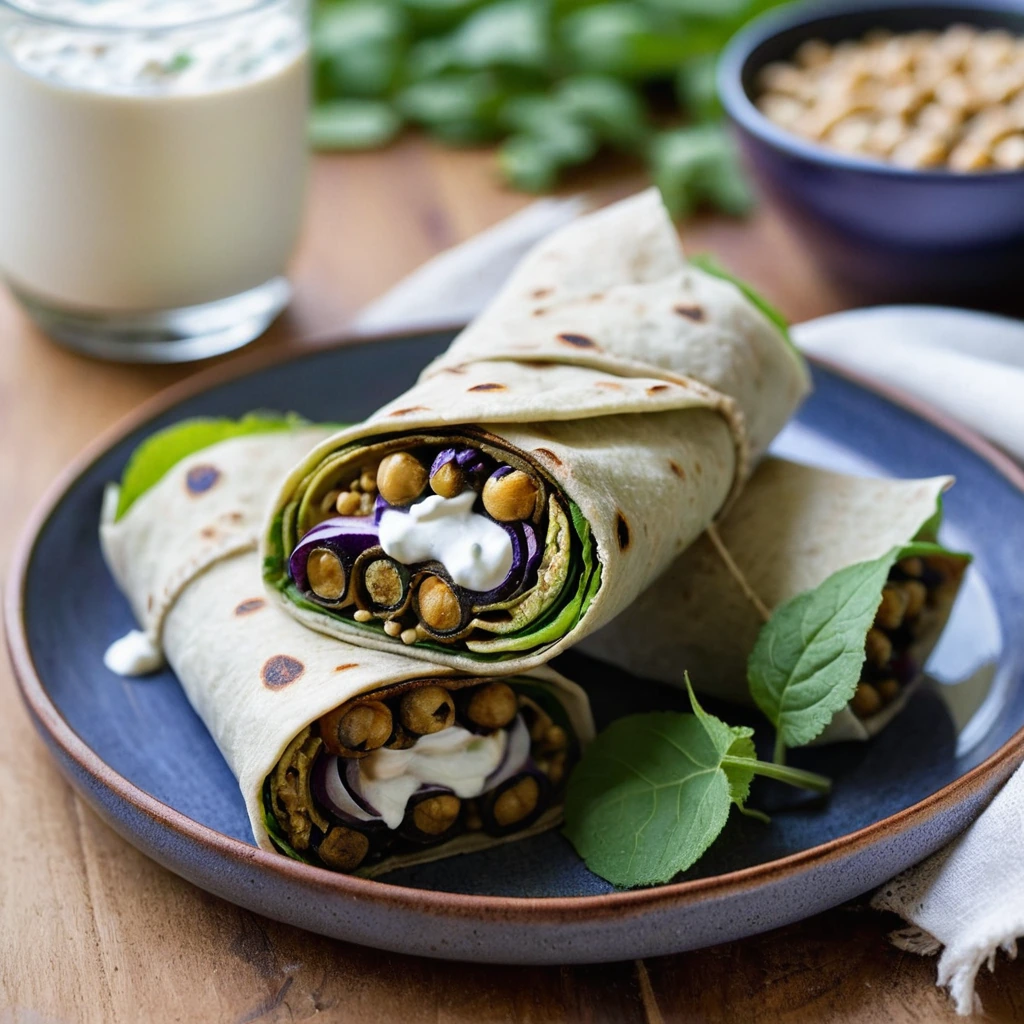
Roasted Eggplant and Chickpea Wraps with Yogurt
Creamy yogurt swirls with smoky roasted eggplant and hearty chickpeas, all wrapped in a warm tortilla for a veggie-packed meal.

Lemon Raspberry Cheesecake Parfaits
Creamy layers of lemon cheesecake meet tangy raspberry swirls in a delightful parfait that's as pretty as it is delicious.