Baking: Cooling and Wrapping Cakes for Frosting
Achieving a perfectly frosted cake starts long before you pick up that spatula. Cooling and wrapping cakes properly is an essential technique that ensures your final creation is both visually stunning and structurally sound. When you remove a cake from the oven, it's still undergoing changes. Residual heat continues to cook the cake, and sudden temperature changes can cause it to sink or crack. Properly cooling your cake allows it to set without these issues. Once cooled, wrapping the cake serves multiple purposes: it prevents the cake from drying out, helps to create an even surface for frosting, and can even enhance the flavors as the cake rests. Let’s dive into the whys and hows of this critical baking process. First, understanding the science is key. As your cake bakes, moisture evaporates and the structure sets. If you move it to the fridge too quickly, condensation can form on the surface, making it soggy. Cooling at room temperature allows the cake to firm up naturally. Wrapping the cake in plastic wrap or aluminum foil after it has cooled creates a barrier that traps moisture, keeping it fresh. This technique also helps the cake develop an even crumb, making it easier to level and frost smoothly. Additionally, allowing the cake to rest wrapped for several hours or overnight can meld flavors, resulting in a richer taste. However, there are common pitfalls to avoid. Cooling a cake directly on a wire rack without a cooling surface underneath can lead to a soggy bottom. Similarly, unwrapping a cake too soon after refrigeration can lead to condensation issues. In this guide, we’ll walk through each step with precision to ensure your cake is ready for frosting like a pro.
Notes
The science behind cooling and wrapping lies in controlling moisture and temperature. Rapid cooling can cause condensation, leading to a soggy cake. Room temperature cooling allows for gradual moisture redistribution, setting the cake's structure without compromising texture. Wrapping the cake acts like a moisture barrier, keeping the cake fresh and preventing it from drying out. A common mistake is refrigerating the cake unwrapped, which can lead to condensation and a soggy surface when brought back to room temperature. Always ensure the cake is completely cool before wrapping to avoid trapped heat that can make the cake soggy. For storage, room temperature is ideal for short periods, but refrigeration is necessary for longer storage. Remember to bring the cake back to room temperature before frosting to achieve the best consistency and avoid condensation issues.
Steps
- 1 Remove the cake from the oven and let it rest in the pan for 10 minutes.
- 2 Run a knife around the edges to loosen the cake from the pan.
- 3 Invert the cake onto a wire rack placed over a baking sheet.
- 4 Allow the cake to cool completely at room temperature for 1 to 2 hours.
- 5 Once cooled, place a piece of plastic wrap or aluminum foil directly onto the cake surface.
- 6 Wrap the cake entirely, ensuring no air can get in.
- 7 Label the wrapped cake with the date and flavor for clarity.
- 8 Store the wrapped cake at room temperature for up to 2 days or refrigerate for longer storage.
- 9 For overnight storage, keep the cake in the refrigerator.
- 10 Before frosting, bring the cake to room temperature to avoid condensation.
Ingredients to explore

Andouille Sausage
Andouille sausage is a coarse-grained, smoked pork sausage with a rich history rooted in French cuisine, particularly from the Alsace region. It was adapted in Louisiana, where it became a staple in Cajun and Creole cooking. The sausage is known for its robust, smoky flavor with hints of garlic, pepper, and other spices, creating a spicy and savory profile. Its texture is firm yet slightly chewy, making it a hearty addition to dishes. When cooked, andouille sausage maintains its shape well and infuses dishes with its distinctive smoky essence, enhancing stews, soups, and rice dishes.
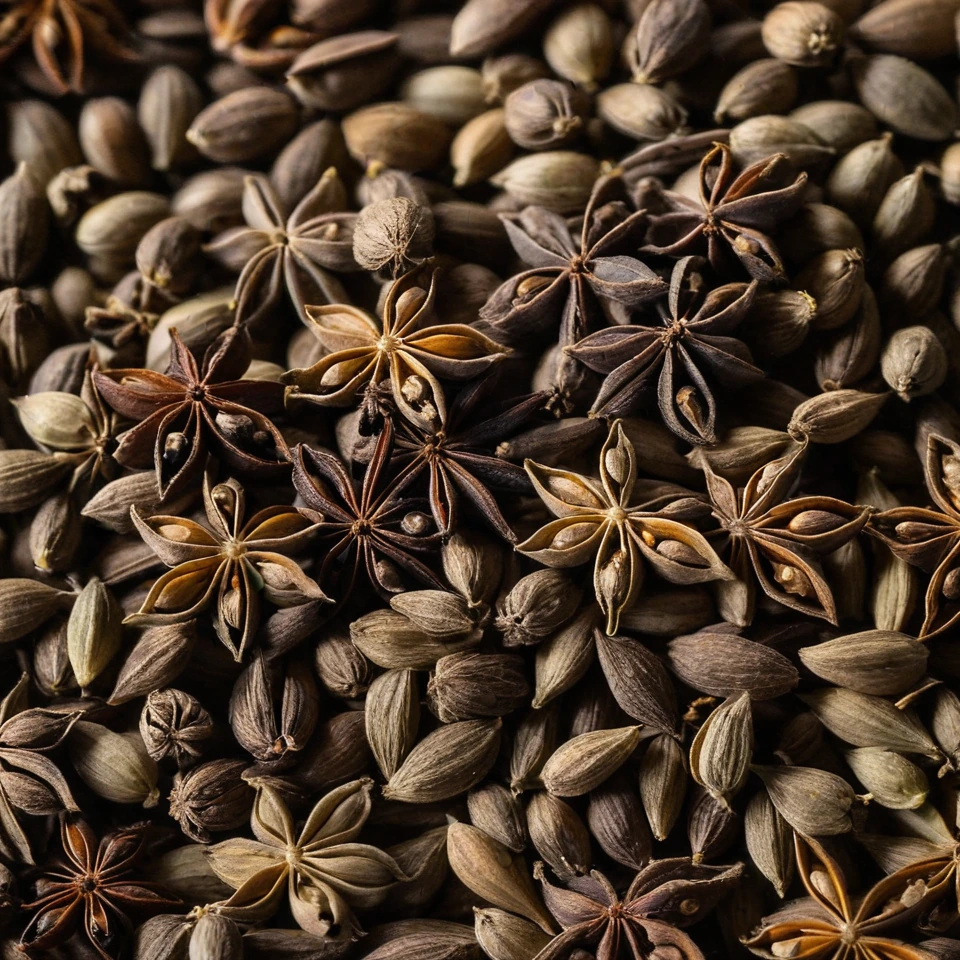
Anise Seeds
Anise seeds are small, oval seeds with a sweet, licorice-like flavor. They are commonly used in both sweet and savory dishes, offering a warm, aromatic taste.
Recipes to try
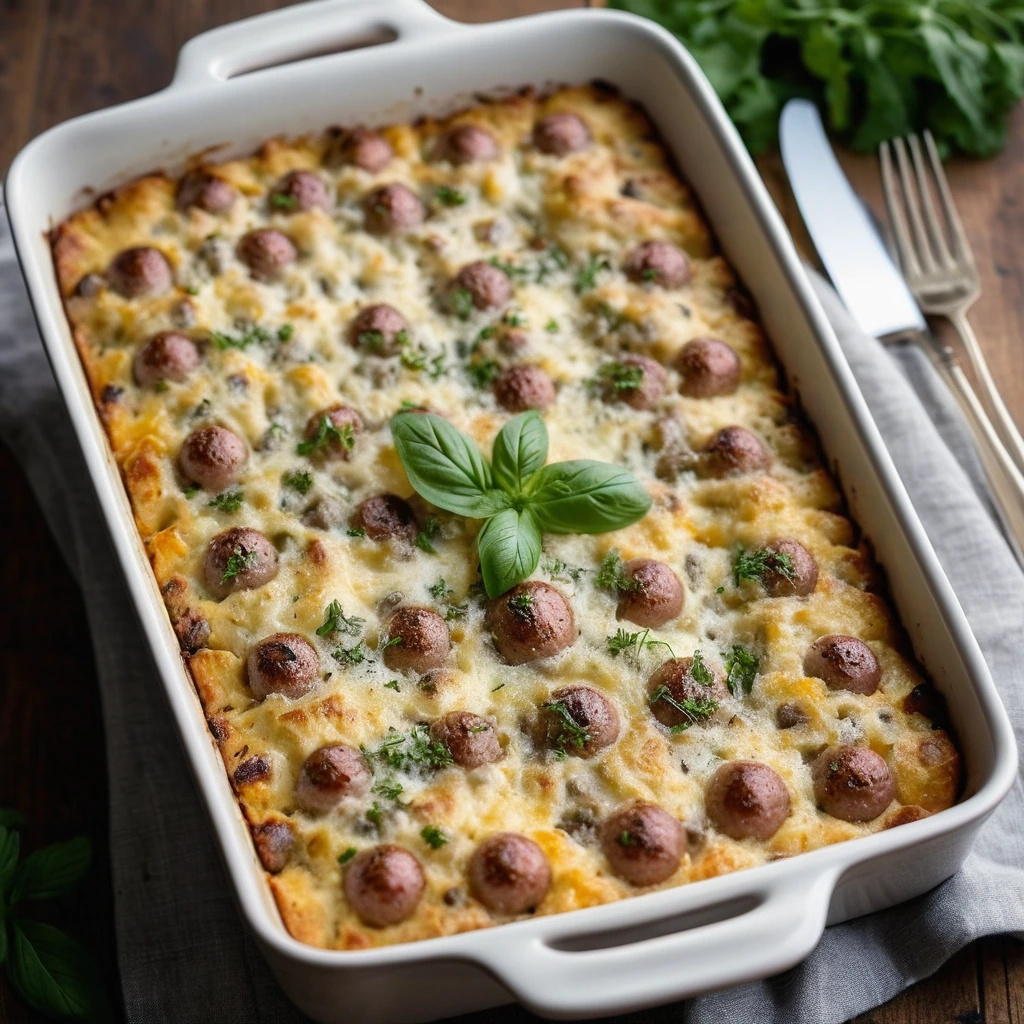
Sausage and Potato Breakfast Casserole
This hearty casserole combines savory sausage, crispy potatoes, and melty cheese into a golden, bubbly brunch masterpiece.

Smoky Black Bean and Corn Soup with Lime
This soup is a tangy, smoky hug in a bowl, with the fresh zing of lime cutting through rich black beans and sweet corn.