Baking: Chocolate Bloom - Prevention and Fixes
Chocolate bloom is a common issue that can ruin the appearance of your chocolate treats. It occurs when cocoa butter or moisture migrates to the surface, creating unsightly white streaks or spots. While it doesn't affect the taste, it can make your chocolate look less appealing. Understanding the science behind chocolate bloom can help you prevent it and restore your chocolate to its former glory. This technique dives into the intricacies of chocolate bloom, offering practical steps to keep your chocolate smooth and shiny. We'll explore why bloom happens, how to store chocolate properly, and how to fix it when it occurs. Whether you're tempering chocolate for bonbons or melting it for a drizzle, mastering bloom prevention will elevate your baking game.
Notes
Chocolate bloom happens due to cocoa butter crystals reorganizing into a less stable form or moisture reaching the surface. Proper tempering aligns cocoa butter crystals into a stable form, creating a glossy finish. Troubleshooting often involves re-tempering, but prevention is key. Avoid rapid temperature changes and moisture exposure. For storage, a consistent environment is crucial to prevent bloom. If you notice bloom, don't panic—it's fixable. However, bloomed chocolate might not re-temper perfectly, so it's best used for recipes where appearance isn't critical. Always use a clean, dry workspace and tools to maintain chocolate quality.
Steps
- 1 Store chocolate in a cool, dry place with consistent temperature, ideally between 65°F and 70°F.
- 2 Avoid exposing chocolate to temperature fluctuations above 75°F or below 60°F.
- 3 Use airtight containers to protect chocolate from humidity and odors.
- 4 When melting chocolate, use a double boiler or microwave in short bursts to maintain control.
- 5 Stir chocolate gently and consistently while melting to ensure even heating.
- 6 For tempering, heat chocolate to 110°F-115°F for dark chocolate, then cool to 82°F before reheating to 88°F-90°F.
- 7 For milk or white chocolate, heat to 105°F-110°F, cool to 80°F, then reheat to 86°F-88°F.
- 8 Test the temper by spreading a thin layer on parchment; it should set smooth and shiny within 5 minutes.
- 9 If bloom occurs, melt and re-temper the chocolate to restore its sheen.
- 10 For surface moisture bloom, gently reheat the chocolate to 90°F and re-temper it.
- 11 Use a thermometer to monitor chocolate temperature accurately throughout the process.
- 12 Always handle chocolate with dry utensils to prevent moisture contamination.
- 13 Let tempered chocolate rest for 5 minutes before using to stabilize.
- 14 Cover melted chocolate when not in use to prevent dust and moisture from settling.
Ingredients to explore

Anaheim Peppers
Anaheim peppers are a mild chili pepper variety named after Anaheim, California, where they were first cultivated commercially. Originating from the New Mexico region, these peppers are celebrated for their versatility and gentle heat. They possess a flavor that is mildly sweet with a subtle tang, and a pleasant vegetal note reminiscent of green bell peppers, but with a hint of spice. Their texture is firm and crisp when fresh, becoming tender and slightly smoky when roasted or cooked. In cooking, Anaheim peppers behave well across a range of techniques, from grilling and roasting to stuffing and sautéing, contributing a nuanced depth without overwhelming other ingredients with heat.
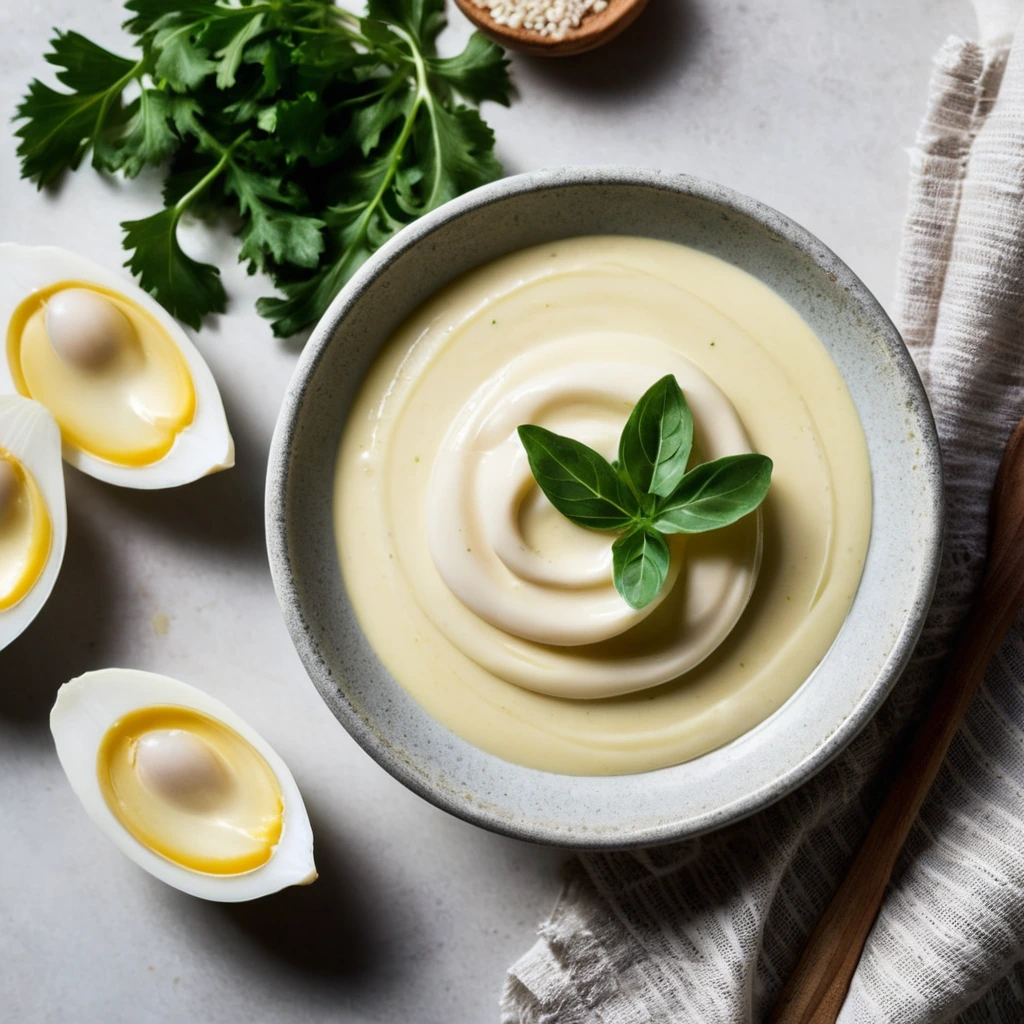
Aioli
A luscious, velvety emulsion of garlic and olive oil, aioli is a rich and aromatic sauce that dances on the palate with its creamy texture and bold, pungent flavor.
Recipes to try
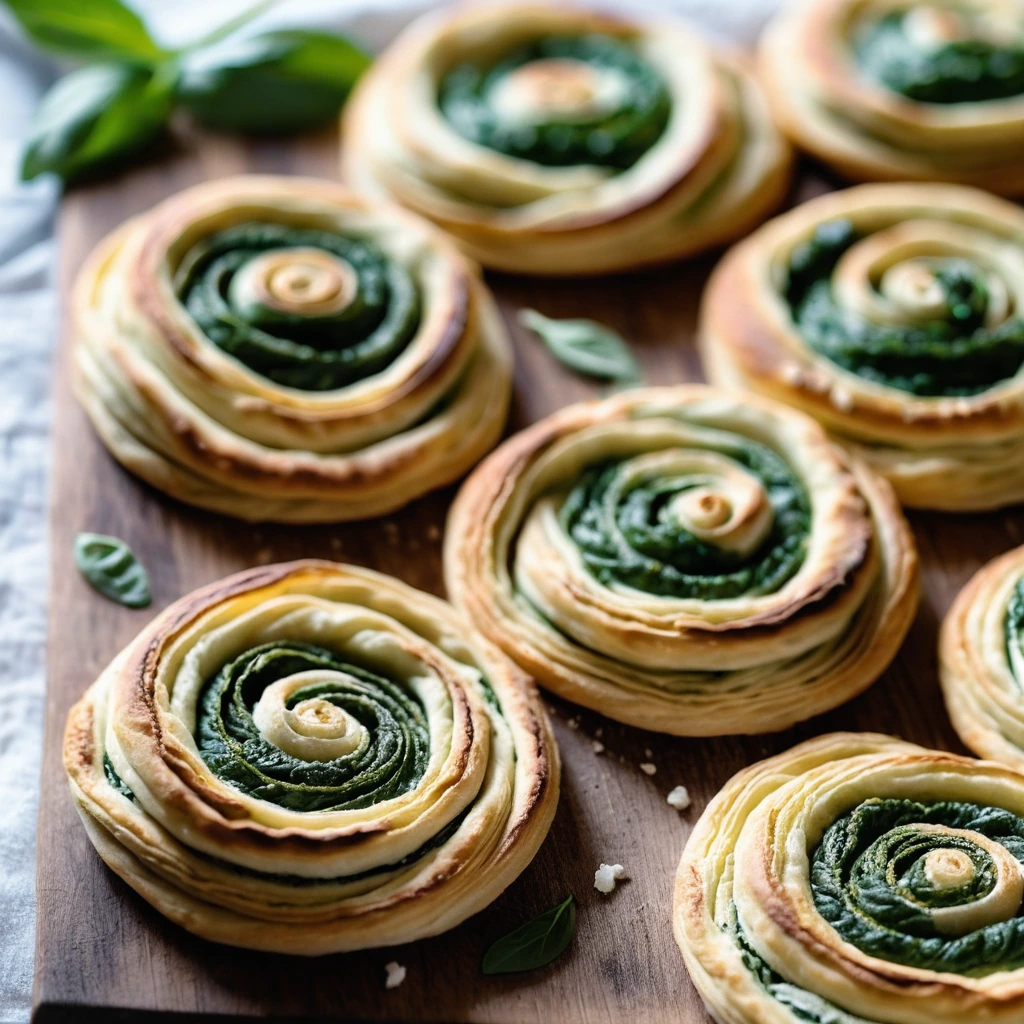
Spinach and Feta Puff Pastry Swirls
Golden, flaky layers of puff pastry embrace a savory mix of spinach and tangy feta in these irresistible swirls.
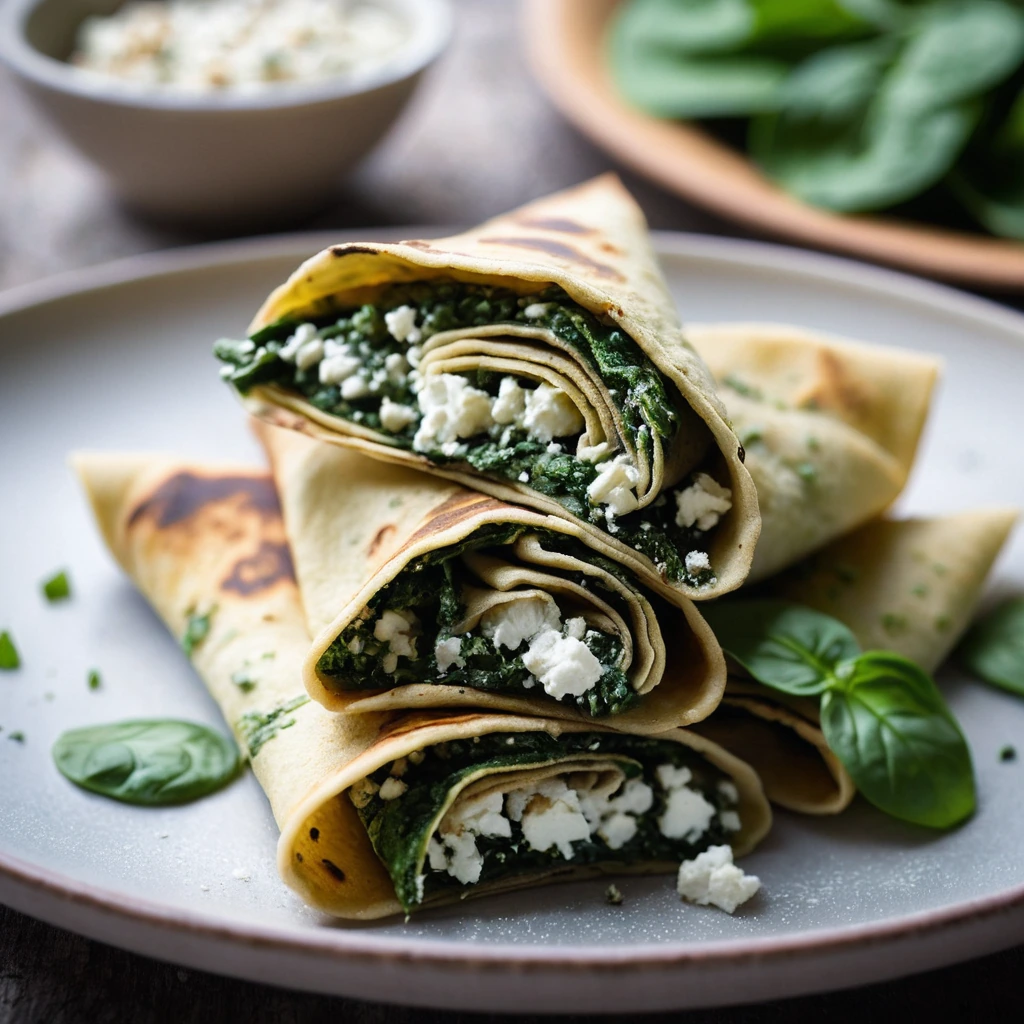
Spinach, Mushroom, and Feta Stuffed Crepes
Golden crepes envelop a savory blend of earthy mushrooms, tender spinach, and tangy feta for a satisfying vegetarian treat.