Baking: Buttercream Types and When to Use Them
Buttercream is the pièce de résistance of cake decorating, offering a canvas of flavor and texture for your confections. There are several types of buttercream, each with unique characteristics that make them ideal for different occasions. American buttercream is quick and fluffy, perfect for beginners and casual gatherings. Swiss meringue buttercream is silky and smooth, excellent for elegant events due to its refined texture and stability. Italian meringue buttercream stands out with its glossy finish and robust structure, ideal for piping intricate designs. French buttercream is rich and velvety, often reserved for fillings due to its delicate nature. Understanding these buttercreams and their best applications can elevate your baking game, ensuring your desserts are not just delicious but visually stunning too. Let’s dive into the nuances of each type and discover when to use them for maximum impact.
Notes
Understanding the science behind each buttercream helps in choosing the right one for your project. American buttercream relies on the emulsifying properties of butter and powdered sugar, making it simple but less stable in heat. Swiss and Italian meringue buttercreams use heat to dissolve sugar fully, creating a stable, smooth texture that resists weeping. French buttercream's richness comes from the custard base, but it can break if not handled gently. Common mistakes include overheating the sugar syrup or adding butter too quickly to French buttercream. To troubleshoot, ensure your ingredients are at the correct temperature and incorporate them slowly. Store buttercream in an airtight container in the refrigerator for up to a week, though bring to room temperature before use for best results.
Steps
- 1 Gather ingredients for the type of buttercream you plan to make.
- 2 For American buttercream, cream unsalted butter until light and fluffy.
- 3 Gradually add powdered sugar, one cup at a time, to the butter.
- 4 Incorporate vanilla extract and a pinch of salt for flavor.
- 5 Beat Swiss meringue buttercream ingredients over a double boiler until sugar dissolves.
- 6 Whisk the warm mixture in a stand mixer until it cools and becomes fluffy.
- 7 Cook sugar and water to a soft ball stage for Italian meringue buttercream.
- 8 Whisk egg whites to soft peaks and slowly pour in the hot sugar syrup.
- 9 Continue beating until the mixture is cool and glossy.
- 10 For French buttercream, whisk egg yolks and sugar over a double boiler until thick.
- 11 Whisk in softened butter, one tablespoon at a time.
- 12 Add flavorings and adjust consistency with cream if needed.
- 13 Chill the buttercream briefly if it’s too soft for piping.
- 14 Pipe or spread the buttercream onto your cake or cupcakes.
Ingredients to explore
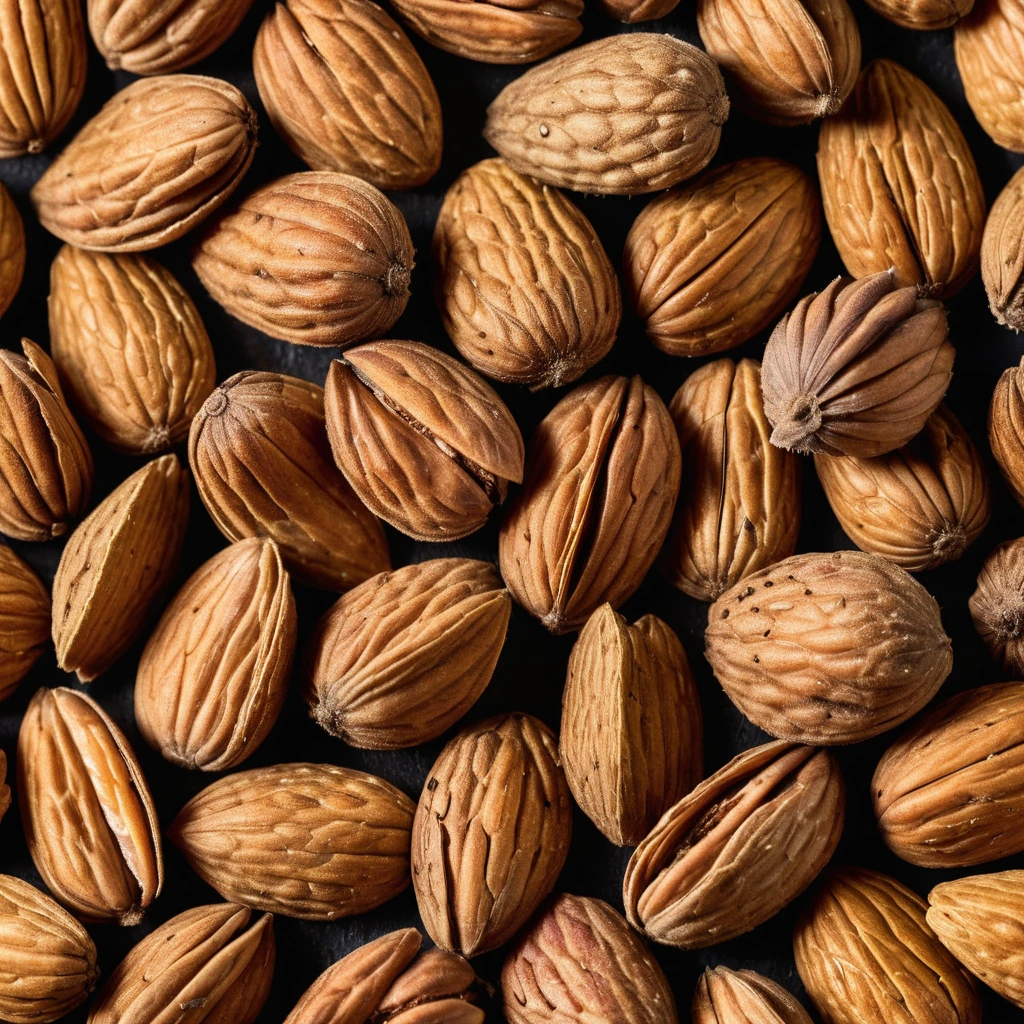
Almonds
With their golden-brown hue and delicate, edible skin, almonds are a crunchy delight. These versatile nuts boast a rich, buttery flavor that adds depth to both sweet and savory dishes.
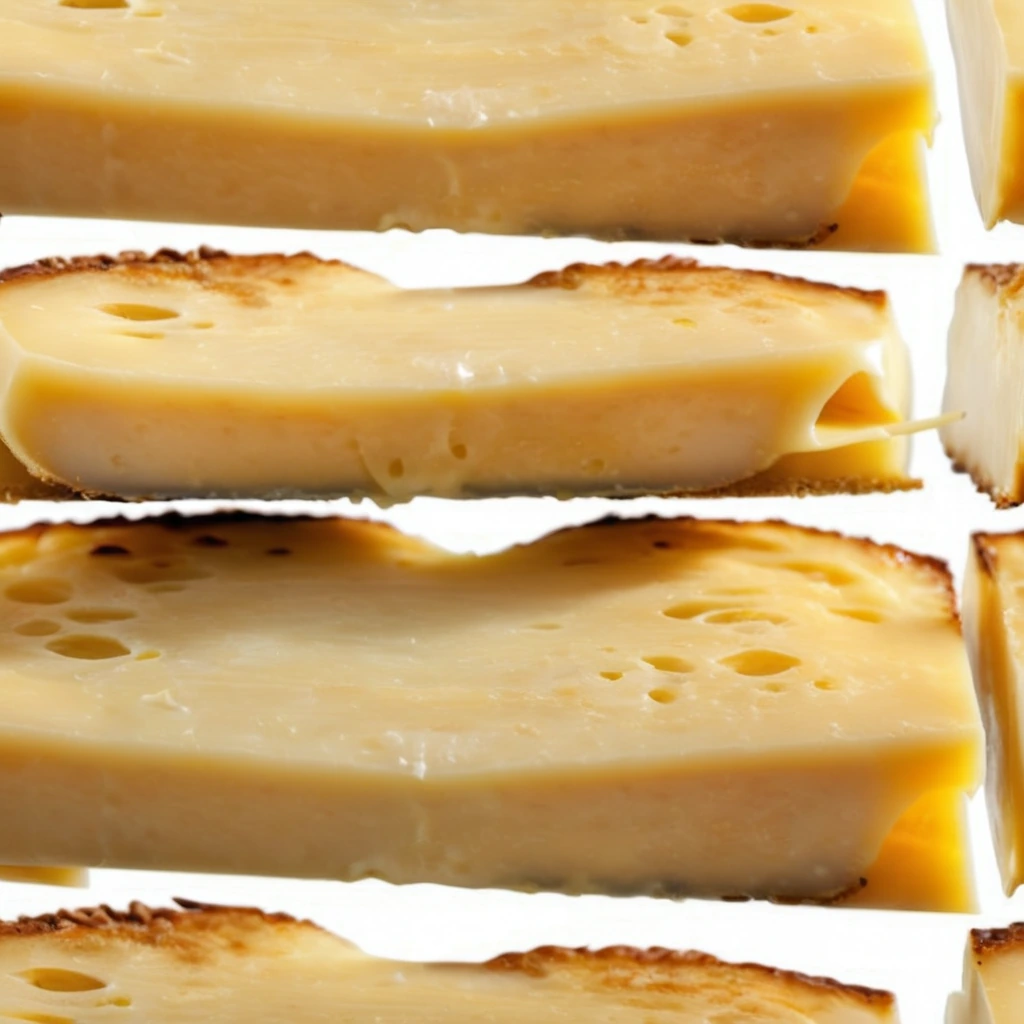
American Cheese Slices
Those iconic, perfectly pliable slices of creamy, mild American cheese. Each slice boasts a smooth, melt-in-your-mouth texture that brings comfort to any dish.
Recipes to try
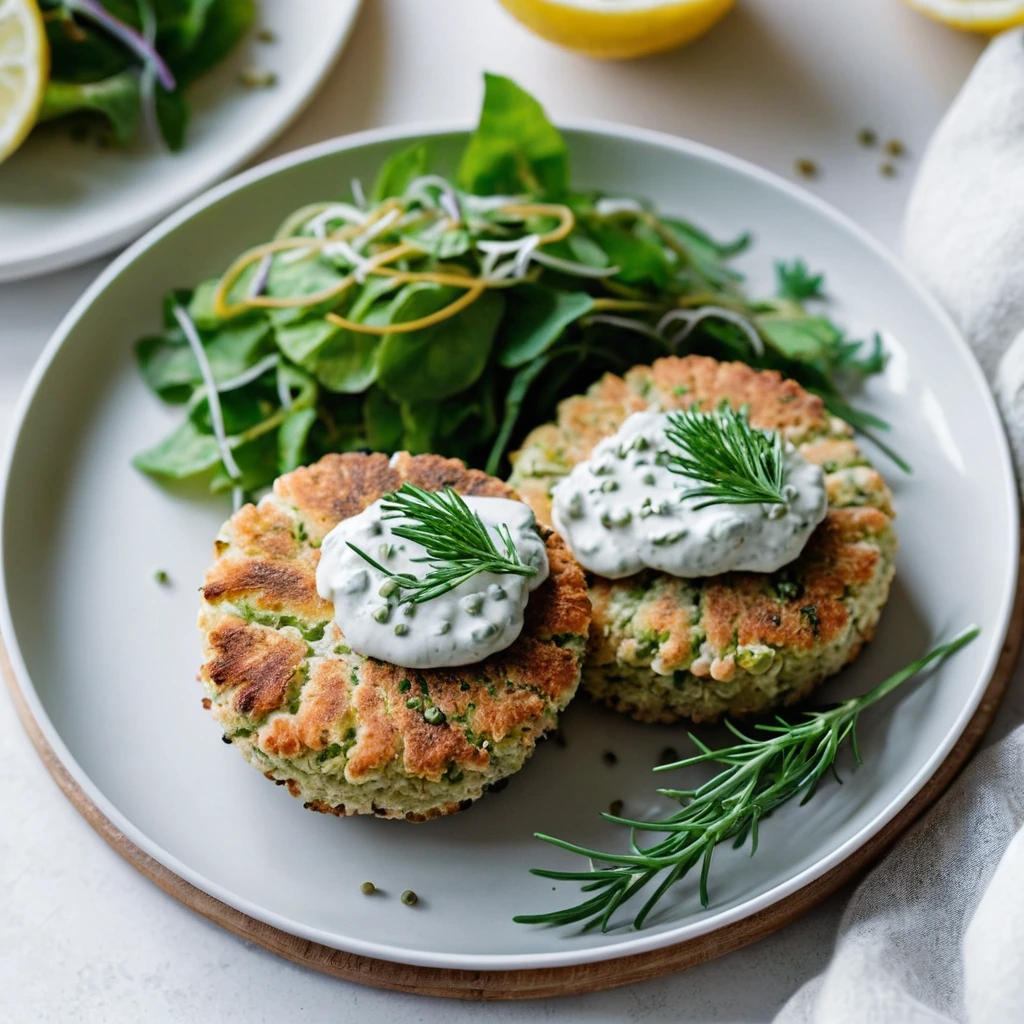
Lemon Dill Salmon Cakes with Caper Mayo
Golden, crispy salmon cakes bursting with fresh dill and zesty lemon, served with a tangy caper mayo that'll have you hooked.
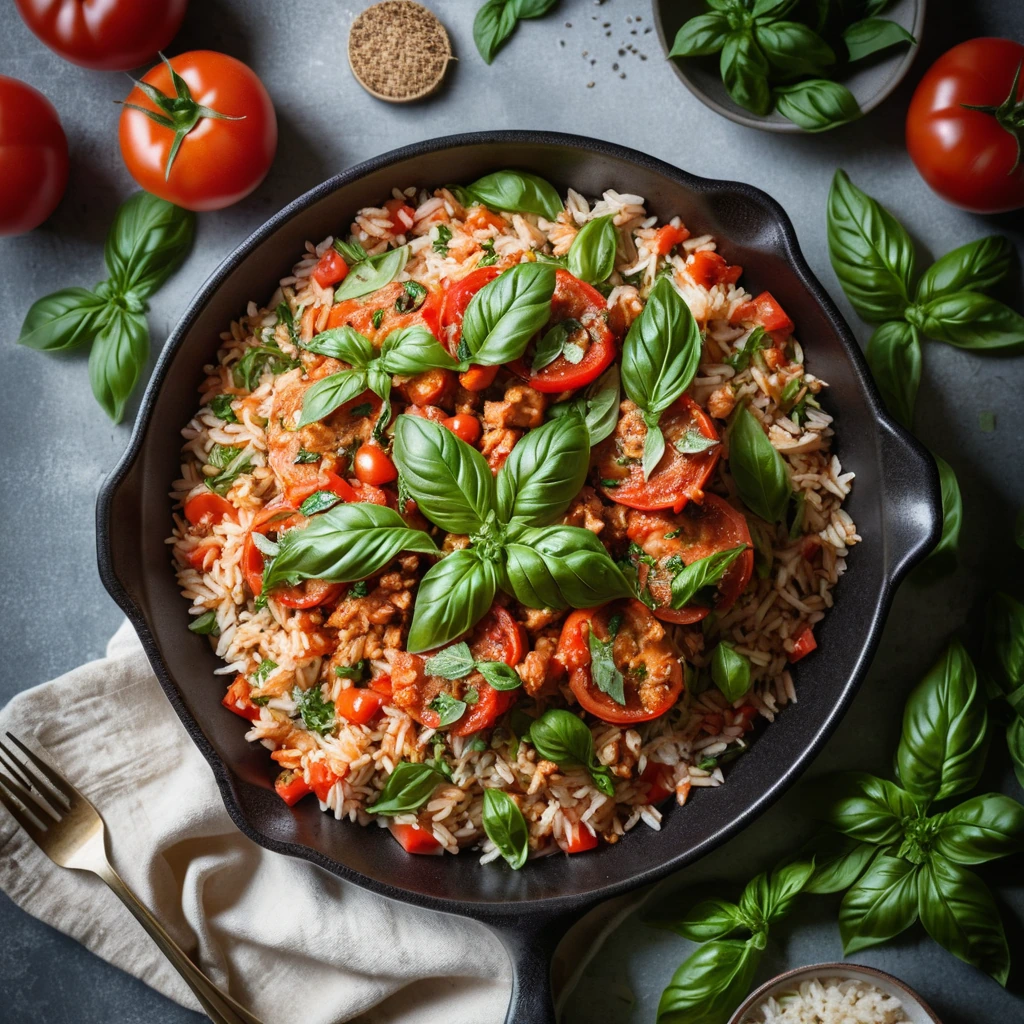
Tomato Basil Chicken and Rice Skillet
Golden chicken and fluffy rice simmered in a vibrant tomato-basil sauce, bursting with fresh garden flavors.