The Truth About Nonstick Pans: When to Use Them (and When Not To)
Nonstick pans are kitchen heroes, but they have their limits. Here's when they shine and when they fall flat.
Introduction: Love Affair with Nonstick
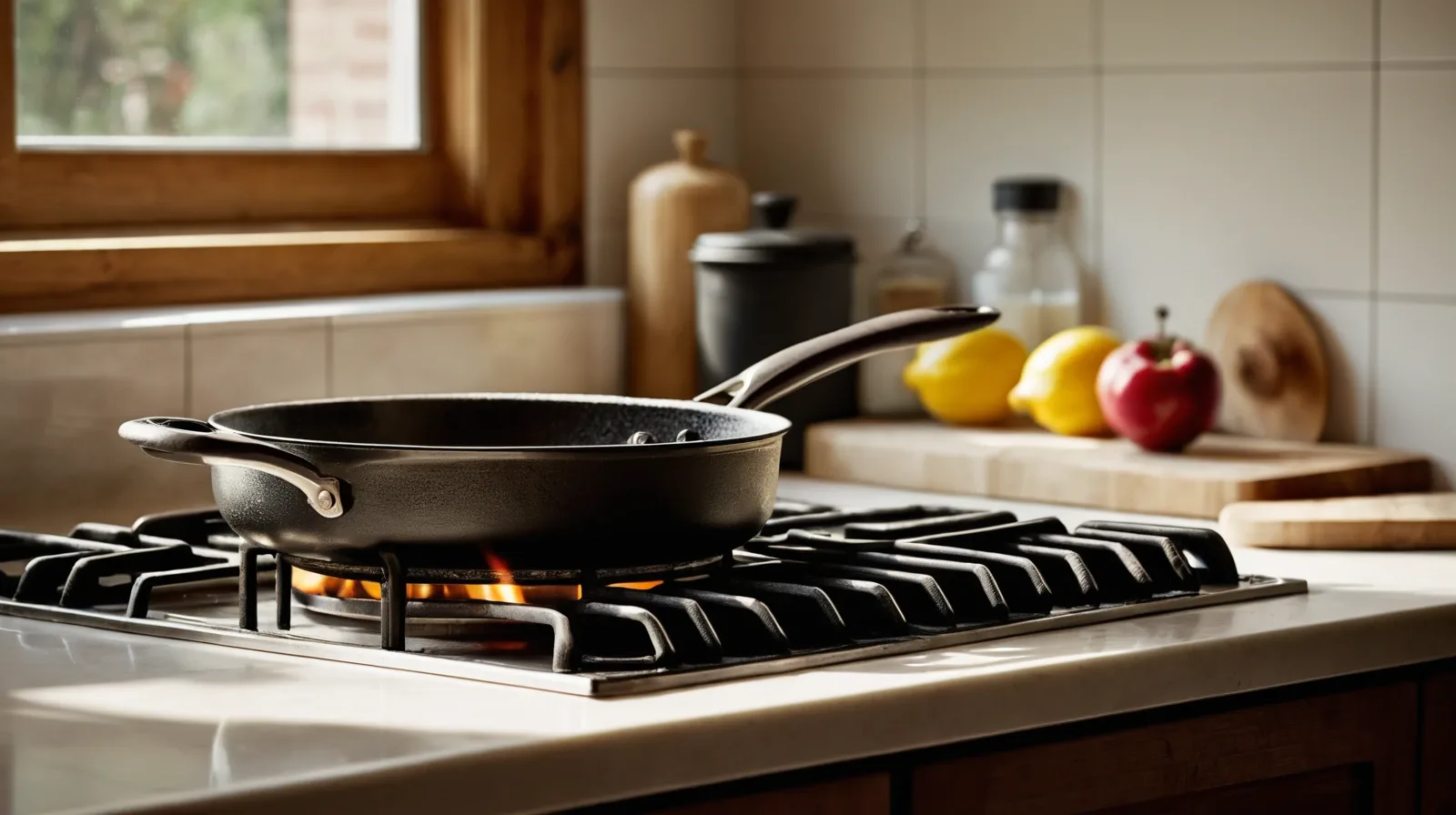
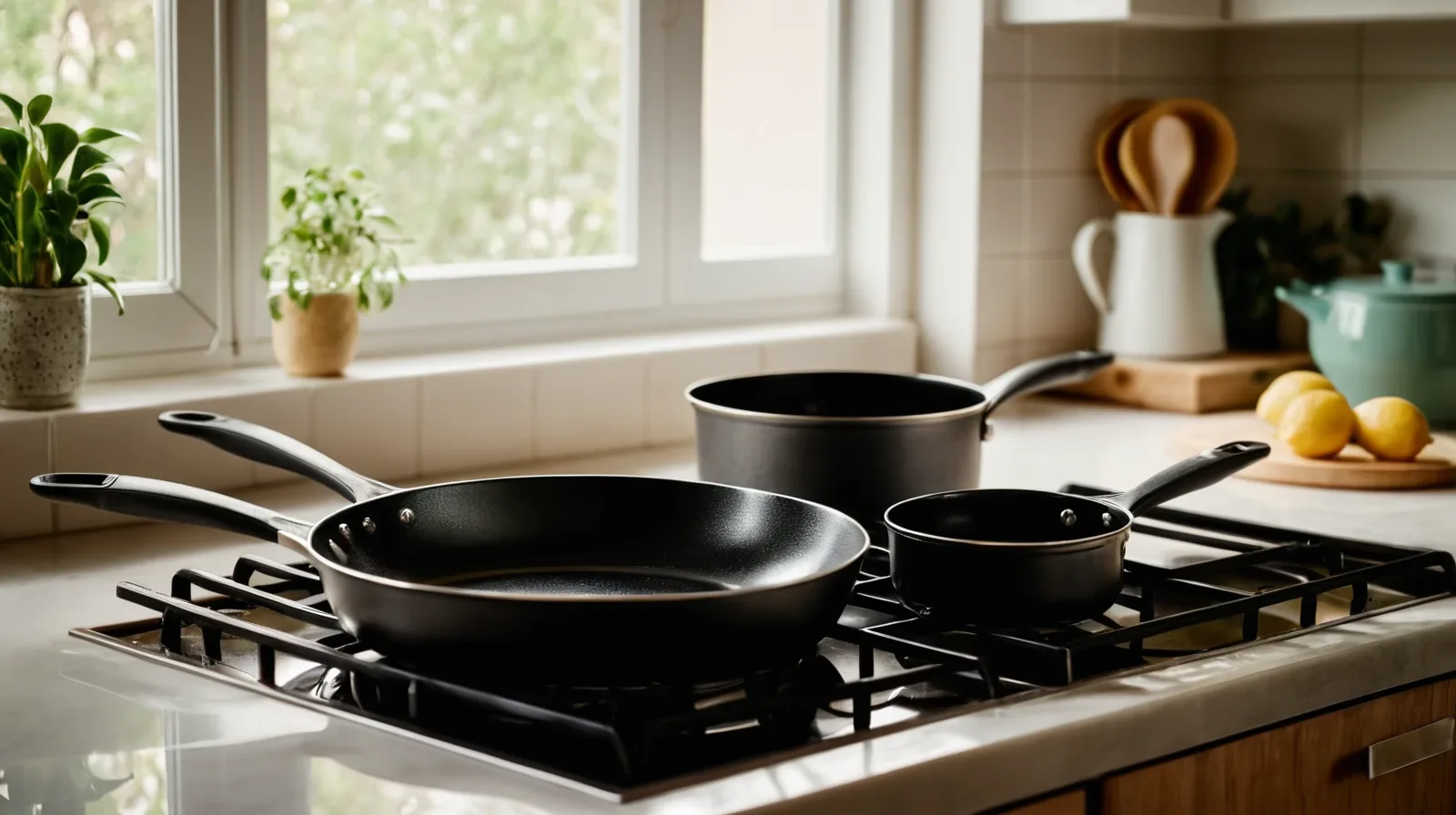
Ah, the nonstick pan. That gleaming vessel of culinary ease. It’s the kitchen workhorse, loved for its promise of effortless food release. But like any relationship, understanding its quirks is key to a lasting partnership.
When Nonstick Pans Shine
Eggs and Delicate Foods
Nonstick pans are the undisputed champions when it comes to eggs. Whether you're flipping a sunny-side-up or scrambling for breakfast, these pans prevent sticking and tearing. They're also ideal for delicate fish fillets and pancakes that require a gentle touch.
Quick Cook Times
Got a recipe that's in and out in under 10 minutes? Use a nonstick pan. Its surface allows for swift cooking without the need for excess oil – hello, healthier cooking!
When to Avoid Nonstick
High Heat Heroes
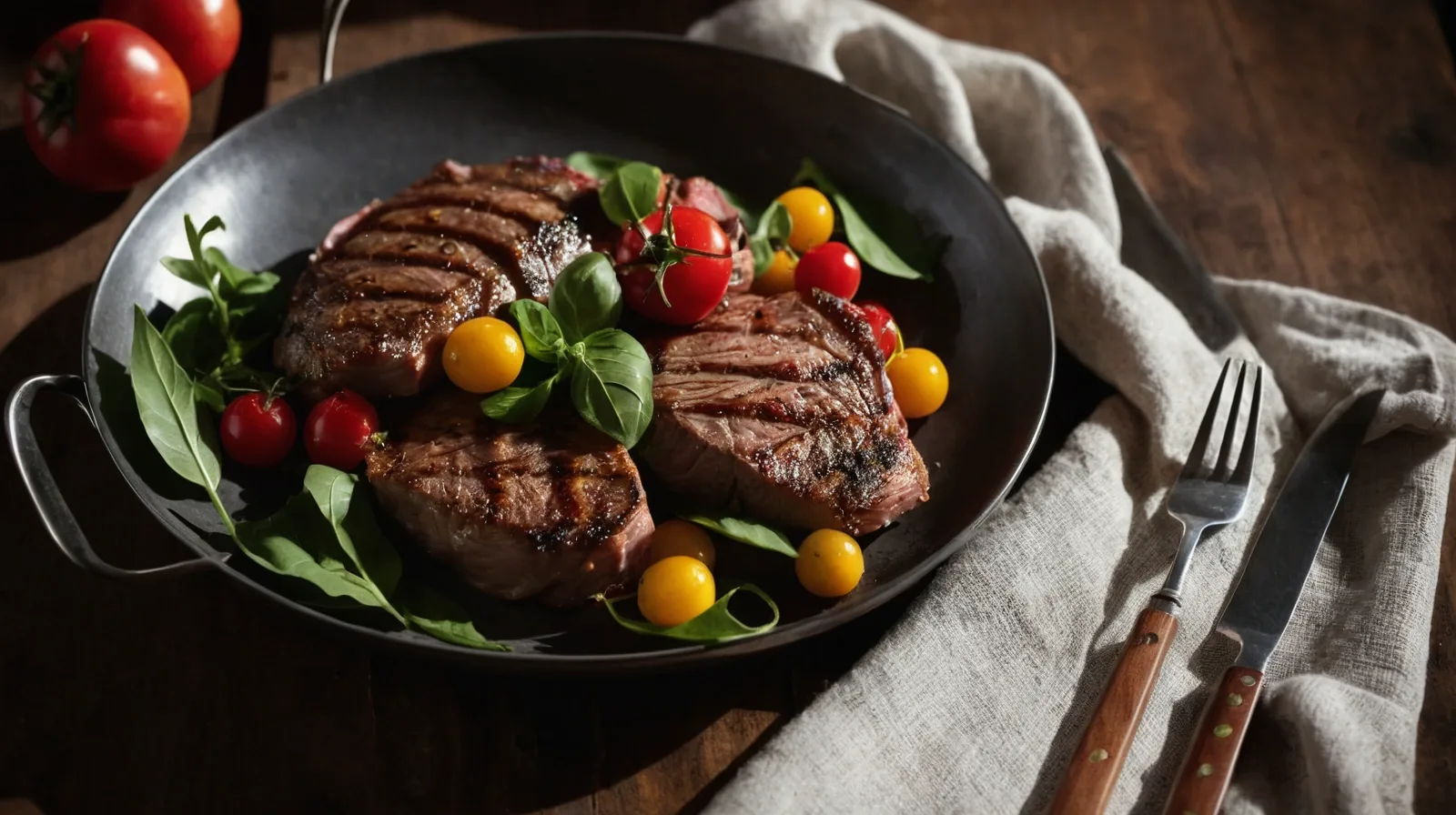
Nonstick pans have a nemesis: high heat. When searing meats or stir-frying at high temperatures, opt for stainless steel or cast iron. Nonstick coatings can degrade, and you risk ingesting potentially harmful particles.
Cooking Oils with High Smoke Points
When using oils with high smoke points, like avocado or peanut oil, for deep frying, stay away from nonstick. Stick to materials designed to withstand intense heat, like cast iron or stainless steel.
Prolonging the Life of Your Nonstick Pan
Love your pan right, and it’ll love you back. Avoid metal utensils, use gentle heat, and hand wash with mild soap to keep your nonstick surface in tip-top shape.
Alternatives to Nonstick Pans
When nonstick isn't the answer, consider stainless steel for searing, cast iron for even heat distribution, or ceramic for a naturally non-stick surface without synthetic coatings.
Mini FAQ
Can I use metal utensils with nonstick pans?
Nope! Stick to wood, silicone, or plastic to avoid scratching the surface.
How do I know when my nonstick pan is worn out?
Look for signs like food sticking, discoloration, or flaking. If it’s happening, it’s time for a replacement.
Closing Thoughts
Nonstick pans are marvelous tools, but understanding their limitations is key to maximizing their potential. Use them wisely, care for them properly, and you’ll enjoy their benefits for years to come.