The Science of Simmering: Gently Cooking Big Flavor
Discover the art of simmering and how this gentle cooking technique can unlock big flavor in your dishes.
The Warm-Up: What Simmering Really Is
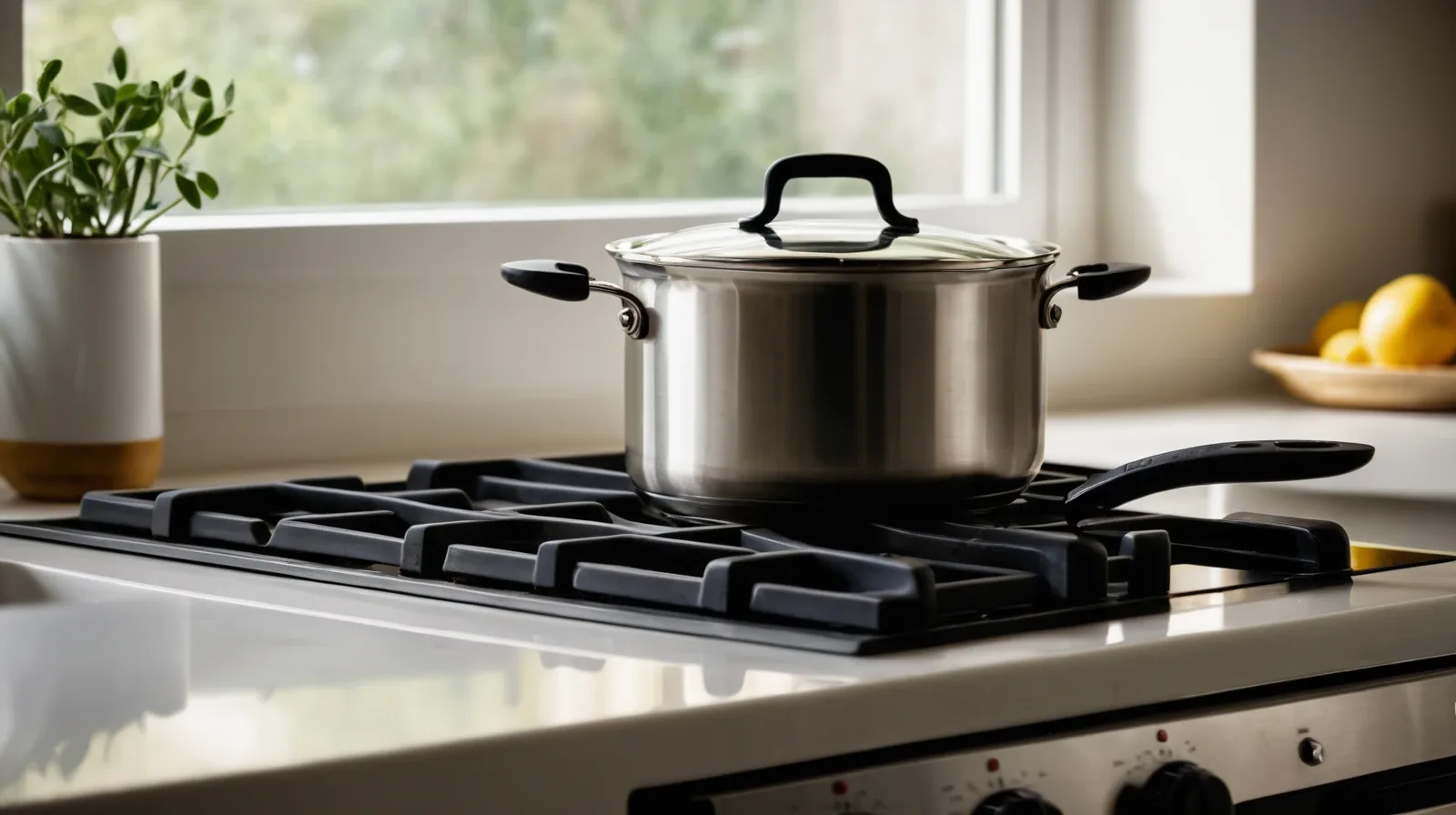
Imagine this: You're in your kitchen, and you've just brought a pot of liquid to a gentle, rolling bubble. That, my friends, is simmering. It's not boiling; it's not just hot water. Simmering is that sweet spot between 185°F and 205°F where magic happens.
The Science Bit
Simmering is all about patience. The gentle movement of the liquid helps transfer heat evenly, breaking down tough fibers and melding flavors together. Think of it as a cozy chat rather than a shouting match – you'll get a lot further with the former.
Big Flavor from Gentle Heat
Simmering isn't just a lazy cousin to boiling; it's a flavor-building powerhouse. Here’s how:
- Slow Extraction: Simmering allows spices, herbs, and aromatics to release their essence into your dish, creating complex layers of flavor.
- Tenderizing: Meat proteins gently unwind, becoming fork-tender without turning to mush.
- Marrying Ingredients: The slow dance of simmering lets disparate ingredients get to know each other, creating harmony in your pot.
Simmering Techniques and Tips
Ready to level up your simmering game? Here are some tried-and-true tips:
Control the Heat
Keep an eye on the temperature. Simmering isn't about cranking the heat. Use medium-low to maintain that perfect temperature range. Think of it like whispering sweet nothings to your pot rather than yelling.
Stirring and Skimming
Stir occasionally to distribute heat evenly, but don't overdo it. Skim off any foam or impurities that rise to the surface – it's like decluttering for your stew.
Cover or Uncover?
Covering your pot helps retain heat and moisture, but uncover it towards the end to allow flavors to concentrate and thicken your sauce just right.
Mini-FAQ: Simmering Shenanigans
Can I leave my pot simmering all day?
Sure, you can, but don’t forget to check in on it periodically. A gentle simmer should be safe, but prolonged cooking requires vigilance to prevent drying out or scorching.
How do I know if it's simmering or boiling?
Simmering is subtle. Look for gentle bubbles rising intermittently and a lazy surface movement. Boiling is vigorous and noisy – not what we're going for here.
Closing Thoughts: Simmer Your Way to Success
Simmering is like cooking with training wheels – it gives you the confidence to experiment and create dishes that are rich and full of flavor. Embrace the process, and remember: good things come to those who simmer.