The Role of Sugar in Baking Beyond Sweetness
Discover how sugar does more than just sweeten your bakes – it's a multitasker that affects texture, browning, and moisture. Let's dive into the sweet science.
Introduction to Sugar in Baking
Sugar isn't just the sprinkle of joy in your morning coffee; it's a powerhouse in the world of baking. It's like the unsung hero who steps in to play multiple roles when the spotlight is off. Sure, we know it for its sweetness, but there's so much more going on behind the scenes.
The Many Roles of Sugar
Texture Transformer
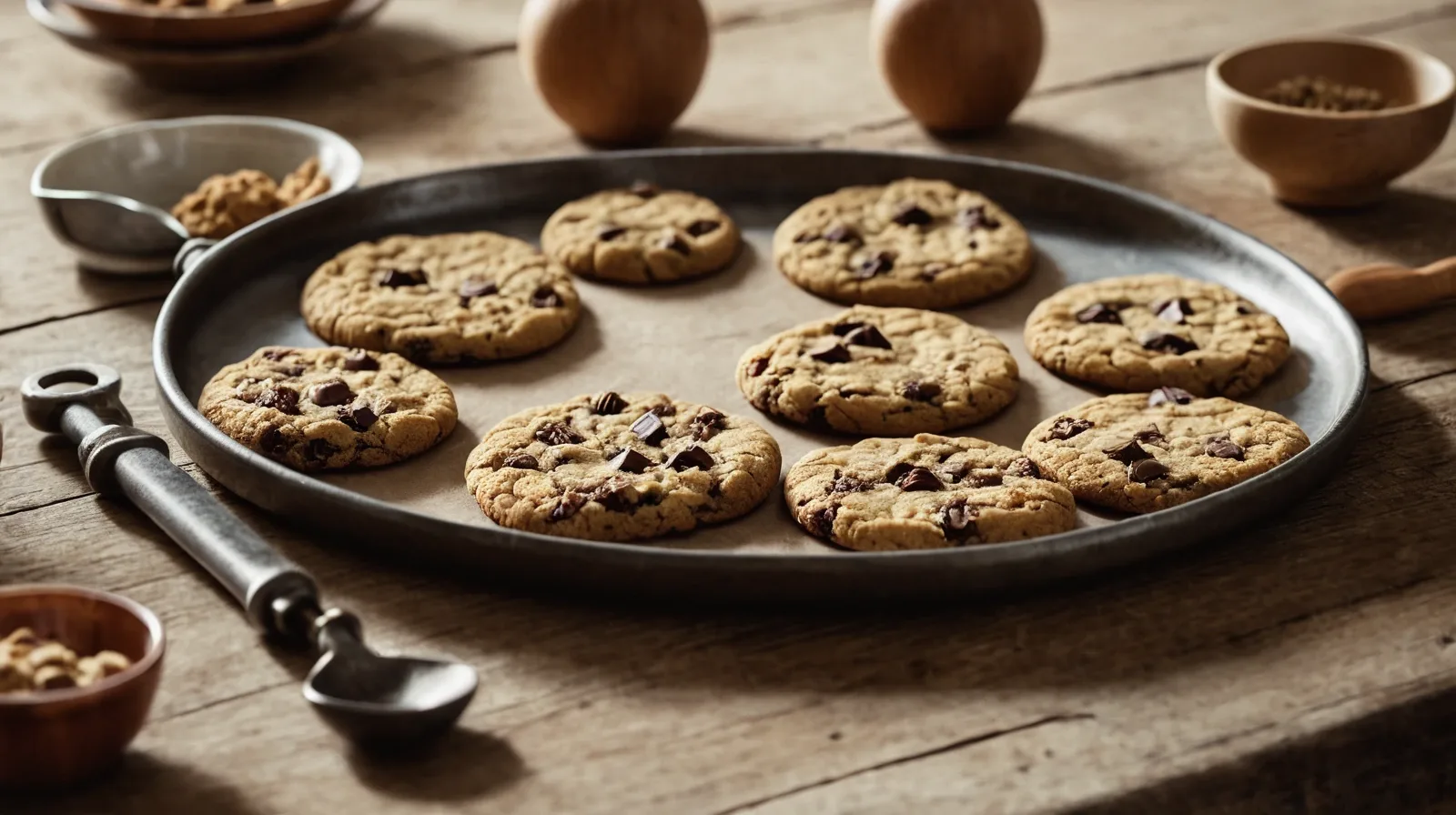
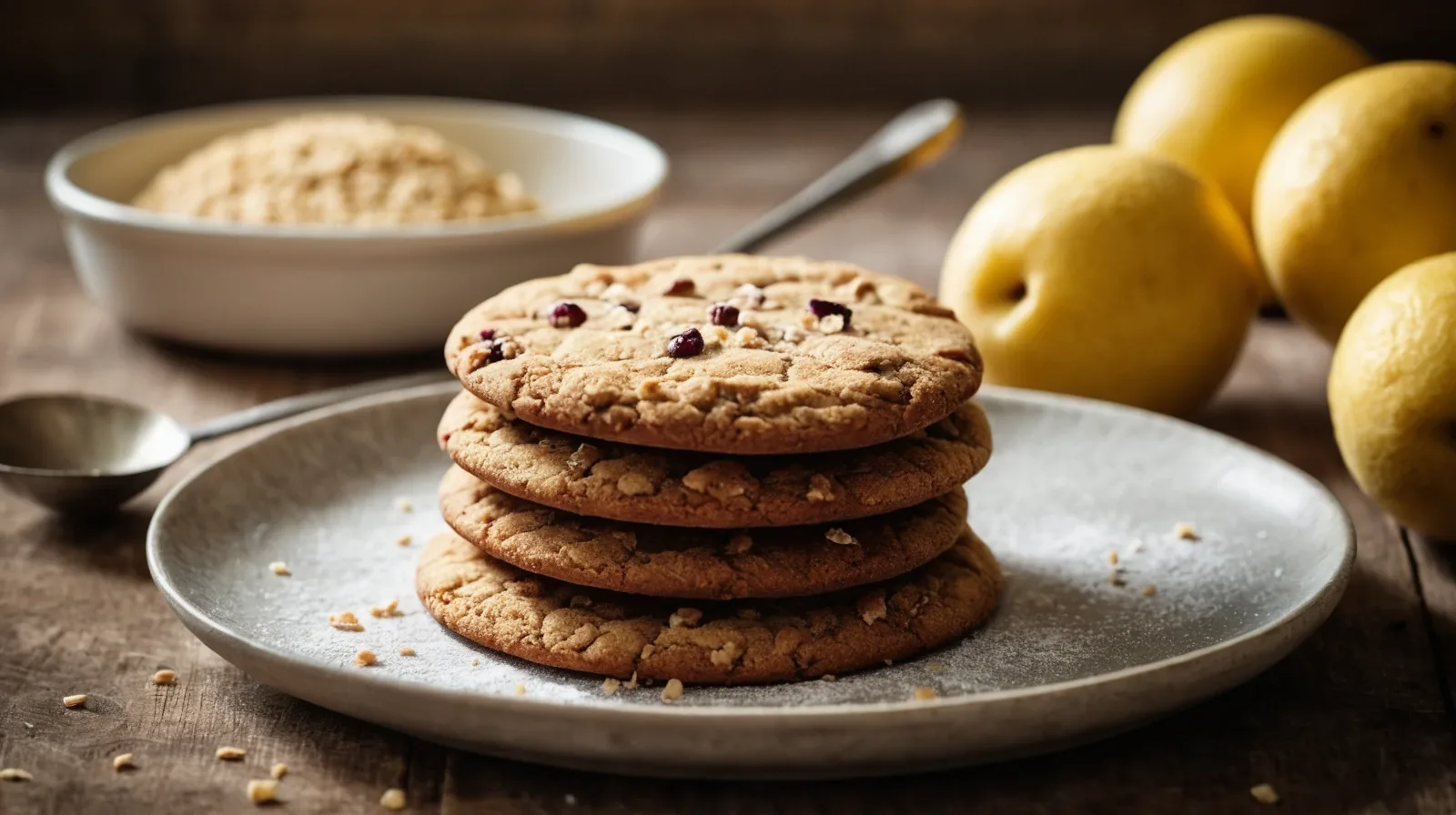
Ever wonder why some cookies are chewy and others are crisp? Sugar plays a pivotal role in texture. It interferes with the formation of gluten, leading to a more tender crumb. In custards and creams, sugar dissolves and fills the spaces between proteins, resulting in a silky smooth texture.
Moisture Magnet
Sugar is hygroscopic, meaning it loves to absorb moisture from the air. This keeps your baked goods from drying out and helps maintain a fresher texture for longer. It's like a little sponge working from within.
Browning Agent
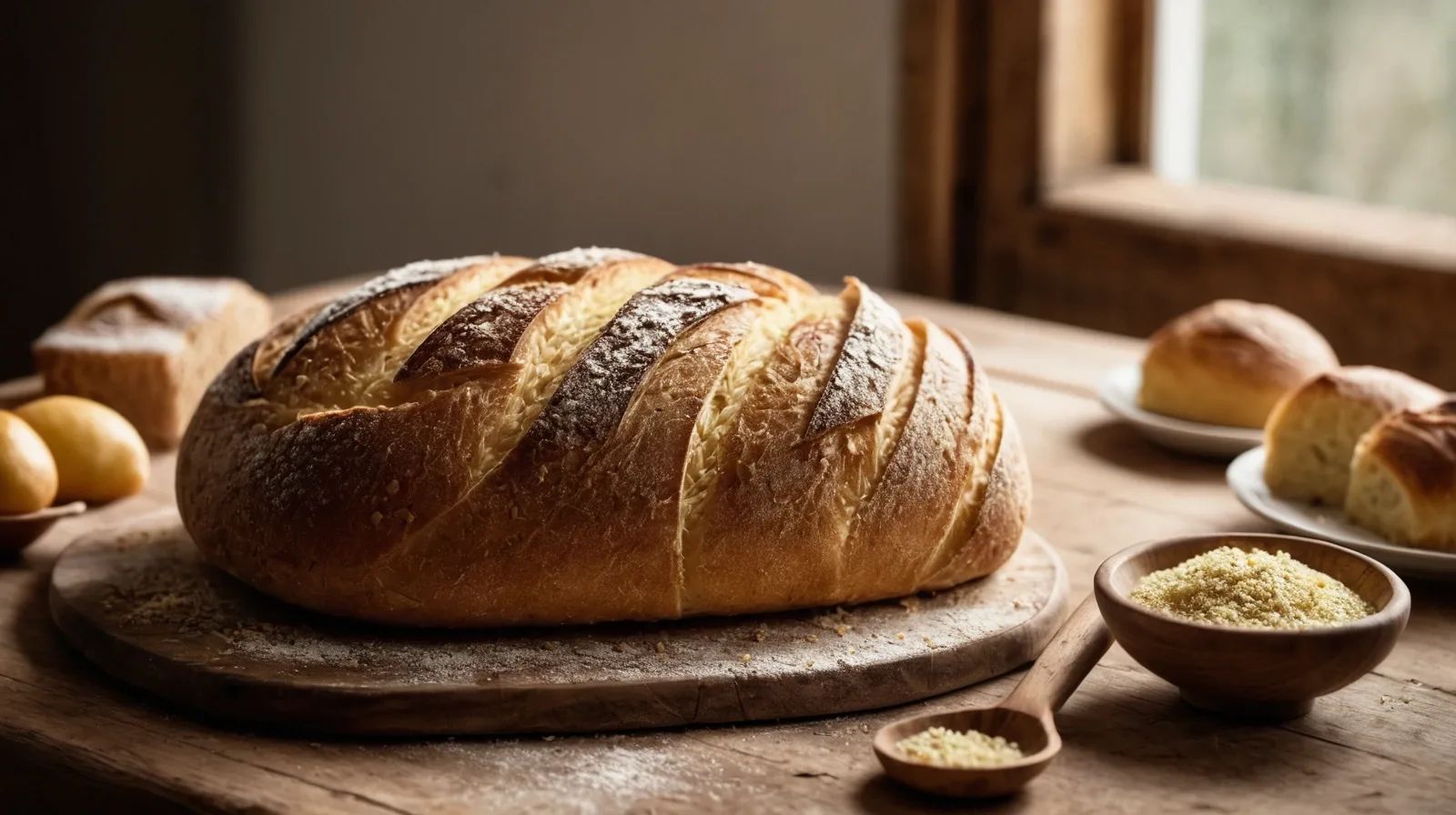
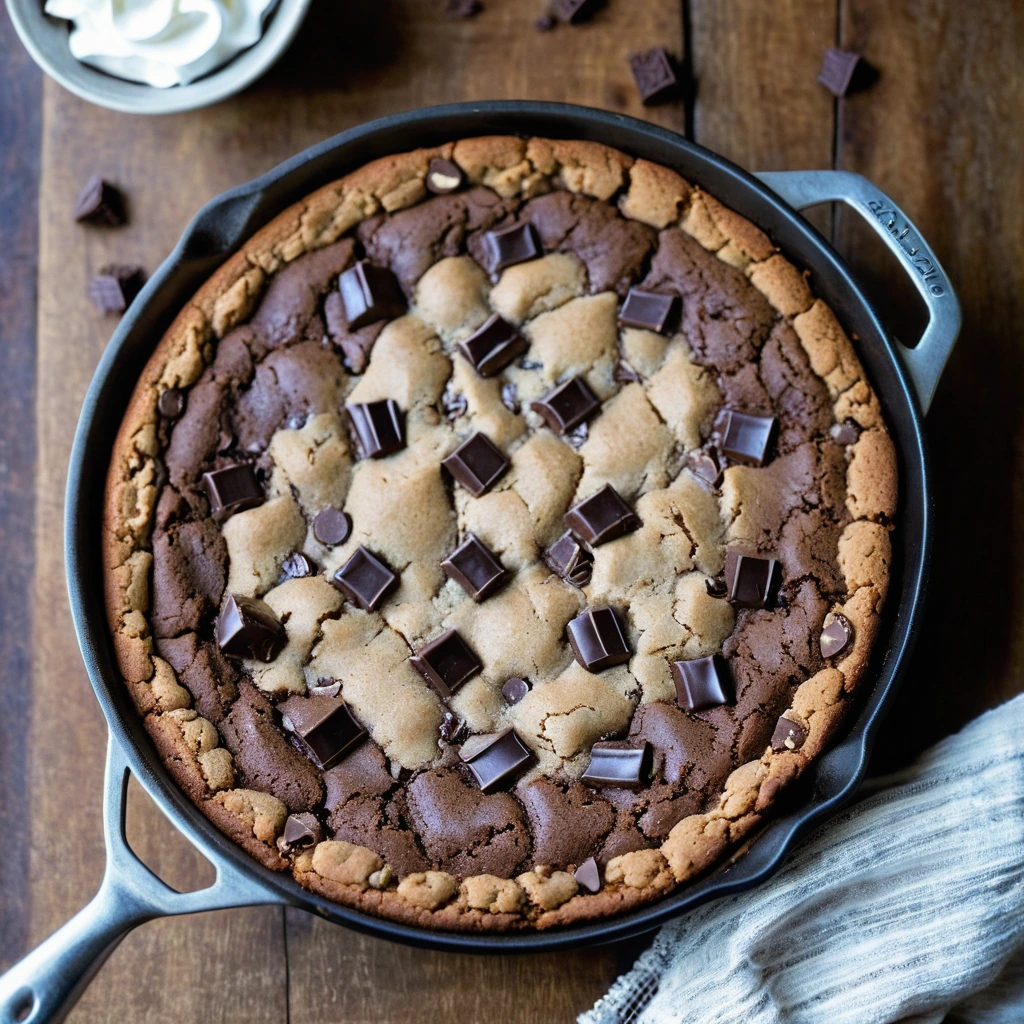
The Maillard reaction and caramelization are two processes that give baked goods their golden-brown crust. Sugar breaks down under heat, creating those complex flavor compounds and inviting colors we associate with a successful bake.
Sugar Science in Action
Understanding how sugar behaves in different conditions allows us to control the outcome of our recipes. For example, using a higher ratio of sugar to flour in a cake recipe will lead to a more delicate structure due to sugar's interference with gluten formation.
Temperature Matters
Different sugars caramelize at different temperatures. Table sugar caramelizes around 320°F (160°C), while brown sugar, with its molasses content, starts browning earlier. Knowing these temps helps you time your bakes for that perfect golden crust.
Substitutes and Alternatives
If you're looking to cut down on sugar or cater to dietary preferences, consider alternatives like honey, maple syrup, or even mashed bananas. Each brings its own flavor and moisture level, so you might need to adjust other ingredients.
Making Substitutions
When substituting, remember that 1 cup of granulated sugar is roughly equivalent to 1 cup of packed brown sugar or ¾ cup honey (and you'll need to reduce other liquids accordingly). And don't forget, these alternatives will impart their own unique flavors.
Mini FAQ
Can I cut sugar out completely?
While reducing sugar is possible, cutting it out entirely can drastically change texture and structure. Consider using alternative sweeteners and expect to experiment to find the right balance.
Why does sugar make cookies spread?
Sugar dissolves quickly in the wet ingredients, creating a thin batter that spreads when it hits the hot pan. The higher the sugar content, the more spreading you'll see.
Closing Thoughts
Next time you measure out that cup of sugar, remember you're not just adding sweetness. You're enhancing texture, aiding browning, and locking in moisture. It's a multifaceted ingredient that, when understood, can elevate your baking game to new heights. So embrace the sugar science and let your bakes shine!