Everything You Need to Know About Stock Cubes and Bouillon
Demystify your pantry with the ultimate guide to stock cubes and bouillon. Learn what they are, how they differ, and when to use each for maximum flavor.
The Flavorful Foundations of Cooking
Picture this: you're halfway through a recipe, and it calls for chicken stock. But wait, you've got neither stock nor broth chilling in your fridge. Fear not, dear home cook! Stock cubes and bouillon are here to save the day.
What Are Stock Cubes and Bouillon, Anyway?
Stock cubes and bouillon are concentrated forms of stock, usually made from meat or vegetables. They come to the rescue when you need flavor in a hurry, and they're practically immortal in your pantry (well, until you use them up, of course).
Stock Cubes: The Solid Superstars
What Makes Stock Cubes Special?
Stock cubes are like tiny flavor grenades. Pop one into hot water, and boom—you've got instant stock. They're typically made from dehydrated stock reduced to its essence and then solidified into convenient little blocks.
Pros and Cons of Stock Cubes
- Pros: Long shelf life, easy storage, portable.
- Cons: Can be overly salty, might lack depth compared to homemade stock.
Bouillon: The Granular Genius
Bouillon Basics
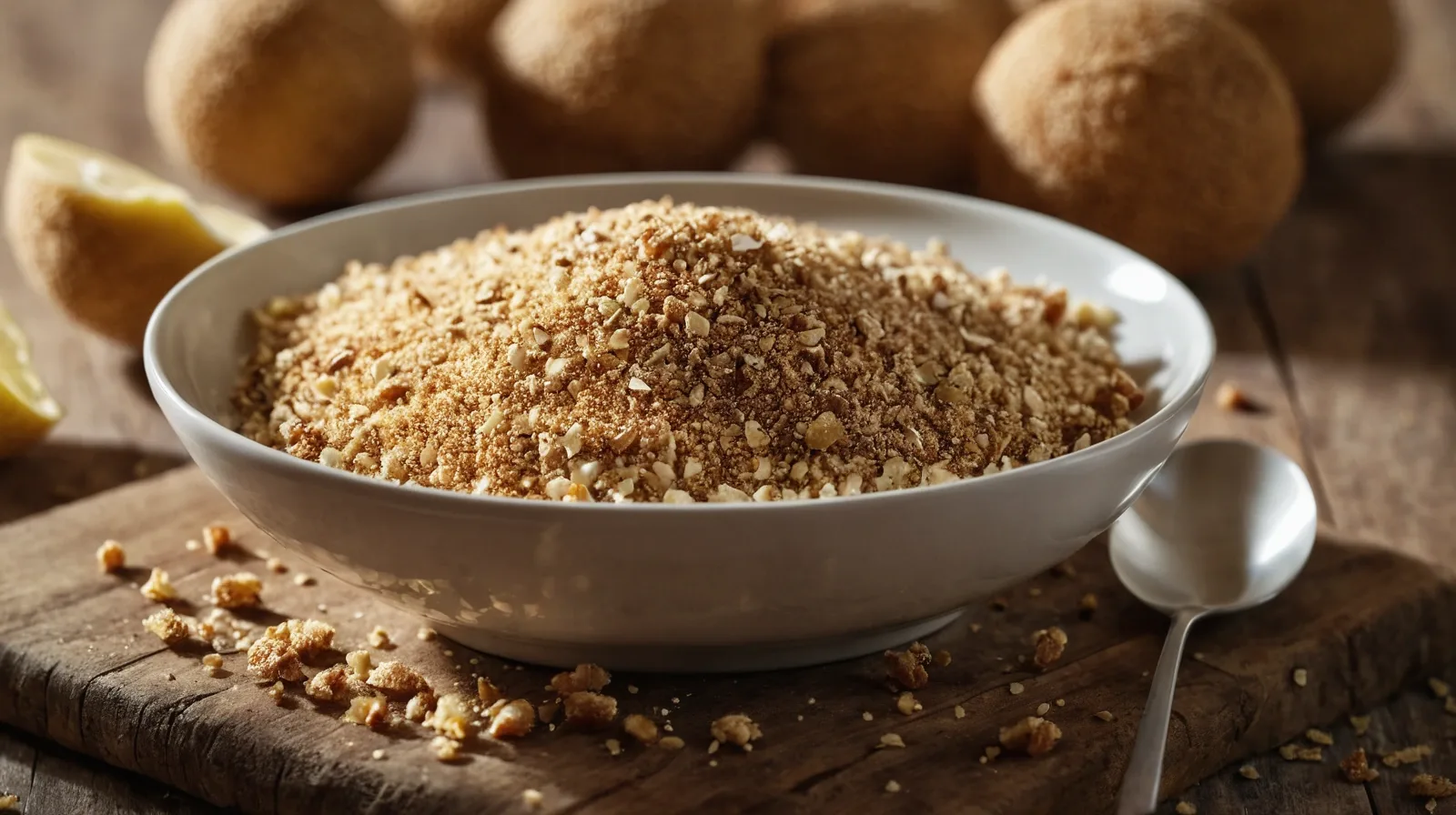
Bouillon usually comes in granules or powder. It's essentially stock's dehydrated cousin. You measure out a spoonful, whisk it into hot water, and voilà—you've got a flavorful broth ready to enhance your dishes.
Pros and Cons of Bouillon
- Pros: Easy to measure, versatile in cooking, dissolves quickly.
- Cons: Can be high in sodium, requires measuring which might be fiddly for some.
Choosing Between Stock Cubes and Bouillon
When to Use Which
Choosing between stock cubes and bouillon comes down to personal preference and your recipe's needs. Here are some guidelines:
- For soups: Bouillon offers more control over saltiness and depth of flavor.
- For stews and braises: Stock cubes can stand up to long cooking times.
- For rice or grains: Either works, but bouillon might integrate more seamlessly.
Maximizing Flavor with Your Cubes and Granules
Tips for Best Results
- Always dissolve in hot water to extract maximum flavor.
- Adjust quantities based on your taste preferences—start with less and add more if needed.
- Enhance with aromatics like garlic, onions, or herbs for a homemade touch.
Frequently Asked Questions
Can I Use Stock Cubes and Bouillon Interchangeably?
Absolutely! Just keep in mind the concentration might differ, so adjust your measurements accordingly.
Are Stock Cubes and Bouillon Healthy?
They can be part of a healthy diet, but watch out for high sodium content. Use sparingly and balance with fresh ingredients.
How Do I Store Stock Cubes and Bouillon?
Keep them in a cool, dry place. They'll stay fresh for ages—probably outlasting your enthusiasm for cooking.
Closing Thoughts
Stock cubes and bouillon are pantry heroes, offering convenience and flavor in a pinch. By understanding their strengths and how to use them effectively, you can elevate your dishes with ease. So next time a recipe calls for stock, reach into your pantry with confidence and let the magic happen.