The Difference Between Broiling and Baking
Broiling and baking are both oven cooking methods, but they produce very different results. Here's how to know when to use each.
Introduction to Broiling and Baking
Let’s cut to the chase: broiling and baking are oven MVPs but are often misunderstood. Both methods use oven heat to transform your raw ingredients into a hot, delicious meal, but the devil is in the details—namely, the source and intensity of the heat.
Broiling: The High-Heat Hero
Broiling is like giving your food a sun-kissed glow, but with more fire. It uses direct heat from above, typically at high temperatures, to quickly sear and caramelize the surface of your food. This method is perfect for dishes that need a crispy exterior but don’t require a long cook time, like broiled salmon or shish kebabs.
How Broiling Works
- Position your oven rack closer to the broiler element (usually the top).
- Heat typically ranges from 500°F to the broiler's maximum setting.
- Keep an eye on your food—broiling is fast and can lead to charring if you’re not attentive.
Baking: The Slow and Steady Approach
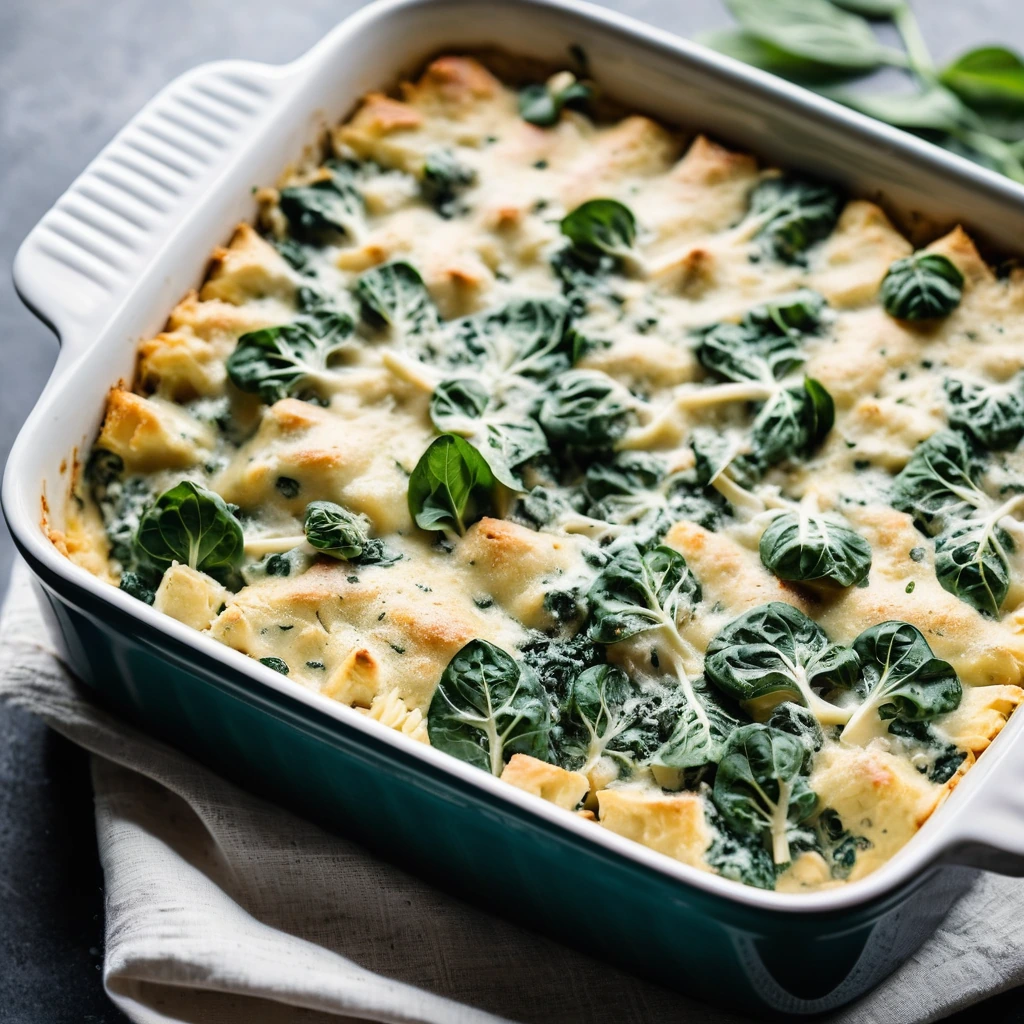
Baking is the reliable friend who shows up on time with a casserole. It uses indirect, ambient heat surrounding your food to cook it evenly. This method is ideal for dishes that need thorough cooking inside and out, like casseroles, breads, and roasted vegetables.
How Baking Works
- Position your oven rack in the middle of the oven.
- Use moderate temperatures, generally between 325°F and 450°F.
- Baking requires patience; it’s a slower process that allows heat to penetrate and cook food through.
When to Broil vs. When to Bake
Choosing between broiling and baking boils down (pun intended) to what you’re cooking and how you want it to turn out.
Broiling is for...
- Quickly searing meats and veggies for a crispy exterior.
- Adding a golden-brown topping to dishes like casseroles or gratins.
Baking is for...
- Slowly cooking items that need to be tender and juicy inside.
- Creating breads, pastries, and desserts that rely on even heat distribution.
Pro Tips for Broiling and Baking Success
Broiling Tips
- Preheat the broiler to ensure immediate searing.
- Use a broiler pan or a sheet with a wire rack for optimal airflow and browning.
- Brush or spray your food with oil to prevent drying out and enhance browning.
Baking Tips
- Always preheat your oven to ensure even cooking from the start.
- Rotate your pans halfway through baking for even heat distribution.
- Use an oven thermometer to confirm your oven’s accuracy—many ovens run hotter or cooler than their dial indicates.
Mini-FAQ
Can I use broiling to bake?
Technically, yes, but it’s not recommended. Broiling is too intense for most baked goods and can lead to uneven cooking and burnt outsides.
Is broiling healthier than baking?
Neither is inherently healthier than the other; it depends on what you’re cooking and how you season it. Both methods can be part of a healthy diet.
Why is my broiled food not browning?
This could be due to insufficient preheating, too much distance from the heat source, or lack of oil on the food. Adjust these factors for better browning results.
In conclusion, understanding when to broil or bake can elevate your home cooking game. Whether you’re after a quick sear or a slow, even cook, your oven is ready to help you nail it. Just remember to keep an eye on those broiling dishes—nobody likes a burnt surprise!