The Difference Between Dry Rubs and Marinades
Discover the tasty world of flavor enhancers with a deep dive into dry rubs versus marinades. Learn how each method can transform your grilling game.
Introduction to Flavor Enhancers
Ah, the age-old debate: dry rubs vs. marinades. Picture this - you're gearing up for a backyard BBQ, and you've got a prime cut of meat that's practically begging for some attention. Do you reach for that trusty dry rub or dive into the world of marinades?
What's the Big Deal?
The choice isn't just about preference; it's about science, flavor, and texture. Both methods have their own unique ways of transforming ordinary dishes into culinary delights.
What Exactly is a Dry Rub?
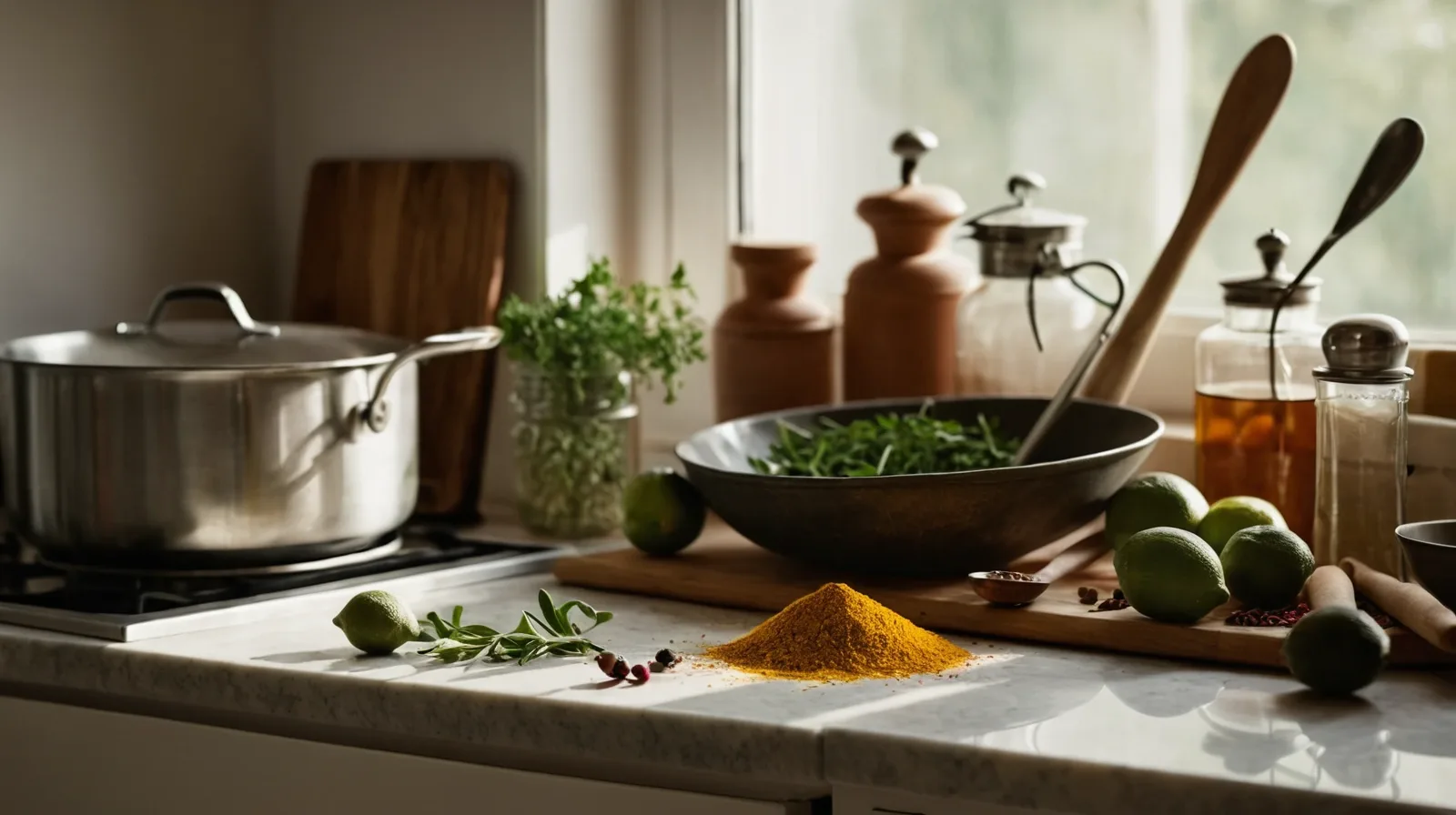
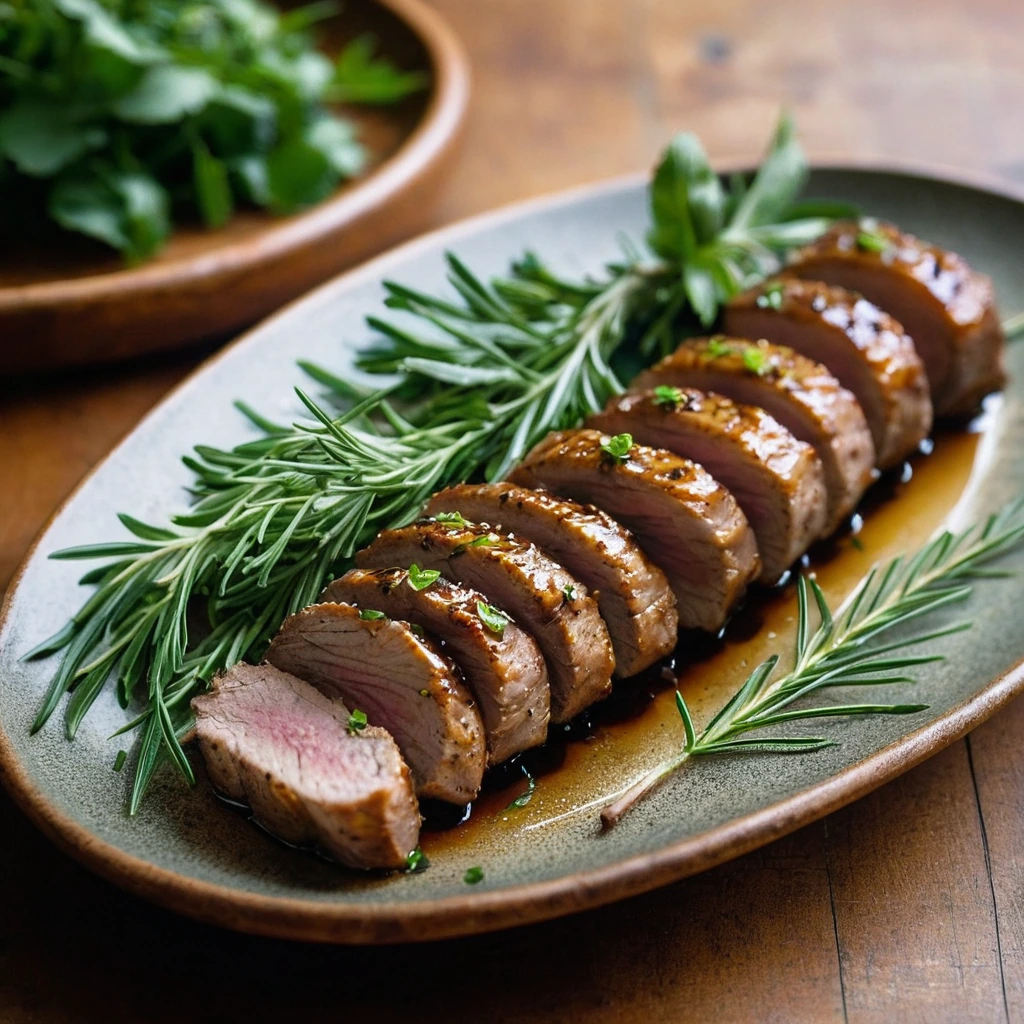
A dry rub is a mixture of spices and herbs that you sprinkle onto meat before cooking. Think of it as a flavorful embrace for your protein.
The Magic of Dry Rubs
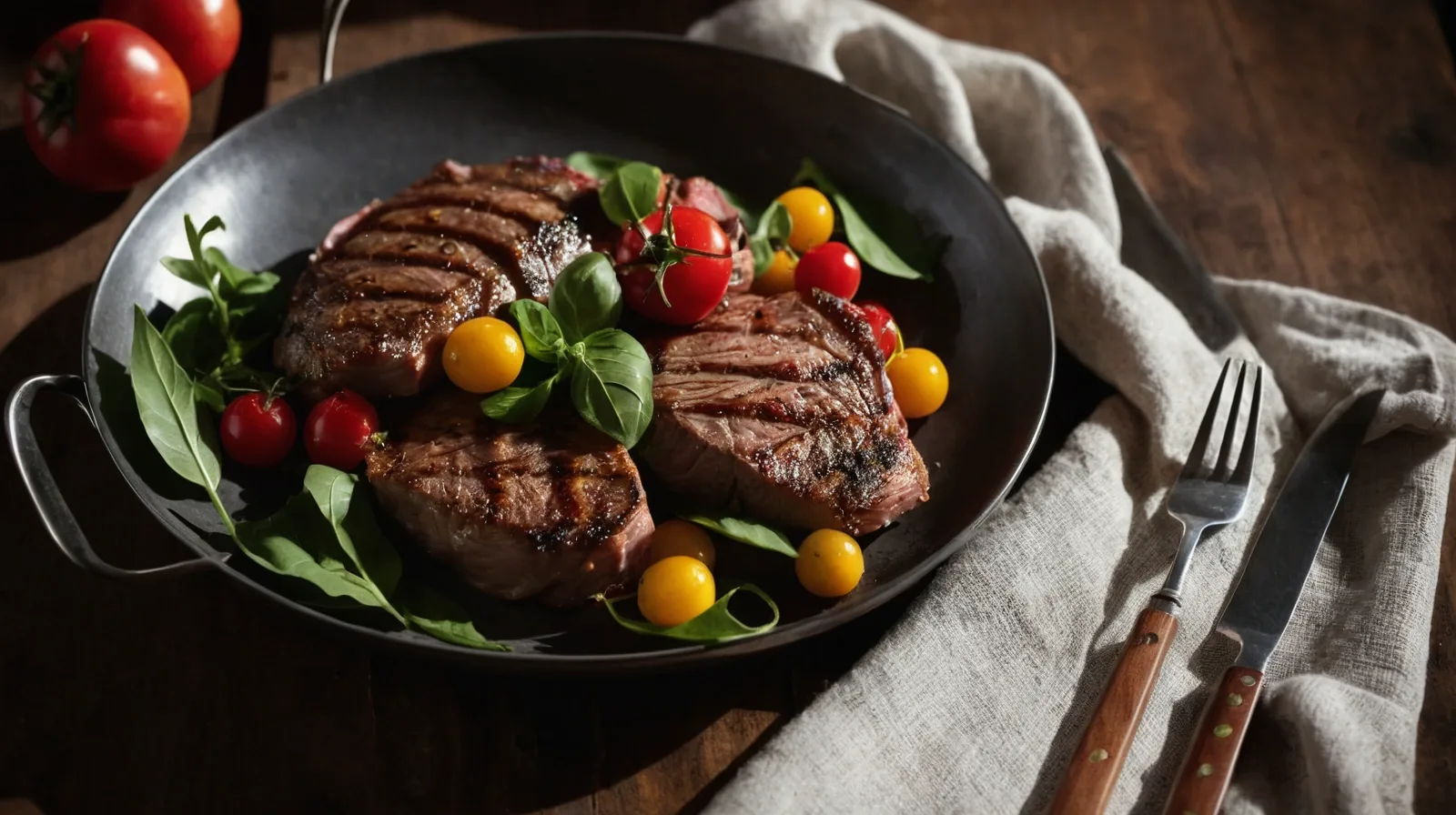
- Creates a savory crust when cooked.
- Ideal for grilling, roasting, and smoking.
- Enhances the natural flavors of meat without overpowering it.
For example, a classic barbecue dry rub might include paprika, garlic powder, onion powder, salt, and black pepper.
All About Marinades
Marinades, on the other hand, are liquid concoctions that usually consist of oil, acid (like vinegar or citrus juice), and seasonings.
The Science Behind Marinades
- Penetrates the meat to tenderize and infuse flavor deep within.
- Works best for lean cuts that might otherwise be dry.
- Can be used as a sauce during or after cooking.
A basic marinade might feature olive oil, lemon juice, minced garlic, and a splash of soy sauce.
Choosing Between Dry Rubs and Marinades
Factors to Consider
When deciding whether to use a dry rub or marinade, consider:
- Cut of Meat: Tougher cuts might benefit from a marinade's tenderizing powers, while fattier cuts shine with a dry rub's crust.
- Cooking Method: Smoking? Go for a rub. Grilling quickly? A marinade might be your go-to.
- Flavor Profile: Want a bold, spicy bark on your brisket? Rub it. Craving lemony, garlicky chicken? Marinate it.
Pro Tips for Perfect Results
Dry Rub Tips
- Apply your rub at least 30 minutes before cooking, but overnight in the fridge is ideal for flavor absorption.
- Use your hands to gently massage the rub into the meat for even coverage.
Marinade Tips
- Marinate in the refrigerator for at least 2 hours, up to 24 hours for tougher cuts.
- Always discard used marinade to avoid cross-contamination.
Mini-FAQ
Can I use a dry rub and a marinade together?
Absolutely! Marinate first for tenderness and flavor, then apply a dry rub before cooking to create a delicious crust.
Do all meats benefit from marinades or rubs?
Generally, yes. However, delicate fish might get overwhelmed by a heavy rub or an acidic marinade. Go light or opt for fresh herbs instead.
Closing Thoughts
Whether you're team dry rub or team marinade, understanding the strengths of each technique will undoubtedly elevate your cooking game. So go forth, experiment, and let your taste buds be your guide. After all, isn't that what cooking is all about?