How to Use a Meat Thermometer Correctly
Cooking meat to perfection is all about temperature. Learn how to use a meat thermometer correctly for juicy, safe, and delicious results every time.
Why You Need a Meat Thermometer
Let's cut to the chase: guessing is not a cooking strategy. A meat thermometer is your golden ticket to culinary precision, ensuring your meat is neither undercooked (ew) nor overcooked (tragic).
Types of Meat Thermometers
Instant-Read Thermometers
These are your go-to for quick checks. Stick it in, wait 2-3 seconds, and voilà! You've got your temp. Perfect for checking meats off the grill or out of the oven.
Oven-Safe Thermometers
These stay in the meat while it cooks, giving you peace of mind without the oven door peeking. Ideal for roasts and large cuts.
Thermapen
The fancy pants of meat thermometers. Super fast, super accurate. If you're serious about your cooking, consider this your new best friend.
How to Use It Right
Finding the Sweet Spot
For most cuts, aim for the thickest part, away from bone. Here’s a cheat sheet:
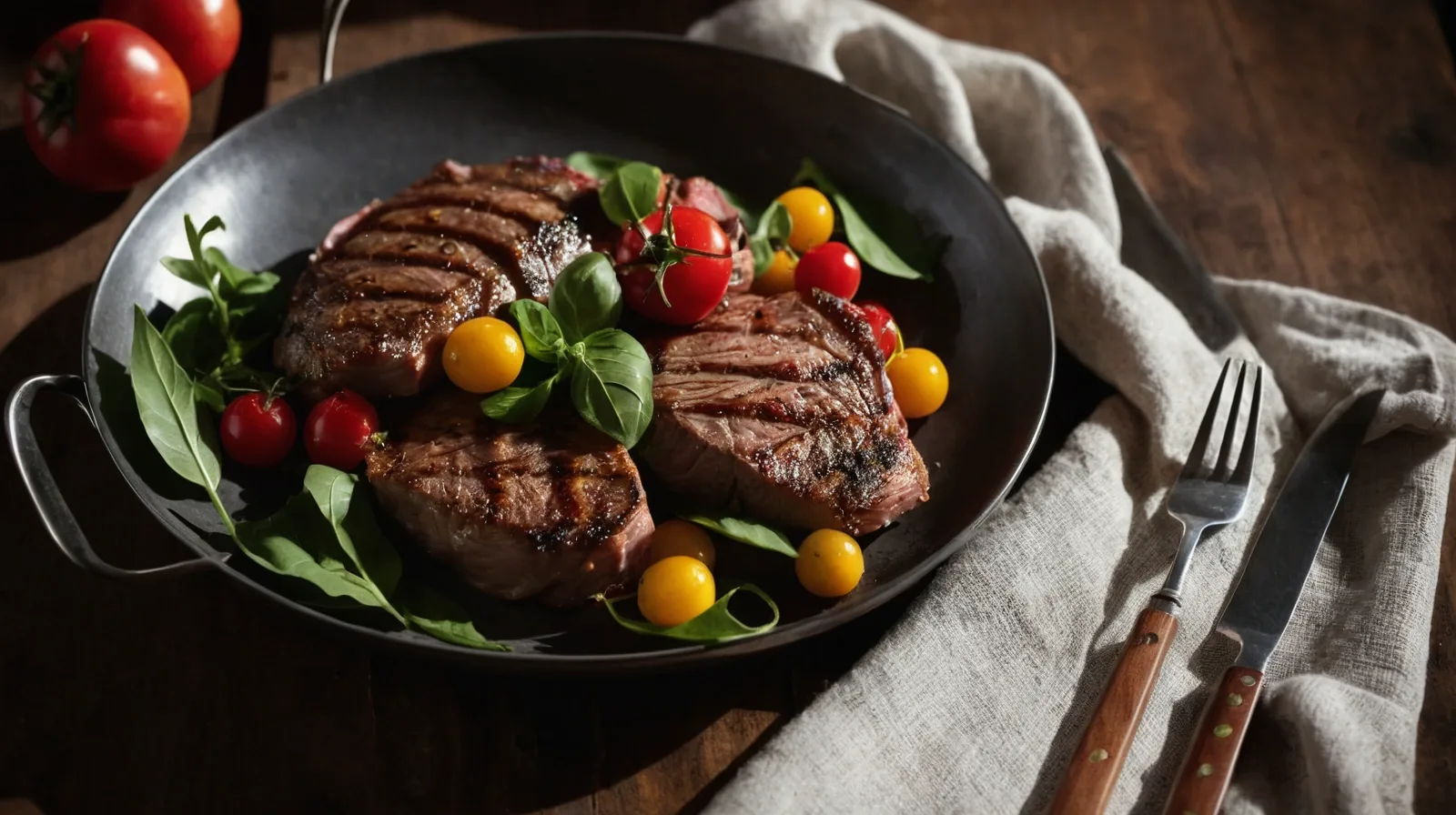
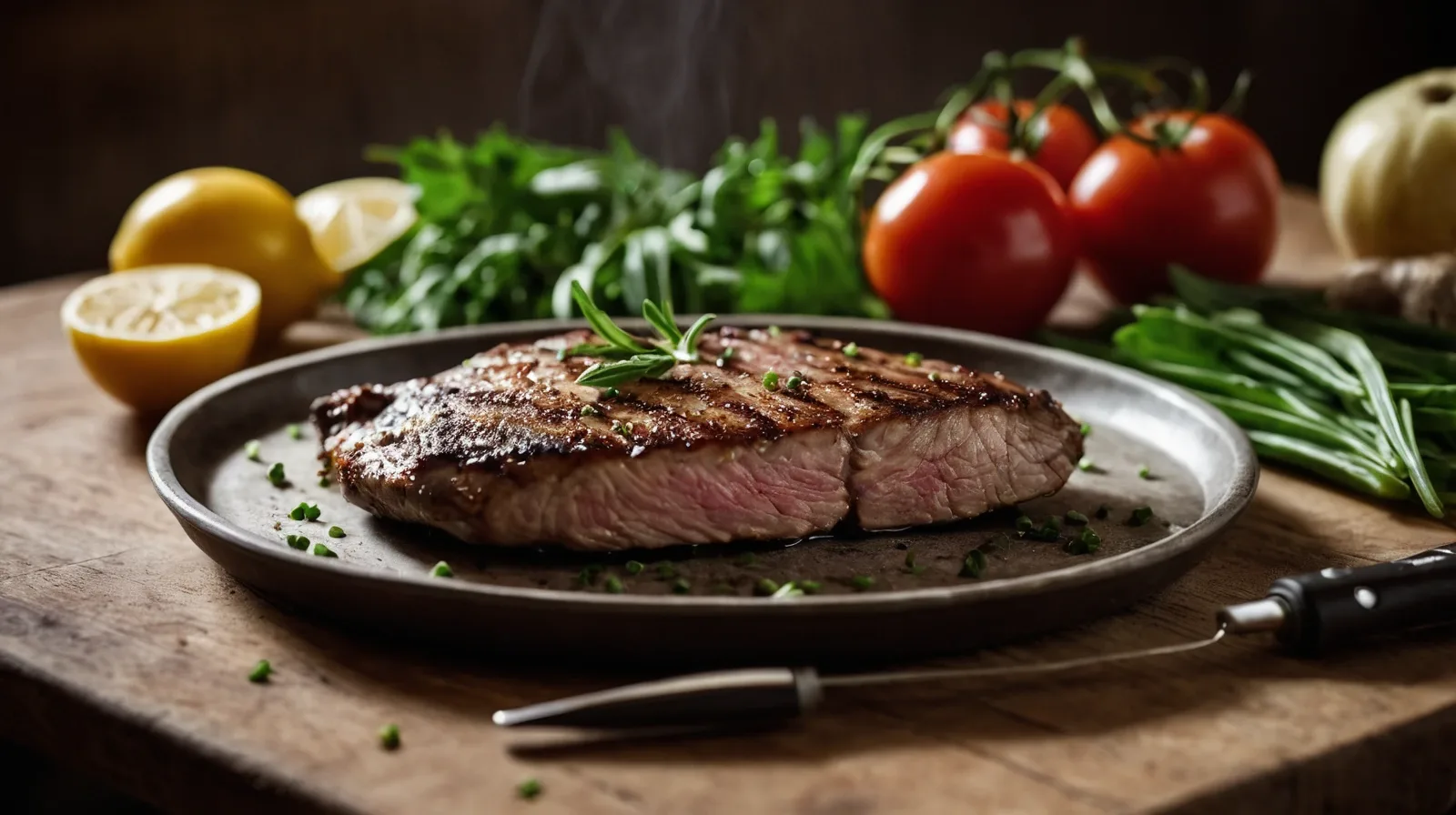
- Beef, Pork, Lamb: 145°F (63°C) with a 3-minute rest
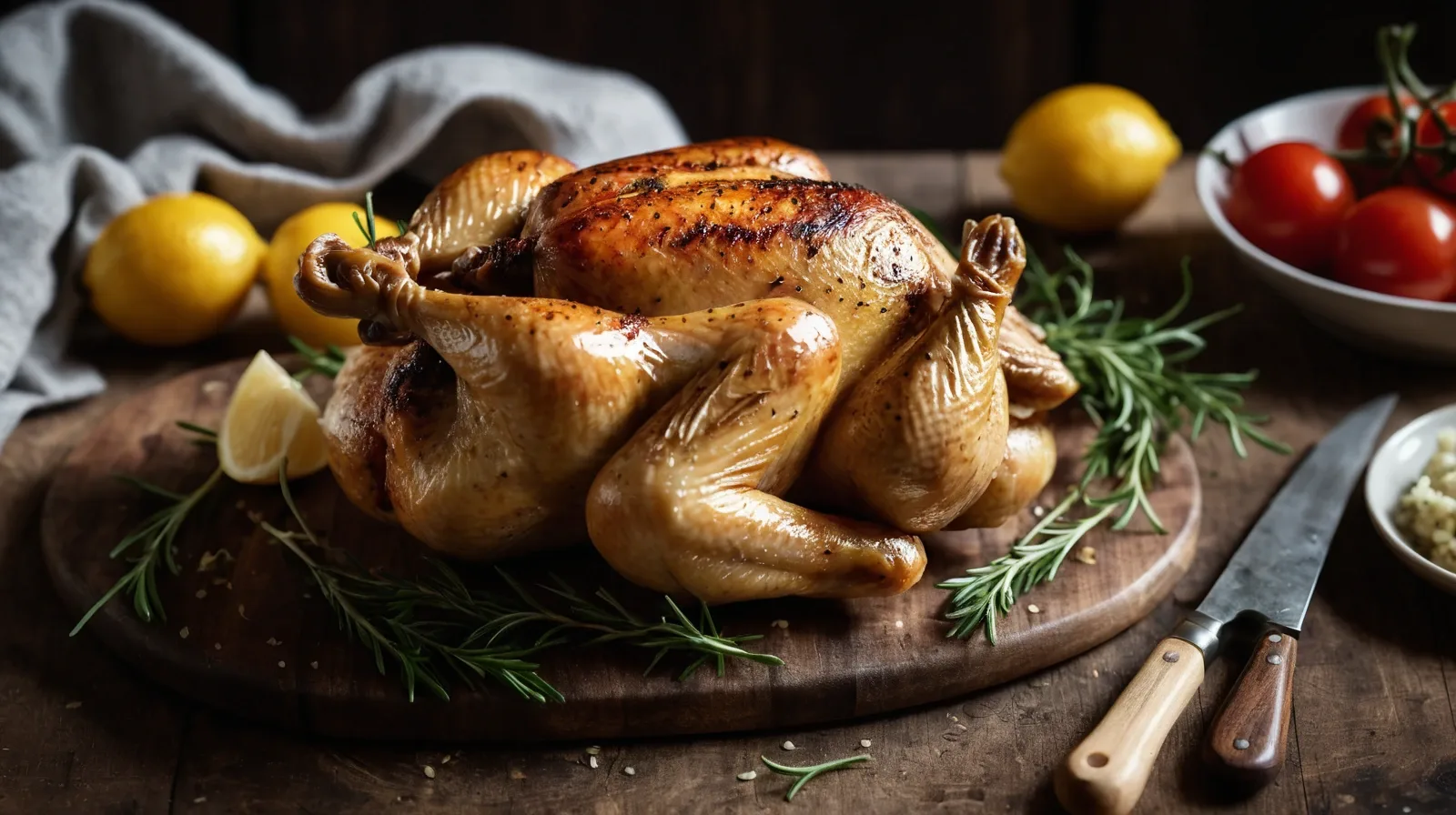
- Chicken: 165°F (74°C)
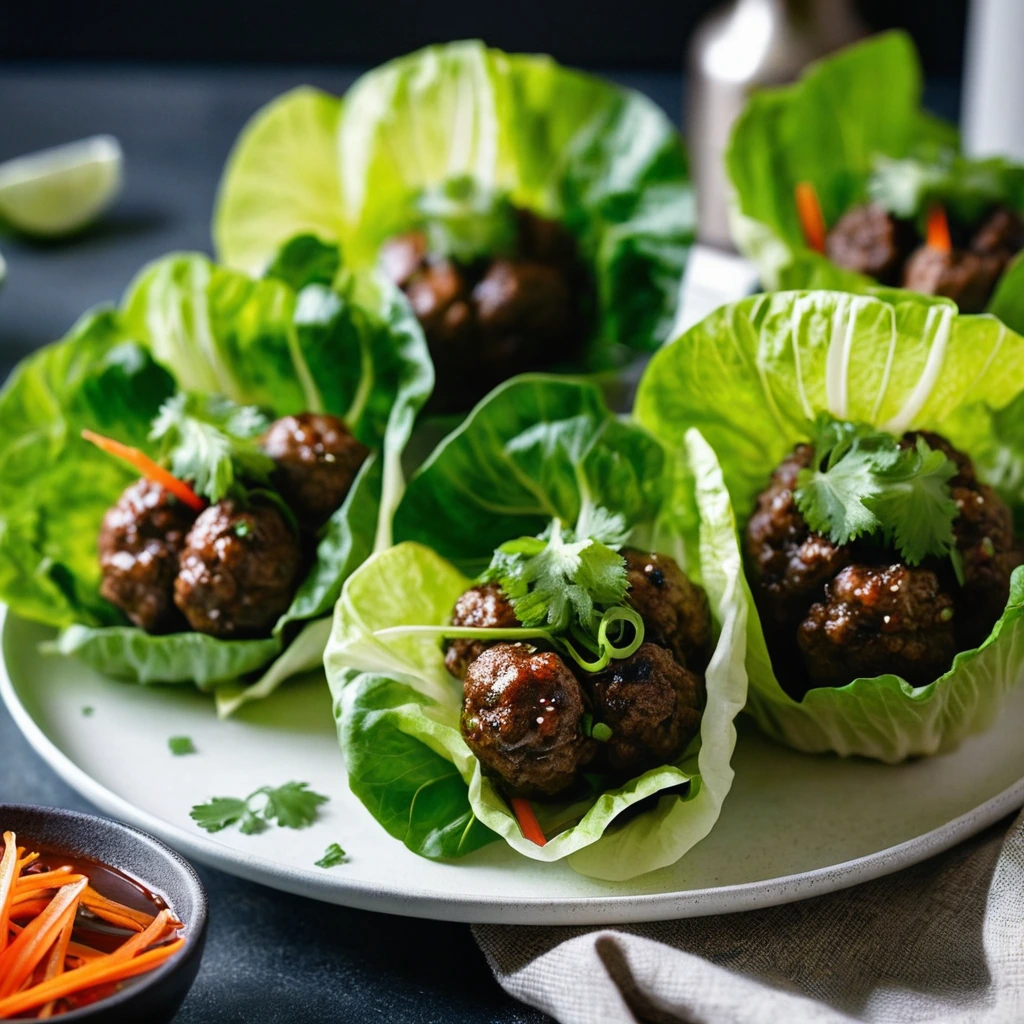
- Ground Meats: 160°F (71°C)
The Insertion Method
Slide the thermometer into the meat at an angle; don’t let it touch bone or fat. This ensures you’re getting an accurate read of the meat itself.
Common Mistakes to Avoid
- Assuming all parts cook evenly: Different parts of your roast or bird can cook at different rates.
- Leaving it in: Don’t let your thermometer linger too long if it’s not oven-safe.
- Trusting touch: The 'poke test' is cute, but a thermometer doesn’t lie.
Mini FAQ
Can I use a meat thermometer for candy making?
Absolutely! Many candy recipes call for precise temperatures, and a good meat thermometer can double as your trusty candy thermometer.
How do I clean my meat thermometer?
For most thermometers, a wipe down with a damp cloth and soapy water will do. Avoid submerging the electronics unless specified by the manufacturer.
How often should I calibrate my thermometer?
Check calibration before heavy use periods (like holiday cooking) and if your thermometer seems off. A quick Google search will guide you through calibrating your specific model.
Closing Thoughts
Using a meat thermometer correctly is a non-negotiable skill for any home cook. It’s the difference between a dry disaster and a juicy masterpiece. Armed with this knowledge, your next cookout is sure to be a hit. Go forth and cook with confidence!