How to Choose the Right Flour for Baking
Discover the key factors in selecting the perfect flour for your baking needs. From protein content to gluten development, we've got your back.
The Flour Fundamentals
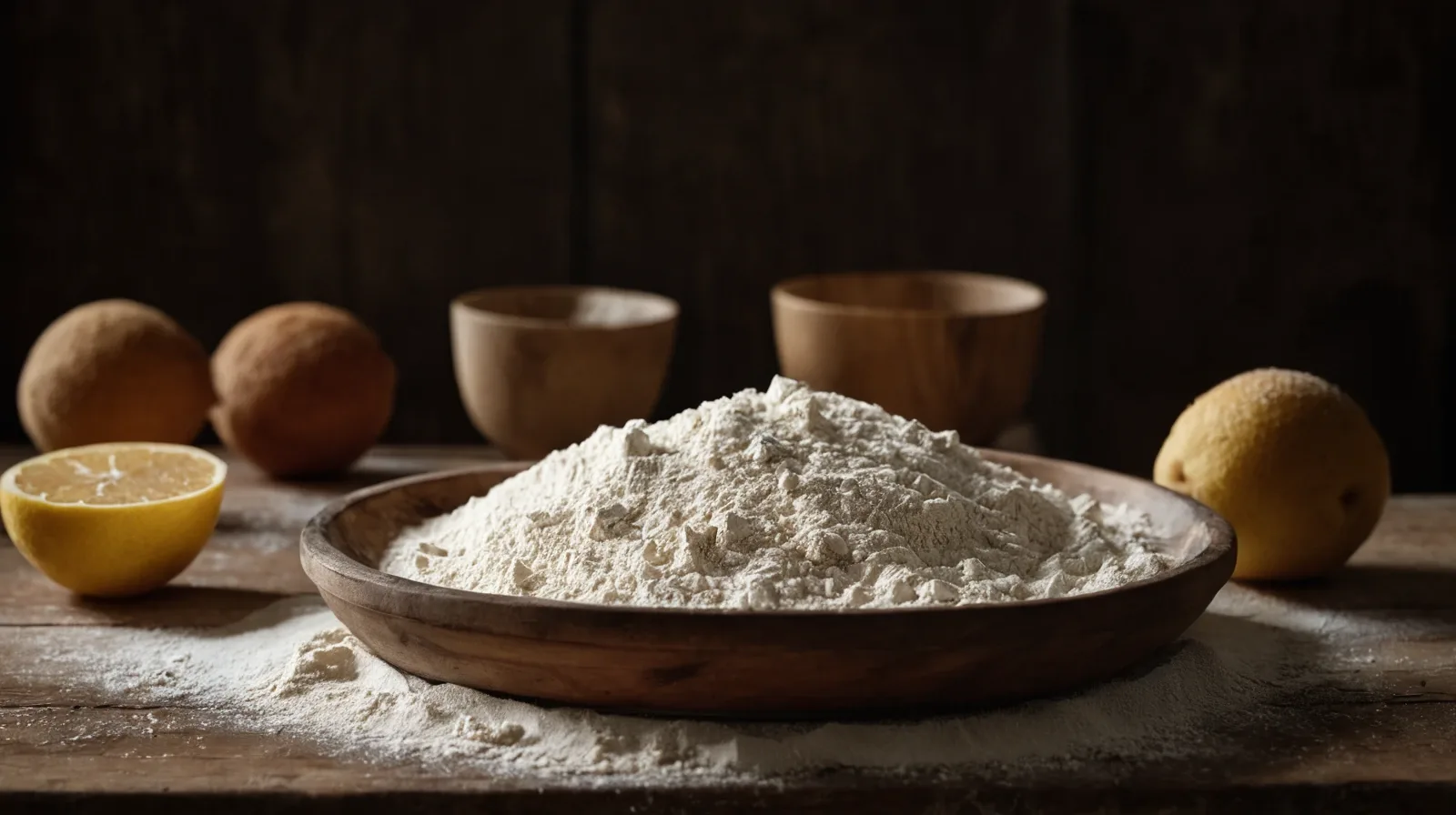
When it comes to baking, flour is your MVP – the Most Valuable Player. But not all flours are created equal. Understanding the basics of flour will set you up for baking success. Let's dive in!
Protein Content: The Muscle of Flour
The protein content in flour determines gluten formation, which gives structure to your baked goods. Higher protein means more gluten, ideal for chewy bread. Lower protein is perfect for tender cakes and pastries. Here’s a quick breakdown:
- Bread Flour: 12-14% protein for sturdy loaves.
- All-Purpose Flour: 10-12% protein, a jack-of-all-trades.
- Cake Flour: 6-8% protein, yielding delicate textures.
Choosing Flour for Specific Recipes
Different recipes call for different flours, and here's why:
Breads and Pizza Dough
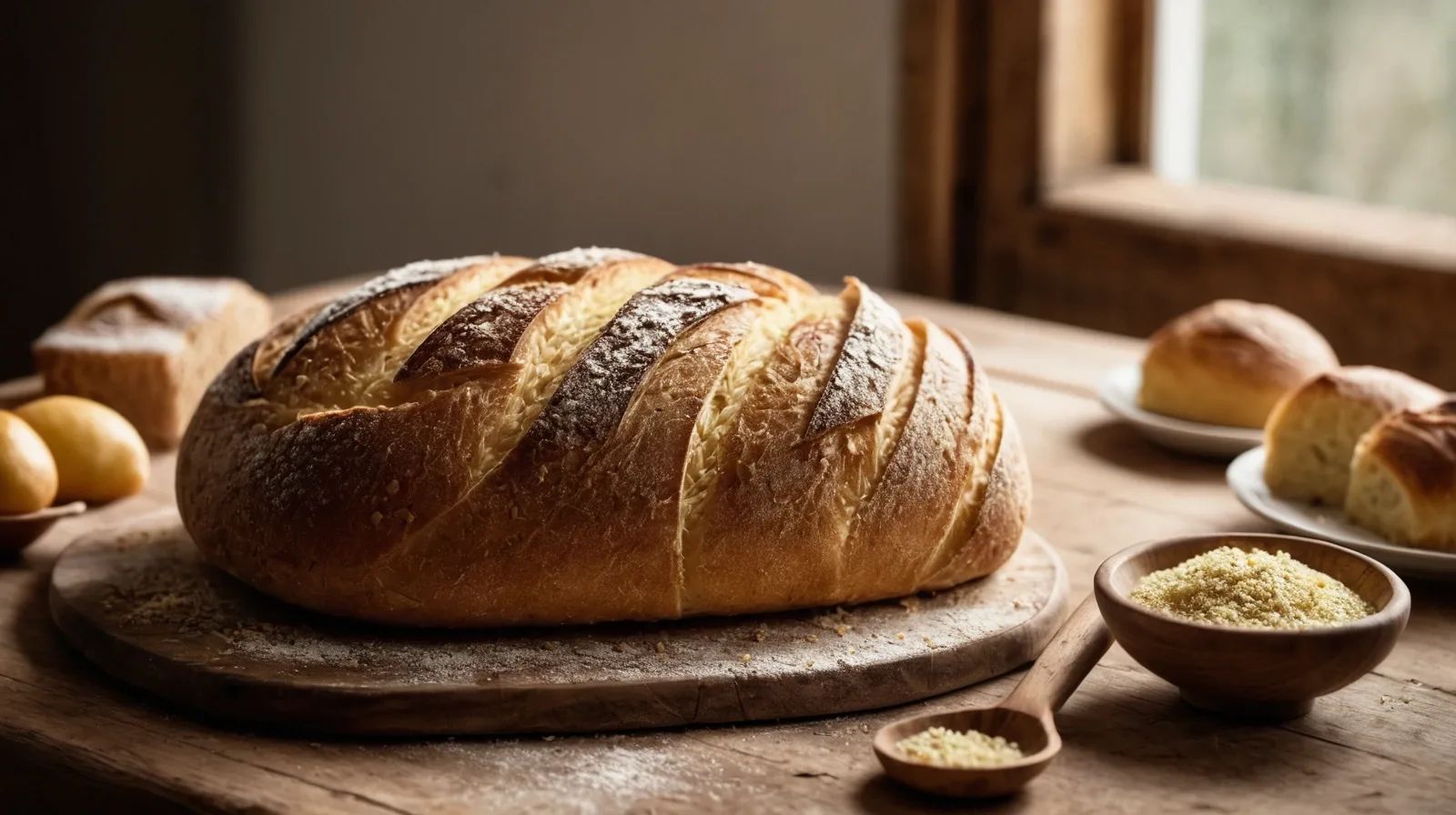
Reach for bread flour. Its higher protein content (around 12-14%) ensures robust gluten development, which is essential for creating that satisfying chew in your baguette or New York-style slice.
Pastries and Tarts
For flaky pastries, you want to minimize gluten formation. Enter pastry flour, with a protein content of about 8-9%, striking the perfect balance for tender yet sturdy crusts.
Cakes and Cookies
Cake flour is your go-to for those melt-in-your-mouth confections. Its lower protein content (6-8%) keeps cakes airy and cookies tender. For cookies with a bit more structure, all-purpose flour can be a great middle ground.
Whole Grain vs. Refined Flour
Whole grain flour includes the bran and germ, offering more fiber and nutrients but can yield denser baked goods due to its lower gluten content. Refined flours, stripped of bran and germ, are higher in gluten-forming proteins, resulting in lighter textures.
Experimenting with Flour Blends
Feeling adventurous? Try blending flours to achieve unique textures. Mix all-purpose with whole wheat for a hearty loaf with a softer crumb, or experiment with almond flour for gluten-free options.
Actionable Tips for Flour Power
- Check Expiration Dates: Flour can go rancid, so use it within its prime.
- Store Correctly: Keep flour in airtight containers to maintain freshness.
- Measure Accurately: Spoon and level flour to avoid packing and ensure recipe success.
Mini-FAQ: Flour Queries Answered
Can I substitute all-purpose flour for bread flour?
Yes, but your loaf might not rise as high. You can compensate by adding vital wheat gluten to all-purpose flour.
Is bread flour better for pizza?
Absolutely! The high protein content in bread flour helps develop the chewy texture characteristic of great pizza crusts.
What’s the deal with self-rising flour?
Self-rising flour contains added leavening agents and salt, making it a convenient option for certain recipes that don't require additional rising agents.
Closing Thoughts
Choosing the right flour can transform your baking from good to extraordinary. With a basic understanding of protein content and flour types, you'll be equipped to create everything from airy angel food cake to crusty sourdough. Remember, baking is an art and a science – so experiment, learn, and most importantly, enjoy the process!