Everything You Need to Know About Yeast
Yeast can be a tricky little organism, but understanding its role in your baking is key to perfect loaves and rolls. Let’s break down the essentials.
Introduction to Yeast: The Tiny Baking Hero
Ah, yeast – the unsung hero in your pantry that quietly transforms flour and water into a fluffy loaf of bread. This tiny, single-celled fungus is a powerhouse when it comes to baking, and understanding it is key to elevating your home bread game.
What is Yeast and How Does It Work?
Yeast is a microorganism that feeds on sugars and starches, producing carbon dioxide gas and alcohol as byproducts. This gas is what causes your dough to rise, creating that airy texture we all love in bread and pastries.
Types of Yeast: Which One is Right for You?
- Active Dry Yeast: This granulated yeast needs to be proofed in warm water before use. It's dependable and has a long shelf life.
- Instant Yeast: Also known as rapid-rise yeast, it can be mixed directly into dry ingredients. It's quick and doesn't require proofing.
- Fresh Yeast: This is a moist, cake-like yeast often favored by professional bakers for its potency and flavor.
Storing Your Yeast
To keep your yeast at its best, store it in a cool, dry place. Unopened packages can stay in your pantry, but once you open them, pop them in the fridge or freezer for maximum shelf life.
How to Use Yeast: A Step-by-Step Guide
- Check the expiration date – yeast is living and gets tired with time.
- For active dry yeast, dissolve it in 1/4 cup of warm water (110°F) with a teaspoon of sugar and let it sit for 5-10 minutes until frothy.
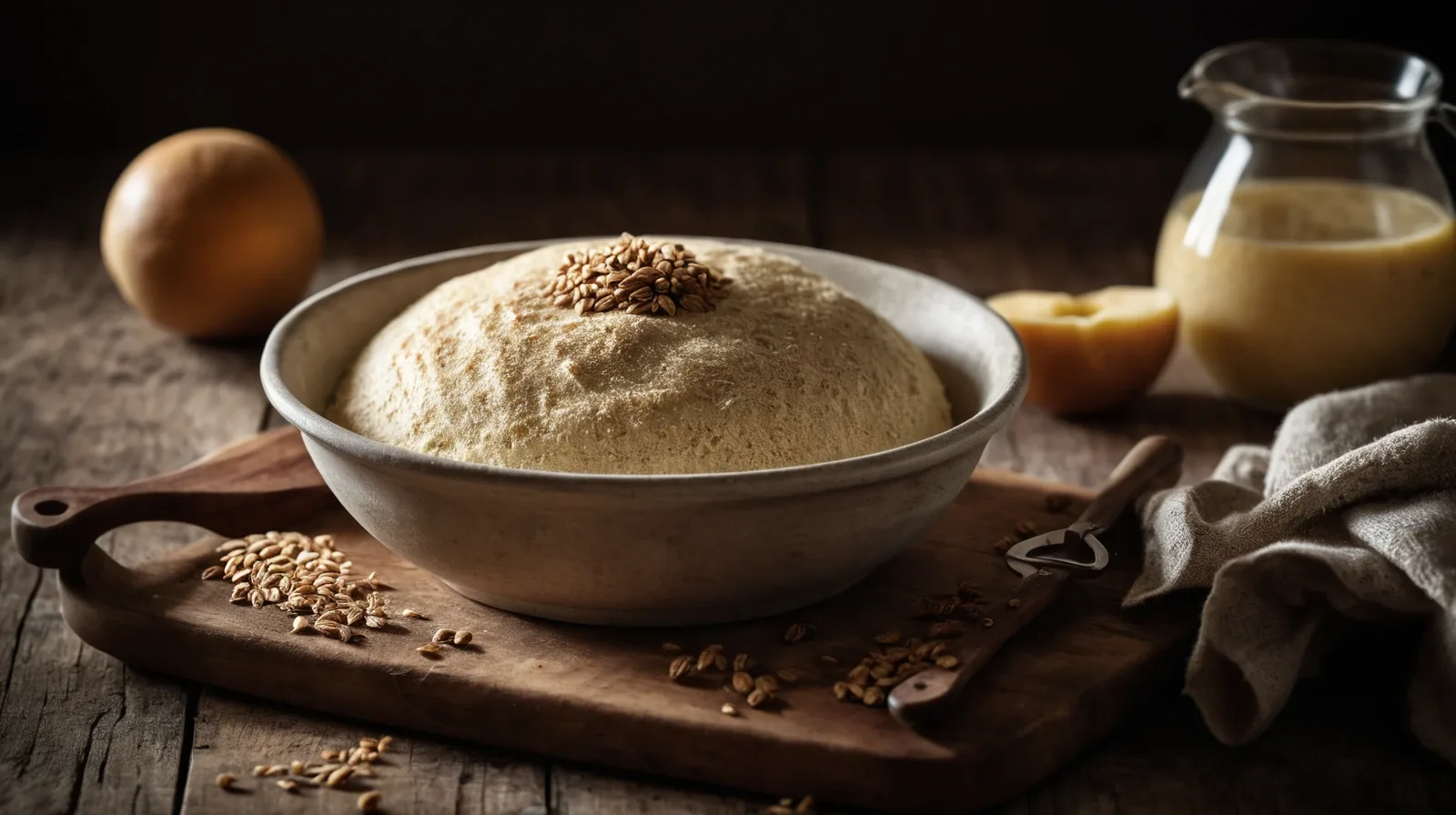
- Mix your yeast with other ingredients, knead, and let the dough rise in a warm spot, covered, until doubled in size.
Troubleshooting Yeast Problems
Yeast can be fickle. Here are some common issues and how to fix them:
- Dough isn't rising: Your yeast might be dead. Try proofing it first to ensure it's active.
- Dough rises too quickly: The environment might be too warm, or you've used too much yeast.
- Bread tastes yeasty: This can happen if the dough doesn't rise long enough or if there's too much yeast.
Mini FAQ
Can I Use Expired Yeast?
While you might get lucky, expired yeast often won't perform well. Always check for viability by proofing it first.
How Long Can Yeast Dough Rise?
Generally, let your dough rise until doubled, usually 1-2 hours. A second rise after shaping is common but shouldn't exceed 1 hour to prevent over-fermentation.
Can I Freeze Yeast Dough?
Absolutely! Freeze your dough after the first rise. Thaw it in the fridge before baking for best results.
Closing Thoughts: Embrace the Yeast Journey
With yeast, there's always something new to learn, and each batch is a chance to refine your skills. Don't be afraid to experiment and enjoy the process. After all, the beauty of home baking lies in the journey from humble ingredients to a golden, crusty loaf.