Workflow Technique: Tracking Internal Temperatures with a Log
Understanding the importance of internal temperatures in cooking is crucial for achieving consistent results and ensuring food safety. Tracking these temperatures with a log is a workflow technique that helps home cooks monitor progress and make informed decisions. This method is especially useful for long cooks, such as roasting meats or baking bread, where precise temperatures dictate doneness and texture. A temperature log allows you to document the journey of your dish, offering insights into how your oven performs or how different cuts of meat react over time. By keeping a detailed record, you can refine your cooking process and replicate successful outcomes. Moreover, this technique aids in troubleshooting, as deviations in temperature can indicate issues with equipment or technique. Let's dive into how to implement this workflow and elevate your cooking skills.
Notes
Tracking internal temperatures works by providing real-time data on how your food is progressing, allowing for precise adjustments and ensuring safety standards are met. Common mistakes include not calibrating your thermometer or checking the temperature too frequently, which can cause heat loss. Always ensure your thermometer is clean to avoid cross-contamination. For make-ahead meals, store your logs digitally or in a safe place to reference later. Understanding how different meats and dishes require specific temperatures is key to culinary success, and logging helps demystify this aspect of cooking.
Steps
- 1 Gather a reliable instant-read thermometer and a notebook or digital app for logging.
- 2 Preheat your oven to the required temperature for your recipe.
- 3 Insert the thermometer into the thickest part of the food, avoiding bone.
- 4 Record the initial internal temperature before placing the food in the oven.
- 5 Set a timer for 15-minute intervals to check the temperature.
- 6 Open the oven door briefly, recheck the temperature, and log the reading.
- 7 Close the oven door immediately to retain heat after each check.
- 8 Adjust cooking times or temperatures based on logged data and recipe targets.
- 9 Continue logging until the desired internal temperature is reached.
- 10 Remove the food from the oven and log the final resting temperature after 5-10 minutes.
- 11 Compare your log with the recipe's guidelines to identify any discrepancies.
- 12 Use the insights from your log to adjust future cooking endeavors.
- 13 Clean your thermometer and store your log for future reference.
Ingredients to explore
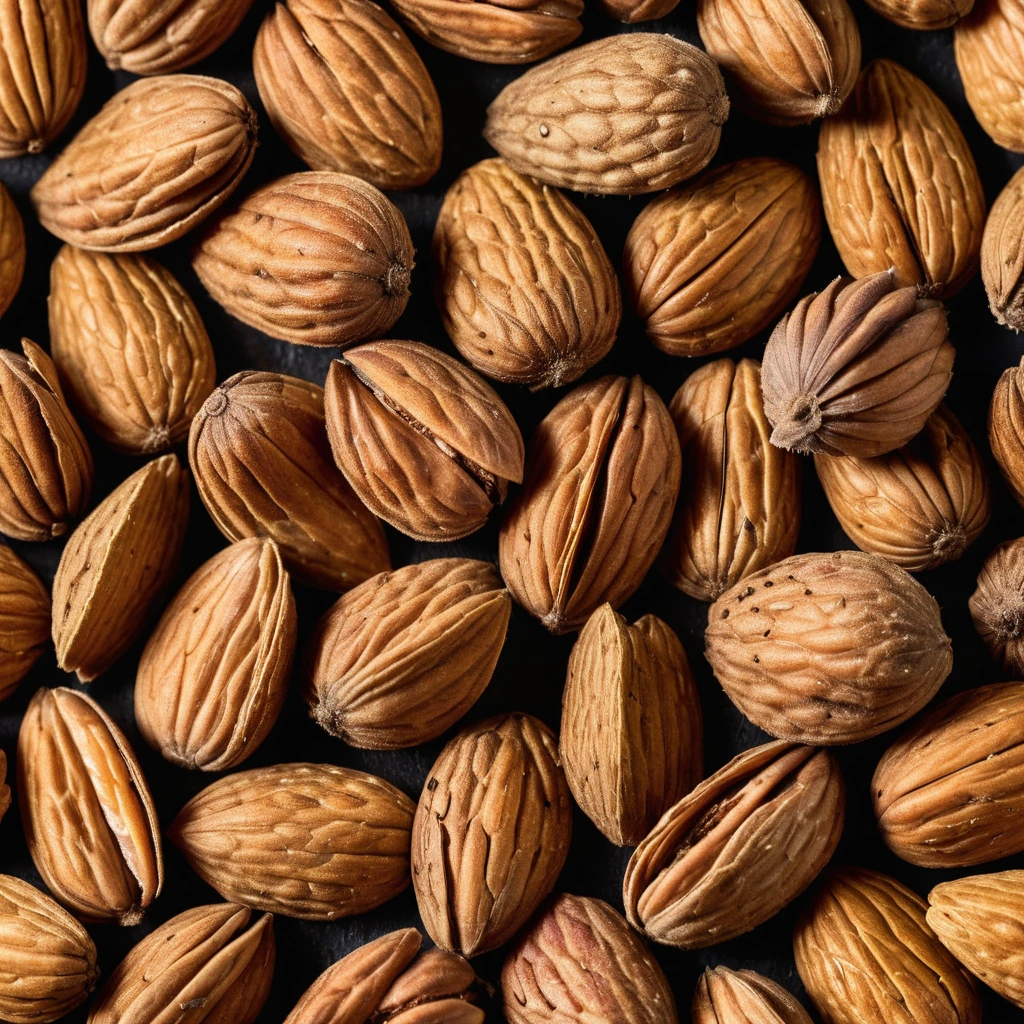
Almonds
With their golden-brown hue and delicate, edible skin, almonds are a crunchy delight. These versatile nuts boast a rich, buttery flavor that adds depth to both sweet and savory dishes.
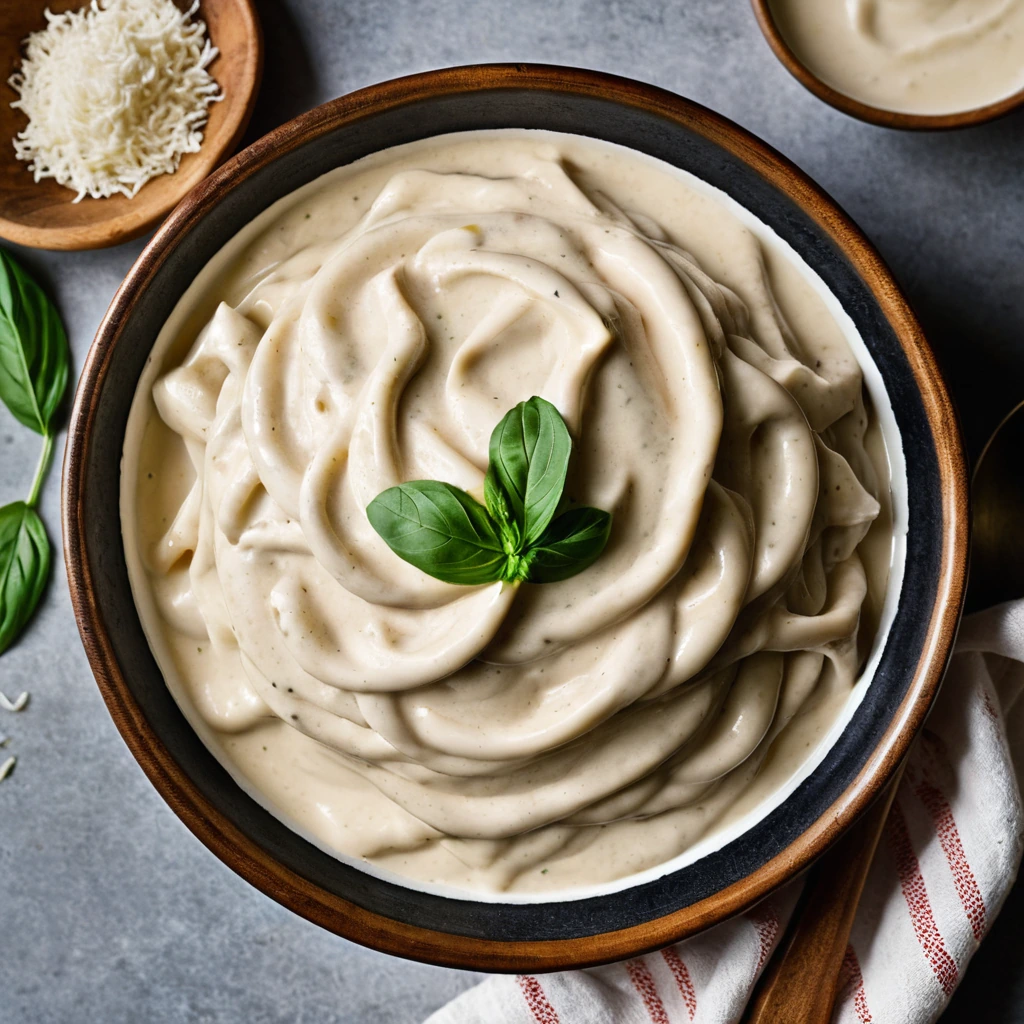
Alfredo Sauce
Creamy, rich, and utterly indulgent, Alfredo sauce is a dreamy blend of butter, heavy cream, and Parmesan cheese. Its velvety texture and savory depth make it a beloved staple in Italian-American cuisine.
Recipes to try
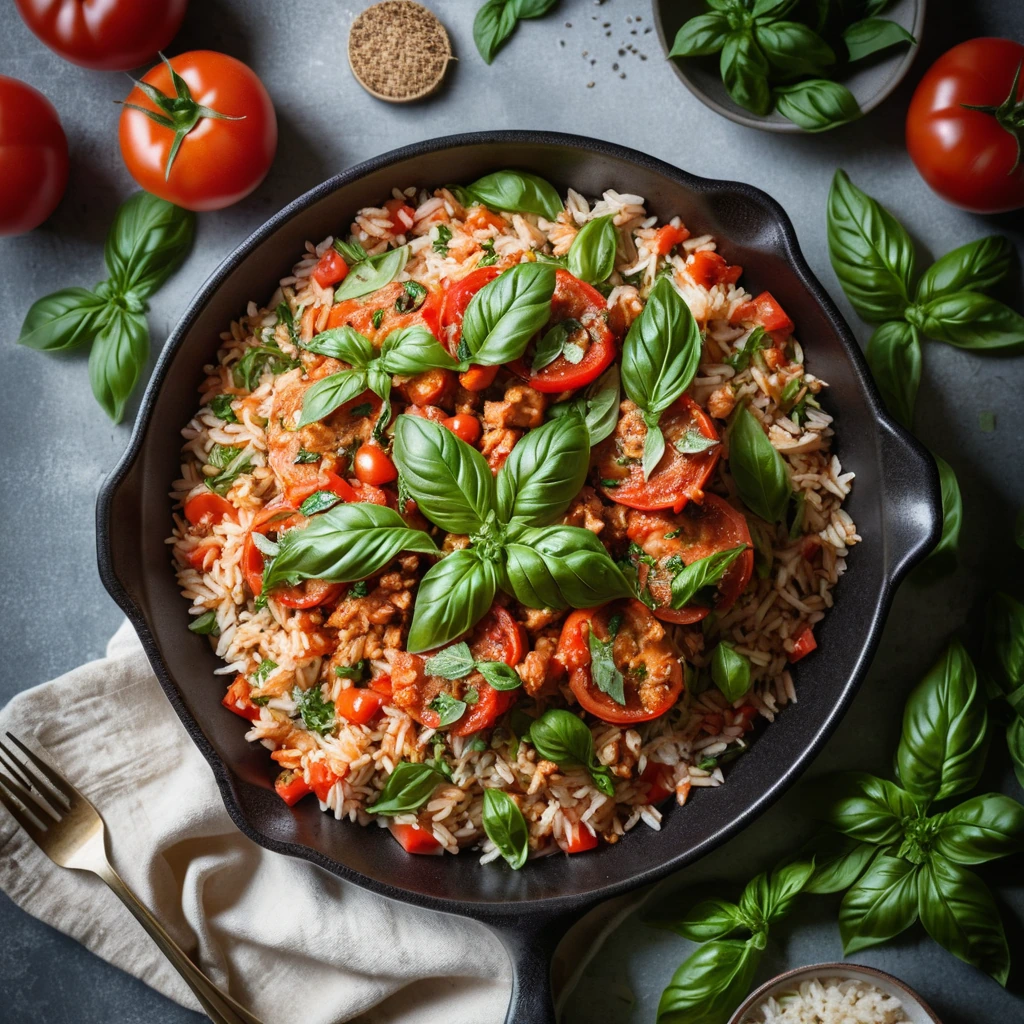
Tomato Basil Chicken and Rice Skillet
Golden chicken and fluffy rice simmered in a vibrant tomato-basil sauce, bursting with fresh garden flavors.
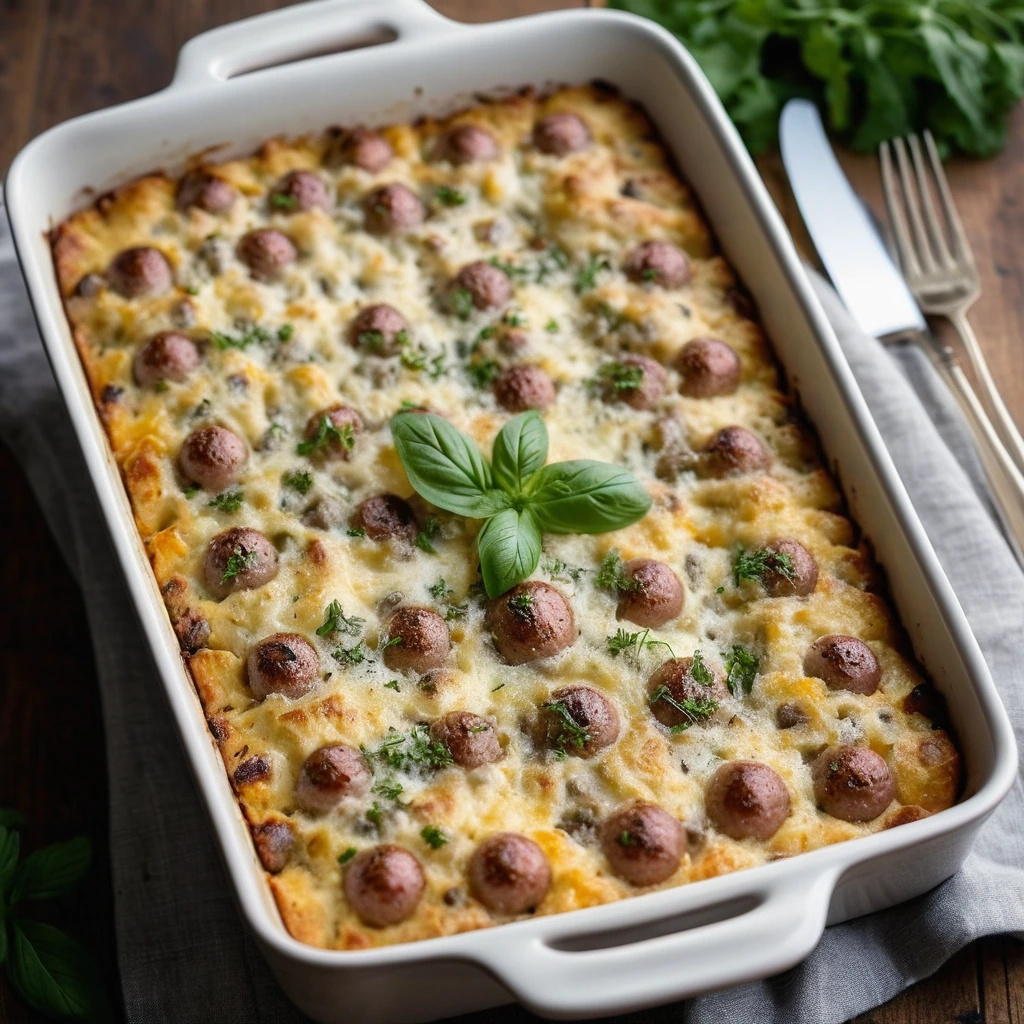
Sausage and Potato Breakfast Casserole
This hearty casserole combines savory sausage, crispy potatoes, and melty cheese into a golden, bubbly brunch masterpiece.