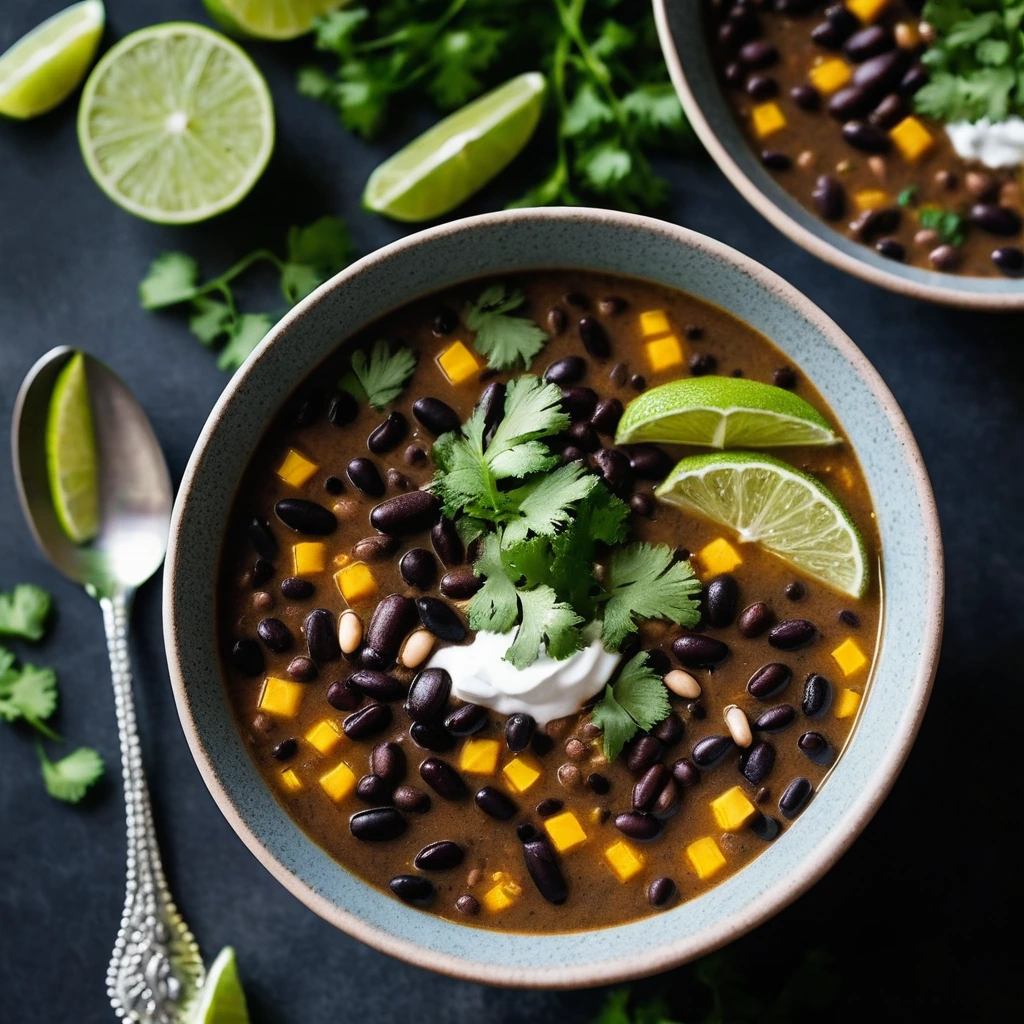
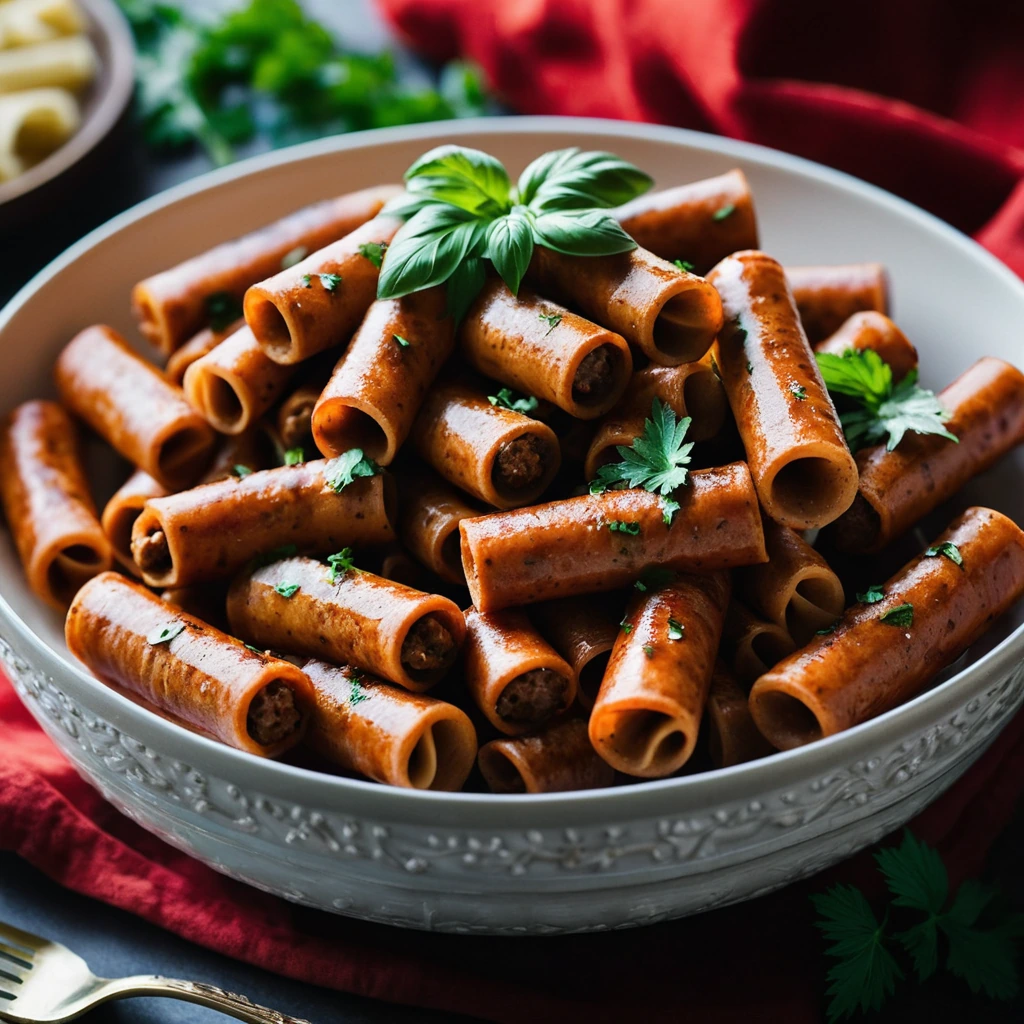
Workflow Technique: Prepping Garnishes Ahead for Faster Plating
Prepping garnishes ahead is a game-changing workflow technique that can transform your plating process from frantic to fluid. By organizing and preparing garnishes in advance, you can focus on the main components of your dish during the crucial cooking phase, ensuring everything comes together seamlessly. This method is especially useful for home cooks juggling multiple elements of a meal, as it allows for a more professional and polished presentation. The key is understanding which garnishes can be prepped in advance without sacrificing freshness or quality. Leafy herbs, citrus twists, and delicate flowers require careful handling, while robust elements like toasted nuts or crispy shallots can withstand longer preparation times. Learning to anticipate your needs and prep accordingly is part art, part science. It involves assessing each component of your dish and planning when each garnish will shine best. By mastering this technique, you'll not only save time but also reduce stress, allowing you to enjoy the creative process rather than rushing through it. Additionally, having your garnishes ready means you can plate your dish with intention and precision, enhancing both visual appeal and flavor. Whether you're hosting a dinner party or just cooking for your family, prepping garnishes ahead is a skill that can elevate your culinary experience. Dive into the steps and tips below to transform your cooking routine and impress your guests with beautifully plated dishes.
Notes
This technique works because prepped garnishes reduce last-minute tasks, streamlining your workflow. Scientifically, chilling herbs and citrus helps maintain their texture and color. However, be mindful not to prep too early, as delicate garnishes can lose their vibrancy. A common mistake is overcrowding garnishes, leading to sogginess; store them in single layers. Safety-wise, ensure all prepped items are stored properly to avoid contamination. For make-ahead preparation, most garnishes can be prepped up to 24 hours in advance, stored in airtight containers, and refrigerated. Keep herbs dry and crisp by storing them in paper towels within the container.
Steps
- 1 Review your recipe and identify all garnishes needed.
- 2 Gather fresh herbs and inspect for freshness and quality.
- 3 Wash and dry herbs thoroughly, then store in airtight containers.
- 4 Prepare citrus twists by washing and drying the fruit, then cutting into thin strips.
- 5 Toast nuts or seeds in a 350°F oven until fragrant, about 8-10 minutes.
- 6 Fry shallots in oil until crispy, then drain and season with salt.
- 7 Chill prepared garnishes in the refrigerator to maintain freshness.
- 8 Arrange garnishes on a tray or plate for easy access during plating.
- 9 Label each garnish to avoid confusion during the plating process.
Ingredients to explore

Anaheim Peppers
Anaheim peppers are a mild chili pepper variety named after Anaheim, California, where they were first cultivated commercially. Originating from the New Mexico region, these peppers are celebrated for their versatility and gentle heat. They possess a flavor that is mildly sweet with a subtle tang, and a pleasant vegetal note reminiscent of green bell peppers, but with a hint of spice. Their texture is firm and crisp when fresh, becoming tender and slightly smoky when roasted or cooked. In cooking, Anaheim peppers behave well across a range of techniques, from grilling and roasting to stuffing and sautéing, contributing a nuanced depth without overwhelming other ingredients with heat.
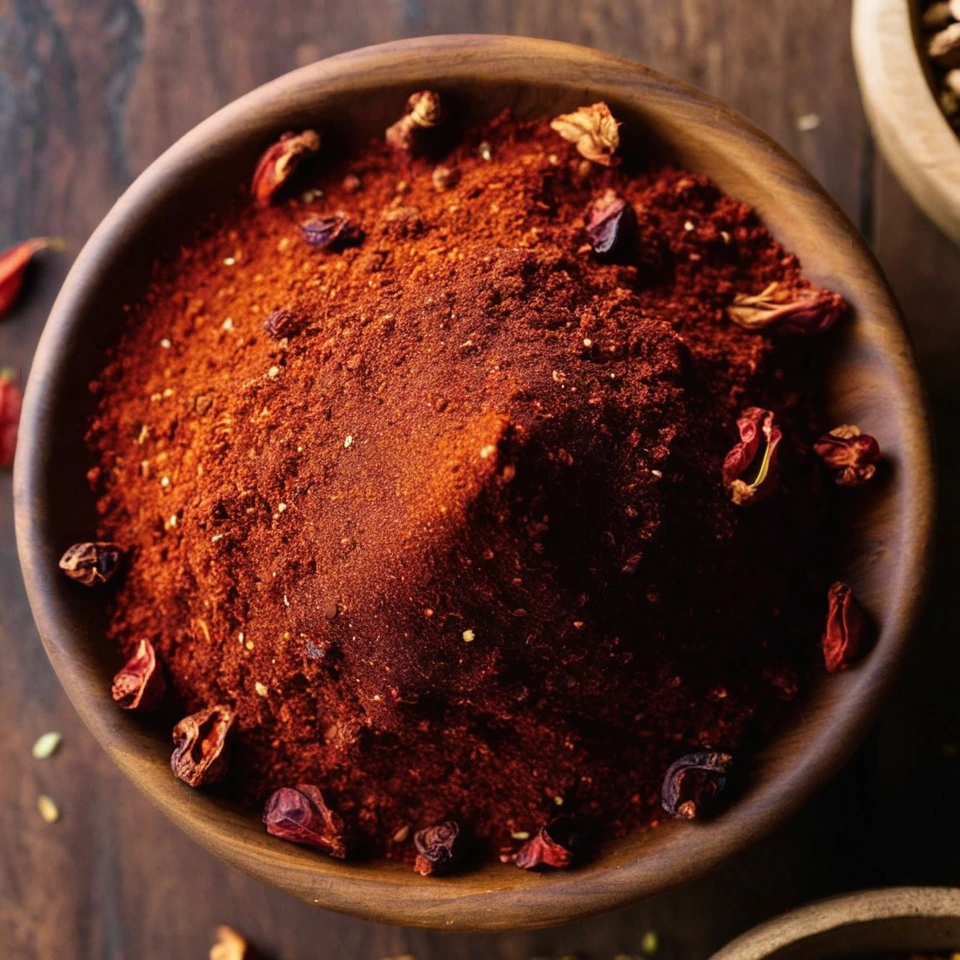
Aleppo Pepper
Aleppo pepper offers a harmonious balance of heat and sweetness, with a subtle fruity aroma reminiscent of sun-dried tomatoes and currants. Originating from the region around Aleppo, Syria, it has a fine, slightly coarse texture that shatters easily between fingers. Its mild yet complex flavor profile makes it a prized seasoning for enhancing dishes without overwhelming them. Valued for its versatility, it bridges the gap between spice and seasoning, bringing a touch of warmth and depth to a variety of cuisines.