Workflow Technique: Plating Hot Foods on Warm Plates
Plating hot foods on warm plates is a simple yet often overlooked technique that can elevate your home cooking to restaurant standards. Imagine sitting down to a beautifully presented dish, only to have it lose its warmth before the first bite. Keeping plates warm ensures that your food maintains its intended temperature, texture, and flavor from the kitchen to the table. This technique is particularly crucial for dishes like soups, stews, and delicate sauces that can break or separate upon contact with a cold surface. Beyond functionality, serving food on warm plates demonstrates attention to detail and care, enhancing the overall dining experience. Achieving this requires planning and understanding the science behind heat transfer. By preheating plates, you minimize the temperature drop when hot food is served, preventing sauces from cooling too quickly and maintaining their silky consistency. It also helps prevent condensation from forming on the plate, which can water down the flavors of your dish. This technique is a staple in professional kitchens and is surprisingly easy to replicate at home with just a few simple steps. Whether you’re hosting a dinner party or enjoying a quiet meal, mastering this workflow will ensure that each dish is served at its best. With this guide, you’ll learn how to preheat plates effectively, avoid common pitfalls, and present your dishes with the warmth and care they deserve.
Notes
The science behind this technique lies in heat transfer. By warming the plates, you reduce the thermal shock to your food, ensuring that its temperature remains consistent. A common mistake is to overheat plates, which can lead to burns or even crack delicate dishware, so always use oven mitts and test the plate's temperature before serving. For safety, ensure plates are just warm to the touch, not scalding. To make this technique part of your routine, consider warming plates as part of your cooking workflow rather than an afterthought. For storage, while plates don’t require special handling, keeping them in an oven set to the lowest setting can maintain their warmth until serving time.
Steps
- 1 Preheat your oven to 200°F.
- 2 Place plates on the middle rack of the oven.
- 3 Warm plates for 5-10 minutes.
- 4 Use oven mitts to remove plates from the oven.
- 5 Place plates on a heat-safe surface.
- 6 Immediately proceed to plate your hot food.
- 7 Serve food promptly to maintain optimal temperature.
- 8 Ensure plates are not so hot that they risk burning guests.
Ingredients to explore
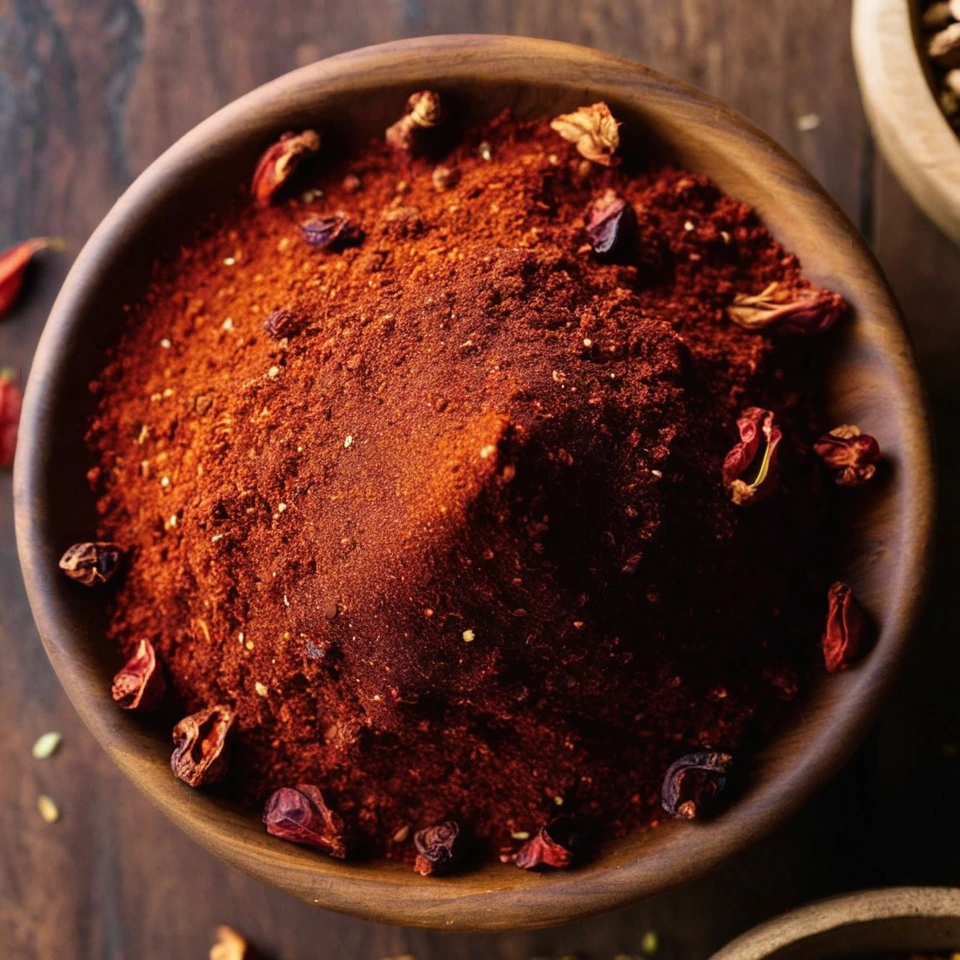
Aleppo Pepper
Aleppo pepper offers a harmonious balance of heat and sweetness, with a subtle fruity aroma reminiscent of sun-dried tomatoes and currants. Originating from the region around Aleppo, Syria, it has a fine, slightly coarse texture that shatters easily between fingers. Its mild yet complex flavor profile makes it a prized seasoning for enhancing dishes without overwhelming them. Valued for its versatility, it bridges the gap between spice and seasoning, bringing a touch of warmth and depth to a variety of cuisines.

Anaheim Peppers
Anaheim peppers are a mild chili pepper variety named after Anaheim, California, where they were first cultivated commercially. Originating from the New Mexico region, these peppers are celebrated for their versatility and gentle heat. They possess a flavor that is mildly sweet with a subtle tang, and a pleasant vegetal note reminiscent of green bell peppers, but with a hint of spice. Their texture is firm and crisp when fresh, becoming tender and slightly smoky when roasted or cooked. In cooking, Anaheim peppers behave well across a range of techniques, from grilling and roasting to stuffing and sautéing, contributing a nuanced depth without overwhelming other ingredients with heat.
Recipes to try
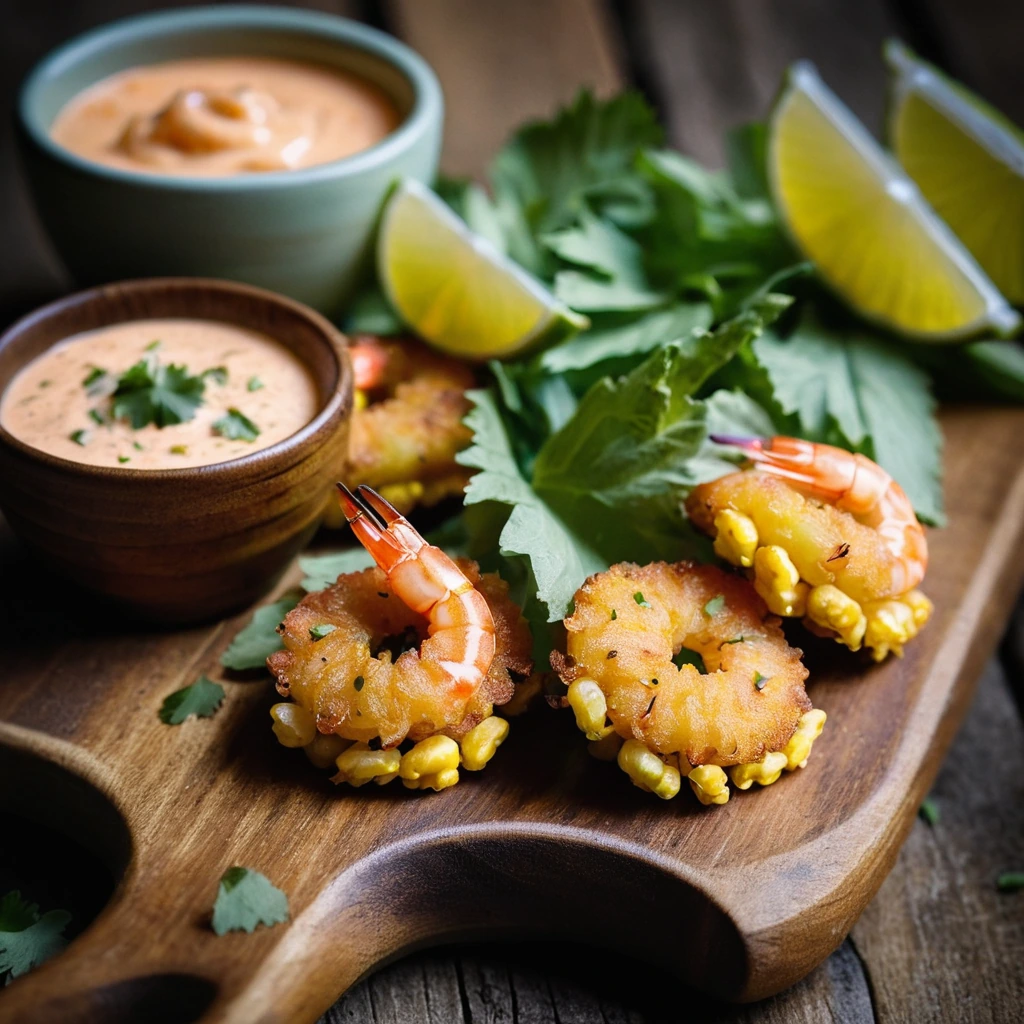
Shrimp and Corn Fritters with Chili Aioli
Crispy on the outside, tender on the inside, these golden fritters pack a punch with juicy shrimp and sweet corn, all topped with a zesty chili aioli.
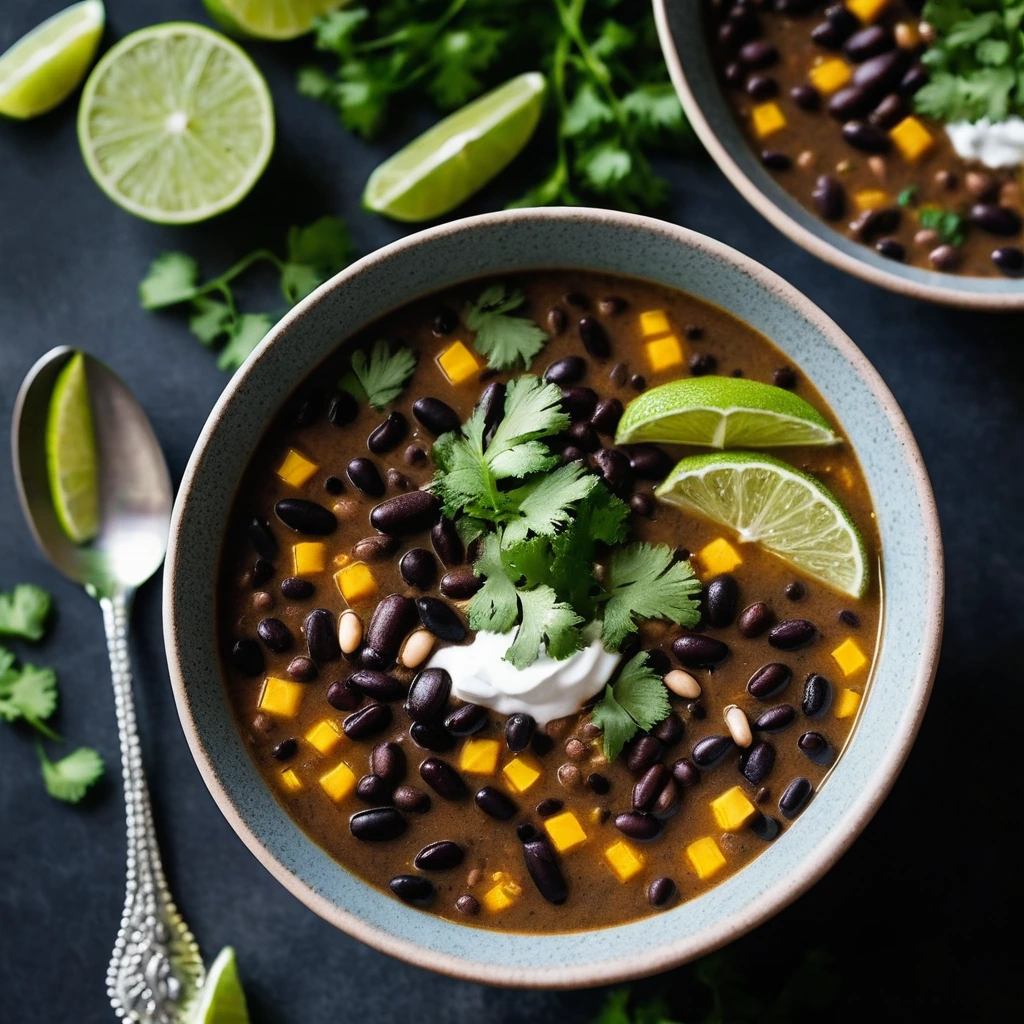
Smoky Black Bean and Corn Soup with Lime
This soup is a tangy, smoky hug in a bowl, with the fresh zing of lime cutting through rich black beans and sweet corn.