Whisking Emulsions: A Guide to Perfect Blends
Learn the art of whisking emulsions to create smooth, stable mixtures in your cooking.
Notes
For best results, use room temperature ingredients to help maintain the emulsion stability.
Steps
- 1 Select a bowl that is large enough to accommodate the ingredients and allow room for whisking.
- 2 Add the liquid ingredients first, followed by the oil or fat in a slow, steady stream.
- 3 Whisk continuously in a circular motion to ensure the mixture is well-combined.
- 4 Maintain a consistent whisking speed to avoid breaking the emulsion.
- 5 Add any additional seasonings or flavorings while whisking to incorporate them fully.
- 6 Check for a smooth, homogeneous texture; adjust consistency with more liquid or fat if needed.
- 7 Once the desired consistency is achieved, stop whisking and use immediately or store properly.
Ingredients to explore
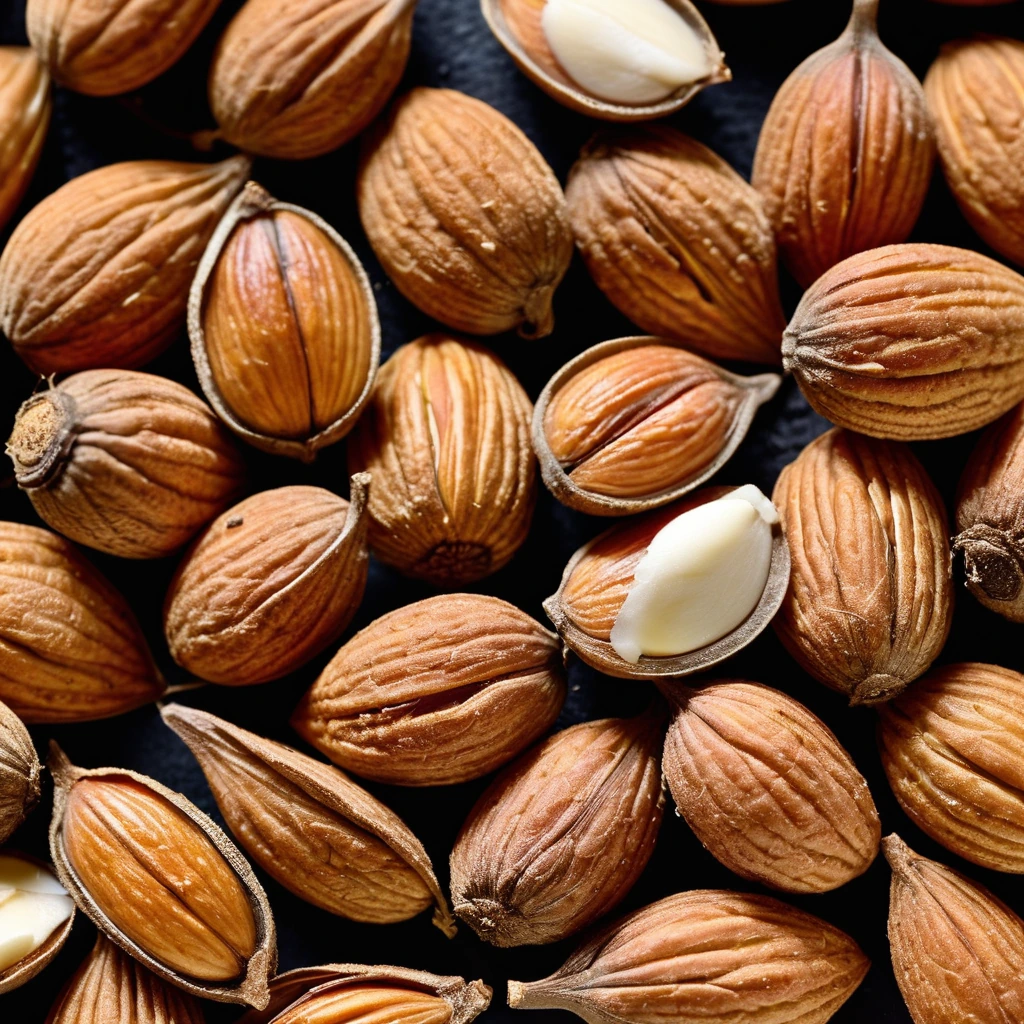
Almond Extract
A fragrant, golden elixir that captures the essence of freshly ground almonds, almond extract is a pantry staple that brings a rich, nutty aroma to your culinary creations.
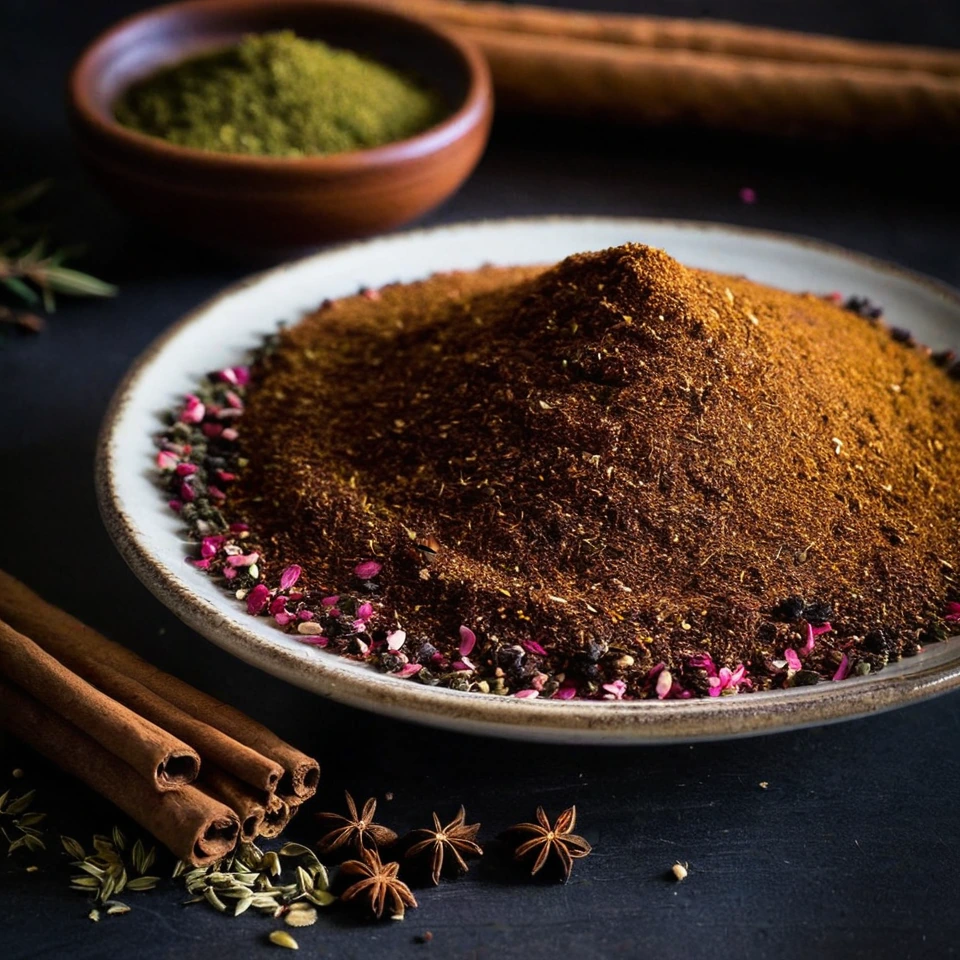
Advieh (Persian Spice Blend)
Advieh is a fragrant Persian spice blend that boasts a complex aroma of warm cinnamon, earthy cumin, and floral hints of rose and saffron. Its texture is finely ground, making it easy to incorporate into dishes. Originating from the rich culinary traditions of Iran, advieh adds depth and sophistication to both savory and sweet recipes. Its unique combination of spices reflects the historical spice trade routes that influenced Persian cuisine.