Vegetables: Building a Simple Ratatouille Base
Creating a simple ratatouille base is an art that brings out the natural sweetness and depth of summer vegetables. This classic French technique celebrates the essence of eggplant, zucchini, bell peppers, and tomatoes, melding them into a harmonious dish. The key to success lies in understanding how to coax out each vegetable's unique flavor and texture. Begin by selecting the freshest vegetables available, as their quality will directly influence the final dish. Each vegetable requires different handling: eggplant needs salting to draw out bitterness, zucchini benefits from a gentle sauté to maintain its structure, and bell peppers and tomatoes add vibrant color and sweetness. The technique relies on patience and attention to detail, ensuring each component is perfectly prepared before combining them into a cohesive base. Cooking ratatouille is a slow process, allowing the vegetables to release their juices and blend into a rich, aromatic mixture. The gradual melding of flavors creates a base that can stand alone or elevate any dish, from grilled meats to crusty bread. Understanding the nuances of this technique transforms a simple vegetable medley into a complex and satisfying culinary creation. Whether served warm or at room temperature, a well-crafted ratatouille base is a testament to the beauty of simple, quality ingredients treated with care.
Notes
The science behind ratatouille lies in the Maillard reaction and caramelization, which occur as the vegetables cook slowly in oil. These processes deepen the flavors and create a rich base. A common mistake is overcooking the vegetables, which can lead to a mushy texture. To avoid this, monitor the cooking time and ensure each vegetable retains some structure. For safety, ensure all vegetables are cooked thoroughly to eliminate potential bacteria. This ratatouille base can be made ahead and stored in an airtight container in the refrigerator for up to 3 days or frozen for up to 3 months. Reheat gently to preserve texture.
Steps
- 1 Cut 1 medium eggplant into 1/2-inch cubes and sprinkle with 1 teaspoon salt. Let sit for 30 minutes.
- 2 Rinse the eggplant cubes and pat them dry with paper towels.
- 3 Slice 2 medium zucchini into 1/2-inch rounds and cut into quarters.
- 4 Dice 2 medium bell peppers into 1/2-inch pieces.
- 5 Chop 2 cups of tomatoes into similar-sized pieces.
- 6 Heat 2 tablespoons olive oil in a large skillet over medium heat.
- 7 Add the eggplant and cook for 8 minutes, stirring occasionally, until softened.
- 8 Remove the eggplant and set aside. Add another tablespoon of olive oil if needed.
- 9 Sauté the zucchini for 5 minutes, until just tender.
- 10 Remove the zucchini and set aside with the eggplant.
- 11 In the same skillet, cook the bell peppers for 6 minutes, until softened.
- 12 Return all vegetables to the skillet, add the tomatoes, and stir gently.
- 13 Reduce heat to low, cover, and simmer for 20 minutes, stirring occasionally.
- 14 Season with salt and pepper to taste before serving.
Ingredients to explore
Recipes to try
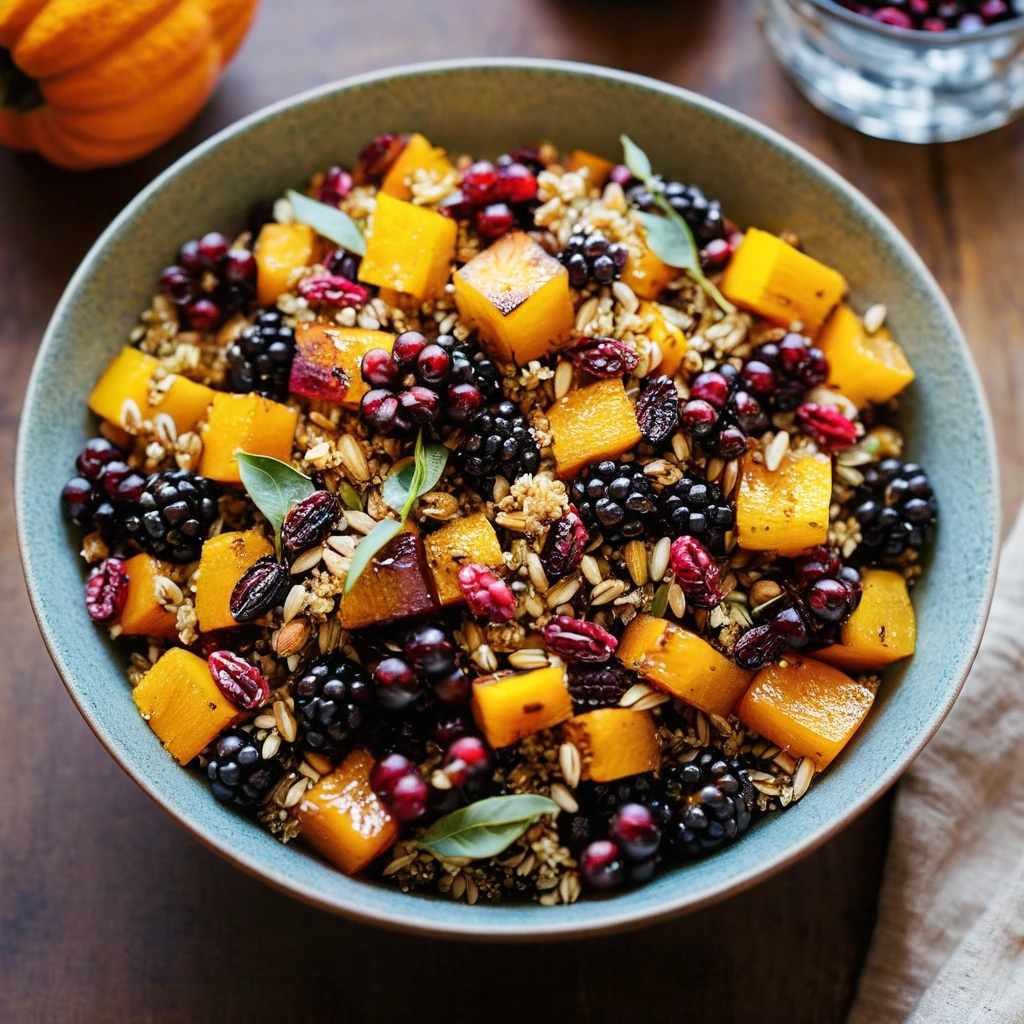
Warm Quinoa Salad with Roasted Squash and Cranberries
A cozy mix of nutty quinoa, tender roasted squash, and sweet cranberries makes this salad a fall favorite.

Lemon Raspberry Cheesecake Parfaits
Creamy layers of lemon cheesecake meet tangy raspberry swirls in a delightful parfait that's as pretty as it is delicious.