Vegetable Technique: Using Vinegar to Brighten Cooked Vegetables
Brightening cooked vegetables with vinegar is a simple yet transformative technique that can elevate the taste and appearance of your dishes. Adding a splash of acidity at the right moment can revive vegetables that might otherwise seem dull or lackluster. The right vinegar choice, timing, and amount can enhance color, add a refreshing zing, and balance flavors beautifully. This technique is particularly effective with vegetables like broccoli, cauliflower, green beans, and asparagus, which can benefit from a little extra pop. Understanding how and when to introduce vinegar can make your veggie sides sing with flavor. Vinegar's acidic properties not only brighten the taste but can also preserve the vibrant hues of vegetables by preventing enzymatic browning. This method is quick, requires minimal effort, and is a fantastic way to utilize pantry staples to improve your cooking. Let's dive into how you can master this technique to make your vegetables shine.
Notes
The science behind using vinegar to brighten vegetables lies in its acidity. Acids like vinegar can enhance color by lowering the pH, which preserves the chlorophyll in green vegetables, keeping them vibrant. Timing is crucial; adding vinegar while vegetables are still hot allows the acidity to penetrate and evenly distribute, maximizing flavor impact. A common mistake is using too much vinegar, which can overpower the dish. Start with a small amount and adjust to taste. As for safety, there are no specific concerns, but ensure your vinegar is food-grade. For make-ahead meals, consider adding vinegar just before serving to preserve texture and flavor. Store any leftovers in an airtight container in the fridge for up to 3 days.
Steps
- 1 Select fresh, high-quality vegetables for best results.
- 2 Cook vegetables until just tender; avoid overcooking to preserve texture.
- 3 Prepare your chosen vinegar; options include white wine, apple cider, or rice vinegar.
- 4 Drain cooked vegetables and transfer them to a serving bowl.
- 5 Immediately drizzle 1 to 2 tablespoons of vinegar over the hot vegetables.
- 6 Toss vegetables gently to ensure even coating with the vinegar.
- 7 Season with salt and pepper to taste, enhancing the vinegar's effect.
- 8 Finish with a light drizzle of olive oil for added richness if desired.
- 9 Serve immediately to enjoy the full effect of the brightened flavor and color.
Ingredients to explore
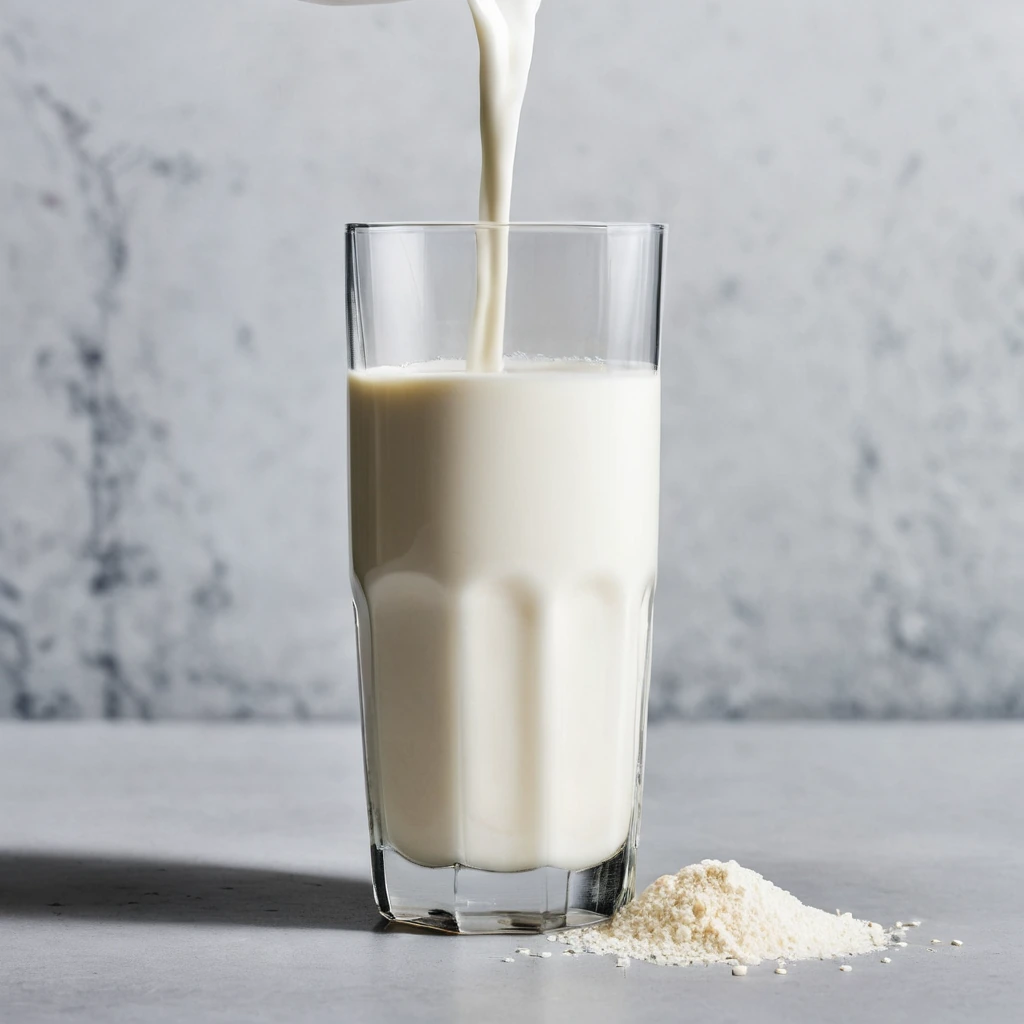
2% Milk
Creamy and just a touch lighter than whole milk, 2% milk offers a perfect balance of richness and reduced fat. Its smooth texture and subtle sweetness make it a delightful choice for sipping or cooking.
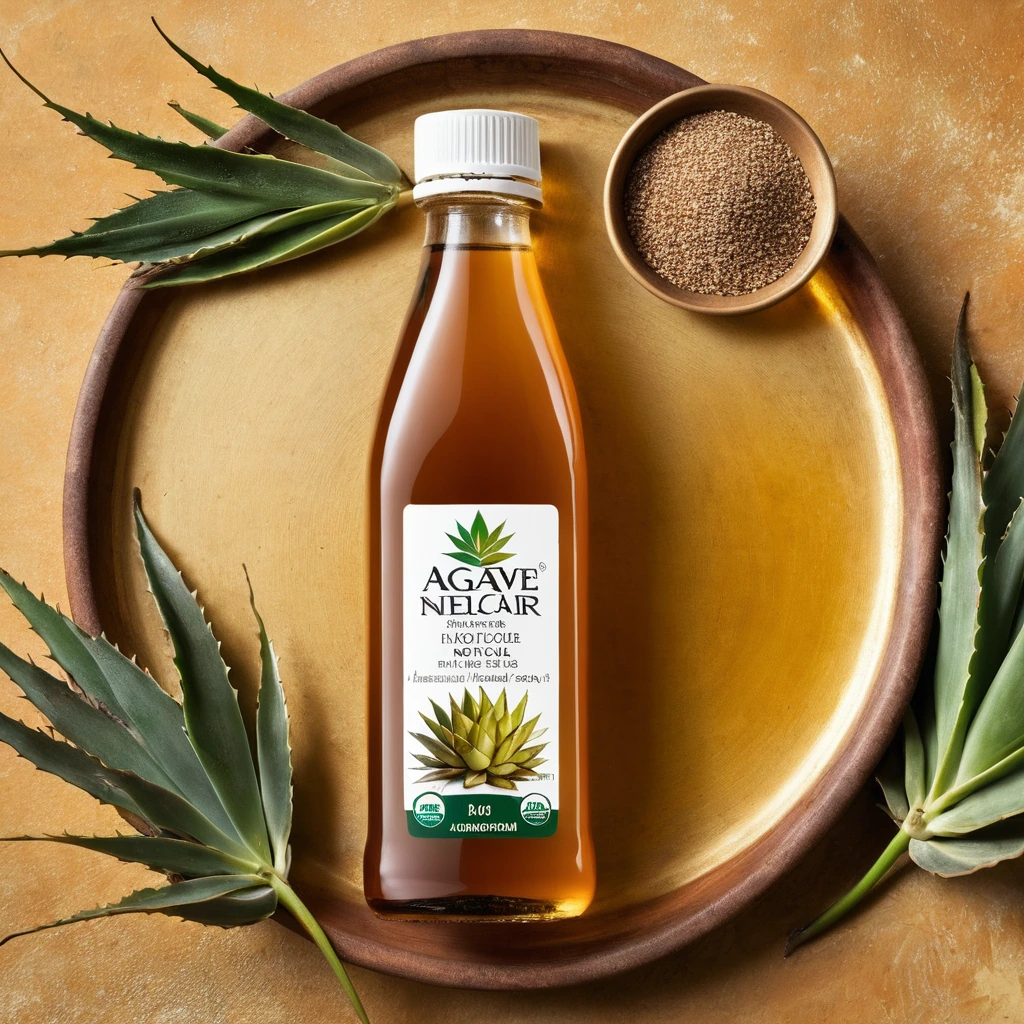
Agave Nectar
A golden, velvety sweetener derived from the agave plant, offering a subtly sweet flavor with a smooth, syrup-like texture.
Recipes to try

Sausage, Egg, and Cheese Croissant Pockets
Buttery croissants envelop a warm, savory trio of sausage, fluffy scrambled eggs, and melty cheese for a breakfast pocket that's pure bliss.
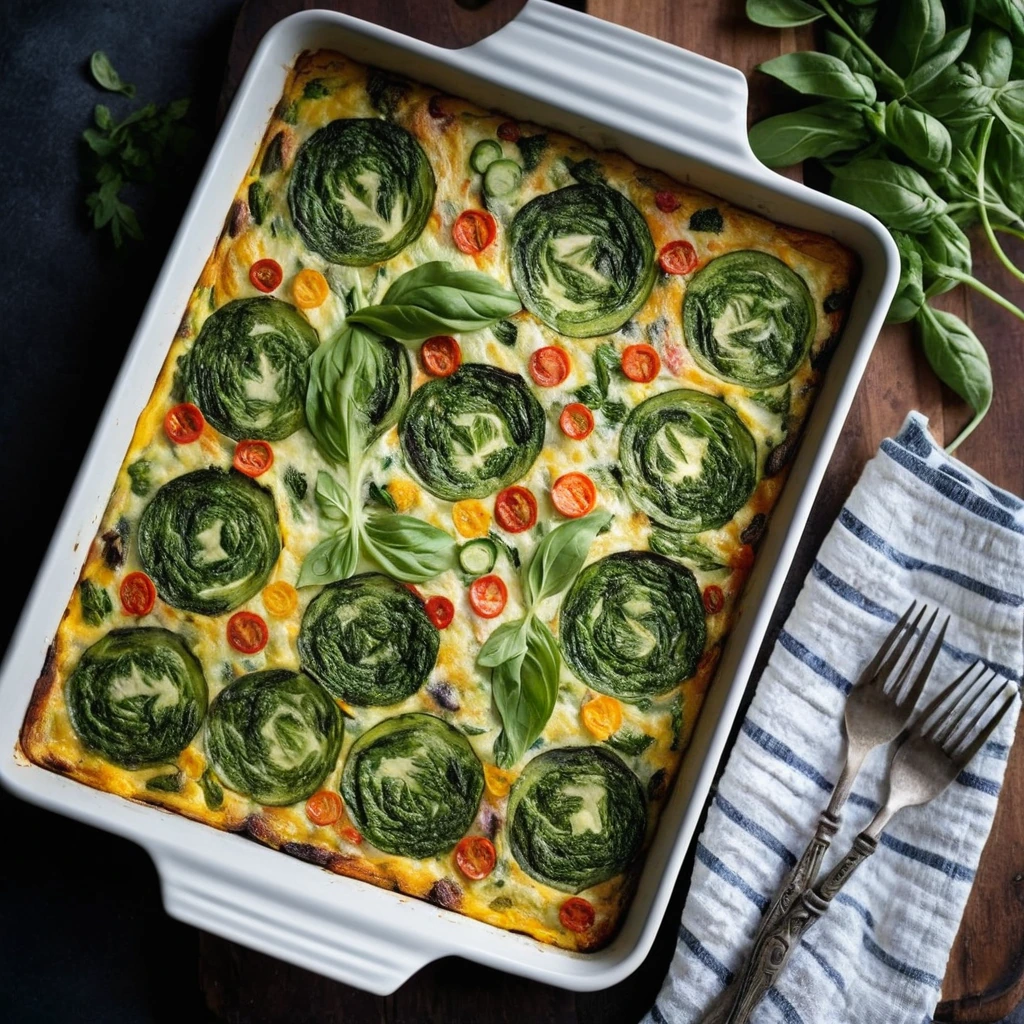
Veggie and Cheese Sheet Pan Frittata
Imagine a golden, bubbly frittata loaded with colorful veggies and melty cheese, all baked to perfection on a single sheet pan.