Vegetable Technique: Using Salt to Draw Moisture Before Roasting
Unlocking the full potential of roasted vegetables starts with a simple yet transformative technique: using salt to draw out moisture before roasting. This method, often referred to as 'pre-salting,' is a game-changer for home cooks aiming to achieve crispy, caramelized vegetables with deep, concentrated flavors. When vegetables are salted ahead of roasting, osmosis goes to work, drawing out excess water that would otherwise steam the veggies in the oven, leading to a soggy outcome. The evaporation of this moisture intensifies the vegetables' natural sweetness and primes their surfaces for optimal browning. This technique is particularly effective for vegetables with high water content, like zucchini, eggplant, and bell peppers. Understanding and mastering pre-salting can elevate your roasted vegetable dishes to restaurant quality. The process is straightforward, but the science behind it is fascinating. Salt's interaction with water and plant cells creates an environment ideal for roasting. By following the steps outlined here, you'll learn how to harness the power of salt to transform your vegetables into roasted perfection. Additionally, we'll explore why this method works, common pitfalls to avoid, and how to store your vegetables if you prepare them ahead of time.
Notes
The science behind pre-salting is rooted in osmosis, where salt draws moisture out of the vegetables, allowing for better browning and flavor concentration during roasting. A common mistake is not patting the vegetables dry after pre-salting; this step is crucial for achieving crispiness. Ensure your vegetables are completely dry before adding oil to prevent steaming. Safety-wise, always handle hot baking sheets with oven mitts to avoid burns. If preparing ahead, you can pre-salt and dry vegetables up to 2 hours in advance, storing them in the refrigerator on a lined tray. Before roasting, bring them to room temperature for even cooking.
Steps
- 1 Preheat oven to 425°F.
- 2 Cut vegetables into uniform pieces for even cooking.
- 3 Place vegetables in a single layer on a clean kitchen towel or in a colander.
- 4 Sprinkle generously with kosher salt, about 1 teaspoon per pound of vegetables.
- 5 Toss to ensure even coating of salt.
- 6 Let vegetables sit for 15-30 minutes to draw out moisture.
- 7 Pat vegetables dry with paper towels or a clean kitchen towel.
- 8 Transfer vegetables to a baking sheet lined with parchment paper.
- 9 Toss with olive oil and any additional seasonings.
- 10 Spread vegetables in a single layer on the baking sheet.
- 11 Roast in preheated oven for 20-30 minutes, flipping halfway through.
- 12 Check for desired level of browning and crispness.
- 13 Remove from oven and let rest for 5 minutes before serving.
- 14 Adjust seasoning with additional salt if necessary.
Ingredients to explore
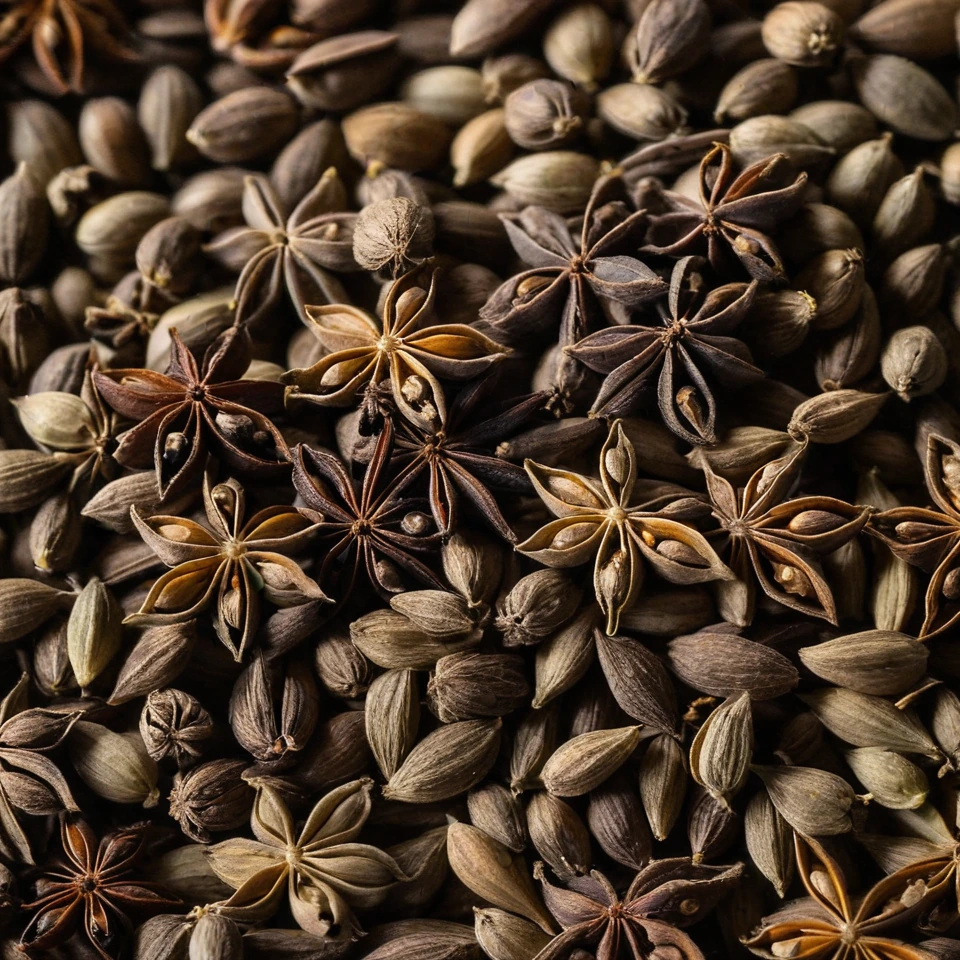
Anise Seeds
Anise seeds are small, oval seeds with a sweet, licorice-like flavor. They are commonly used in both sweet and savory dishes, offering a warm, aromatic taste.
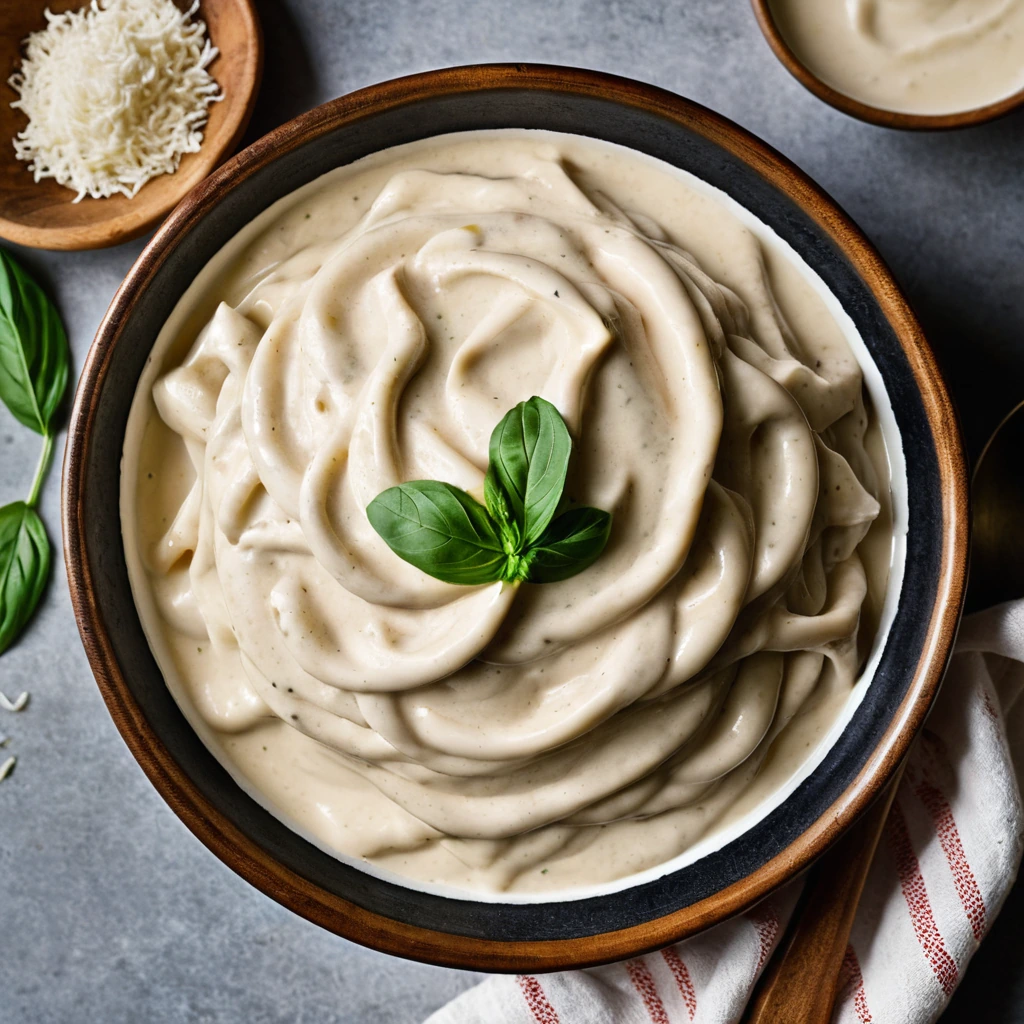
Alfredo Sauce
Creamy, rich, and utterly indulgent, Alfredo sauce is a dreamy blend of butter, heavy cream, and Parmesan cheese. Its velvety texture and savory depth make it a beloved staple in Italian-American cuisine.
Recipes to try

Shrimp Tacos with Cilantro Lime Slaw
Juicy grilled shrimp nestled in warm tortillas, topped with a vibrant cilantro lime slaw that's as refreshing as a sea breeze.
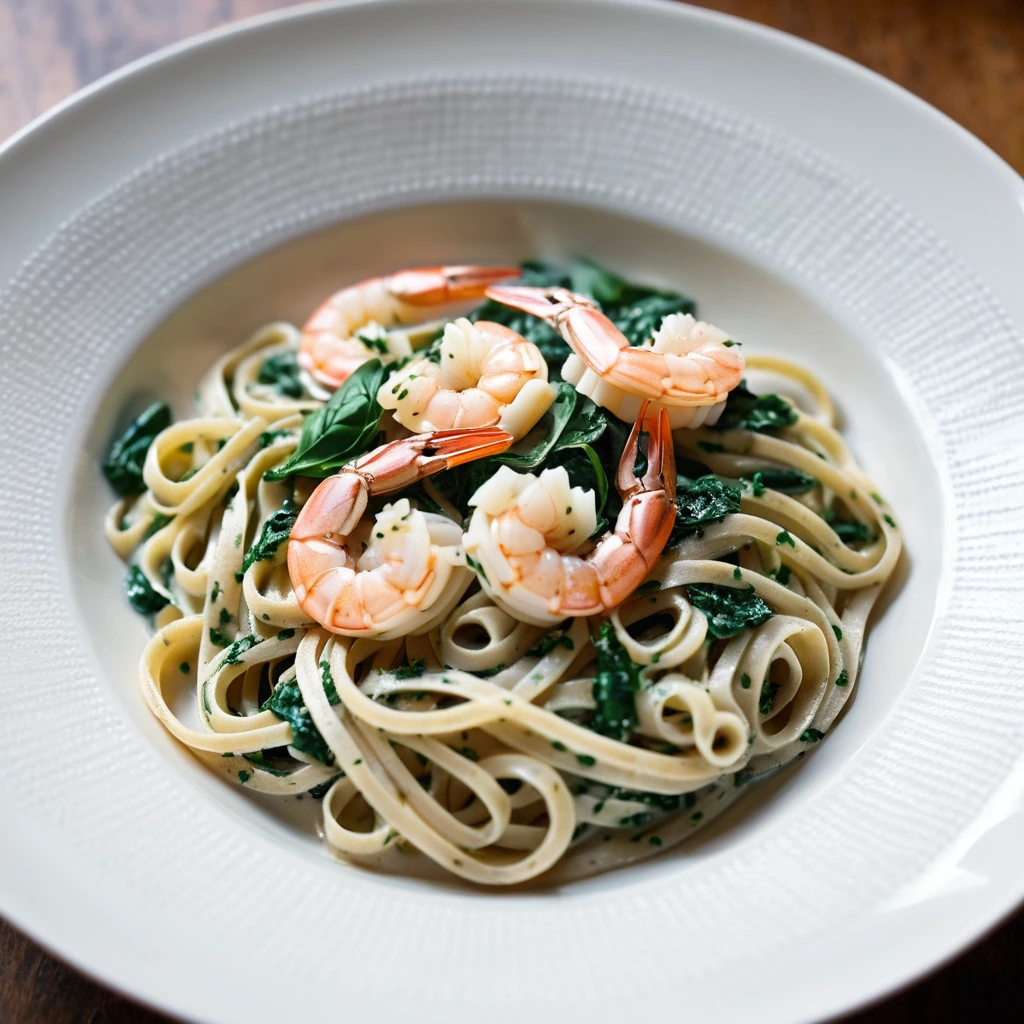
Shrimp and Spinach Linguine in White Wine Sauce
Succulent shrimp and fresh spinach mingle in a creamy white wine sauce, twirled into perfectly al dente linguine.