Vegetable Technique: Sweating Aromatics Without Browning
Sweating aromatics is a fundamental cooking technique that coaxes out the natural flavors of vegetables like onions, garlic, and celery without browning them. This method is essential for dishes that require a subtle, sweet base, such as soups, sauces, and stews. Unlike sautéing, which involves higher heat and browning, sweating is a gentle process that preserves the vegetables' delicate flavors. Achieving the perfect sweat requires attention to heat control and timing. The goal is to soften the vegetables while releasing their moisture and aromatic compounds. This technique is all about patience and precision, ensuring that the vegetables become tender and translucent without any color change. Understanding the nuances of sweating will elevate your cooking by providing a consistent and flavorful foundation for countless recipes. The key is to maintain a low and steady heat, allowing the vegetables to release their moisture slowly, creating an environment where they can cook evenly and gently. This method is particularly useful when you want to preserve the natural colors and mild flavors of your ingredients, ensuring they integrate seamlessly into your dish without overpowering it. By mastering the art of sweating aromatics, you can create rich, layered flavors that enhance any culinary creation.
Notes
Sweating aromatics works because low heat gently breaks down cell walls, releasing moisture and flavor without triggering the Maillard reaction, which causes browning. Common mistakes include using too high a heat or overcrowding the pan, both of which can lead to browning. To troubleshoot, ensure your pan isn't too hot and that vegetables have enough space to release moisture. From a safety standpoint, always use oven mitts when handling hot pans and keep a lid nearby to smother any unexpected flames. For make-ahead preparation, sweat your aromatics and store them in an airtight container in the refrigerator for up to 2 days, or freeze for longer storage.
Steps
- 1 Select fresh, firm aromatics like onions, garlic, and celery.
- 2 Clean and chop the vegetables into uniform pieces for even cooking.
- 3 Heat a large skillet or sauté pan over low heat.
- 4 Add 1 to 2 tablespoons of unsalted butter or oil to the pan.
- 5 Once the fat is shimmering but not smoking, add the chopped vegetables.
- 6 Season lightly with salt to help draw out moisture.
- 7 Stir occasionally to prevent sticking and ensure even cooking.
- 8 Maintain a low heat, adjusting as necessary to prevent browning.
- 9 Continue cooking until the vegetables are soft and translucent, about 8 to 10 minutes.
- 10 Check frequently and adjust heat if vegetables start to brown.
- 11 Add a splash of water if the pan becomes too dry.
- 12 Taste and adjust seasoning as needed before proceeding with your recipe.
- 13 Remove from heat and use immediately or set aside for later use.
Ingredients to explore
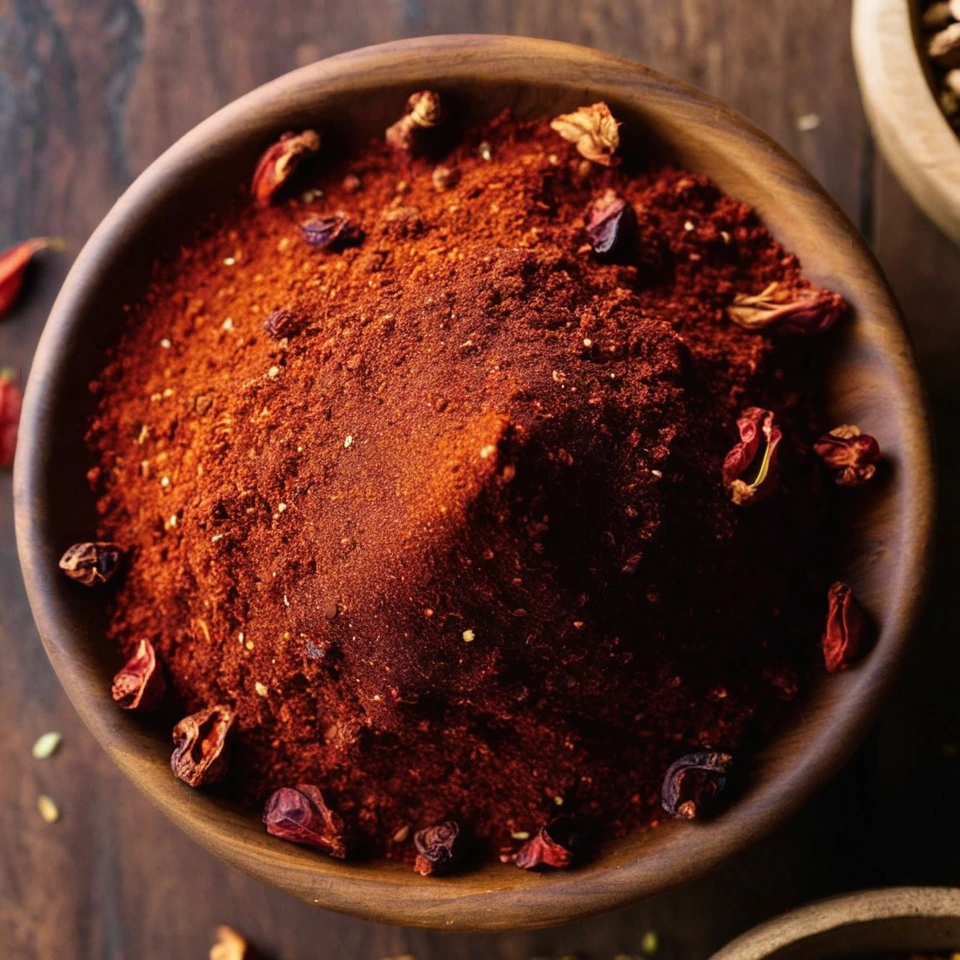
Aleppo Pepper
Aleppo pepper offers a harmonious balance of heat and sweetness, with a subtle fruity aroma reminiscent of sun-dried tomatoes and currants. Originating from the region around Aleppo, Syria, it has a fine, slightly coarse texture that shatters easily between fingers. Its mild yet complex flavor profile makes it a prized seasoning for enhancing dishes without overwhelming them. Valued for its versatility, it bridges the gap between spice and seasoning, bringing a touch of warmth and depth to a variety of cuisines.
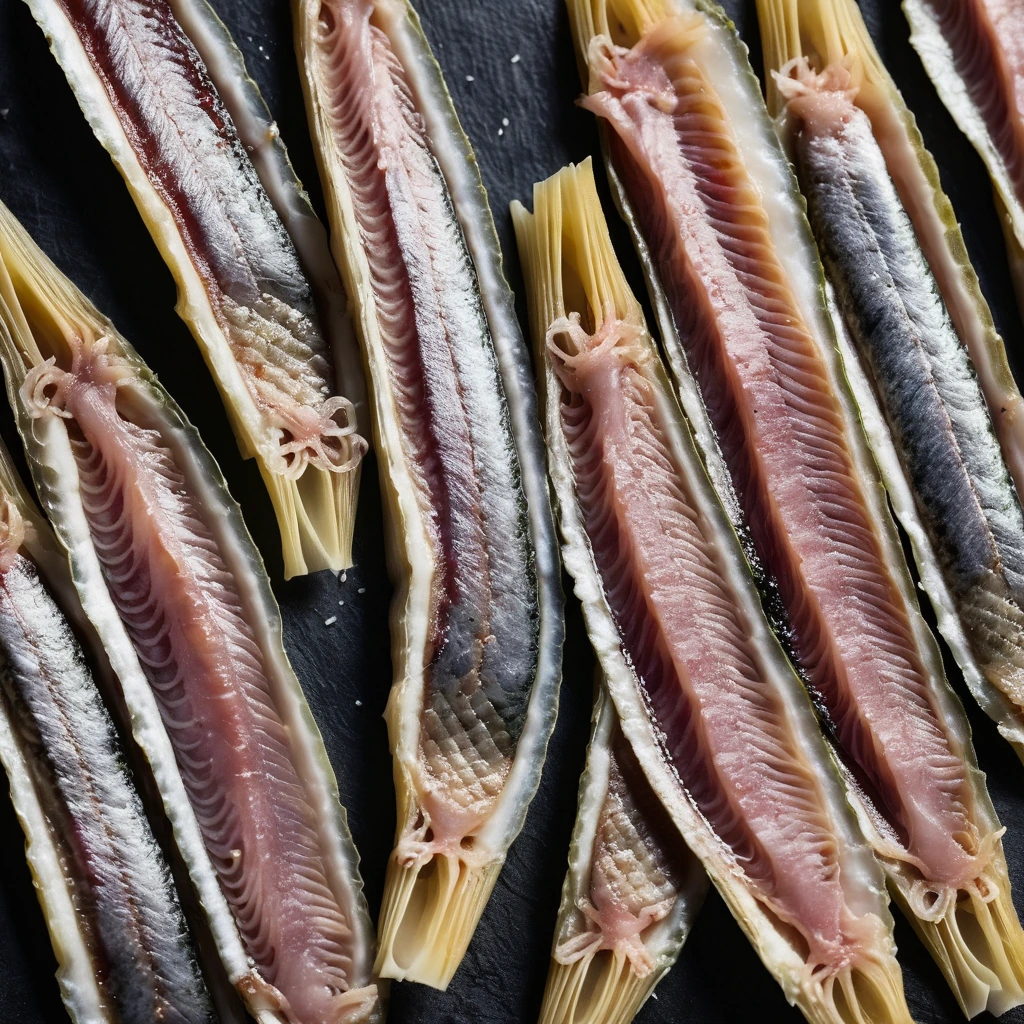
Anchovy Fillets
Silvery and succulent, anchovy fillets are a briny treasure from the sea. Their rich, umami flavor adds depth to dishes, making them a beloved ingredient in kitchens worldwide.
Recipes to try
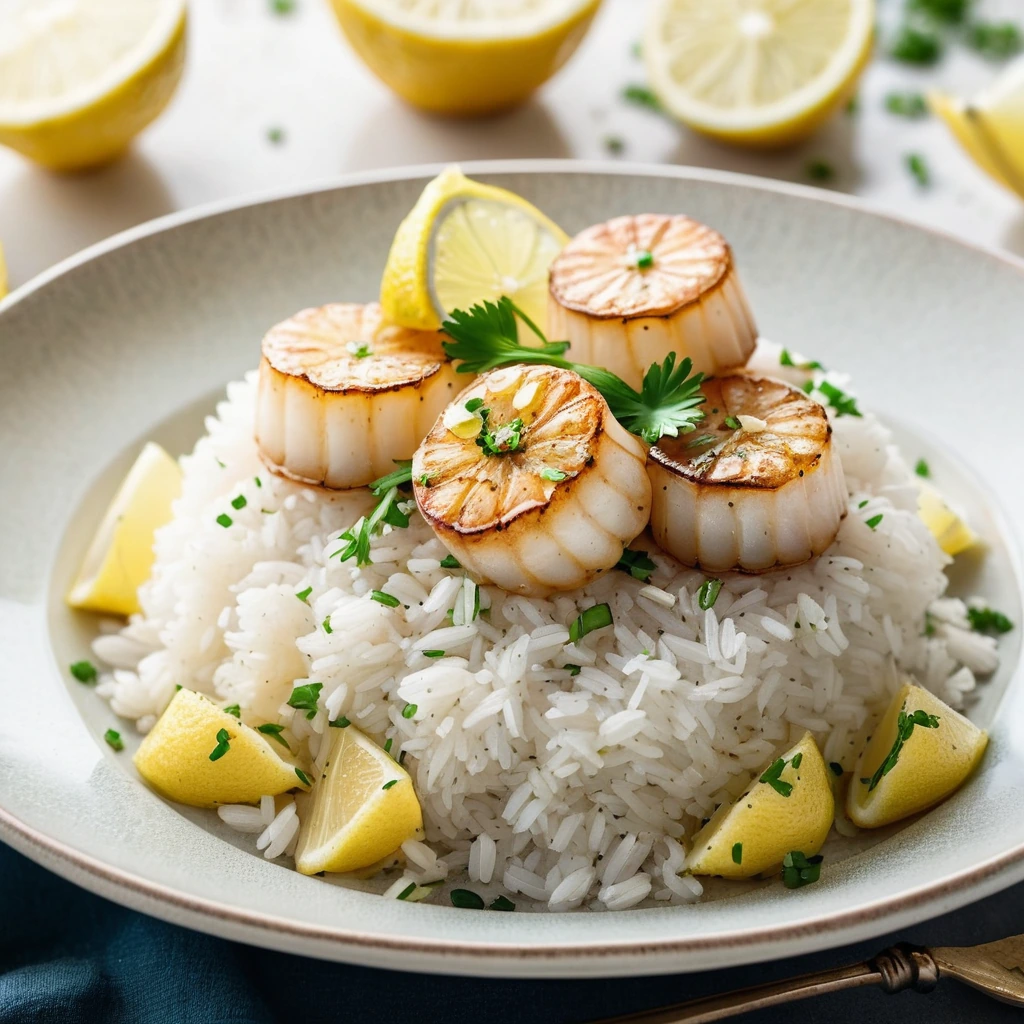
Lemon Garlic Butter Scallops over Rice
Tender scallops kissed with lemon and garlicky butter, served over fluffy white rice for a luxurious yet simple dinner.
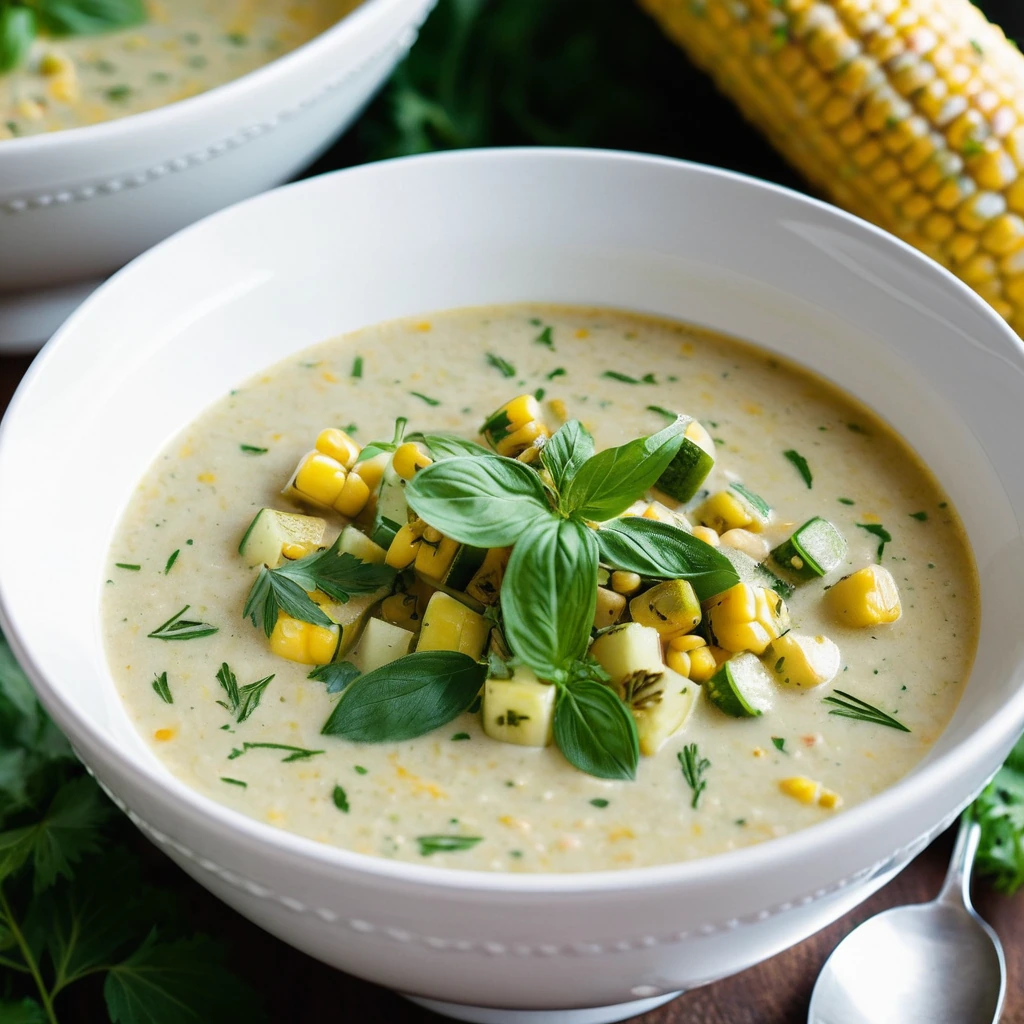
Roasted Corn and Zucchini Chowder
Creamy, comforting chowder with a roasted sweetness from corn and zucchini, finished with a sprinkle of fresh herbs.