Vegetable Technique: Shaving Raw Vegetables for Slaws and Ribbons
Shaving raw vegetables into delicate slaws and ribbons transforms ordinary produce into a stunning, textural delight. This technique is perfect for salads, garnishes, or even as a creative way to serve vegetables. Unlike chopping or grating, shaving preserves the integrity of the vegetable's structure, offering a satisfying crunch and vibrant presentation. Whether you're working with carrots, zucchini, or radishes, mastering the art of shaving allows you to create visually appealing dishes that are as delicious as they are beautiful. The key to successful vegetable shaving lies in selecting the right tool, understanding the vegetable's anatomy, and honing your knife skills. A sharp vegetable peeler or a mandoline slicer can be your best ally in achieving consistent, paper-thin slices. Learning how to hold the vegetable securely and guide it against the blade is crucial for both precision and safety. This technique not only elevates the aesthetic of your dish but also enhances the eating experience by showcasing the natural flavors and textures of fresh vegetables.
Notes
The science behind shaving vegetables lies in the minimal cell wall damage, which helps maintain crispness and color. A sharp blade is essential to cleanly cut through the vegetable without crushing it. One common mistake is using a dull tool, which can lead to uneven slices and potential injury. Always prioritize safety by keeping fingers clear of the blade's path and using protective guards when possible. For make-ahead convenience, prepare the shaved vegetables a few hours in advance and store them in the refrigerator. To prevent sogginess, wait to add dressing until just before serving. Proper storage with a paper towel helps keep the vegetables crisp and ready to dazzle in your next dish.
Steps
- 1 Select firm, fresh vegetables suitable for shaving like carrots, cucumbers, or zucchini.
- 2 Wash and dry the vegetables thoroughly.
- 3 For safety, use a sharp vegetable peeler or a mandoline slicer with a guard.
- 4 Hold the vegetable firmly with one hand and the tool with the other.
- 5 Starting from the top, gently glide the peeler or slicer down the length of the vegetable.
- 6 Turn the vegetable as needed to continue shaving, creating long ribbons.
- 7 For round vegetables, slice off the sides first to create a flat surface for stability.
- 8 Collect the shavings in a bowl, turning them into a vibrant slaw or garnish.
- 9 Experiment with different vegetables to create a colorful mix.
- 10 Toss the shaved vegetables with a light dressing just before serving to maintain crispness.
- 11 Use a mandoline slicer on the thinnest setting for uniform ribbons.
- 12 For julienne strips, use a julienne peeler or knife after shaving to create matchsticks.
- 13 Store shaved vegetables in an airtight container with a paper towel to absorb excess moisture.
Ingredients to explore
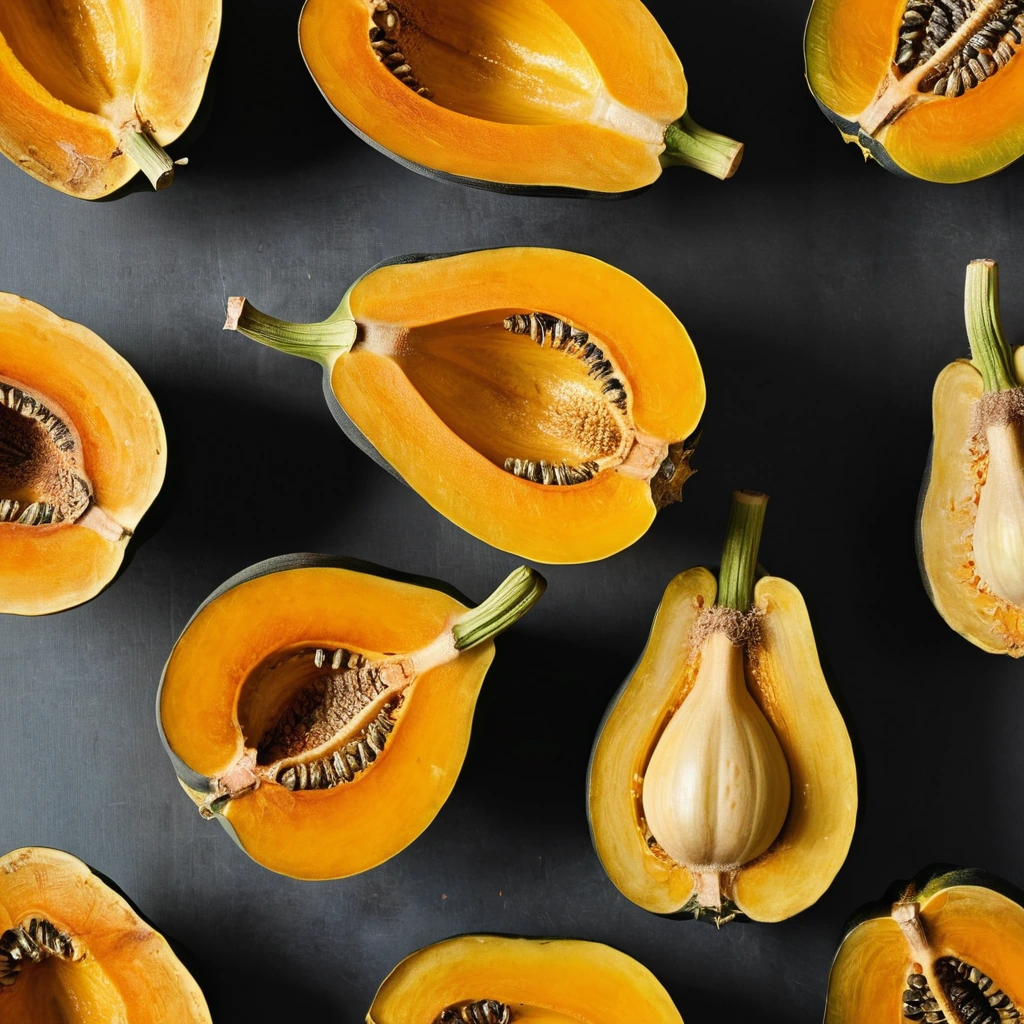
Acorn Squash
Acorn squash is a winter squash variety known for its distinctive teardrop shape and deep ridges resembling the texture of an acorn shell. Originating in the Americas, it has been cultivated for centuries and is a staple in autumn cuisine. The flesh is sweet and nutty with a hint of earthiness, offering a delightful contrast to savory dishes. Its texture is dense yet tender when cooked, making it ideal for roasting or pureeing. In cooking, acorn squash holds its shape well and absorbs flavors from herbs and spices, enhancing both its taste and versatility in recipes.
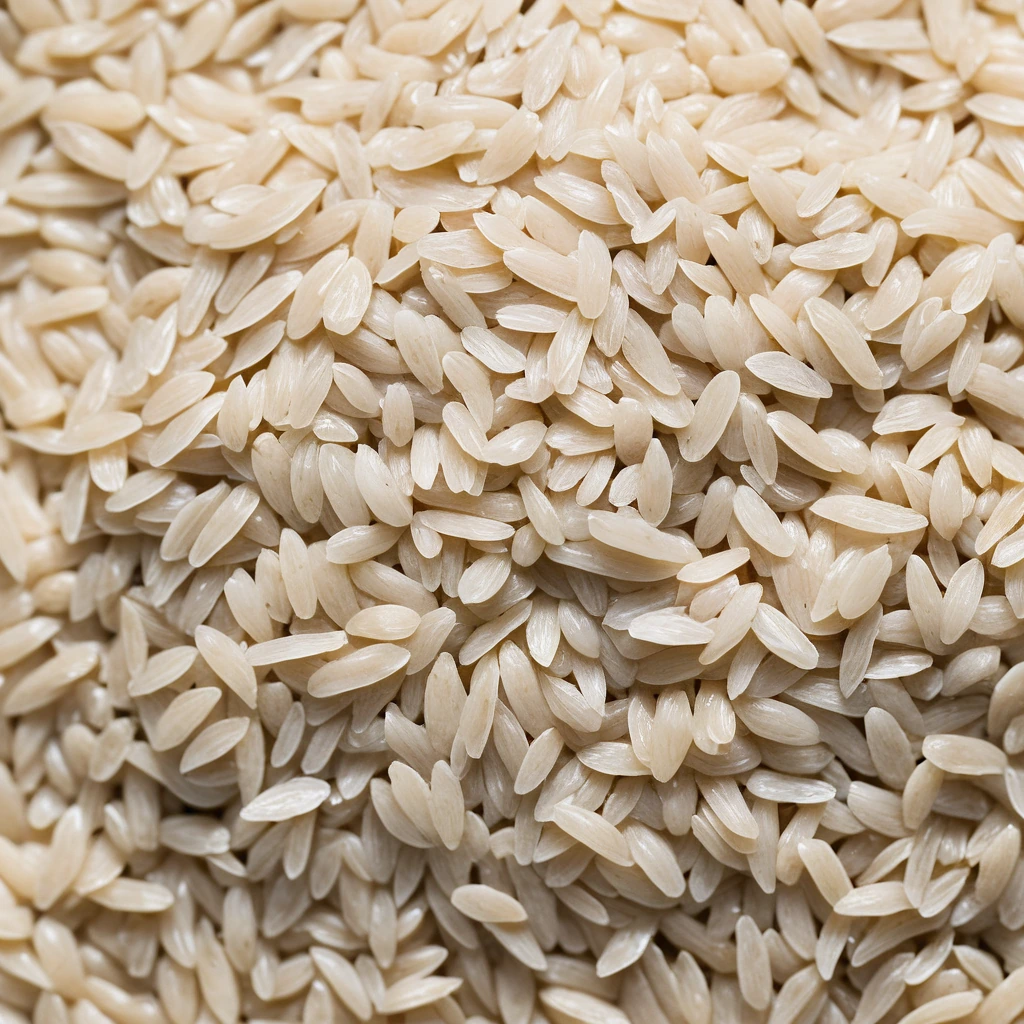
Arborio Rice
Arborio rice is a short-grain Italian rice variety renowned for its use in risotto. Originating from the Po Valley in Northern Italy, it is a staple in Italian cuisine. Its flavor is mild and nutty, with a pleasant creamy texture when cooked due to its high amylopectin content, which releases starch and creates a velvety consistency. The grains remain plump and firm to the bite, offering a satisfying chewiness. In cooking, Arborio rice excels at absorbing flavors from broths and seasonings while maintaining its shape, making it ideal for dishes that require both creaminess and structure.
Recipes to try
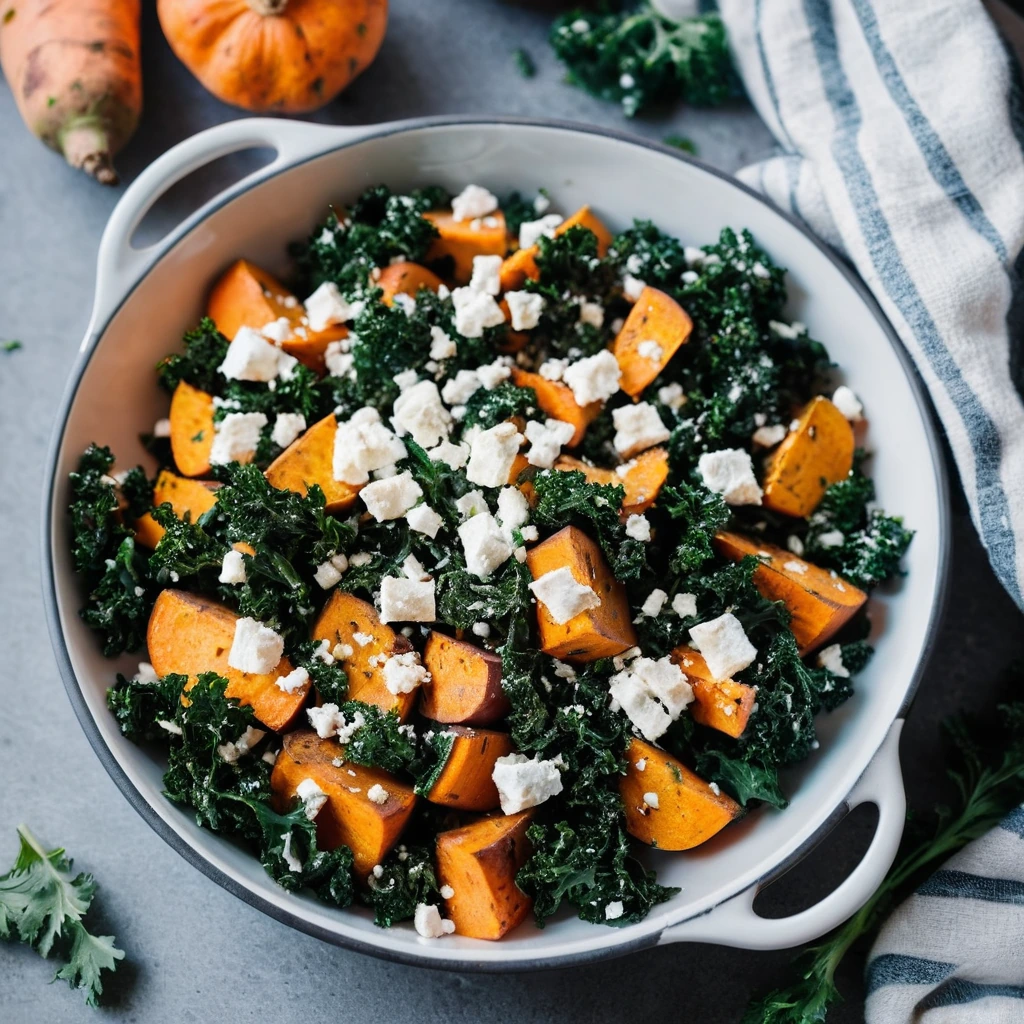
Sweet Potato and Kale Skillet with Feta
Golden roasted sweet potatoes and tender kale come together in a skillet, kissed by tangy feta and a whisper of garlic.
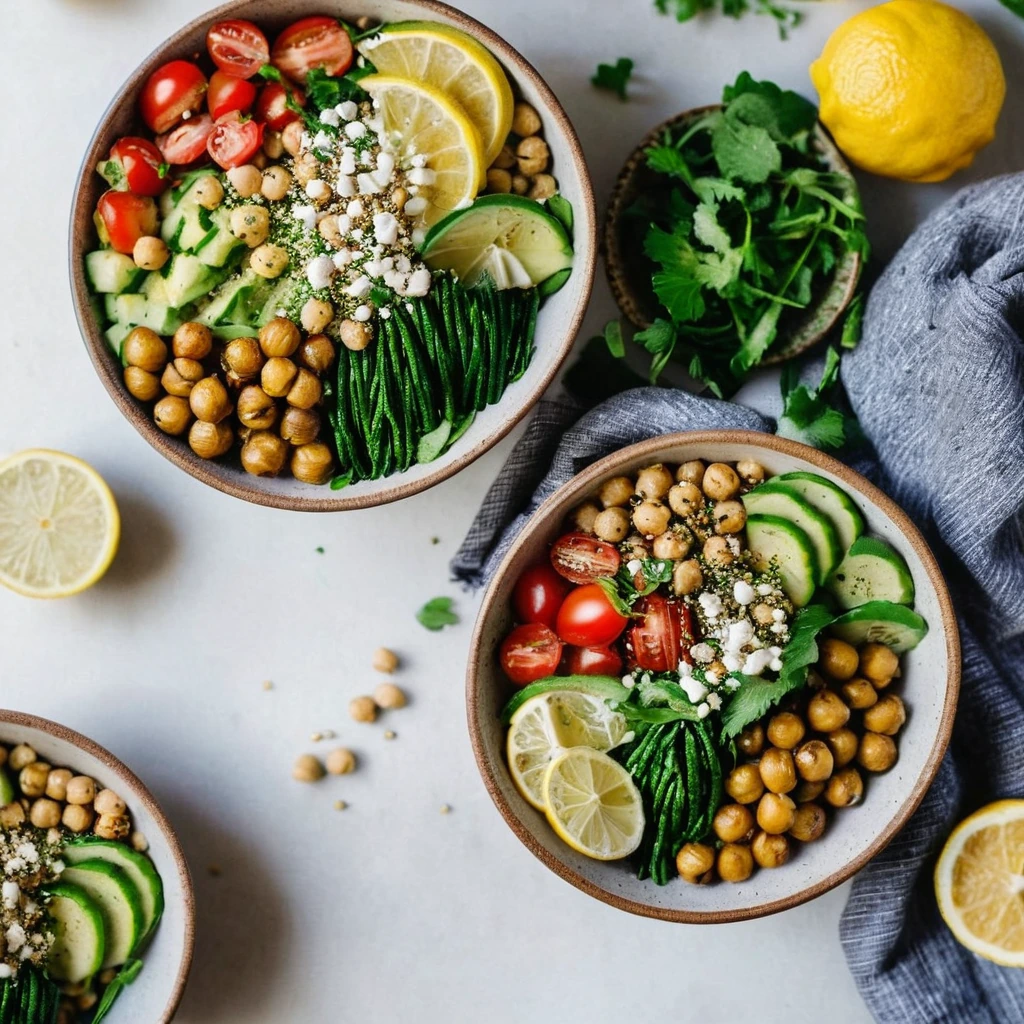
Mediterranean Chickpea Bowls with Lemon Tahini
A vibrant medley of textures and flavors, these bowls are packed with lemony tahini drizzle and fresh Mediterranean herbs.