Vegetable Technique: Roasting Veggies Until Deeply Caramelized
Roasting vegetables until deeply caramelized transforms ordinary produce into something extraordinary. The process intensifies flavors, develops a rich, golden-brown exterior, and creates a delightful contrast between the crispy edges and tender interiors. The secret lies in high heat, ample time, and a little patience. When vegetables are roasted properly, their natural sugars caramelize, creating complex, sweet, and savory notes. This technique works wonders for a wide variety of vegetables, from root vegetables like carrots and parsnips to hearty greens like Brussels sprouts. Achieving that deep caramelization requires understanding how heat interacts with sugars and moisture, and knowing when to flip, stir, or leave the vegetables be. It’s a technique that elevates side dishes to center stage and turns simple meals into culinary delights. The key is to start with dry vegetables, ensuring they sear rather than steam, and to maintain a consistent oven temperature. Armed with a sturdy baking sheet and a touch of olive oil, you’ll be roasting vegetables like a seasoned chef in no time. Whether you're prepping a side dish for a holiday feast or looking to elevate your weeknight meals, mastering this technique will make your vegetables the star of the table.
Notes
The science behind caramelization is fascinating; it’s a chemical reaction where heat breaks down sugars into smaller compounds, creating complex flavors. To avoid steaming your vegetables, ensure your baking sheet isn’t overcrowded, and use parchment paper to prevent sticking without adding moisture. A common mistake is overcrowding the pan, which lowers the oven temperature and leads to steaming instead of roasting. If your vegetables aren’t browning, increase the oven temperature slightly or move them to a higher rack. For safety, use oven mitts when handling hot pans. For make-ahead, roast vegetables can be stored in an airtight container in the refrigerator for up to 3 days, though they’re best served fresh.
Steps
- 1 Preheat oven to 425°F.
- 2 Wash and dry vegetables thoroughly.
- 3 Cut vegetables into uniform pieces for even cooking.
- 4 Toss vegetables with 2 tablespoons olive oil.
- 5 Season generously with salt and pepper.
- 6 Spread vegetables in a single layer on a parchment-lined baking sheet.
- 7 Roast for 20 minutes, then flip or stir the vegetables.
- 8 Continue roasting, checking every 10 minutes, until edges are golden brown and caramelized.
- 9 Remove from oven when vegetables are tender inside and deeply caramelized outside.
- 10 Transfer to a serving dish and garnish with fresh herbs if desired.
Ingredients to explore
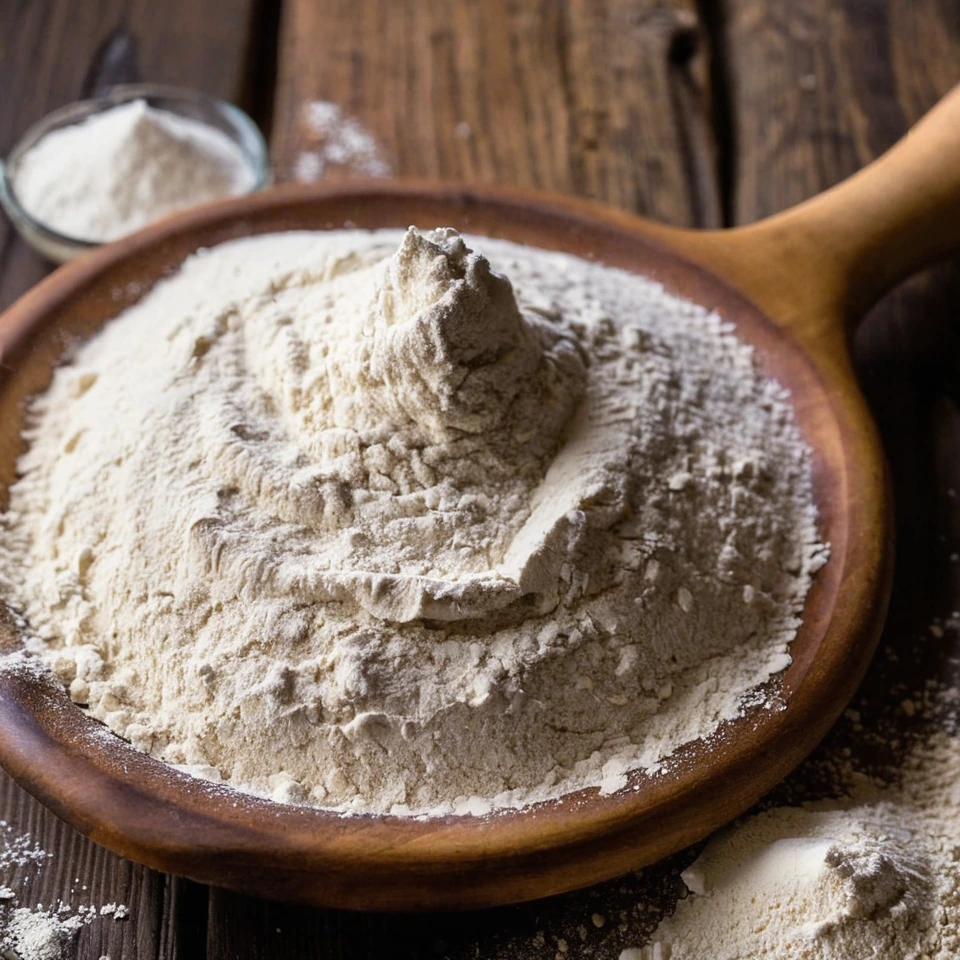
All-Purpose Flour
All-purpose flour is a versatile wheat flour that contains a moderate level of protein and gluten, making it suitable for a wide range of baking and cooking needs.
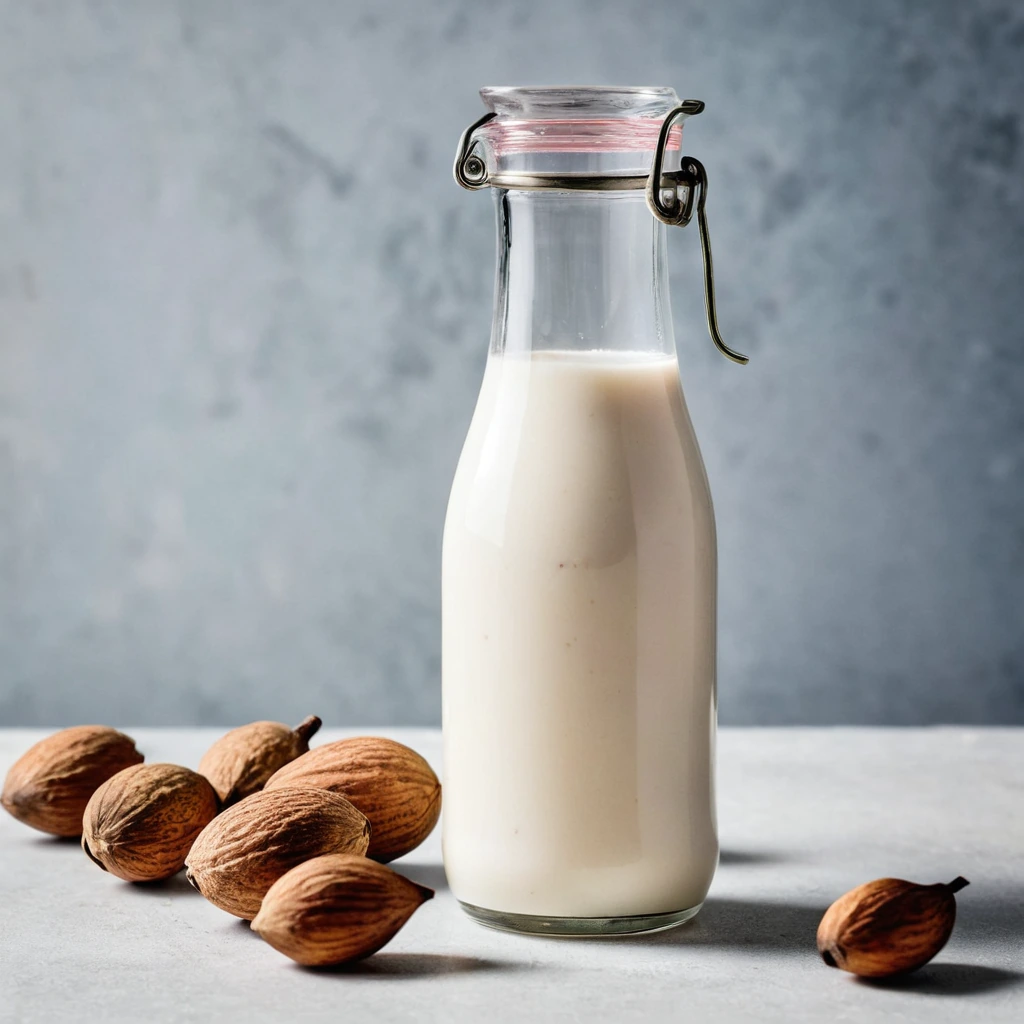
Almond Milk
Almond milk is a plant-based milk alternative made from ground almonds and water. Originating from traditional recipes in medieval Europe and the Middle East, it has gained widespread popularity in modern times as a dairy-free option. Almond milk has a subtly nutty flavor with a mild sweetness, and its aroma is reminiscent of fresh almonds. Its texture is smooth and creamy, though typically lighter than dairy milk. In cooking, almond milk behaves well in both savory and sweet applications, though it does not brown or caramelize like dairy milk. It is often used in cereals, smoothies, and baking, where its delicate flavor complements rather than overpowers other ingredients.
Recipes to try
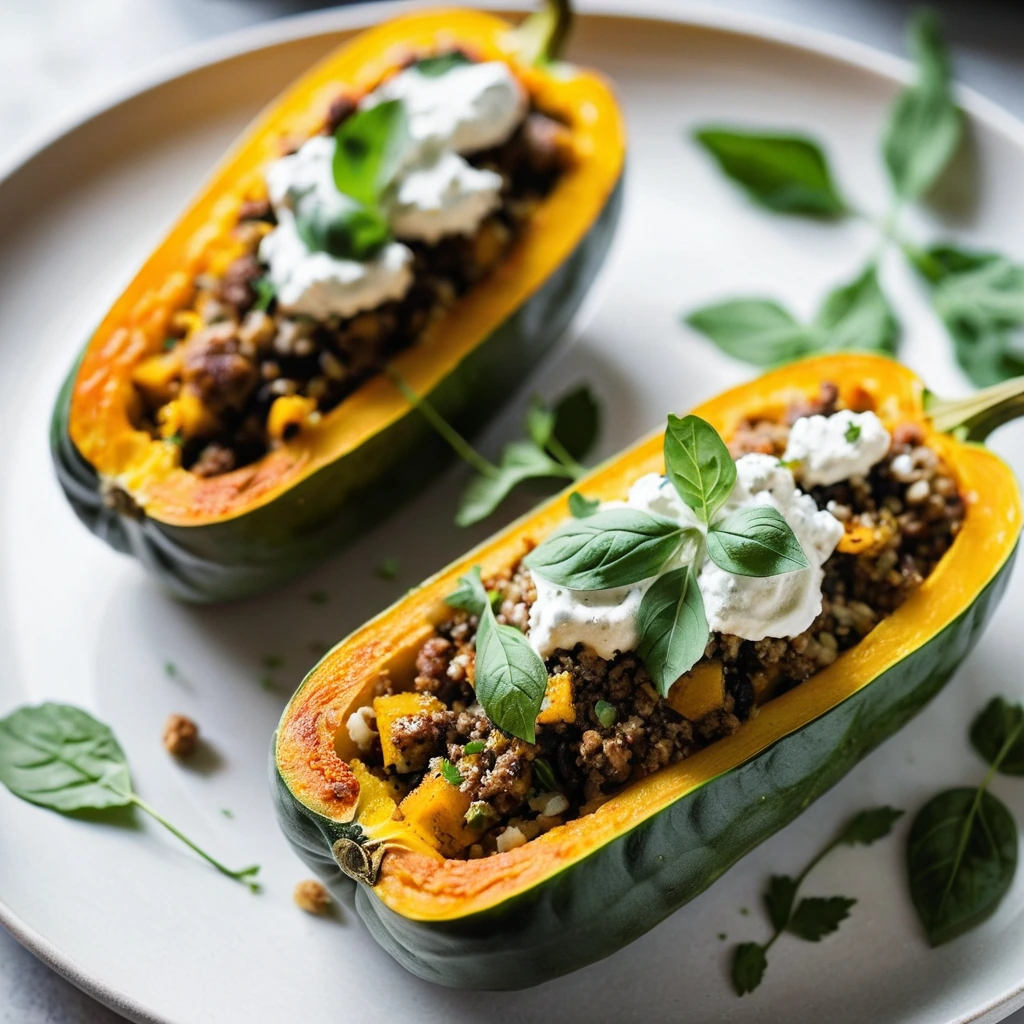
Sausage and Ricotta Stuffed Squash Boats
Tender roasted squash halves are stuffed with a savory mix of Italian sausage and creamy ricotta, making for a comforting and hearty meal.
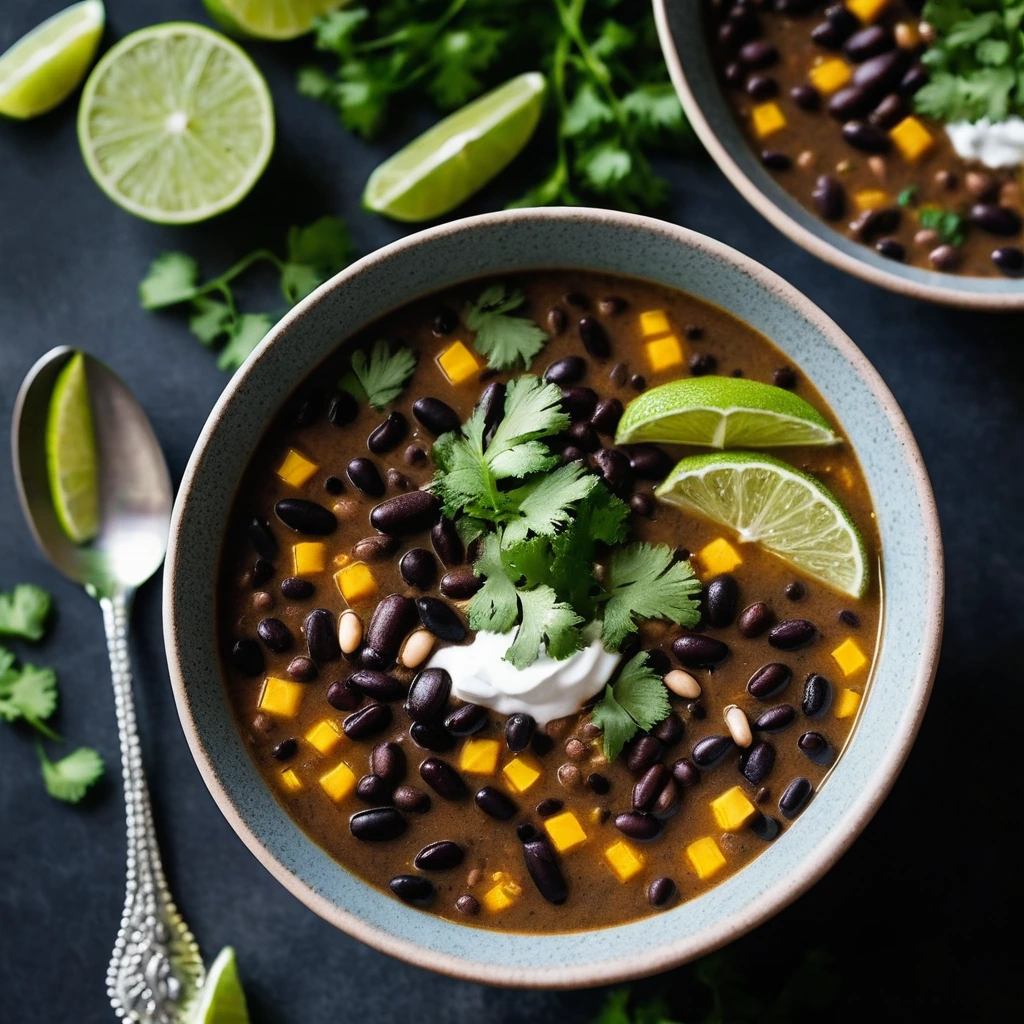
Smoky Black Bean and Corn Soup with Lime
This soup is a tangy, smoky hug in a bowl, with the fresh zing of lime cutting through rich black beans and sweet corn.