Time & Workflow: Tracking Doneness with Visual and Aroma Cues
Cooking is both an art and a science, and understanding how to track doneness is crucial for achieving culinary perfection. Visual and aroma cues are two of the most accessible tools in your kitchen arsenal. They allow you to gauge progress without relying solely on timers or thermometers. This technique is especially valuable when cooking proteins, vegetables, and baked goods, where texture and flavor development are paramount. Visual cues include changes in color, texture, and volume, while aroma cues signal chemical reactions like the Maillard reaction or caramelization. By honing your senses, you'll gain confidence in your cooking instincts and produce more consistent results. Timing still plays a role, but learning to read these signs will elevate your dishes. Let's dive into the nuances of visual and aroma cues and how they can transform your cooking workflow.
Notes
The science behind visual and aroma cues lies in the chemical reactions that occur during cooking. The Maillard reaction, for example, creates complex flavors and browning, while caramelization adds sweetness and depth. Understanding these processes helps troubleshoot common mistakes, like undercooked or burnt food. A frequent error is relying too heavily on time rather than sensory cues, which can vary based on factors like ingredient freshness or kitchen altitude. For safety, always ensure meats reach a safe internal temperature, even if they look done. Many dishes can be prepared ahead; store them properly in airtight containers and reheat gently to preserve texture and flavor.
Steps
- 1 Preheat your oven or heat your pan to the correct temperature.
- 2 Observe the initial color of your ingredients before cooking.
- 3 Note the aroma of raw ingredients to establish a baseline.
- 4 Watch for color changes as cooking progresses; for example, browning in meats indicates the Maillard reaction.
- 5 Smell your food periodically to detect when aromas intensify, signaling caramelization or other flavor developments.
- 6 Check for texture changes, like firmness in fish or softness in vegetables.
- 7 Monitor volume changes, such as rising dough or shrinking meat.
- 8 Use a timer as a guideline but rely on your senses to determine final doneness.
- 9 For meats, check for a clear color change from pink to opaque in poultry or a rosy hue in beef.
- 10 Trust your nose when baked goods emit a rich, buttery scent indicating they're ready.
- 11 Look for glossy finishes on sauces or glazes as they reduce and thicken.
- 12 Adjust cooking time based on your observations rather than strictly following a recipe.
- 13 Remove food from heat just before it reaches your desired doneness to account for carryover cooking.
- 14 Rest your food briefly to allow for even distribution of moisture and temperature.
Ingredients to explore
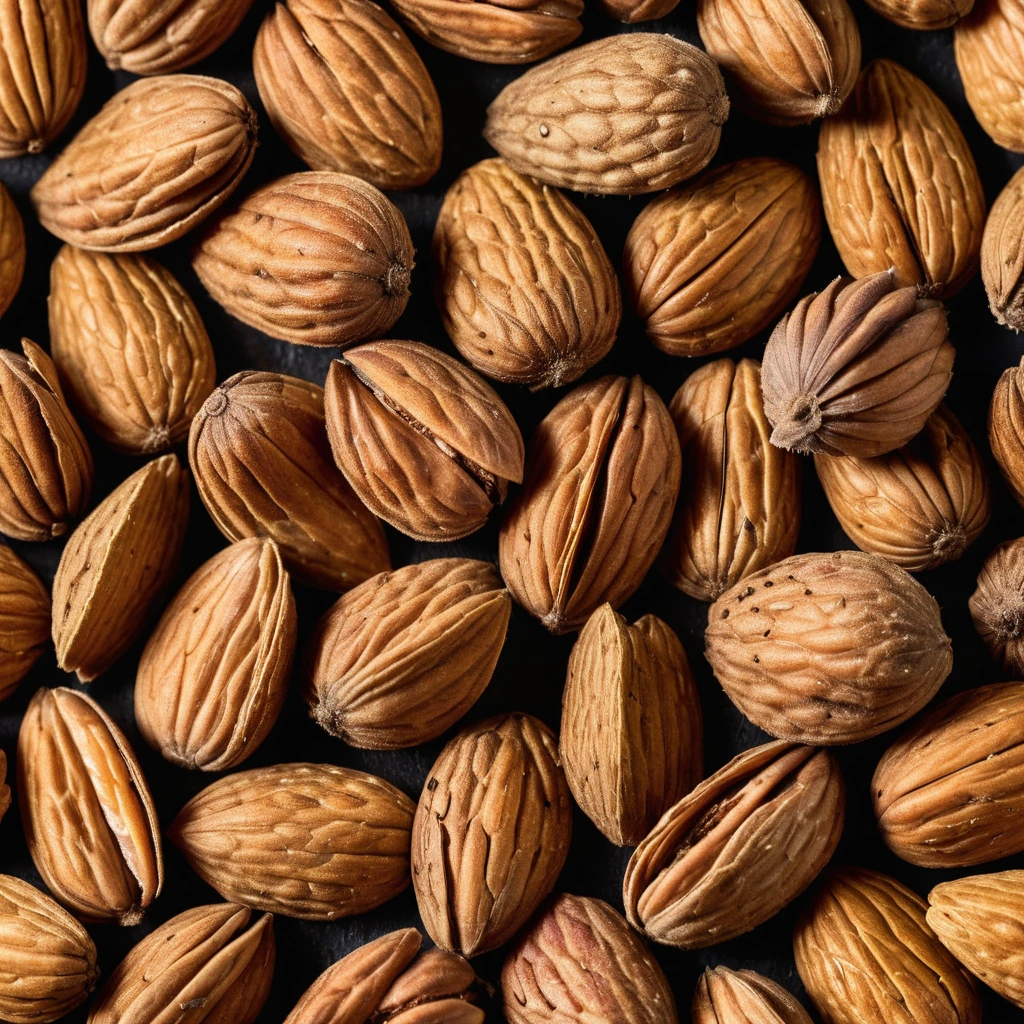
Almonds
With their golden-brown hue and delicate, edible skin, almonds are a crunchy delight. These versatile nuts boast a rich, buttery flavor that adds depth to both sweet and savory dishes.

Andouille Sausage
Andouille sausage is a coarse-grained, smoked pork sausage with a rich history rooted in French cuisine, particularly from the Alsace region. It was adapted in Louisiana, where it became a staple in Cajun and Creole cooking. The sausage is known for its robust, smoky flavor with hints of garlic, pepper, and other spices, creating a spicy and savory profile. Its texture is firm yet slightly chewy, making it a hearty addition to dishes. When cooked, andouille sausage maintains its shape well and infuses dishes with its distinctive smoky essence, enhancing stews, soups, and rice dishes.
Recipes to try
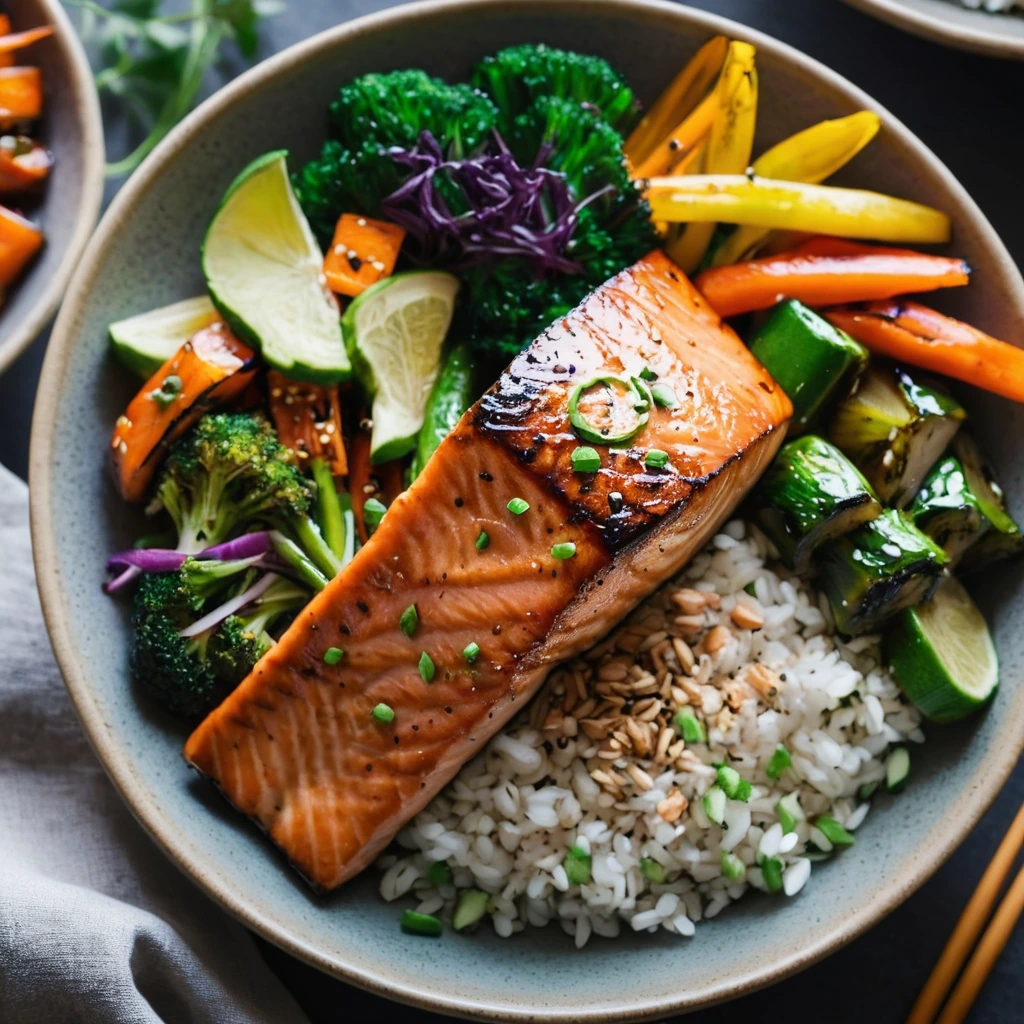
Teriyaki Glazed Salmon and Veggie Bowls
Sweet and savory teriyaki glaze coats succulent salmon fillets atop a vibrant medley of colorful veggies, creating a symphony of flavors in every bite.
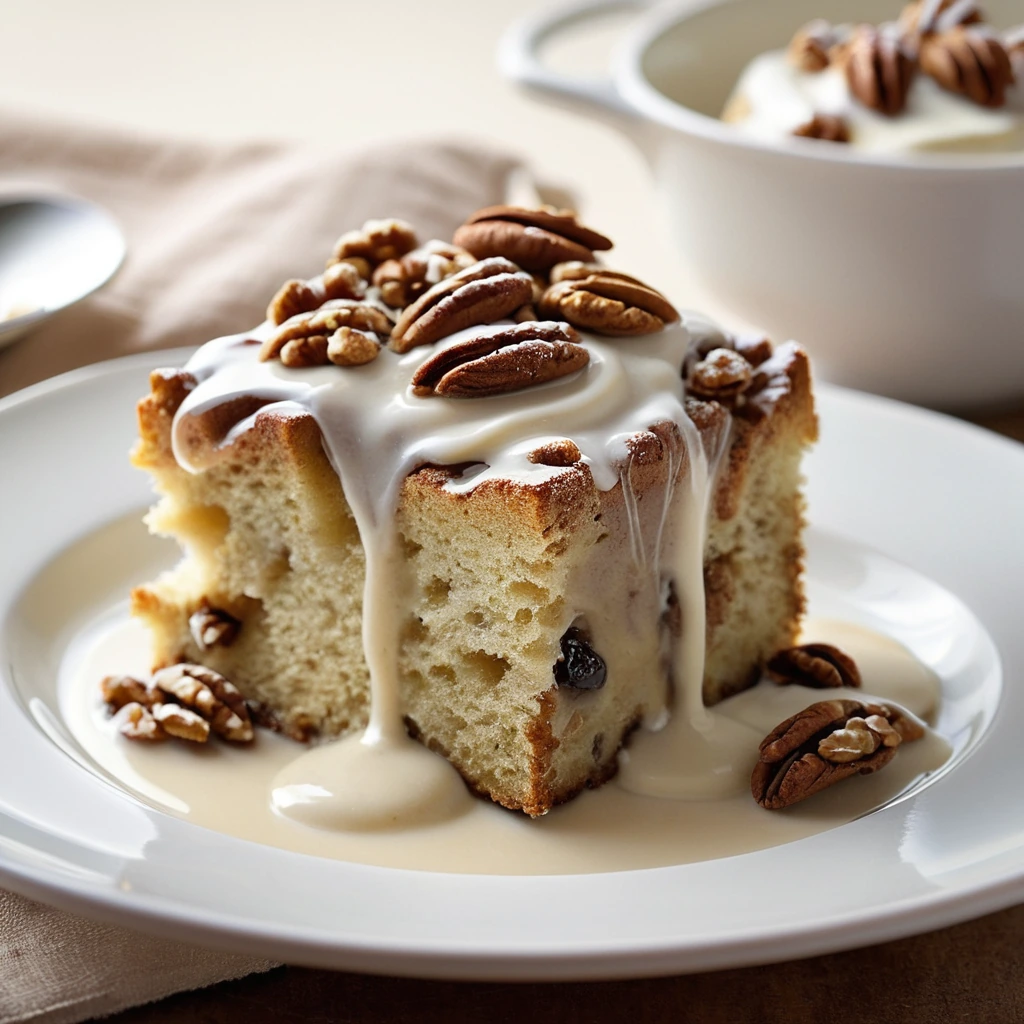
Maple Pecan Bread Pudding with Vanilla Sauce
Warm, spiced bread pudding drizzled with maple syrup and crunchy pecans, served with a silky vanilla sauce.