Stock and Stew Technique: Roasting Bones for Dark Stock
Creating a rich, dark stock starts with roasting bones, a technique that coaxes out deep, caramelized flavors. This method is a game-changer for home cooks looking to elevate their soups, stews, and sauces. When bones are roasted before simmering, the natural proteins and marrow within undergo the Maillard reaction, leading to a complex, savory base that's impossible to achieve with unroasted bones alone. This technique isn't just for gourmet chefs; it's accessible to anyone willing to spend a little extra time in the kitchen. The key is patience and attention to detail. First, you'll want to select the right bones: beef, veal, or poultry work best. Next, roasting them properly is crucial. The bones need to brown deeply without burning, ensuring a rich color and flavor. Once roasted, they're simmered gently to extract all that delicious essence. This guide will walk you through each step, providing tips to avoid common pitfalls and ensure your stock turns out perfectly every time. Whether you're making a hearty beef stew or a luxurious consommé, mastering this technique will set your dishes apart.
Notes
The science behind roasting bones lies in the Maillard reaction, where amino acids and sugars in the bones caramelize, creating a rich, deep flavor. To avoid burning, keep an eye on the bones during roasting and adjust oven temperature if necessary. A common mistake is overcrowding the roasting pan, which leads to steaming instead of browning. Ensure bones are in a single layer for even roasting. Safety-wise, always handle hot pans with oven mitts and be cautious of steam when removing from the oven. For make-ahead, stock can be stored in the refrigerator for up to 5 days or frozen for up to 3 months. Let it cool completely before storing to prevent condensation from affecting texture.
Steps
- 1 Preheat oven to 400°F.
- 2 Rinse bones and pat them completely dry with paper towels.
- 3 Arrange bones in a single layer on a roasting pan.
- 4 Roast bones for 30-45 minutes, flipping halfway through, until deeply browned.
- 5 Remove roasting pan from oven and let bones cool slightly.
- 6 Transfer bones to a large stockpot.
- 7 Deglaze roasting pan with a bit of water, scraping up browned bits, then add to stockpot.
- 8 Cover bones with cold water by about 2 inches.
- 9 Add aromatics like onions, carrots, celery, and herbs to the stockpot.
- 10 Bring to a gentle simmer over medium heat.
- 11 Skim off any foam or impurities that rise to the surface.
- 12 Reduce heat to low and simmer uncovered for 6-8 hours.
- 13 Strain stock through a fine-mesh sieve into a large bowl or another pot.
- 14 Let stock cool before refrigerating or freezing.
Ingredients to explore
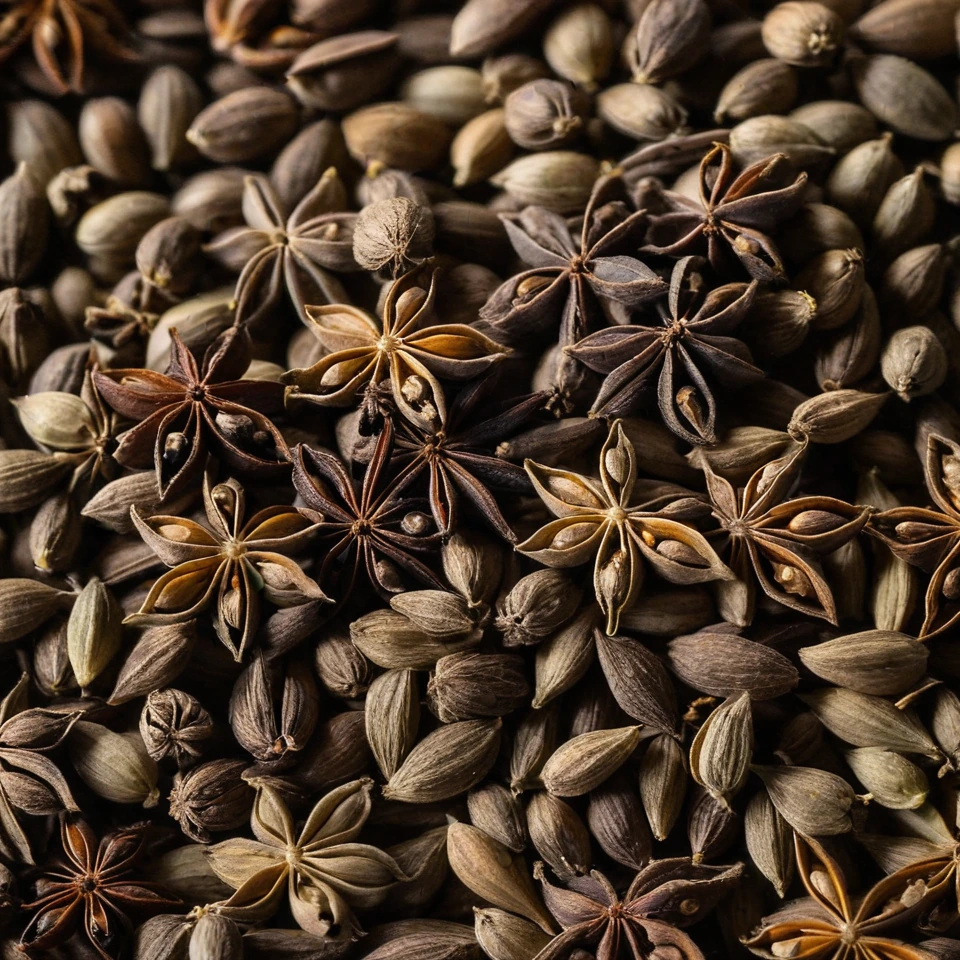
Anise Seeds
Anise seeds are small, oval seeds with a sweet, licorice-like flavor. They are commonly used in both sweet and savory dishes, offering a warm, aromatic taste.
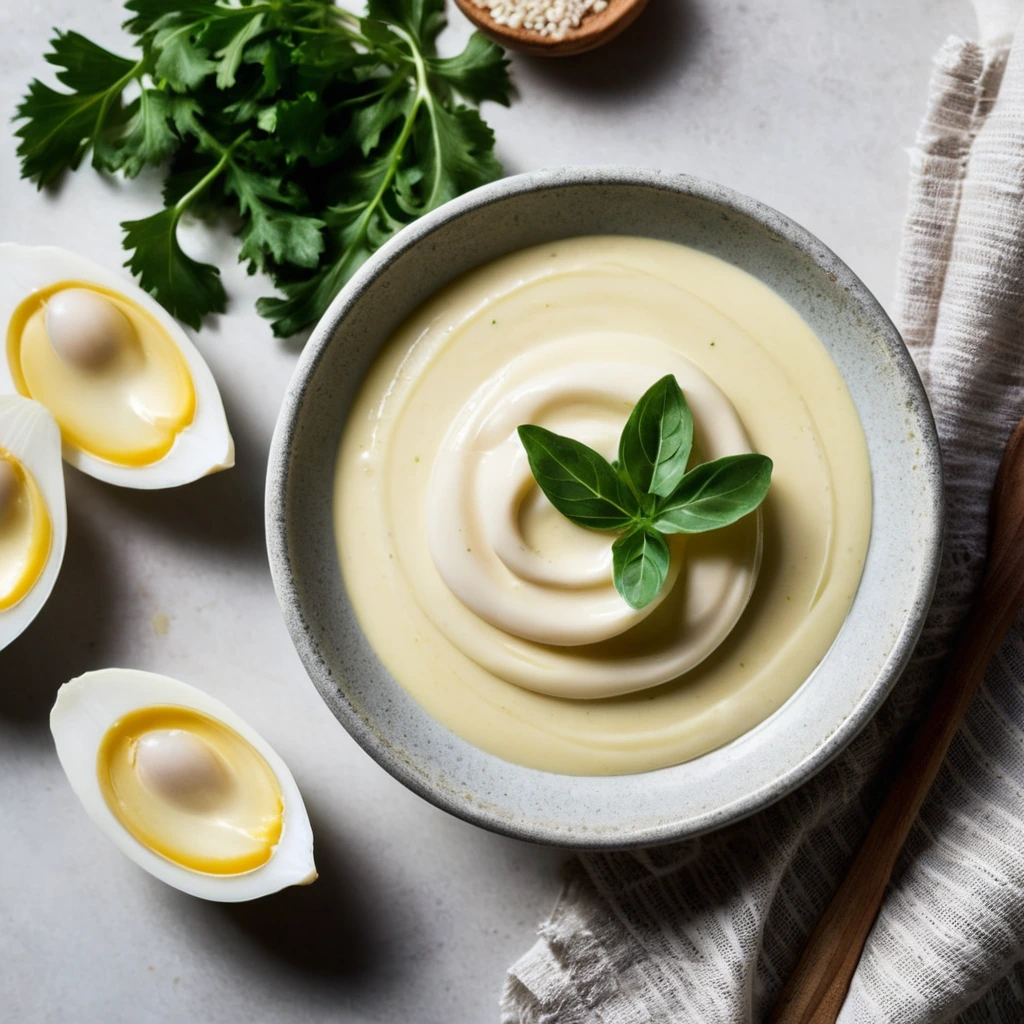
Aioli
A luscious, velvety emulsion of garlic and olive oil, aioli is a rich and aromatic sauce that dances on the palate with its creamy texture and bold, pungent flavor.
Recipes to try
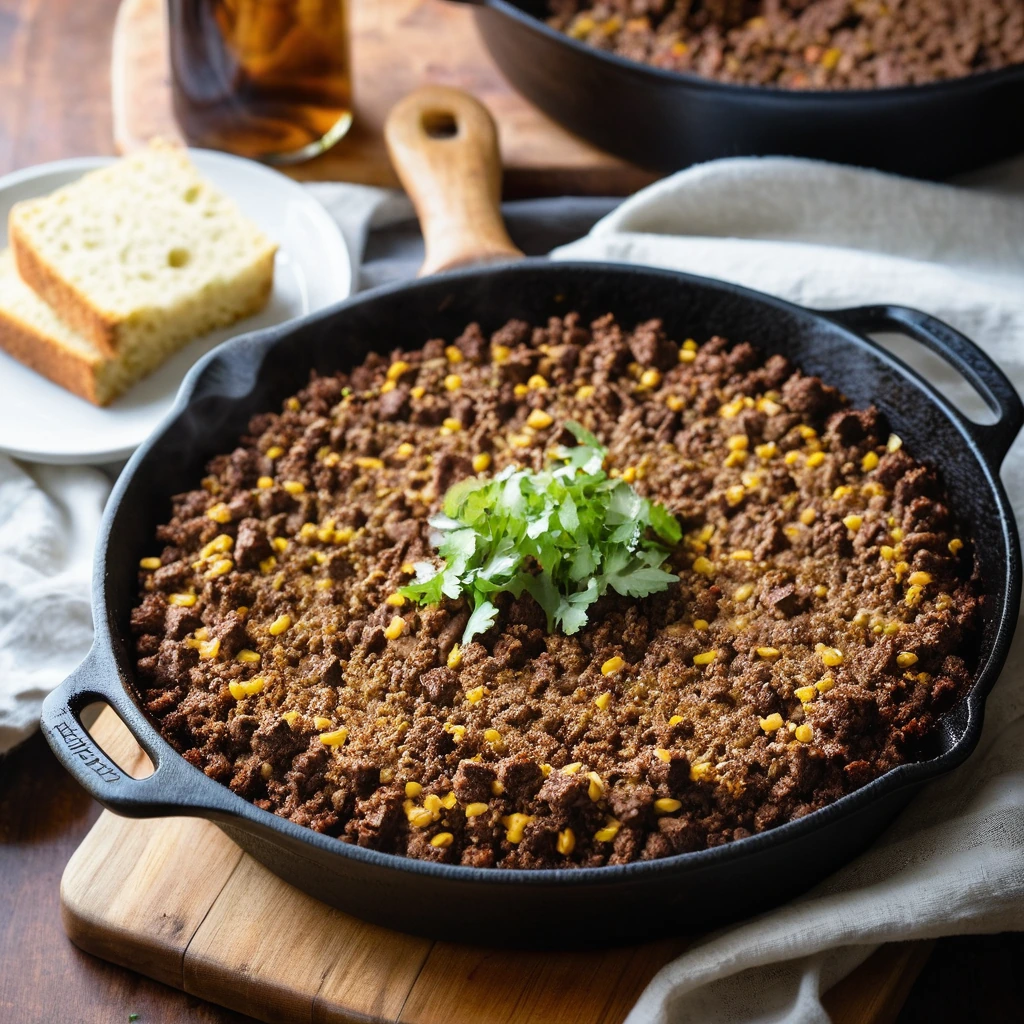
Smoky BBQ Ground Beef and Cornbread Skillet
Imagine the rich smokiness of BBQ sauce mingling with tender ground beef atop golden, crumbly cornbread in a skillet.
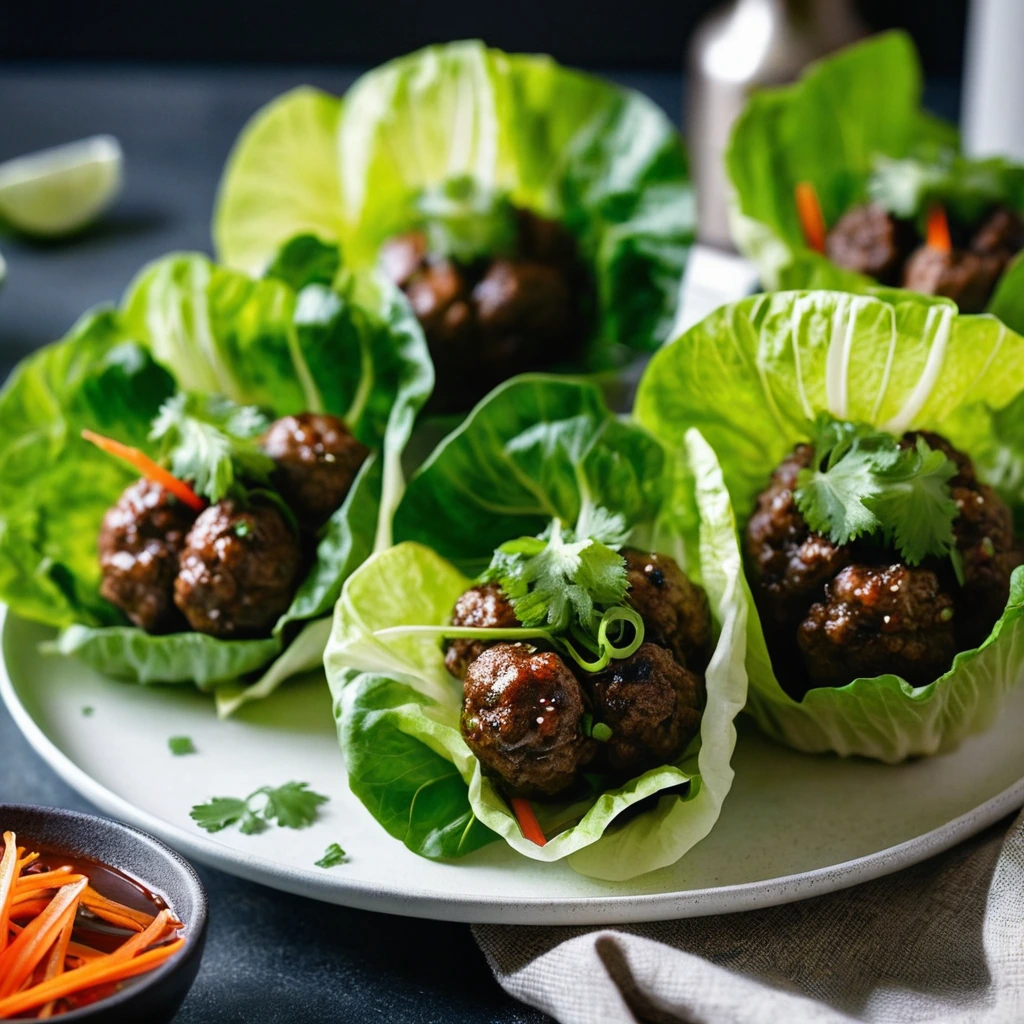
Sweet Chili Glazed Meatball Lettuce Wraps
Juicy meatballs cloaked in a sticky-sweet chili glaze, nestled in crisp lettuce cups for a flavor explosion with every bite.