Stock and Stew Technique: Adding Dairy at the End Without Splitting
Adding dairy to a stock or stew can enrich the flavor and texture, but it often comes with the risk of splitting, resulting in a broken sauce. This technique ensures your dairy blends seamlessly without curdling. The key lies in understanding the science of proteins and fats in dairy, and how they react to heat. When dairy is heated too quickly or to too high a temperature, the proteins can coagulate and separate from the fats. By introducing dairy at the end of the cooking process, you minimize the time it's exposed to heat, thereby reducing the risk of splitting. This method is particularly useful for creamy soups, stews, and sauces where a smooth, velvety texture is desired. We'll explore the nuances of this technique, including the ideal temperatures and visual cues to watch for, ensuring your dishes turn out restaurant-quality every time.
Notes
The science behind this technique is simple: dairy proteins begin to coagulate at temperatures above 160°F. By tempering the dairy, you're gently raising its temperature, allowing the proteins to adjust without seizing up. This prevents the unsightly separation and curdling we're trying to avoid. Troubleshooting common mistakes includes ensuring the heat is low enough and stirring is constant to prevent hot spots. For safety, always use pasteurized dairy to minimize risk. If making ahead, store in the refrigerator for up to 3 days or freeze for longer storage, though note that texture may slightly change upon reheating.
Steps
- 1 Prepare your stock or stew according to your recipe until it is fully cooked.
- 2 Remove the stock or stew from the heat source and let it cool slightly.
- 3 Taste the stock or stew and adjust seasoning, keeping in mind the dairy will dilute flavors slightly.
- 4 Measure out the dairy you wish to add - this could be cream, milk, or even yogurt.
- 5 If using yogurt, whisk it first to ensure it's smooth and free of lumps.
- 6 Temper the dairy by slowly whisking a small amount of the hot stock or stew into it.
- 7 Once tempered, gradually whisk the warmed dairy back into the main pot of stock or stew.
- 8 Gently stir to combine, ensuring the dairy is evenly distributed.
- 9 Return the pot to very low heat, just enough to keep the mixture warm, but not simmering.
- 10 Heat for no more than 2-3 minutes, stirring constantly to prevent splitting.
- 11 Look for a smooth, glossy appearance as a sign the dairy has been successfully incorporated.
- 12 Avoid bringing the mixture to a boil; if it starts to bubble, remove from heat immediately.
- 13 Serve immediately for the best texture and flavor.
Ingredients to explore
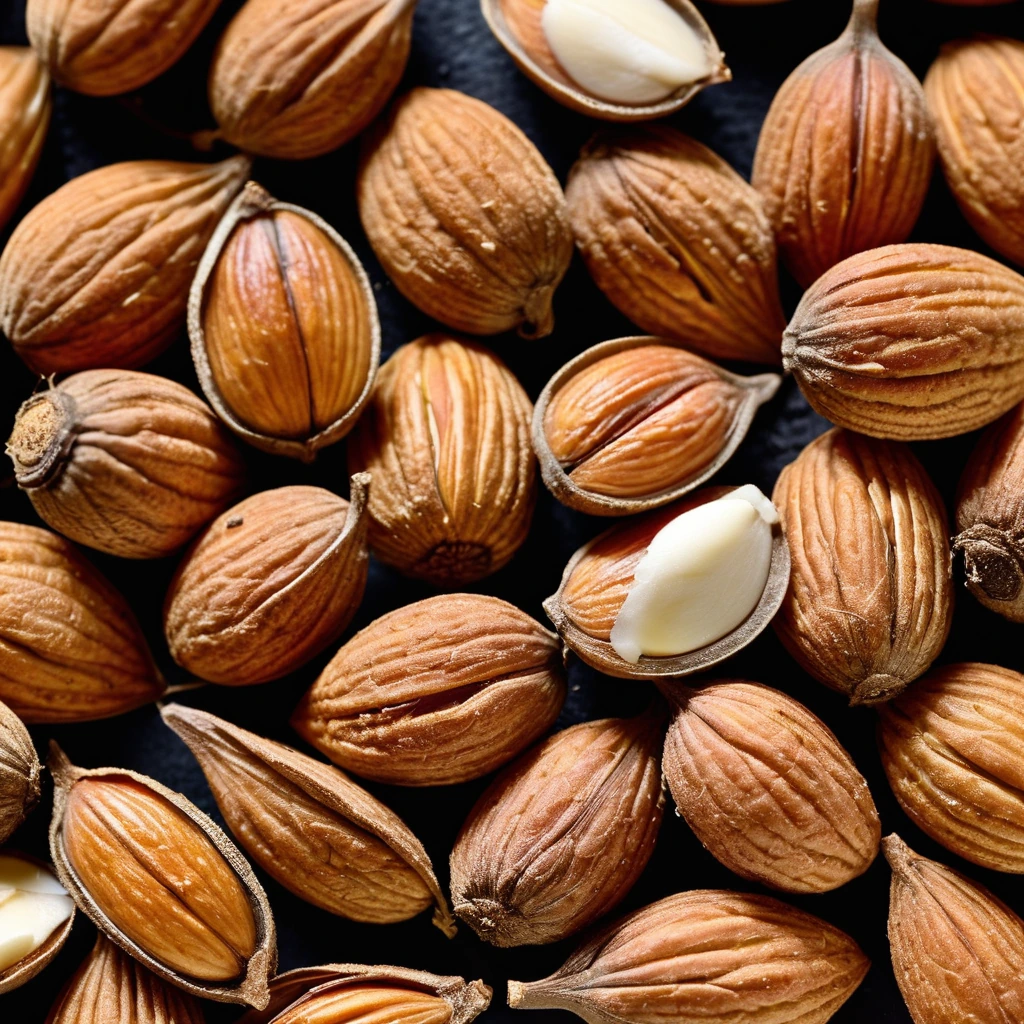
Almond Extract
A fragrant, golden elixir that captures the essence of freshly ground almonds, almond extract is a pantry staple that brings a rich, nutty aroma to your culinary creations.
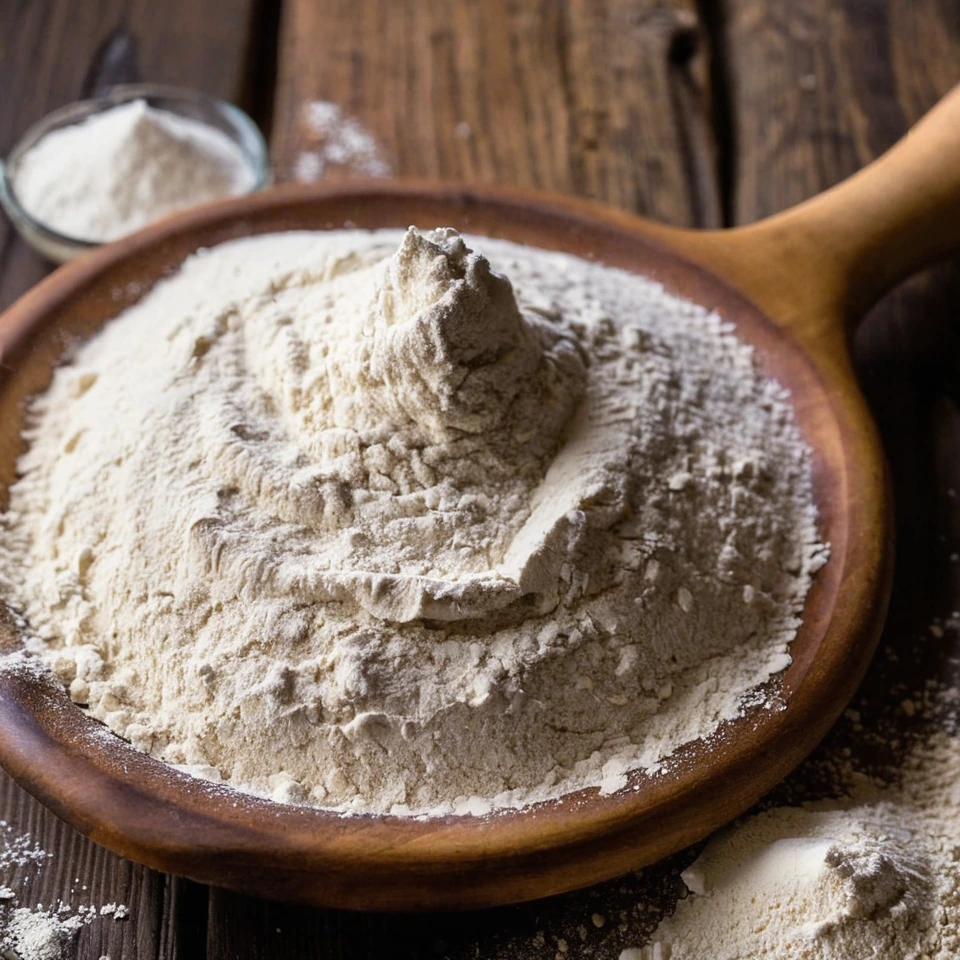
All-Purpose Flour
All-purpose flour is a versatile wheat flour that contains a moderate level of protein and gluten, making it suitable for a wide range of baking and cooking needs.
Recipes to try

Lemon Garlic Butter Scallops over Rice
Tender scallops kissed with lemon and garlicky butter, served over fluffy white rice for a luxurious yet simple dinner.

Shrimp Alfredo Stuffed Pasta Shells
Creamy, cheesy alfredo sauce stuffed into plump pasta shells and topped with succulent shrimp—comfort food at its finest.