Starches: Toasting Grains Before Simmering for Extra Flavor
Toasting grains before simmering is a simple yet transformative technique that can elevate your dishes from ordinary to extraordinary. By applying dry heat to grains like rice, quinoa, or barley before adding liquid, you unlock deeper, nuttier flavors that simmered-only grains can't match. This method isn't just for show; it's rooted in culinary science. When grains are toasted, the Maillard reaction occurs, creating complex flavor compounds that enrich your dish. The technique is straightforward, requiring just a bit of patience and attention to detail. Whether you're cooking breakfast porridge or preparing a side dish for dinner, toasting your grains first is a game-changer. This guide will walk you through the process step-by-step, ensuring your grains are perfectly toasted for maximum flavor impact. We'll also discuss why this technique works and how to troubleshoot common issues to ensure your success every time.
Notes
The science behind toasting grains lies in the Maillard reaction, a chemical process that occurs when proteins and sugars are heated together, creating rich, flavorful compounds. This browning reaction enhances the natural flavors of the grains. A common mistake is overheating the pan, leading to burnt grains, so maintaining a moderate temperature is key. Toasting is best done in a dry skillet, but if your recipe calls for it, you can add a bit of oil to prevent sticking. For storage, toasted grains can be kept in an airtight container for a few days before cooking. However, it's best to toast them fresh for optimal flavor. This technique works well for most whole grains, but delicate grains like couscous might cook too quickly, so adjust your timing accordingly.
Steps
- 1 Heat a medium skillet or saucepan over medium heat.
- 2 Add the grains to the dry skillet, ensuring they form an even layer.
- 3 Stir the grains constantly to prevent burning.
- 4 Toast the grains until they turn a shade darker and emit a nutty aroma, usually 2-4 minutes.
- 5 Listen for a gentle sizzle as the grains begin to toast.
- 6 Keep a close eye on the grains to avoid scorching.
- 7 Once toasted, promptly transfer the grains to a separate bowl to stop the cooking process.
- 8 Proceed with simmering the grains according to your recipe's instructions.
Ingredients to explore
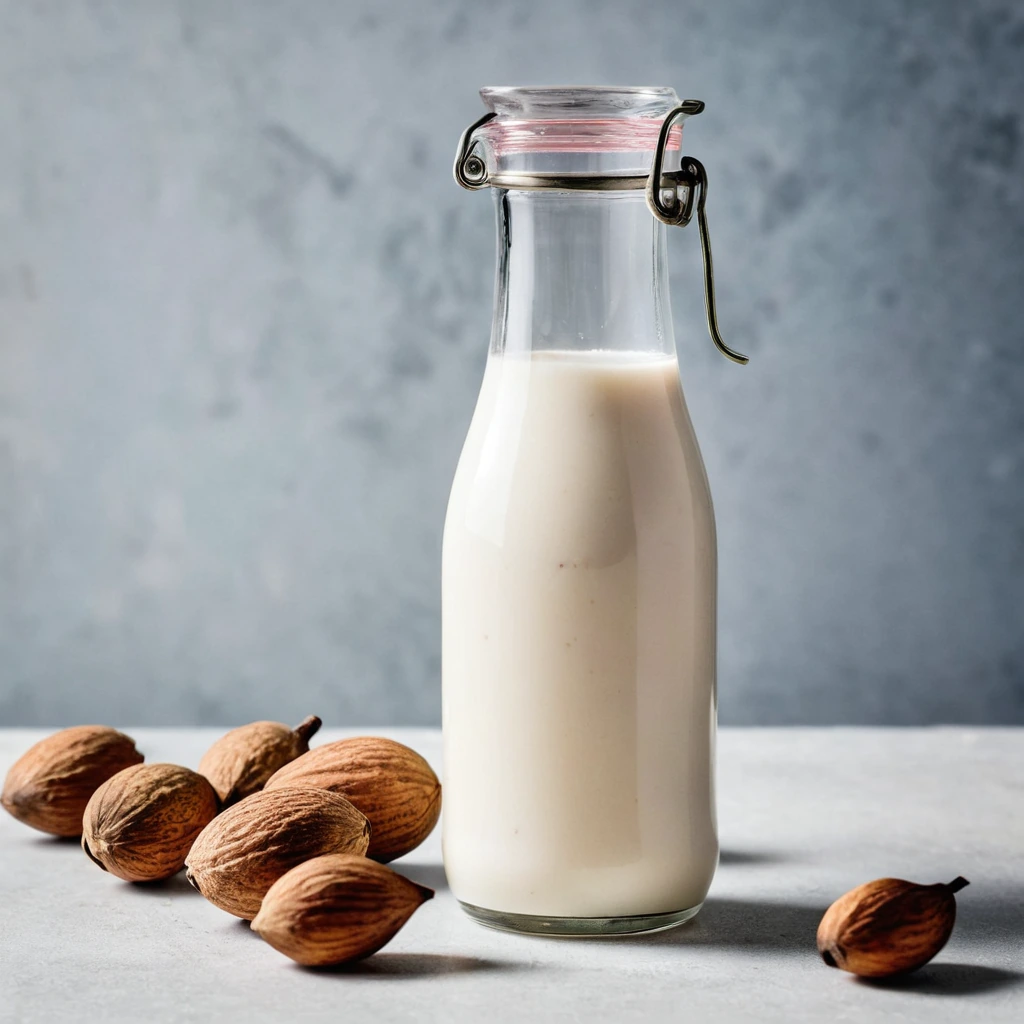
Almond Milk
Almond milk is a plant-based milk alternative made from ground almonds and water. Originating from traditional recipes in medieval Europe and the Middle East, it has gained widespread popularity in modern times as a dairy-free option. Almond milk has a subtly nutty flavor with a mild sweetness, and its aroma is reminiscent of fresh almonds. Its texture is smooth and creamy, though typically lighter than dairy milk. In cooking, almond milk behaves well in both savory and sweet applications, though it does not brown or caramelize like dairy milk. It is often used in cereals, smoothies, and baking, where its delicate flavor complements rather than overpowers other ingredients.

Andouille Sausage
Andouille sausage is a coarse-grained, smoked pork sausage with a rich history rooted in French cuisine, particularly from the Alsace region. It was adapted in Louisiana, where it became a staple in Cajun and Creole cooking. The sausage is known for its robust, smoky flavor with hints of garlic, pepper, and other spices, creating a spicy and savory profile. Its texture is firm yet slightly chewy, making it a hearty addition to dishes. When cooked, andouille sausage maintains its shape well and infuses dishes with its distinctive smoky essence, enhancing stews, soups, and rice dishes.
Recipes to try
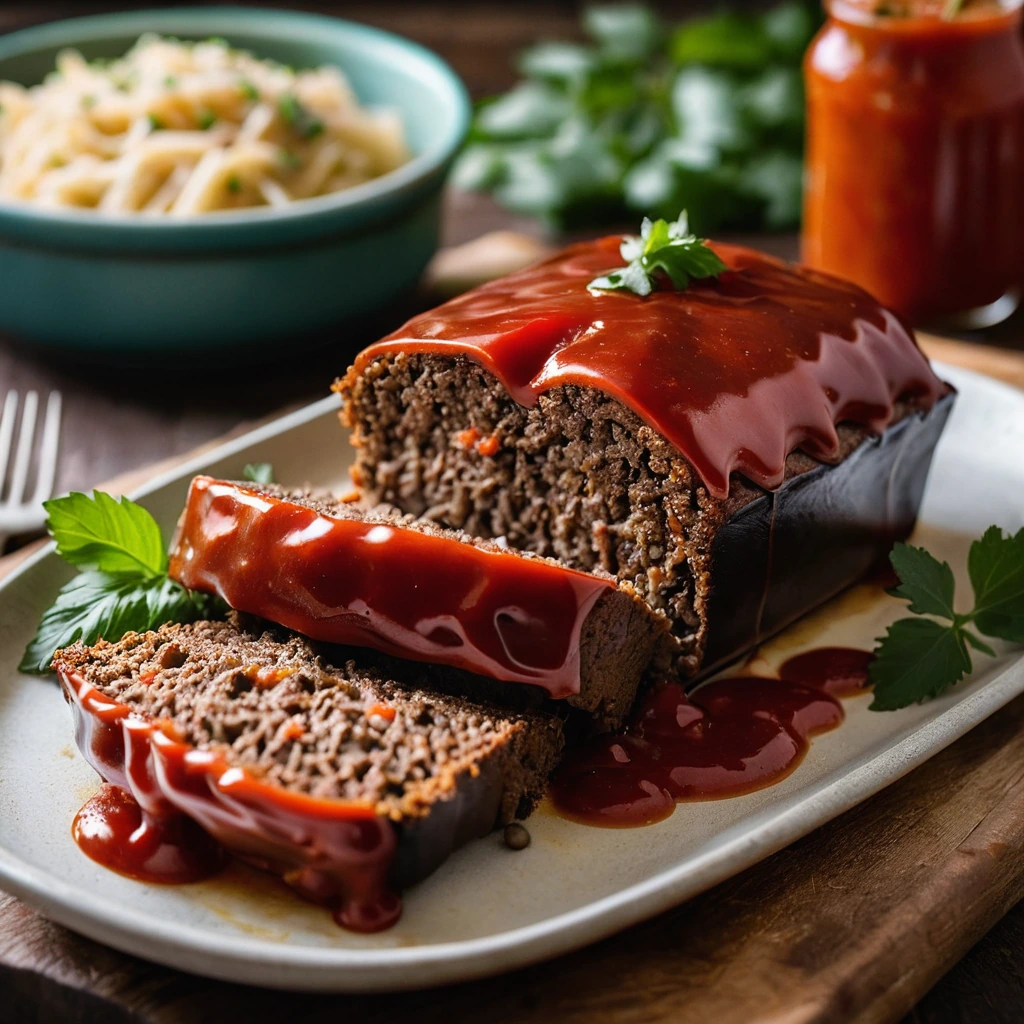
Pepper Jack Stuffed Meatloaf with Salsa Glaze
A savory meatloaf stuffed with gooey pepper jack cheese and topped with a tangy, zesty salsa glaze that'll have your taste buds doing a happy dance.

Smoky Black Bean and Corn Soup with Lime
This soup is a tangy, smoky hug in a bowl, with the fresh zing of lime cutting through rich black beans and sweet corn.