Starches: Salting Pasta Water Correctly
Salting pasta water is a fundamental technique that can elevate your pasta dishes from ordinary to extraordinary. It's not just about adding flavor; it's about understanding how salt interacts with the starch in pasta to create the perfect texture and taste. Many home cooks underestimate the importance of salting pasta water, often adding too little or doing so at the wrong time. The right amount of salt enhances the pasta's flavor, ensuring each strand is seasoned perfectly. Moreover, it impacts the pasta's texture, preventing it from becoming mushy. The science behind this technique is simple yet profound. Salt raises the boiling point of water slightly, ensuring a vigorous boil that helps pasta cook evenly. It also seasons the pasta from within, ensuring every bite is flavorful. Achieving this balance requires precision and understanding. First, you need to use enough water—about 4 to 6 quarts for every pound of pasta—to allow the pasta to move freely and cook evenly. Then, you must add the salt to the water before it reaches a boil. This ensures the salt dissolves completely, creating a flavorful brine. The general guideline is to use about 1 to 2 tablespoons of salt per pound of pasta, but this can vary depending on personal taste and the salt's coarseness. Remember, you want the water to taste like the sea—salty, but not overly so. Adding salt after the water boils can lead to uneven distribution and may leave gritty undissolved crystals. Once the pasta is added to the salted water, it's crucial to stir it immediately to prevent sticking. The pasta should cook in a rolling boil, which helps to agitate the strands and cook them evenly. Lastly, always reserve some pasta water before draining. This starchy, salty water is liquid gold for creating silky, flavorful sauces that cling beautifully to your pasta.
Notes
The science behind salting pasta water is fascinating. Salt dissolves in water to create a brine that seasons the pasta from within, enhancing its flavor and texture. Adding salt before the water reaches a boil ensures it dissolves fully, avoiding gritty undissolved crystals. A common mistake is using too little salt; remember, you can't over-salt at this stage because most of the water will be drained. Always use enough water to allow pasta to move freely; this prevents sticking and ensures even cooking. For storage, cooked pasta can be tossed with a bit of olive oil and stored in the refrigerator for up to 3 days. Reheat gently with some reserved pasta water to maintain texture.
Steps
- 1 Fill a large pot with 4 to 6 quarts of water per pound of pasta.
- 2 Place the pot on high heat and bring the water to a vigorous boil.
- 3 Add 1 to 2 tablespoons of salt to the boiling water, adjusting based on personal preference and salt coarseness.
- 4 Stir the water to ensure the salt dissolves completely before adding the pasta.
- 5 Add the pasta to the salted, boiling water and stir immediately to prevent sticking.
- 6 Maintain a rolling boil throughout the cooking process.
- 7 Cook the pasta according to package instructions until al dente.
- 8 Reserve about 1 cup of pasta water before draining.
- 9 Drain the pasta in a colander, but do not rinse it.
Ingredients to explore

Active Dry Yeast
A fine, granulated leavening agent that brings baked goods to life with its gentle fermentation magic.

Andouille Sausage
Andouille sausage is a coarse-grained, smoked pork sausage with a rich history rooted in French cuisine, particularly from the Alsace region. It was adapted in Louisiana, where it became a staple in Cajun and Creole cooking. The sausage is known for its robust, smoky flavor with hints of garlic, pepper, and other spices, creating a spicy and savory profile. Its texture is firm yet slightly chewy, making it a hearty addition to dishes. When cooked, andouille sausage maintains its shape well and infuses dishes with its distinctive smoky essence, enhancing stews, soups, and rice dishes.
Recipes to try
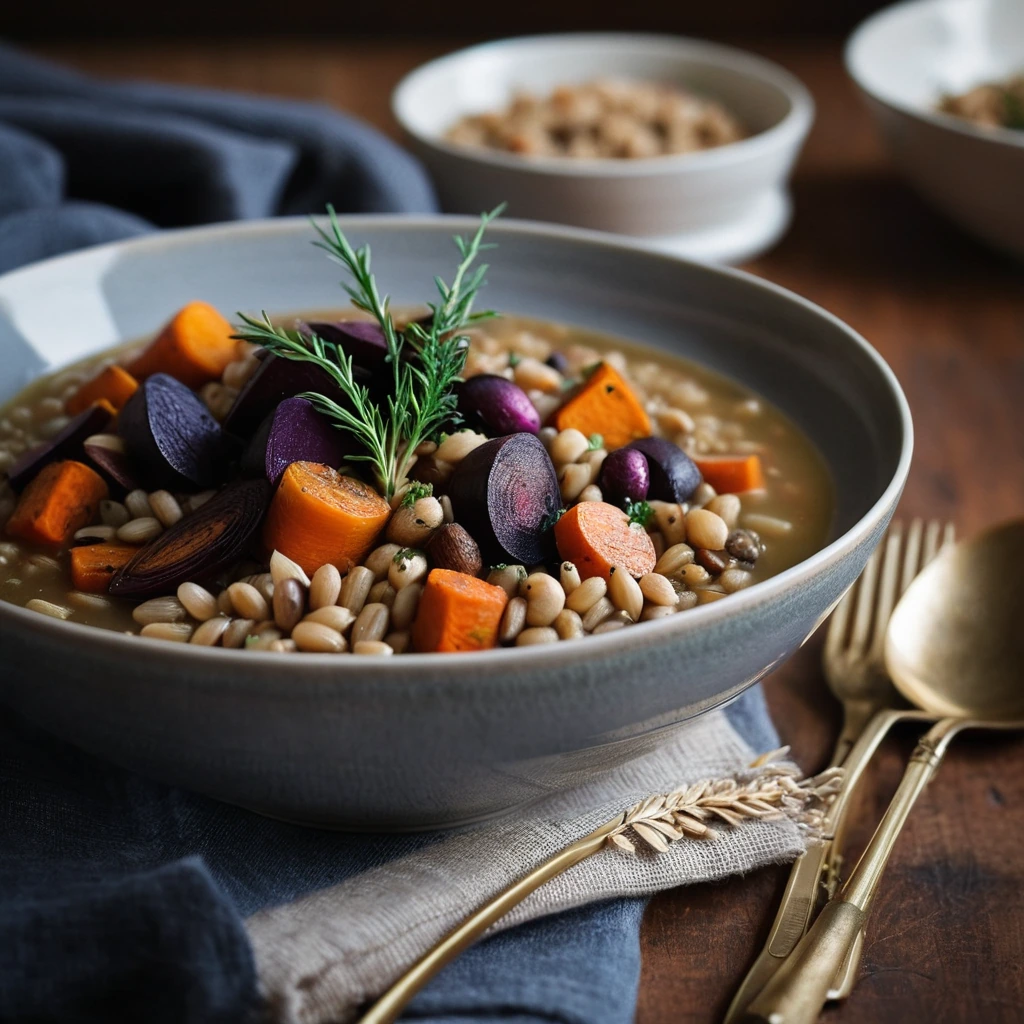
Roasted Root Vegetable and Barley Stew
Hearty and deeply flavorful, this stew marries caramelized root veggies with chewy barley for a comforting bowlful of warmth.
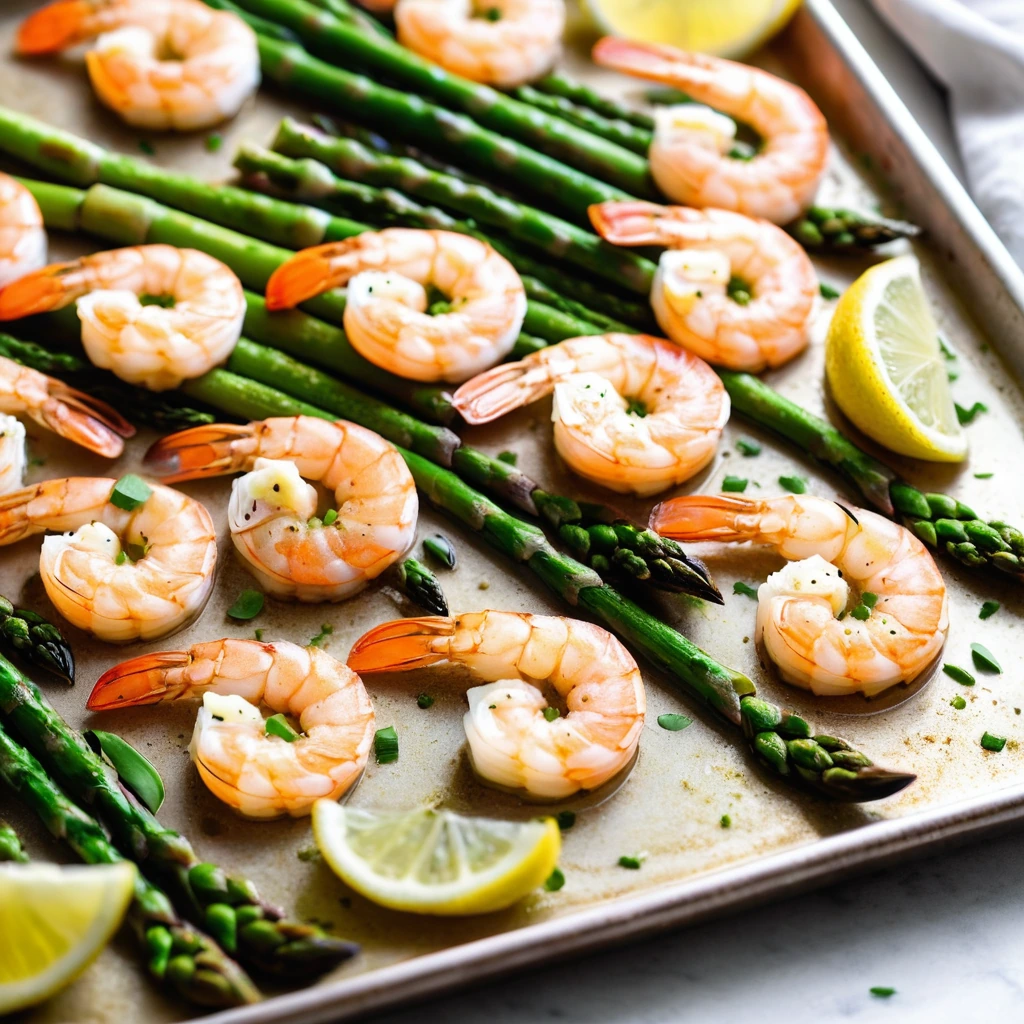
Lemon Garlic Butter Shrimp and Asparagus Sheet Pan
Bright and zesty, this sheet pan dinner is a burst of sunshine with tender shrimp and crisp asparagus in a luscious garlic butter sauce.